


If you have been told that you do not have enough jawbone for regular dental implants, it can feel disappointing. A subperiosteal implant gives hope for many people by supporting fixed teeth without major bone grafting, especially when severe jawbone loss makes traditional implants difficult. In the US, a full-arch subperiosteal implant usually costs around $25,000 to $50,000 per arch, depending on your treatment plan and the clinic you choose. In this guide, you will learn what a subperiosteal implant is, who it is suitable for, its benefits, procedure, recovery, risks, costs, alternatives, and how to choose the right treatment for your smile.
What Is a Subperiosteal Implant?
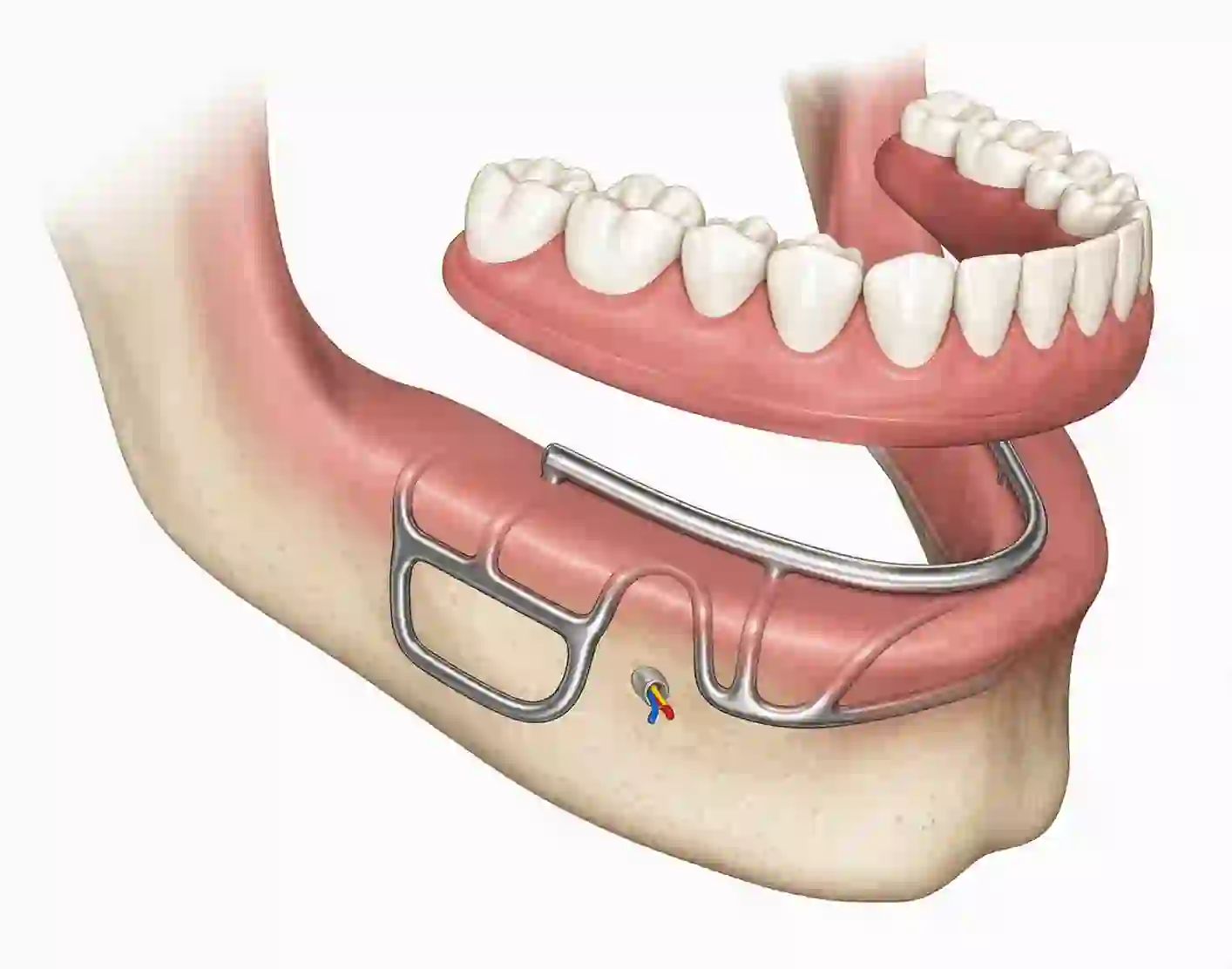
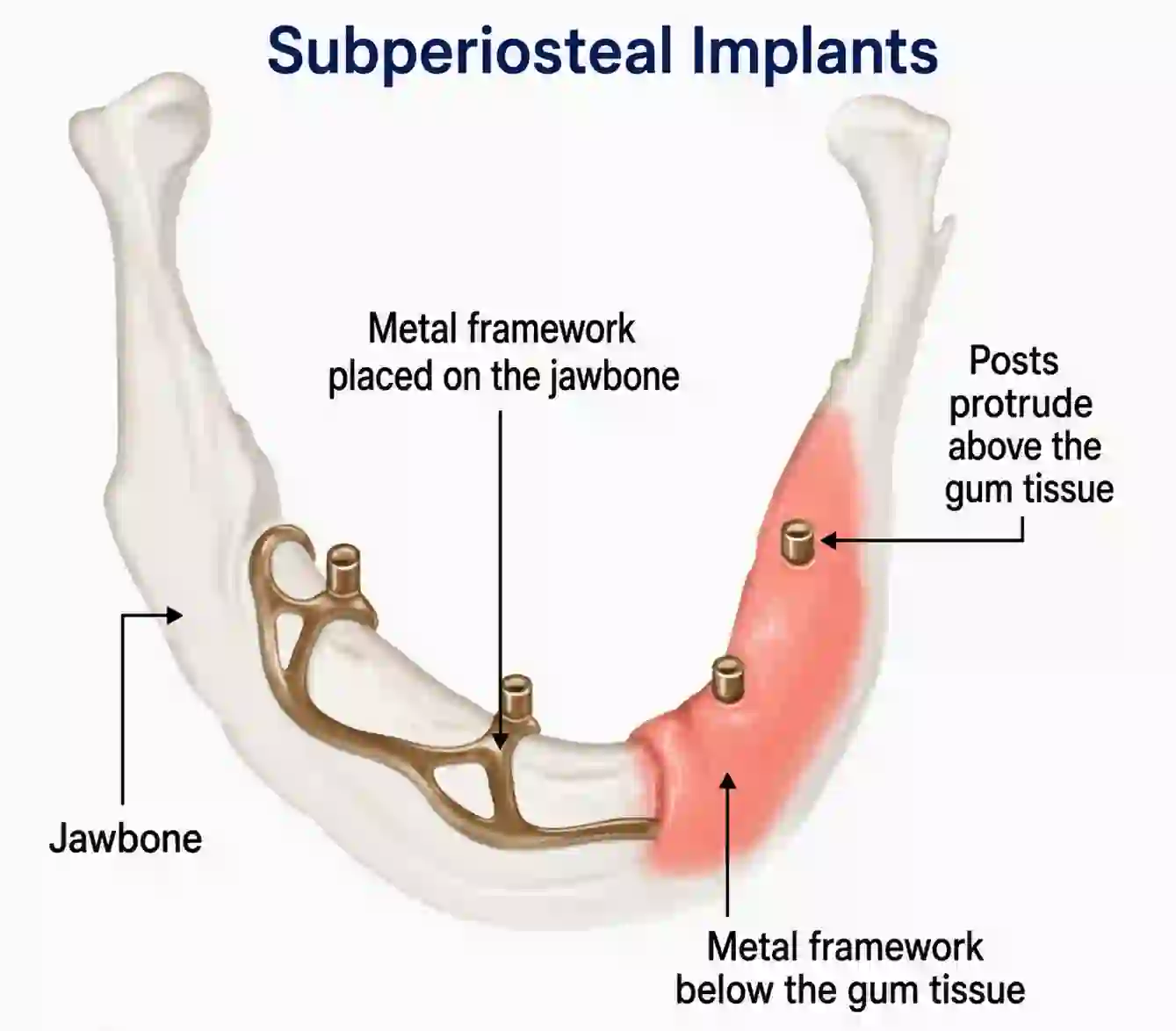
When severe jawbone loss is present a subperiosteal implant may become an option for treatment. And for that there may not be enough bone to support regular dental implants. Then the implant is not placed inside the jawbone. Even with limited bone available it sits over the jawbone and stays under the gum tissue.
The term subperiosteal refers to the area which is under the periosteum. It is a thin layer which covers the jawbone. It has posts that go through the gums. These posts support fixed teeth or a denture.
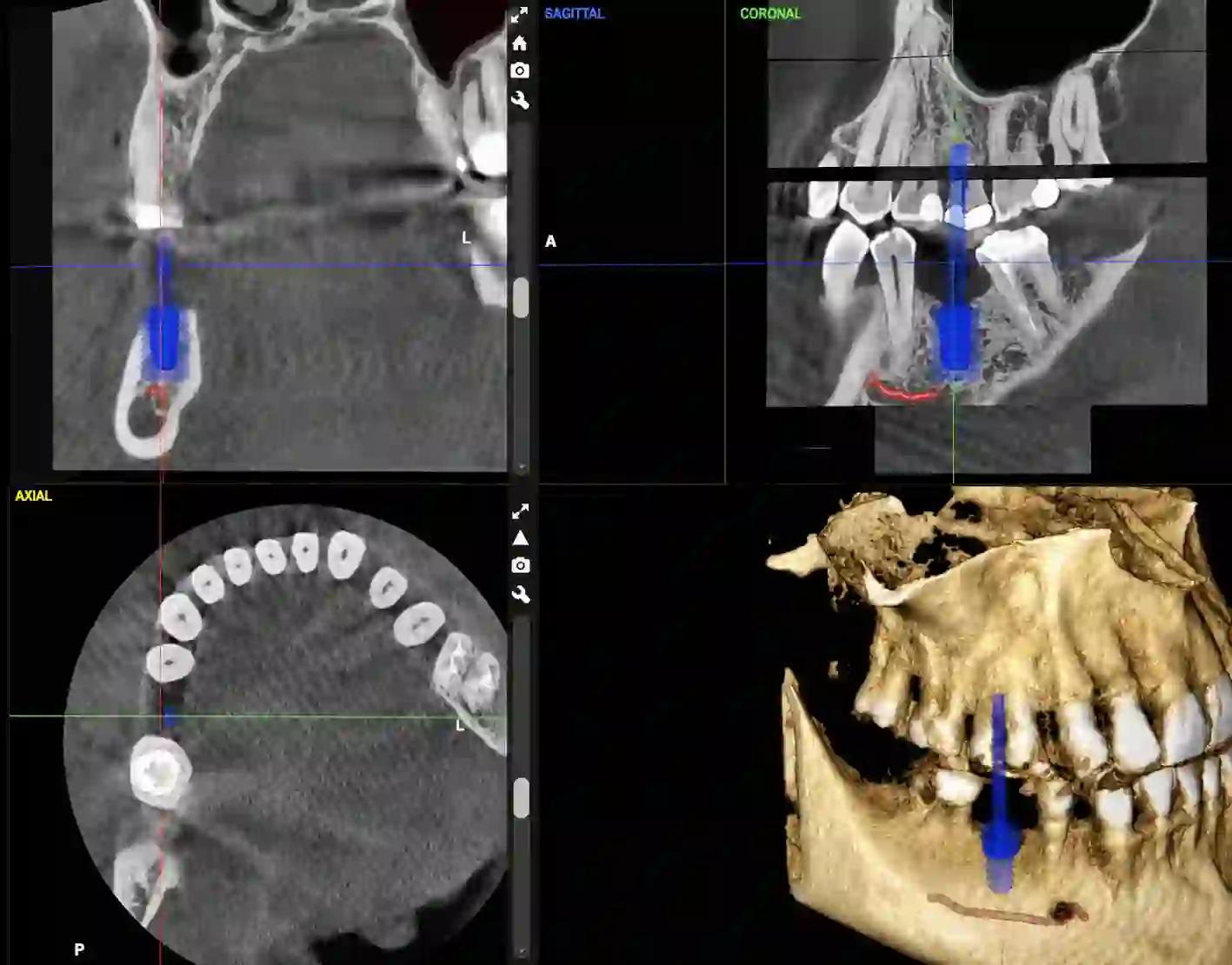
Firstly your surgeon creates a digital model using CBCT or CT scans and then they design a patient-specific titanium framework designed to fit your jaw shape. For severe jawbone loss a subperiosteal implant may be recommended instead of major bone grafting.
How Subperiosteal Implants Differ from Traditional Dental Implants
| Feature | Traditional Implants | Subperiosteal Implant |
|---|---|---|
| Placement | Inside the jawbone | On top of the jawbone |
| Bone Needed | Moderate to high bone volume | Suitable for severe bone loss |
| Bone Grafting | Often required | Often avoided |
| Stability | Bone fuses to implant | Custom framework support |
| Timeline | Multiple treatment stages | May reduce overall treatment time |
| Evidence | Long-term gold standard | Used for selected complex cases |
| Availability | Widely available in the US | Offered by selected specialists |
| Best For | Most implant patients | Severe bone loss cases |
Who Are Ideal Candidates for Subperiosteal Implants?
For a subperiosteal implant people with severe jawbone loss along with a desire to avoid major bone grafting are generally considered for treatment.
You might be a good candidate if:
- Long-term tooth loss has caused severe bone shrinkage.
- Traditional implants would require extensive grafting.
- Dentures feel loose or uncomfortable.
- Previous implant treatment has failed.
- You are willing to attend regular follow-up visits.
A subperiosteal implant may not be ideal if you have active oral infections, poor oral hygiene, or enough bone for conventional implants. You should always have a full CBCT evaluation and discuss all available treatment options with an experienced implant specialist.
Benefits of Subperiosteal Implants
A subperiosteal implant becomes an option when severe jawbone loss leaves too little bone for regular dental implants. It is often considered when traditional implants would need extra procedures like bone grafting. Modern subperiosteal implant designs use digital planning and customized frameworks which have improved treatment outcomes.
No Bone Grafting Required
One of the biggest benefits of a subperiosteal implant is that it is designed to sit over the jawbone and beneath the gum tissue instead of inside the bone. For that major bone grafting is often not required.
This means people may need fewer surgeries and the treatment is not as complicated. For people who have lost a lot of bone, older people and patients who want to avoid major bone grafting a subperiosteal implant can be a good choice.
Shorter Overall Treatment Timeline
A subperiosteal implant can reduce the overall treatment time because bone grafting is not required. Firstly CBCT scans are used for planning. Then a custom framework is created and placed to support the final teeth.
People may not have to wait for months for bone graft healing before the next stage of treatment. Once the procedure is completed enough healing time along with follow-up visits is still needed.
Long-Term Durability: How Long Do Subperiosteal Implants Last?
Good daily care plays an important part in how long a subperiosteal implant remains in place. The overall lifespan is different for every person and it can vary based on the framework fit along with oral hygiene, smoking habits, overall health and regular dental visits.
Older designs showed mixed results. Modern customized subperiosteal implant systems appear more reliable because they are made to match the patient's jaw. Then you should remember that regular checkups help identify problems like soft tissue irritation infection or framework wear at an early stage.
Subperiosteal Implant Procedure: Step-by-Step
For this the subperiosteal implant procedure is planned specially for each patient. Unlike regular dental implants a subperiosteal implant uses a custom framework so the treatment usually includes consultation, 3D imaging, digital planning, surgery and the final teeth.
Initial Consultation and 3D CBCT Scan
First your dentist reviews your medical history, oral health and the amount of jawbone available. Then a CBCT scan helps the dentist study the jawbone ridge shape and nearby structures before creating the treatment plan. The dentist also checks for gum infection, smoking habits and other health conditions before treatment.
Digital Design and Custom Framework Fabrication
Next the CBCT scan is turned into a digital 3D model of your jaw. Then a custom subperiosteal implant framework is designed with CAD/CAM technology and made from titanium or another biocompatible metal using milling or 3D printing. The custom fit helps improve comfort stability and long-term support.
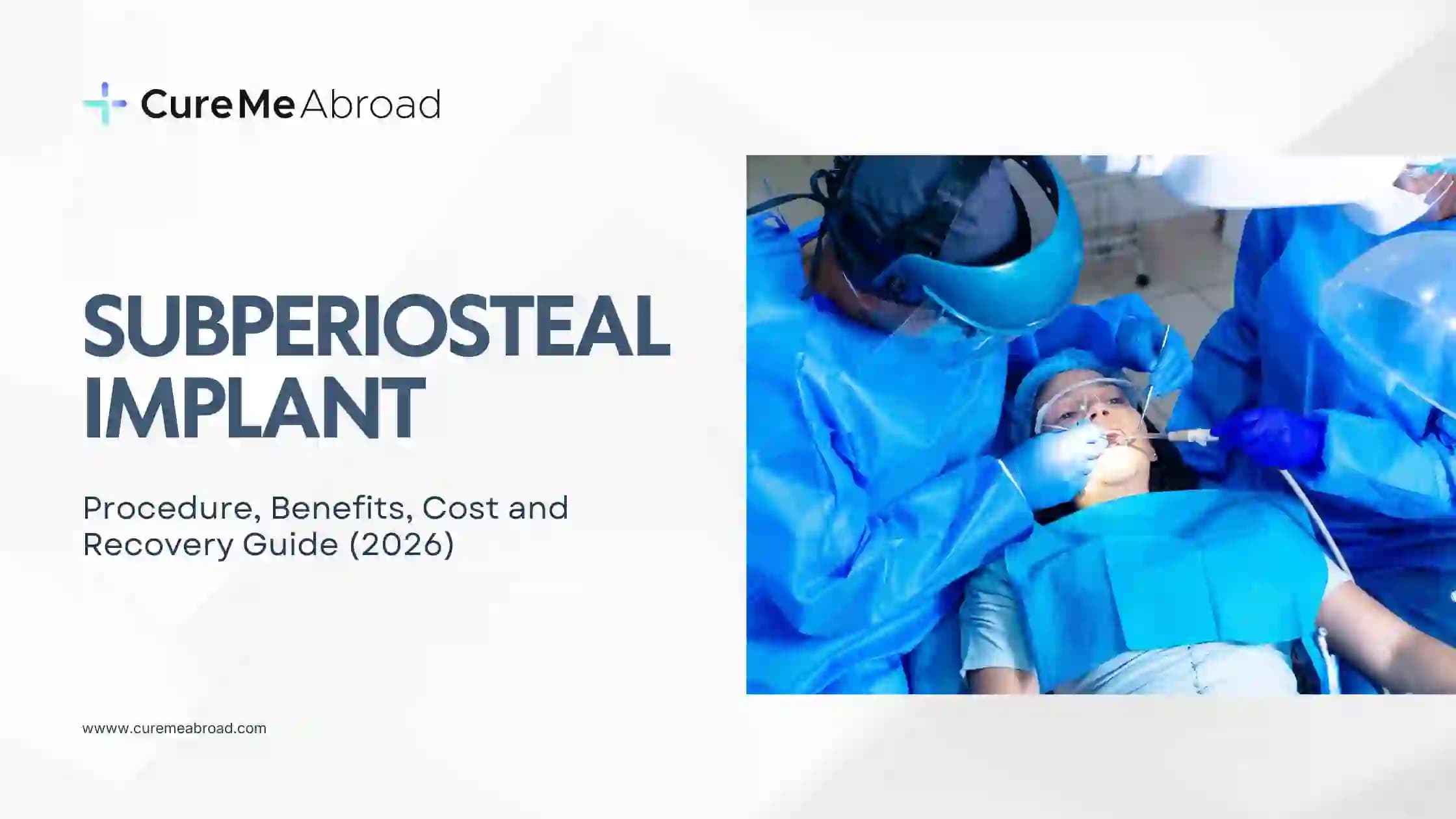
Surgical Placement: What to Expect on the Day
On the day of surgery the gum tissue is opened carefully before the custom framework is positioned over the jawbone. Then the fit is checked carefully before the gums are closed around the support posts.
The procedure is usually completed in a specialist clinic. Depending on your treatment plan you may receive temporary teeth before the final restoration.
Anesthesia Options and Comfort Measures
Local anesthesia, IV sedation or general anesthesia may be used depending on your treatment. The surgical team monitors you throughout the procedure and provides medication along with home care instructions to keep you comfortable after surgery.
Attaching the Prosthetic Teeth (Final Restoration)
After healing your temporary teeth, if used, are replaced with the final prosthetic teeth. Then your dentist checks the bite fit and overall comfort before the treatment is completed. For this both fixed and removable teeth can be attached to the subperiosteal implant. After that regular follow-up visits help keep the implant and gums in good condition.
Recovery and Aftercare Guide
Recovery after a subperiosteal implant is mainly about helping the gums and soft tissue heal around the custom framework. Most people feel better within the first couple of weeks but good home care and regular follow-up visits help keep the subperiosteal implant stable for the long term.
Immediate Post-Op: First 24–72 Hours
- Firstly swelling, mild bleeding, soreness and tightness around the treated area are normal.
- First you should rest and avoid heavy physical activity.
- Then keeping your head slightly elevated along with using cold packs may help reduce swelling.
- Also soft foods are a better choice during the early recovery period along with the prescribed medicines.
- Also avoid using straws, smoking, alcohol and touching the surgical area.
- Lastly, follow your surgeon's instructions because every subperiosteal implant recovery is different.
One-Week to Two-Week Healing Milestones
- Firstly swelling and tenderness usually begin to improve.
- Then your dentist checks the healing area and removes stitches if needed.
- Also avoid hard foods and heavy exercise for a little longer.
- Also feeling more comfortable does not always mean the gums are fully healed.
- Lastly your dentist may review the healing progress during the follow-up visits.
When Can You Eat Normally and Return to Work?
- Firstly, soft foods are usually recommended for the first several days.
- Then firmer foods can be added after your dentist confirms proper healing.
- Also many people with desk jobs return to work sooner than those with physical jobs.
- Lastly allow a little more recovery time before starting heavy lifting and intense exercise again.
Oral Hygiene Routine for Subperiosteal Implants
- Firstly begin gentle rinsing only when your dentist recommends it.
- Then clean around the subperiosteal implant with a soft toothbrush.
- Also daily brushing helps keep the gums healthy around the implant.
- Also any redness, swelling, pain, a bad taste or drainage should be checked by your dentist.
- Lastly your regular dental checkups help make sure the implant and gums remain in good condition.
Subperiosteal Implant Cost in the US (2026 Update)
A subperiosteal implant usually costs more than a regular dental implant because every framework is custom-made using digital scans and detailed treatment planning. For this the average cost of a full-arch subperiosteal implant in the US is around $25,000 to $50,000 per arch. The final price can vary based on your treatment needs along with the surgeon, location and what is included in the treatment package.
Average Cost Range for Full-Arch Subperiosteal Implants in the US
| State | Estimated Average Cost (Per Full Arch) |
|---|---|
| California | $20,000–$45,000 |
| New York | $22,000–$50,000 |
| Florida | $18,000–$40,000 |
| Texas | $15,000–$35,000 |
| Illinois | $16,000–$35,000 |
| Arizona | $14,000–$30,000 |
| North Carolina | $15,000–$28,000 |
These prices are only estimates. For this the final cost is confirmed after your consultation.
What's Included in the Quoted Price?
- Firstly some clinics offer an all-inclusive package while others charge each step separately.
- First the quote may include consultation, CBCT scan and digital treatment planning.
- Then it may cover custom framework fabrication, surgery and anesthesia.
- Also temporary teeth, final restoration and follow-up visits may be included.
- Lastly ask for the written cost breakdown along with the treatment services included in the package.
What's Not Included? Potential Hidden Costs
- Firstly, some extra treatments can increase the final price.
- First tooth extractions, gum treatment or infection control may cost extra.
- Then additional scans, medicines or upgraded sedation may be billed separately.
- Also temporary prosthesis, repair visits and aftercare products may not be included.
- Lastly remember that insurance often provides limited coverage for this treatment.
Factors That Affect Your Final Cost
- Firstly every subperiosteal implant treatment is different.
- First severe bone loss and the number of support points can increase the cost.
- Then the upper or lower jaw, prosthetic material and extractions also affect pricing.
- Also surgeon experience, anesthesia choice and your city or state play a part.
- Lastly two patients can receive different quotes even for the same treatment.
Cost Comparison: Subperiosteal vs. Zygomatic vs. Grafted Implants
| Treatment | Average US Cost | Bone Grafting Needed | Best For |
|---|---|---|---|
| Subperiosteal Implants | $25,000–$50,000 per arch | Usually No | Severe bone loss without major grafting |
| Zygomatic Implants | Higher specialist pricing | No | Severe upper jaw bone loss |
| Traditional Implants with Grafting | $14,000–$36,000+ per arch | Usually Yes | Patients suitable for bone rebuilding |
The first thing is that the lowest price is not always the best value. Moreover compare the complete treatment plan because avoiding extra grafting procedures may reduce the overall cost and treatment time for the right patient.
Risks, Side Effects and Complications
A subperiosteal implant is generally a safe treatment when it is planned carefully and placed by an experienced specialist. For this modern custom-made designs have helped improve treatment results but every surgery still has some risks. Along with that your overall health, oral hygiene and regular follow-up visits can make a difference during recovery.
Infection, Framework Exposure and Soft-Tissue Issues
Firstly most complications begin around the gum tissue.
- First signs of infection may include redness, swelling, tenderness and drainage near the implant.
- Then part of the metal framework may become visible if the gum tissue does not heal properly.
- Also a bad taste, bad odor or an opening in the gum should not be ignored.
- Lastly the early treatment can often prevent bigger problems and protect the subperiosteal implant.
Implant Failure: How Common Is It?
- Firstly implant failure is less common with modern subperiosteal implant designs but it can still happen.
- First failure may include infection, poor fit, tissue breakdown or framework removal.
- Then smoking, poor oral hygiene and weak soft tissue can increase the risk.
- Also good maintenance and regular dental visits help improve long-term success.
- Lastly experienced surgeons and careful planning can lower the chance of complications.
Minimizing Risks: Pre-Op Health and Lifestyle Factors
Firstly your preparation before surgery is just as important as the procedure.
- First your surgeon checks your medical history, CBCT scan and oral health.
- Then stopping smoking and controlling diabetes can support better healing.
- Also good nutrition, daily oral hygiene and following pre-op instructions help reduce risks.
- Lastly the best results come when both you and your surgeon work together throughout the treatment.
Alternatives to Subperiosteal Implants
If you have jawbone loss a subperiosteal implant is one treatment option you can consider but it is not the only one. Your specialist will look at your bone condition, overall health and what you want to achieve with your treatment. They may also suggest traditional implants or zygomatic implants or All-on-4 or All-on-6 treatment. The best option for you will be decided after your specialist has completed an examination and a CBCT scan of your jaw.
Traditional Endosteal Implants with Bone Grafting
- Firstly this is the most common implant option when the jawbone can be rebuilt.
- First the implant is placed inside the jawbone after bone graft healing.
- Then it offers a strong long-term solution but usually needs more surgeries and healing time.
- Lastly this option is suitable if you are comfortable with a longer treatment process.
Zygomatic Implants for Severe Upper Jaw Atrophy
- Firstly zygomatic implants are mainly used for severe bone loss in the upper jaw.
- First they are anchored into the cheekbone instead of the jawbone.
- Then they can avoid major bone grafting but need an experienced implant surgeon.
- Lastly they are usually recommended only for complex upper jaw cases.
All-on-4 / All-on-6 Tilted Implant Protocols
Firstly this treatment supports a full arch of teeth with four or six implants.
- First the implants are placed at planned angles to use the available bone.
- Then treatment may be quicker than graft-based procedures in suitable cases.
- Lastly not everyone qualifies so your specialist will recommend the option that best matches your bone structure and overall health.
Final thoughts
For people with severe jawbone loss a subperiosteal implant can be a suitable treatment option without major bone grafting. This guide explained how the treatment works along with its benefits, procedure recovery cost, possible risks and alternative options. The right choice depends on your bone condition, overall health and the findings from a specialist examination with a CBCT scan.
Visit CureMeAbroad to compare subperiosteal implant treatment options and find experienced dental specialists. Book your consultation and choose the treatment that suits your needs.
FAQs
1. Are Subperiosteal Implants Safe?
Yes, A subperiosteal implant is generally safe when it is carefully planned and placed by an experienced specialist. Good oral hygiene and regular follow-up also help lower complications.
2. How Painful Is the Subperiosteal Implant Procedure?
Most people do not feel pain during a subperiosteal implant procedure because anesthesia is used. Mild soreness and swelling afterward are common and usually improve within a few days.
3. How Long Do Subperiosteal Implants Last with Proper Care?
A subperiosteal implant can last for many years with good oral hygiene, regular dental checkups, and proper maintenance. Long-term success depends on your overall oral health.
4. What Is the Success Rate of Subperiosteal Implants?
Modern subperiosteal implants have shown promising success in suitable patients. The outcome depends on careful planning, healthy gums, and treatment by an experienced implant specialist.
5. Are Subperiosteal Implants Covered by Medicare or Private Insurance?
Coverage for a subperiosteal implant varies by insurance plan. Many patients receive only partial coverage, so you should always confirm your benefits before starting treatment.
6. How Do I Find a Qualified Subperiosteal Implant Surgeon Near Me or Abroad?
Choose a specialist with experience in subperiosteal implant treatment, advanced CBCT planning, and full-arch rehabilitation. You should also review patient results before making your decision.
References
- Voss Dental. What is a subperiosteal implant? https://www.vossdental.com/what-is-a-subperiosteal-implant/
- MyPrimaryID. Subperiosteal implants. https://myprimaryid.com/subperiosteal-implants/
- Atapera. What is a subperiosteal implant? Who is it for and how is it applied? https://atapera.com/what-is-a-subperiosteal-implant-who-is-it-for-and-how-is-it-applied/
- MOS Dental Hospital. Subperiosteal implants: The complete guide to indications, procedure, benefits, risks, and care. https://mosdenthospital.com/subperiosteal-implants-the-complete-guide-to-indications-procedure-benefits-risks-and-care/
- Brooklyn Blvd Dental. Subperiosteal dental implants. https://brooklynblvddental.com/subperiosteal-dental-implants/
- Implants Pro Center San Francisco. Subperiosteal dental implants procedure & after care. https://implantsprocentersanfrancisco.com/subperiosteal-dental-implants-procedure-after-care/
- Oral Surgery Group. Post-operative instructions: Dental implants. https://oralsurgerygroup.com/instructions/post-operative-instructions-dental-implants/
- Temecula Oral Surgery. What recovery is like after subperiosteal implants. https://temeculaoralsurgery.com/what-recovery-like-after-subperiosteal-implants/
- Implant Journal. Price of dental implant. https://implantjournal.com/price-of-dental-implant/
- My Specialty Dentist. Dental implant cost breakdown. https://www.myspecialtydentist.com/specialties/prosthodontics/guides/dental-implant-cost-breakdown
- Dental Roundup. (2026). Full-mouth dental implants cost. https://www.dentalroundup.com/guides/full-mouth-dental-implants-cost/
- Brookfield Dental Associates. Exploring different types of dental implants and their costs. https://brookfielddentalassociates.com/exploring-different-types-of-dental-implants-and-their-costs/
- Dental Reviewed. (2026). Subperiosteal implants. https://dentalreviewed.com/blog/subperiosteal-implants
- Jaypee Digital. Introduction to implantology. https://www.jaypeedigital.com/eReader/chapter/9789352704279/ch1
- Vaia. Subperiosteal implants. https://www.vaia.com/en-us/explanations/medicine/dentistry/subperiosteal-implants/
- Review of 101 zygomatic implants. (2008). Rehabilitation of atrophic maxilla: A review of 101 zygomatic implants. https://pubmed.ncbi.nlm.nih.gov/18521062/