

Losing a lot of weight is a deal. Whether you did it with surgery or by changing your lifestyle it is a thing for your health. Sometimes when you lose a lot of weight you are left with extra skin.
The skin is very flexible. When it gets stretched out for a long time it can lose its ability to go back to its normal shape. This can leave you with skin hanging from your stomach, thighs and bottom. It is not about how you look this extra skin can also cause problems with hygiene, discomfort and rashes. It can be hard to find clothes that fit.
For people who are dealing with this a lower body lift can be a help. It is a type of surgery that can change the shape of your stomach, waist, hips, thighs and bottom at the same time.
This guide will tell you everything you need to know about the procedure, from who's a good candidate to what to expect during recovery.
Understanding the Lower Body Lift
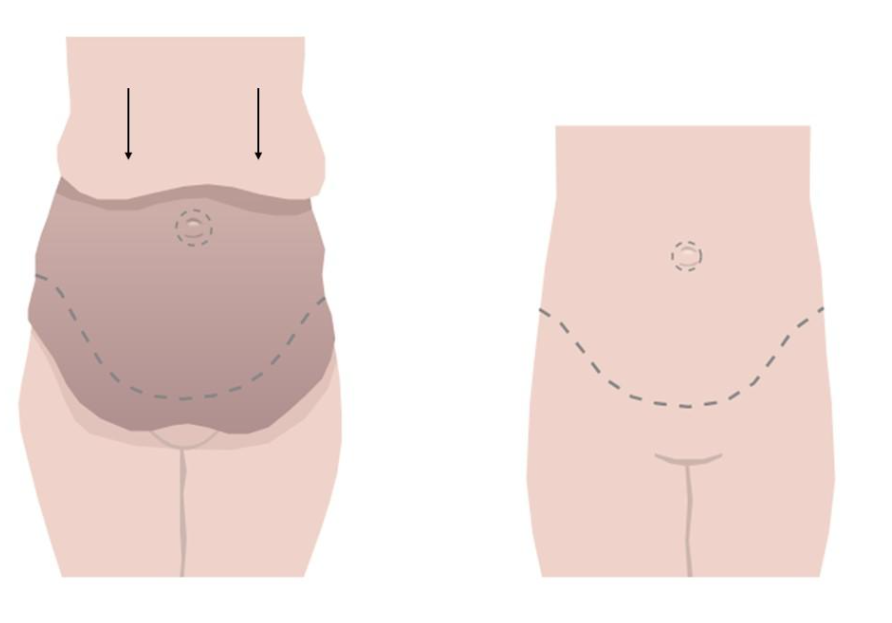
A body lift is a type of surgery that removes extra skin and fat from your waist, hips, thighs and bottom. It is different from a tuck, which only fixes the front of your stomach. A lower body lift goes all the way around your body.
Imagine your skin like a big belt that is too loose. A lower body lift will tighten that belt. The doctor will make a cut around your body. Then lift the skin and fat to remove the extra.
This surgery is very good at fixing the problem of skin hanging down. As we get older or lose weight gravity pulls our skin down. A lower body lift will lift your thighs. Bottom up making your shape look smoother and younger.
The Anatomy of Weight Loss and Extra Skin
To understand why a lower body lift is necessary you need to know how skin works. Skin has two layers: the outer layer and the inner layer. The inner layer has fibers that give skin its strength and flexibility.
When you gain a lot of weight your skin gets stretched out. The fibers in the layer can get damaged. When you lose weight quickly your skin does not go back to its shape.
It is like a balloon that has been blown up for a time. When you let the air out the balloon is. Loose. Human skin is like that too. A lower body lift will not just fix the skin. Also the layers underneath.
What Makes You a Good Candidate for a Lower Body Lift ?
Not everyone who wants to change their body shape can have this surgery. You need to be in health and committed to recovering from the surgery. Here are some things that make you a good candidate:
- You have lost a lot of weight like 50 to 100 pounds or more. Your weight is stable.
- You have skin on your stomach, bottom and thighs.
- You are in health.
- You do not smoke.
- You have expectations about what the surgery can do.
Preparations for the Surgery
Once you decide to have the surgery you need to get ready. This is a time to make sure your body can heal well.
You will have a consultation with the doctor, where they will look at your skin and talk to you about your goals. You will also get blood tests to make sure you are healthy enough for the surgery.
You may need to stop taking some medicines and start eating a diet.
The Procedure: Step by Step
A body lift is a complex surgery that takes 4 to 7 hours. You will be asleep during the surgery.
Here is what happens:
- The doctor will give you anesthesia. Position you on the table.
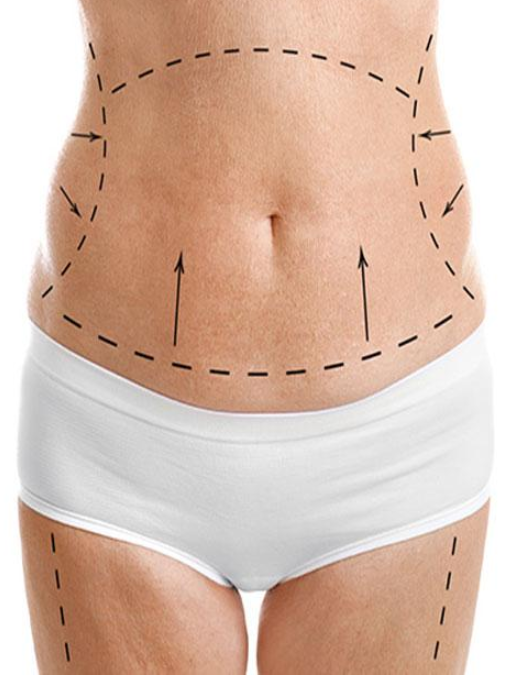
- They will make a cut around your body.
- They will lift the skin and fat. Remove the extra.
- They will fix any muscles that are separated.
- They will close the cut. Put in drains to remove extra fluid.
Recovery: What to Expect ?
Recovering from a body lift is not easy. It is harder, than recovering from types of surgery because it involves a bigger area of your body.
You may need to stay in the hospital but sometimes you can go home the same day.
For the two weeks you will need to rest and take care of your body. You will have drains to remove fluid and you will need to follow the doctors instructions to heal well.
This is the part of getting better after surgery. You will be sore and swollen. Have bruises. For the week you will probably walk bent over like you are shrinking to help your stomach feel better. You will not be able to stand up until your skin heals.
The doctor will give you medicine to help with the pain. You will also have to wear a tight garment all the time except when you are taking a shower to help your skin and muscles heal. This garment helps to reduce swelling and makes your skin stick to the muscles underneath.
You will have to take care of the drains every day. You have to measure how much fluid comes out and empty the drains. The doctor will remove the drains when the fluid stops coming out which can take one to three weeks.
Weeks 3 to 6 :
After three or four weeks most people can go back to work. They still get tired easily. You should start standing up again. You still have to wear the garment to help your body heal.
You should walk a bit every day to prevent blood clots but you should not lift heavy things or exercise too much because it can hurt your stomach.
Months 2 to 6 :
After two months you can start doing things again like exercising. The swelling will go down. You will see the results of the surgery. The scars will be red and thick at first. They will get better over time.
Risks and Complications
Surgery can be risky. Even though bad things do not happen often you should know about them so you can catch them early.
Sometimes fluid can collect under the skin, which is called a seroma or blood can collect, which is called a hematoma. If this happens the doctor may have to drain it with a needle.
You can also get an infection, which's when the cut gets red and swollen and has pus. The doctor will give you medicine to prevent this. If you get an infection you have to go to the doctor right away.
Sometimes the skin can open up again which is called wound separation. This can happen when the skin is stretched tight. It usually heals by itself. It can take longer to get better.
You will have scars, which's a trade-off for looking better. The scars will go around your body. They will be permanent but they will get better over time.
Your body may not be perfectly symmetrical which means one side may be a little different from the side.
The Reality of Scarring
Scars are a part of surgery. A lower body lift will leave a scar around your body.
The scar in the front will be low where your bikini would be and the scar in the back will be a little higher. The scar will get better over time. It will always be there.
The doctor will try to hide the scars much as possible and you can use special creams to help them heal.
The Results and Long-Term Outlook
You will see the results of the surgery away but you will not see the full results until the swelling goes down. After three to six months you will see the results and you will look better. Your stomach will be flat your waist will be smaller your buttocks will be lifted and your thighs will be smoother.
Most people feel much better, after surgery not just because they look better. Also because they can move around more easily and exercise without any problems.
The results will last a time if you do not gain too much weight. If you gain weight it can stretch your skin again. Make the results go away. Even if you take care of yourself your body will still get older and gravity will still pull it down.
Conclusion
The journey after losing a lot of weight is very personal. Can be complicated. When you reach a weight that is a big achievement. The loose skin that is left behind can make you feel like you are still stuck in the past. A lower body lift is a way to get rid of that loose skin and it allows people to finally see the body they worked so hard to get.
It is a surgery that requires a lot of respect, preparation and patience. You have to be willing to trade the skin for scars and you have to be willing to go through some discomfort for a while in order to have a more comfortable and confident life for a long time. For the person. Someone who is healthy stable and has realistic expectations. A lower body lift is not just about looking good it is about finishing the process of getting healthy and taking back control of your life.
If you are thinking about getting a body lift the most important thing you can do is talk to a plastic surgeon who is certified by a board and who specializes in helping people who have lost a lot of weight. They can help you understand your body and figure out if a lower body lift is right for you.
Frequently Asked Questions (FAQs)
1. How is a lower body lift different from a tuck?
A tummy tuck only fixes the front of your stomach. It removes skin. Tightens muscles in the front of your stomach. A lower body lift is a procedure that fixes the front and the back of your body. It lifts your buttocks, hips and outer thighs. It also tightens your stomach. It is like getting a tuck, a buttock lift and an outer thigh lift all at the same time.
2. Will I lose weight if I get a body lift?
When you get a body lift the surgeon removes some extra skin and fat but the main goal is to make your body look better not to help you lose weight. You might lose a pounds but it will not be a lot. Sometimes the surgeon removes 5-10 pounds of tissue. You will not fit into smaller clothes just because of the surgery. In fact after the surgery you might weigh more than you did before because of swelling. The way you look will be like you lost 2-3 sizes.
3. How long do I have to wear the garment?
Most surgeons want you to wear the garment all the time except when you are taking a shower for 4 to 6 weeks. After that you can wear it at night for a few more weeks. The garment is very important because it helps reduce swelling it helps your incisions heal. It helps your skin fit snugly to your new body shape.
4. Can I get a body lift and other procedures at the same time?
Yes a lot of people get a body lift and other procedures like an arm lift, a breast lift or liposuction at the same time. Safety is the most important thing. If you get many procedures at the same time it can be risky and it can take you longer to recover. Your surgeon will decide what is safe for you.
5. Will my insurance pay for a body lift?
Most insurance companies do not pay for a body lift because they consider it a cosmetic procedure. Sometimes if the extra skin is causing you health problems, like infections or trouble moving around the insurance company might pay for part of the procedure. You have to get permission from the insurance company but they often say no.
References
American Society of Plastic Surgeons. (2023). Body Contouring After Massive Weight Loss.
American Board of Cosmetic Surgery. (2023). Lower Body Lift Guide.
The Aesthetic Society. (2024). Statistics: Body Contouring.
Aly, A. S., & Cram A. E. (2020). Body Contouring Surgery After Massive Weight Loss. Springer.
Rohrich, R. J., et al. (2019). "The importance of the fascial system, in body lift surgery.". Reconstructive Surgery, 144(3) 623e-632e.