Medical Tourism in India: Clinics & Costs 2026
India is not just a country; it is a continent-sized sensory explosion that defies easy definition. Stretching from the frozen summits of the Himalayas to the tropical greenery of Kerala, this vast nation offers a travel experience that is as diverse as it is profound.
India
Patient Trusted Destination
One of the most preferred destinations on CureMeAbroad, according to patients
Care provided by India
Internationally accredited healthcare facilities
Top 10% of Hospitals
Highly rated for quality, outcomes, and patient trust.
World-Class Infrastructure
Advanced technology, modern facilities, and strict hygiene standards.
Patient-First Services
Dedicated international patient support and care coordination.
 Estimates (actual prices may differ)
Cost of Surgeries at India
About India
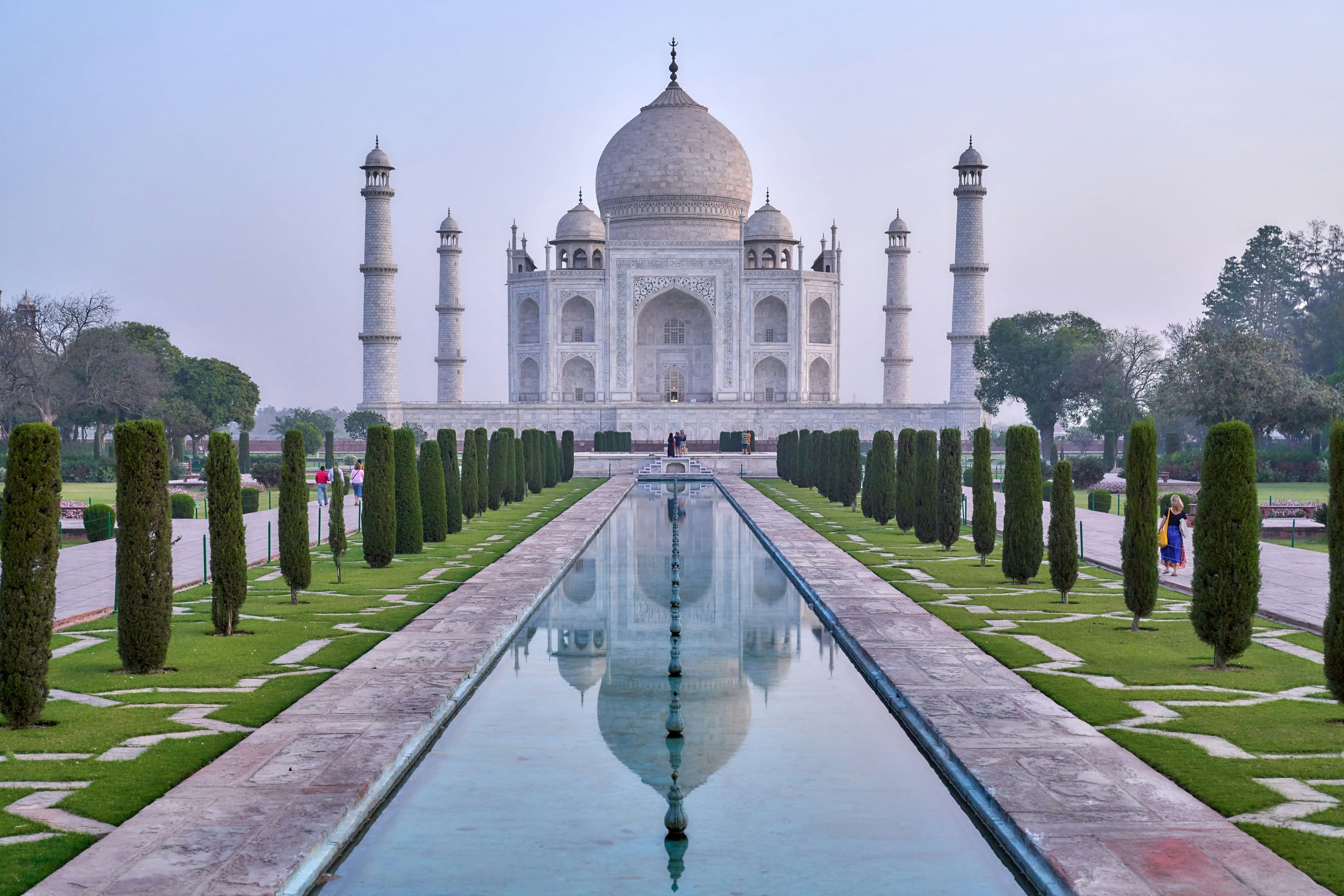
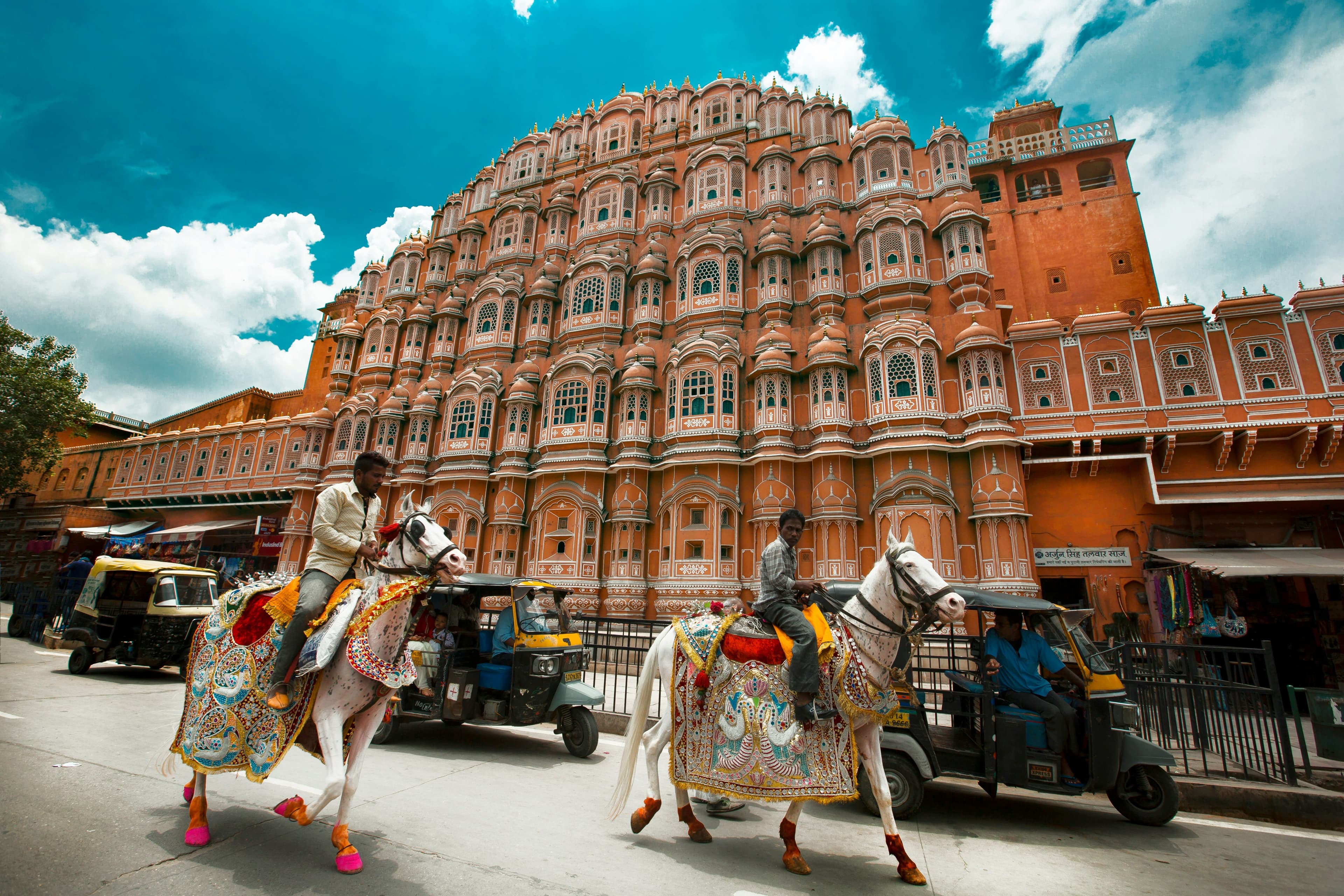
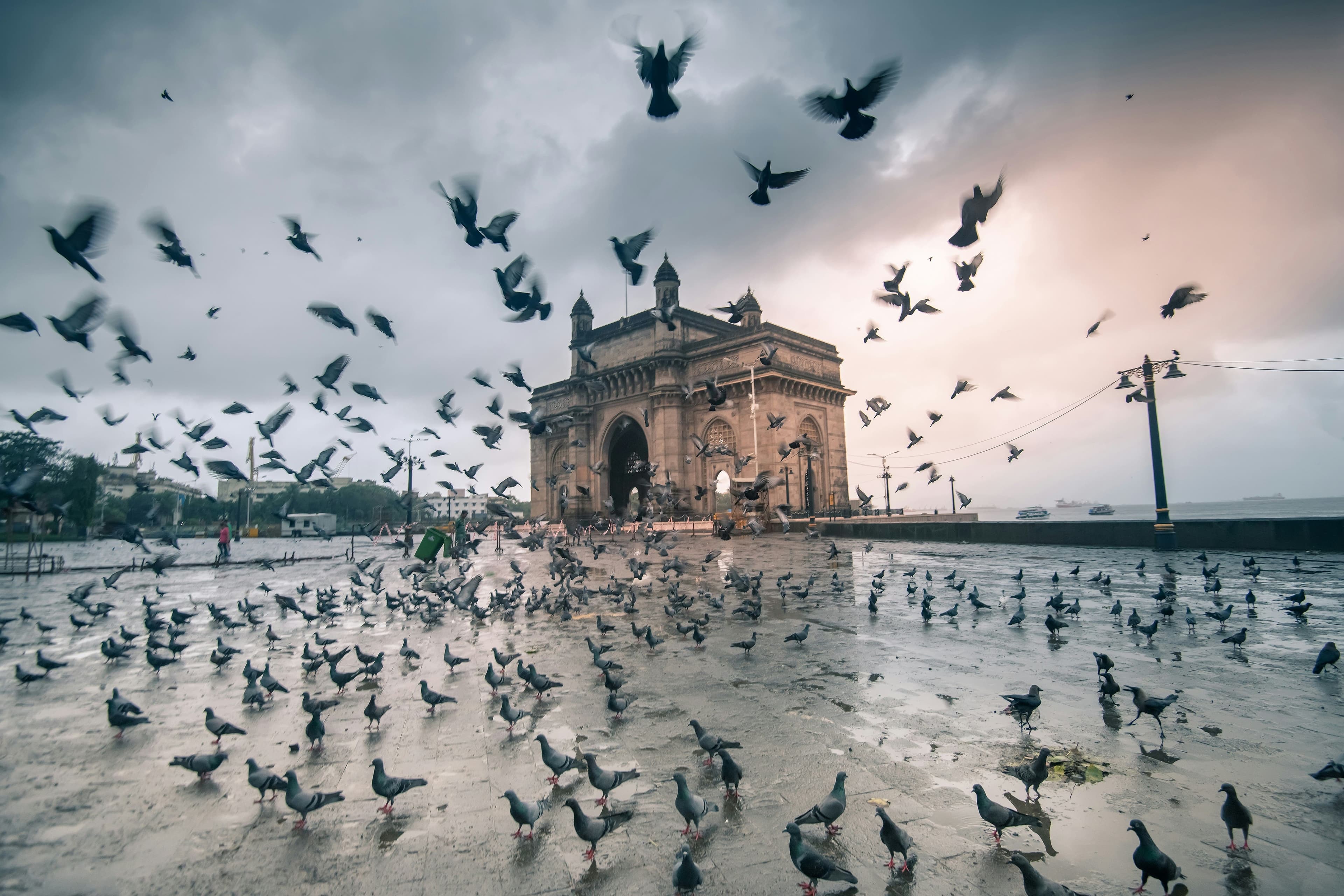
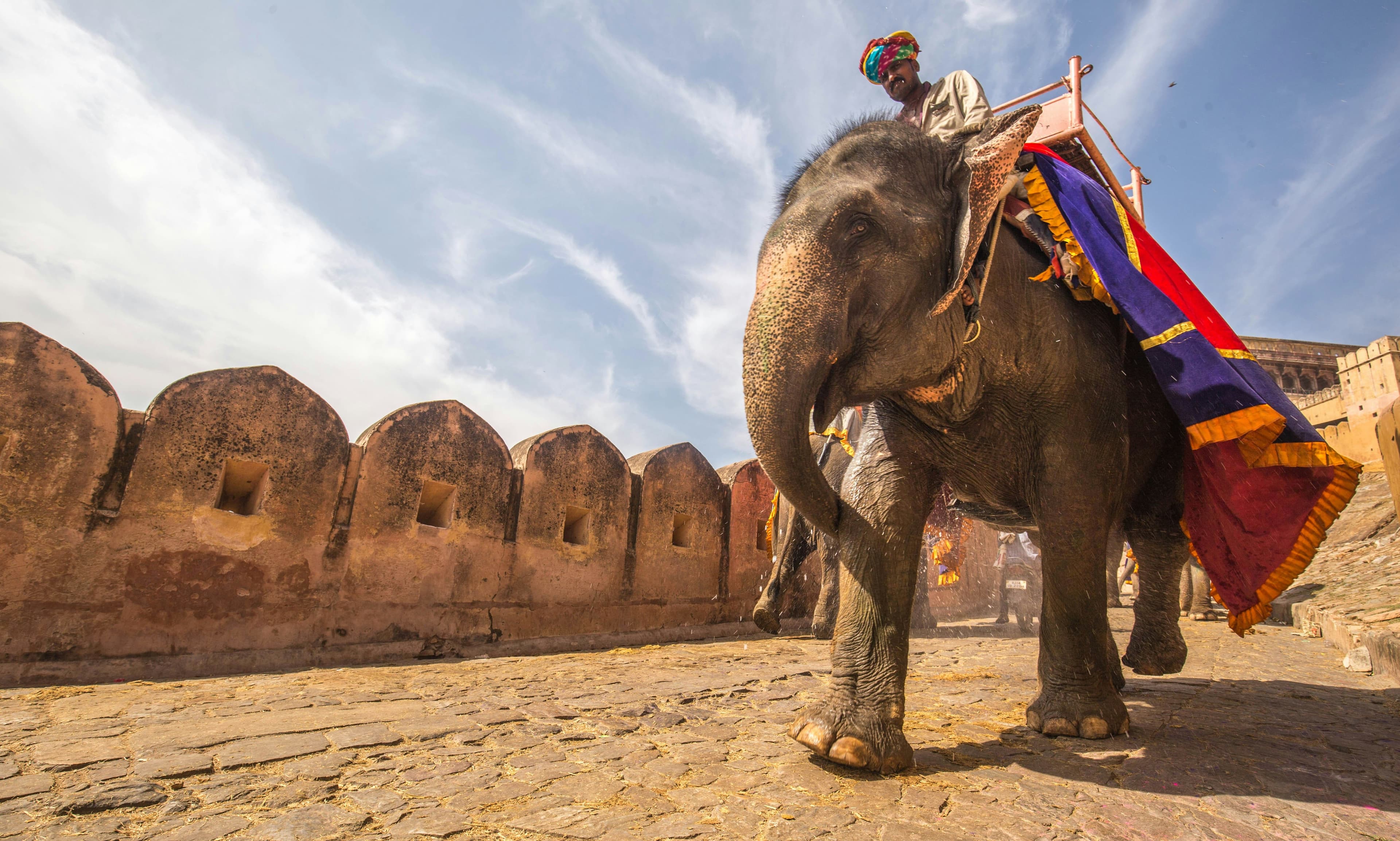
Travel to India can feel like visiting an entire continent. From the snow-capped peaks of the Himalayan mountains to the lush tropical rainforests of Kerala, India is a destination that provides endless opportunities for exploration. As one of the oldest civilizations on earth, India represents a place where history and tradition meet the present-day vibrancy of modern India. In addition to the many cultures and lifestyles that exist throughout the country, India also encompasses a wealth of historical sites and landmarks including ancient ruins, forts, and buildings constructed during the British colonization period. India is a place of energy and excitement. At times, one may find themselves lost in the chaos and spices of the old city of Delhi and at other moments, you will find yourself in serene tranquility along the sacred river of the Ganges. The landscape of India is vibrant and colorful, filled with images of bright colored saris, elephants covered in paint, and golden sunsets against a backdrop of desert dunes. A cacophony of sounds surrounds the traveler who visits India, from the ringing of the temple bells, to the call to prayer, to the constant honking of rickshaws, all provide a unique soundtrack to life in India. Culturally, India is a mosaic of different languages, religions and customs. This is because India is the birthplace of four of the world's major religions (Buddhism, Hinduism, Jainism and Sikhism), and the impact of these religions can be seen in the way people live their lives on a day-to-day basis. No matter what type of adventure you seek (spiritual, architectural, food related), India will deliver in abundance. From the palace complexes of the kingdom of Rajastan, to the streets of Goa which were influenced by the Portuguese, each region of India has its own distinct flavor. Visiting India is an opportunity to test your senses, broaden your perspective and see the raw, unfiltered nature of humans at large.
Medical Tourism in India: Complete 2026 Patient Guide
Medical tourism in India offers affordable, quality healthcare with experienced specialists, accredited hospitals, and significant savings on major treatments.
Learn More 14 min read
Hair Transplant Cost Abroad: Turkey vs India vs Mexico
Hair transplant costs abroad vary by country, clinic, and the number of grafts required. Comparing destinations like Turkey, India, and Mexico can help patients find experienced surgeons, quality care, and affordable treatment without compromising results
Learn More 30 min read
Tummy Tuck Surgery Cost: India vs Turkey vs Thailand
A comparison of tummy tuck surgery costs in India, Turkey, and Thailand versus the US, covering procedure types, package inclusions, recovery, risks, and how to choose the right destination.
Learn More 31 min read
Rhinoplasty Cost by Country: India, Turkey, Thailand, Mexico (2026 Guide)
A 2026 guide comparing rhinoplasty costs across India, Turkey, Thailand, and Mexico, covering surgeons, recovery, risks, package inclusions, and how to choose the right hospital abroad.
Learn More

CureMeAbroadIs Absolutely Free
Just discovery so you can choose what's right for you!


World's No. 1 Medical Discovery Platform
Explore the Most Popular and Delicious Dishes
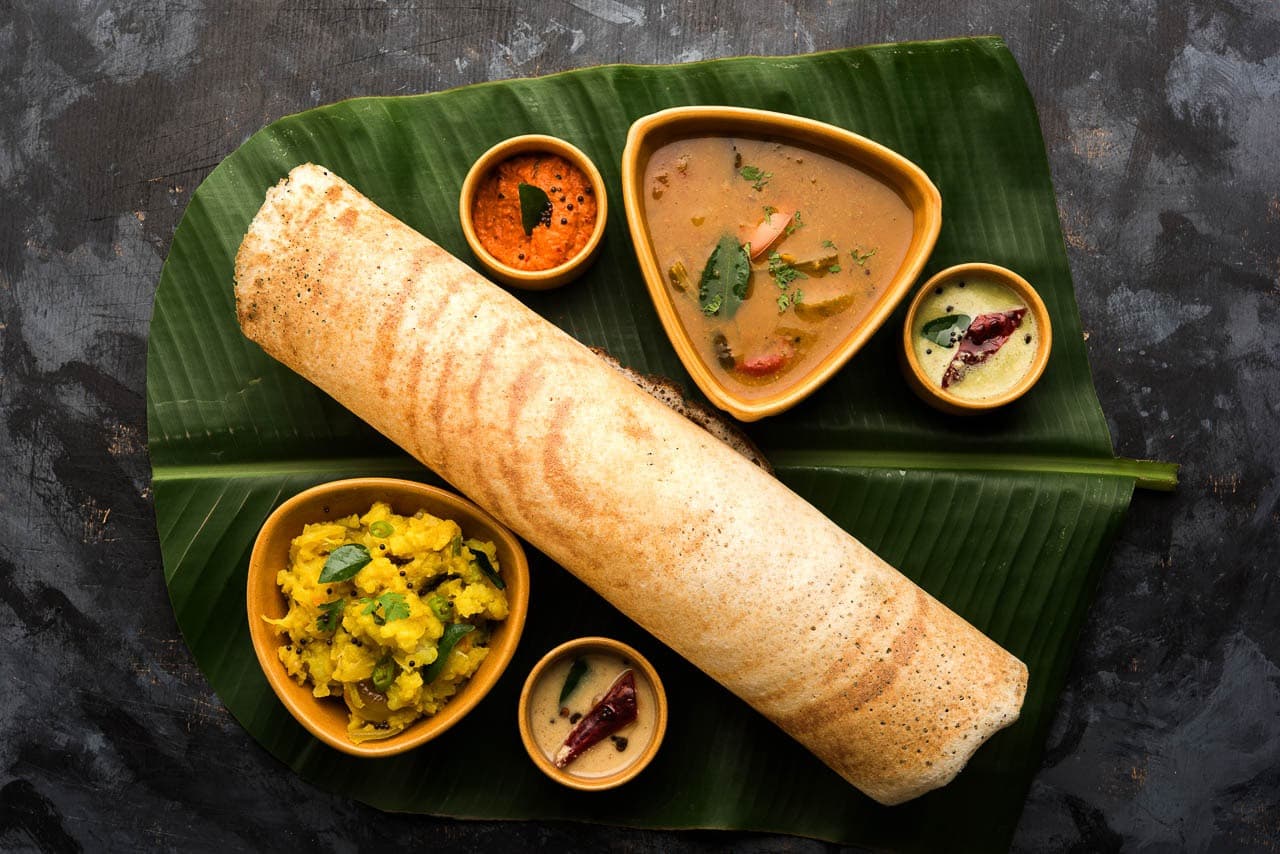
Masala Dosa
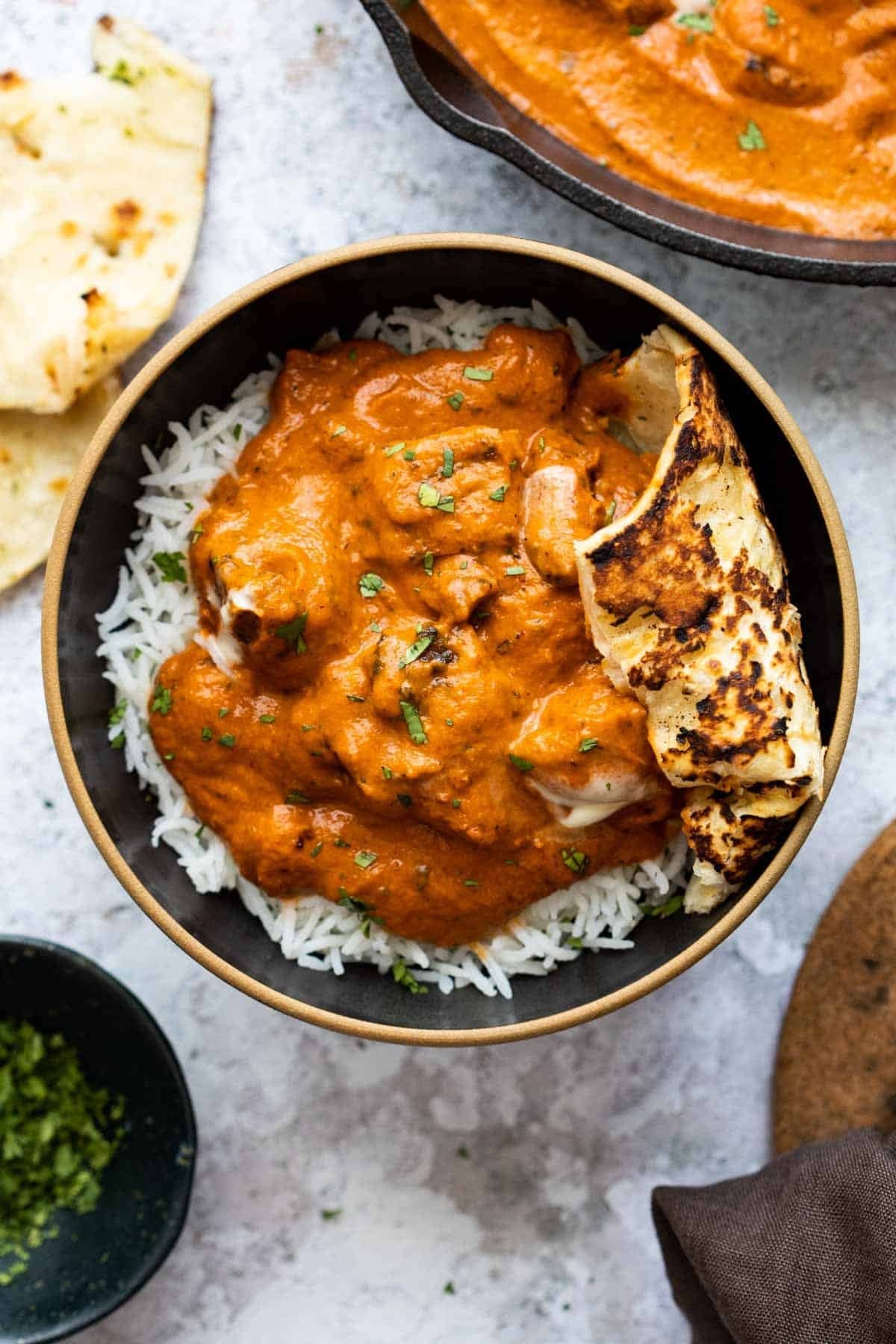
Butter Chicken (Murgh Makhani)
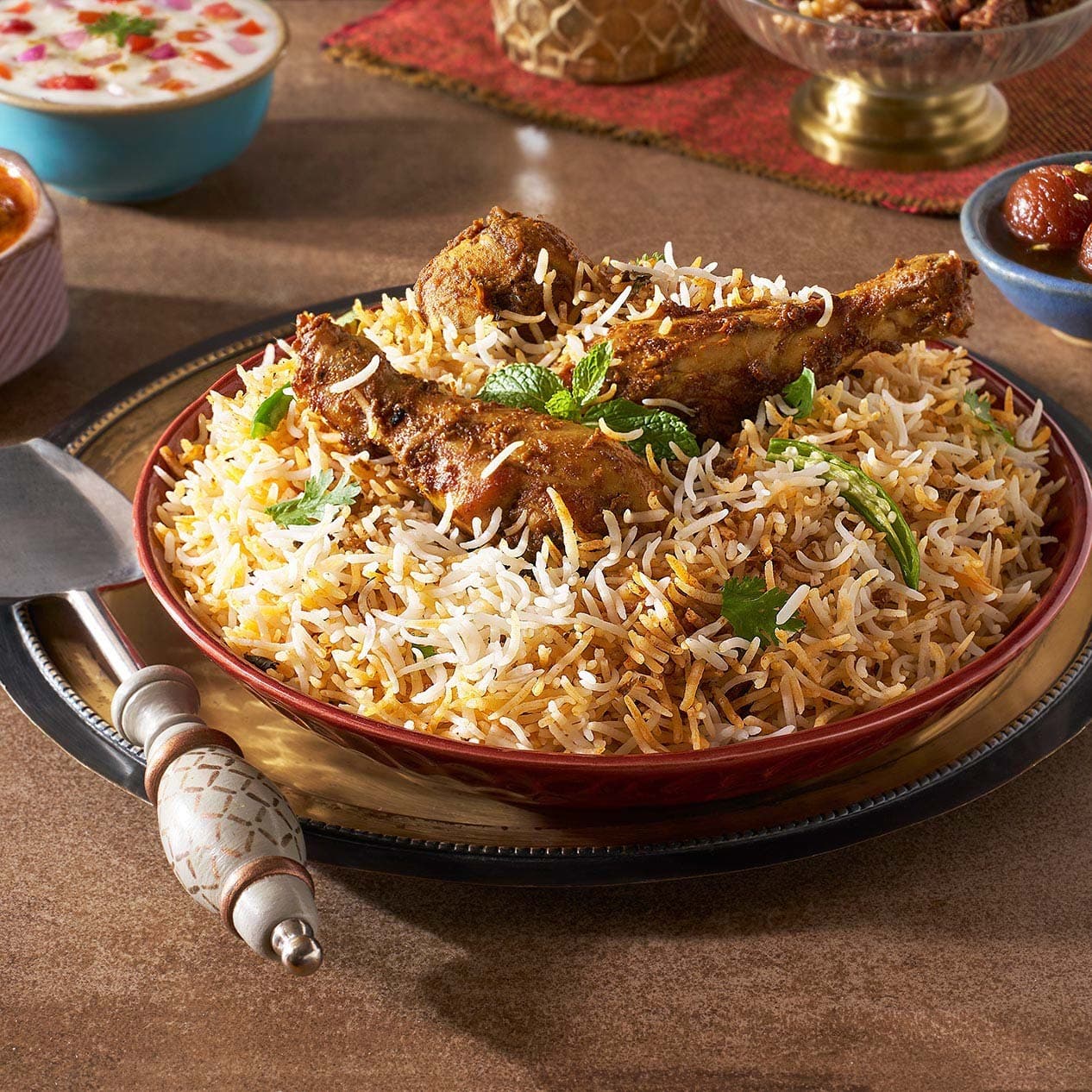
Hyderabadi Biryani
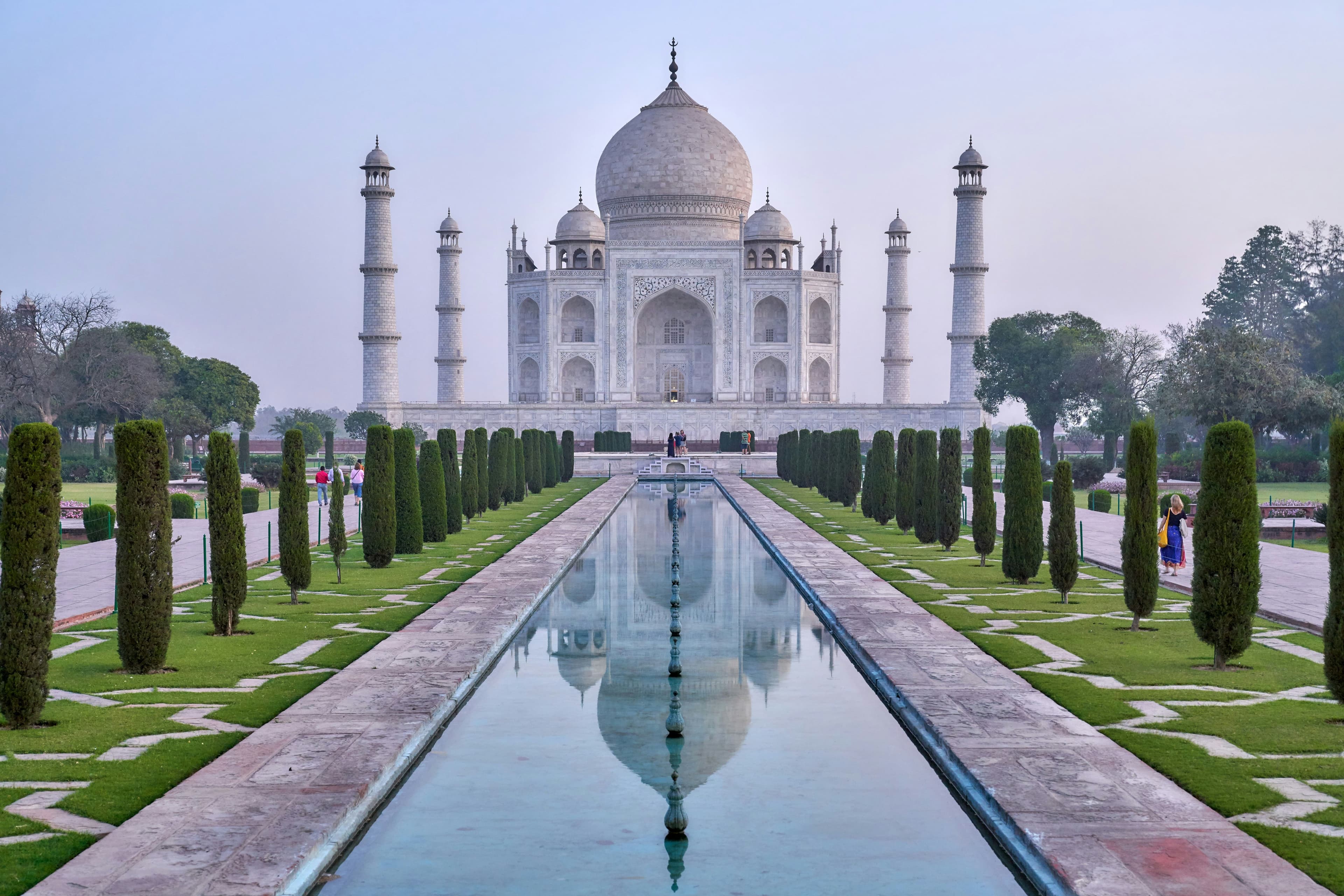
India
es. Most travelers can apply for an e-Tourist Visa (eVisa) online, which is typically processed in 3 business days. Be sure to carry a printed copy of your approved authorization to present at immigration.
India
No. You should strictly drink bottled or filtered water. For the first few days, it is also recommended to use bottled water for brushing your teeth and to avoid ice in drinks.
India
Trains are the most iconic and efficient way to see India; for long distances, Vande Bharat and 1AC/2AC classes are highly recommended. For city travel, app-based services like Uber and Ola are the most reliable and transparent options.
Do I need a visa to visit India?
27 February 2026
India
es. Most travelers can apply for an e-Tourist Visa (eVisa) online, which is typically processed in 3 business days. Be sure to carry a printed copy of your approved authorization to present at immigration.
Which You Wanted To See
Topic Related