


Looking in the mirror can be really tough for a lot of men. They see they have breast tissue and it makes them feel bad. This is called gynecomastia. It is very common. 30% To 60% of men get it at some point in their lives. It can happen when you are a baby when you are a teenager or when you are older. It can make you feel embarrassed anxious. You might not want to be around other people.
Some men have to get gynecomastia surgery. You do not have to start with surgery. If your gynecomastia is not too bad or if you just got it you can try to manage it without surgery. You can do this by changing what you eat exercising and changing some things about your life. This can help you feel better and look better. If these methods do not provide the desired results, understanding the gynecomastia surgery cost can help you plan for treatment and make an informed decision when surgery becomes necessary.
Gynecomastia self-care is about taking care of your body. You can do things to help your body not make much breast tissue. You can also do things to reduce the fat around your chest. This can make your chest look better.
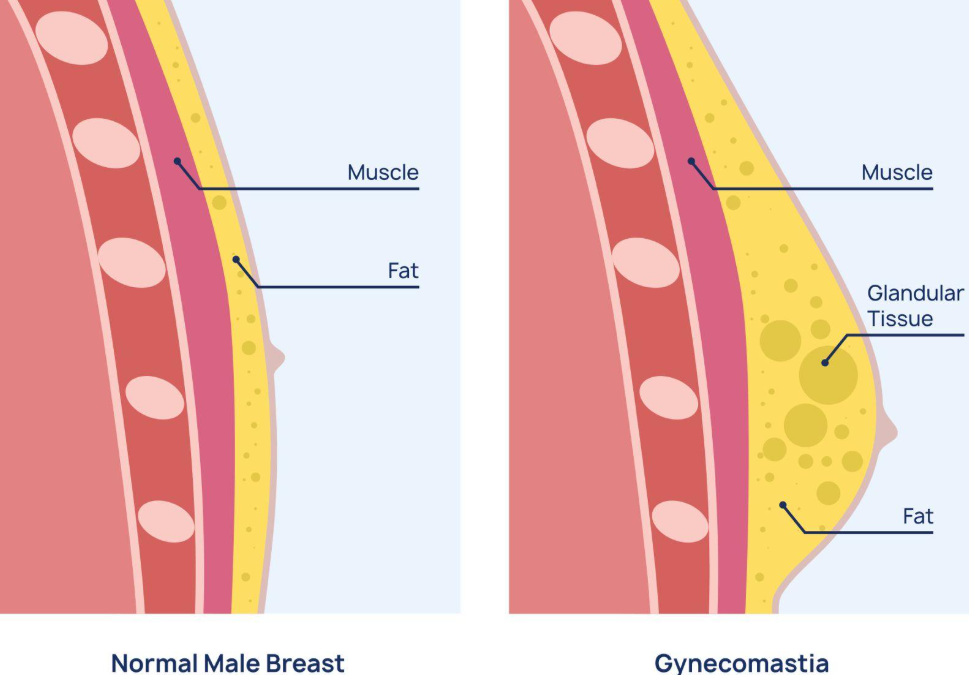
Understanding the Condition: True Gynecomastia vs. Pseudogynecomastia
First, you need to understand what gynecomastia is ? There are two kinds of gynecomastia. One is called gynecomastia. This is when you have much breast tissue. The other is called pseudogynecomastia. This is when you have much fat around your chest.
- True Gynecomastia: This is when you have much breast tissue. It is usually because your hormones are out of balance.
- Pseudogynecomastia: This is when you have much fat around your chest. It is like having fat anywhere else on your body.
- Mixed Gynecomastia: Some men have both much breast tissue and too much fat around their chest.
It is good to know what kind of gynecomastia you have. If you have pseudogynecomastia you can try to lose weight and exercise to make it better. If you have gynecomastia you might need to try some other things.
Gynecomastia self-care is not a fix. It is about making your body healthy so it does not make much breast tissue. You can do this by eating exercising and reducing stress.
You need to be patient and consistent. It takes time to see results.
Some things you can do to help your gynecomastia
Pillar 1: Dietary Adjustments to Rebalance Hormones
First you need to eat. What you eat can affect your hormones. Some foods can make your body make much estrogen. Estrogen is a hormone that can make your breast tissue grow:
- Do not eat much sugar. Sugar is bad for your hormones. It can make your body make much insulin. Insulin can make your body store fat.
- Do not drink much alcohol. Alcohol is bad for your liver. Your liver helps get rid of estrogen. If you drink much alcohol your liver might not be able to get rid of estrogen as well.
- Eat foods that're good for your hormones. Foods like zinc, vitamin D and healthy fats are good for your hormones.
- Some foods have phytoestrogens. Phytoestrogens are like estrogen. They can make your body think it has much estrogen. Some men try to avoid these foods.
- Eat vegetables like broccoli and cauliflower. They have things in them that can help your body get rid of estrogen.
Pillar 2: Strategic Exercise and Physical Conditioning
Next you need to exercise. Exercise can help you lose fat and build muscle:
- Do cardio exercises. Cardio exercises can help you lose fat. You can do things like walking, cycling or swimming.
- Do exercises that build your chest muscles. This can make your chest look better. You can do things like incline dumbbell presses and low to cable crossovers.
- Do not do exercises that make your lower chest muscles too big. This can make your chest look worse.
- Do exercises that help your back and shoulders. This can help you have posture. Better posture can make your chest look better.
Pillar 3: Lifestyle Modifications and Environmental Factors
Gynecomastia self-care extends far beyond the gym and the kitchen. Your daily habits and the environment you live in have a profound impact on your endocrine system.
- Sleep well. Sleep is important for your hormones. If you do not sleep well your body might not make testosterone. Testosterone is a hormone that can help your body not make much breast tissue.
- Reduce stress. Stress is bad for your hormones. It can make your body make much cortisol. Cortisol is a hormone that can make your body store fat.
- Avoid things that can disrupt your hormones. Some things, like plastics and chemicals can disrupt your hormones. Try to avoid them.
We are surrounded by chemicals that mimic estrogen in our body. These chemicals are called xenoestrogens. Xenoestrogens are bad for men because they cause imbalances. To stay safe we need to minimize our exposure to xenoestrogens. Here are some ways to do that:
Stop using plastic: Do not heat food in containers or drink from plastic water bottles that have been left in a hot car. Instead use glass or stainless steel. Plastics have chemicals like BPA and phthalates which are powerful xenoestrogens.
Choose food when possible: Pesticides and herbicides used in conventional farming often have estrogenic compounds.
Check your personal care products: Parabens, found in shampoos, lotions and deodorants are known to disrupt hormones. Look for paraben- alternatives.
Pillar 4: Some common medications
You should also review your medications. Some common medications can cause gynecomastia as a side effect. If you developed gynecomastia after starting a drug do not stop taking it but consult your doctor. Some medications that can cause gynecomastia include:
ulcer medications like cimetidine
Certain Antidepressants
Cardiovascular drugs like spironolactone and calcium channel blockers
Anabolic steroids, which can shut down natural testosterone production and lead to an estrogen rebound when stopped
Pillar 5: Herbal and Supplemental Support
Now let's talk about herbal and supplemental support. While supplements should never replace diet and exercise they can provide a boost to your gynecomastia self-care routine. Always consult with a healthcare before starting any new supplements especially if you have underlying health conditions or take prescription medications. Some helpful supplements include:
- Diindolylmethane (DIM): DIM is a compound derived from vegetables. Taking it in supplement form provides a dose that helps the liver process and excrete excess estrogen safely.
- Zinc Picolinate: If you are deficient in zinc supplementing with 15mg to 30mg daily can rapidly help restore testosterone levels and inhibit the aromatase enzyme.
- Turmeric (Curcumin): Gynecomastia often involves inflammation of the breast tissue. Curcumin, the ingredient in turmeric is a potent anti-inflammatory.
- Ashwagandha: Ashwagandha is a herb that has been shown to significantly lower cortisol levels and boost testosterone in men who are stressed.
- Omega-3 Fatty Acids: If you aren't eating fatty fish regularly a high-quality Omega-3 supplement is essential. Omega-3s improve insulin sensitivity reduce inflammation and support brain health.
Be careful when buying supplements. The internet is flooded with supplements marketed specifically as "Gynecomastia cures." Many of these are blends of the herbs mentioned above and some contain hidden unlisted ingredients. Stick to ingredient third-party tested supplements from reputable brands.
Pillar 5: Practical Management - Clothing and Posture
Now let's talk about management. Clothing and posture. While you work on the aspects of gynecomastia self-care you also need to manage the external appearance to keep your confidence intact.
- Compression Shirts: Gynecomastia compression garments are not a cure. They are an incredible tool for mental health. These shirts are made of spandex and nylon blends designed to flatten the chest
- Strategic Clothing Choices: Until you reduce the appearance of your chest avoid silk or thin clingy fabrics that drape over the chest. Instead opt for fabrics like heavy cotton or denim shirts that hold their shape.
- Posture Awareness: Pulling your shoulders back and down and keeping your chest lifted changes the landscape of your torso. Slouching creates a "caved-in" look that pushes breast tissue forward.
When to see a doctor?
While gynecomastia self-care is highly effective for loss, hormone optimization and symptom management, there are clear red flags that require immediate medical evaluation. You must see a doctor if:
The lump is hard, fixed or unilateral
There is discharge
The onset is sudden and painful in a man
You are experiencing symptoms like hair loss, severe fatigue, loss of libido or shrinking testicles alongside breast growth
A doctor will usually perform a physical exam order blood tests and possibly do a mammogram or ultrasound to confirm that the tissue is benign glandular growth and nothing more sinister. If it is confirmed as gynecomastia and you have dedicated 6 to 12 months to strict gynecomastia self-care without seeing a reduction in the glandular tissue your doctor may discuss surgical options.
Conclusion
Gynecomastia can feel like an isolating and insurmountable obstacle, but it doesn't have to be a permanent source of insecurity. While surgical removal remains the only way to physically excise dense glandular tissue, a vast majority of men can achieve profound improvements through dedicated, non-surgical methods.
By understanding the difference between fat and glandular tissue, you can tailor your approach. Through strategic dietary changes that eliminate estrogenic foods and support testosterone, combined with intelligent exercise that burns fat and builds an aesthetic upper chest, you can dramatically alter your physique. When you add lifestyle optimizations like sleep, stress reduction, and the avoidance of environmental xenoestrogens, you create a bodily environment where gynecomastia struggles to thrive.
Gynecomastia self-care is a holistic, empowering journey. It requires patience, consistency, and a willingness to look at your daily habits through a new, health-focused lens. Whether your goal is to completely eradicate the appearance of enlarged breasts or simply to improve your chest contour to a point where you feel comfortable in your own skin, the non-surgical options outlined in this guide provide a scientifically backed, highly effective roadmap to reclaiming your masculine physique and your confidence.
Frequently Asked Questions (FAQs)
1. Can gynecomastia go away on its own without any treatment?
Yes, in certain cases. Gynecomastia is very common during puberty (affecting up to 60% of teenage boys) due to natural hormonal fluctuations. In about 90% of these pubertal cases, the condition resolves completely on its own within 6 months to 2 years without any treatment. It can also resolve on its own if it was caused by a temporary medication, once that medication is stopped. However, gynecomastia that persists past puberty or develops in adulthood rarely goes away without lifestyle changes or medical intervention.
2. How long does it take to see results from non-surgical gynecomastia self-care?
Results are not immediate. Because you are relying on fat loss and hormonal rebalancing, it typically takes a minimum of 3 to 4 months of consistent diet and exercise to notice visible changes in the chest area. For more dramatic transformations, especially in cases of pseudogynecomastia, a timeline of 6 to 12 months is a realistic expectation.
3. Will doing a lot of push-ups and bench presses get rid of gynecomastia?
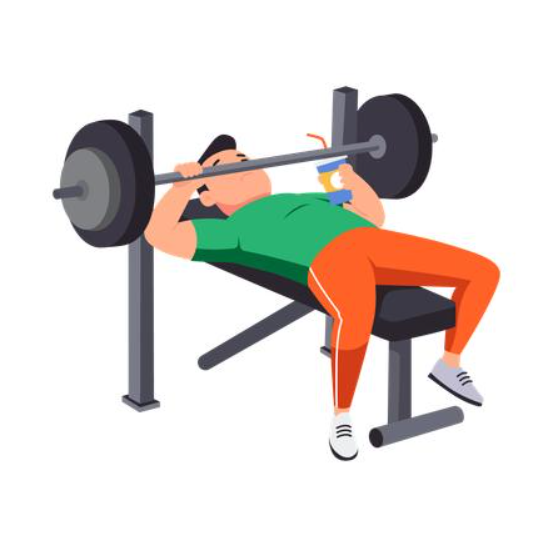
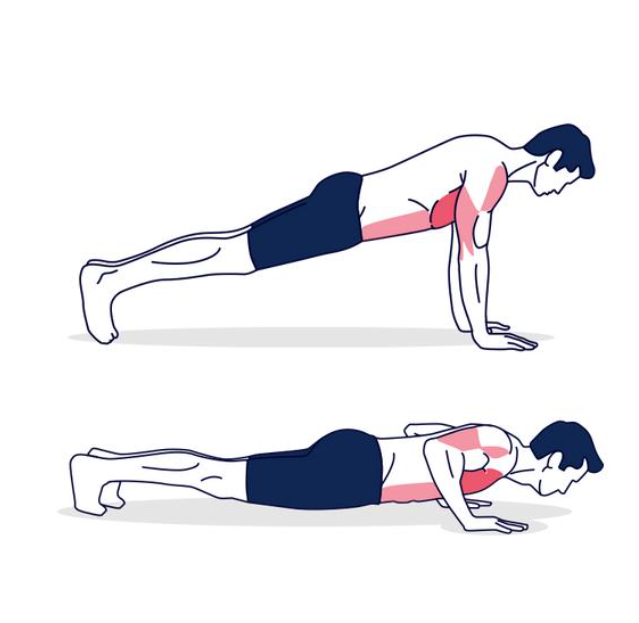
Not exactly. While push-ups and bench presses build the pectoral muscles underneath the tissue, they do not burn the fat covering the muscle (you cannot spot-reduce fat). If you have pseudogynecomastia (fat), you must lose overall body fat through a caloric deficit and cardio first. If you build a large chest muscle but still have a layer of fat or glandular tissue on top, it can actually push the tissue outward and make the chest look larger. Focus on overall fat loss and incline chest exercises to build the upper chest.
4. Are over-the-counter "gynecomastia pills" safe and effective?
Buyer beware. Most pills marketed online as "gyno cures" are just overpriced herbal blends (like DIM, zinc, and green tea extract) that you can buy much cheaper individually. While these herbs can help support healthy estrogen metabolism, they will not melt away solid glandular tissue as these companies often claim. Furthermore, the supplement industry is poorly regulated, and some of these pills may contain hidden, potentially dangerous ingredients. Always consult a doctor before taking any hormone-altering supplements.
5. How can I tell if I have true gynecomastia or just chest fat (pseudogynecomastia)?
The best way to differentiate is by feel. Lie flat on your back with your hands behind your head. Place your fingers flat against your chest, just behind the nipple and areola. Gently press in If you feel a firm, rubbery, distinct disc or lump (like a doughnut or a coin) directly under the nipple, that is glandular tissue (true gynecomastia). If there is no distinct lump, and the tissue feels soft, squishy, and evenly distributed across the whole chest (feeling like the fat on your stomach or thighs), it is likely pseudogynecomastia. Because it can be difficult to self-diagnose, it is highly recommended to have a physician perform a physical exam or an ultrasound to confirm.
References
American Society of Plastic Surgeons (ASPS). Gynecomastia Surgery. Retrieved from ASPS official patient resources. Provides statistical data on the prevalence of the condition and the differentiation between glandular and fatty tissue.
Mayo Clinic. Gynecomastia - Symptoms and Causes. Details the hormonal mechanisms of estrogen and testosterone imbalance, as well as common medication culprits.
Cleveland Clinic. Gynecomastia (Enlarged Male Breasts). Offers clinical guidelines on the difference between true gynecomastia, pseudogynecomastia, and the recommended timeline for observation versus intervention.
Leproult, R., & Van Cauter, E. (2011). Effect of 1 week of sleep restriction on testosterone levels in young healthy men. Journal of the American Medical Association (JAMA), 305(21), 2173-2174. Demonstrates the direct negative impact of sleep deprivation on male hormones.
Kumar, N., et al. (2010). Diindolylmethane: a novel antiandrogen and estrogen modulator in prostate cancer. (Used as reference for the mechanisms of DIM and cruciferous vegetables in estrogen metabolism).
Delpiano, L., et al. (2023). Gynecomastia: Pathophysiology, Evaluation, and Management. StatPearls [Internet]. A comprehensive, peer-reviewed medical overview of the condition, including non-surgical management strategies.