Cancer Treatment Abroad, Access World-Class Oncology at a Fraction of the Cost
Cancer treatment abroad gives patients an access to world-class oncology centers offering chemotherapy, immunotherapy, targeted therapy, radiation, and surgical oncology. Multidisciplinary tumor boards of oncologists, surgeons, and radiologists collaborate to design personalized treatment plans. Oncology care costs can be financially devastating in many countries. Advanced cancer treatments that cost $80,000 to $200,000 at home may be available for $15,000 to $50,000 abroad at JCI-accredited hospitals with equally qualified oncologists and the latest treatment technologies. International cancer centers provide comprehensive care including PET-CT imaging, genomic tumor profiling, and access to clinical trials not available locally. Dedicated oncology case managers guide patients through every step of their treatment journey. The oncologist's experience and the hospital's technology are the most important factors to consider to ensure authenticity. Always confirm your treating team includes board-certified oncologists and that the facility is accredited by a recognized international body. Adherence to your full treatment protocol, nutritional support, and psychological well-being during treatment all significantly influence outcomes.
Trusted & verified
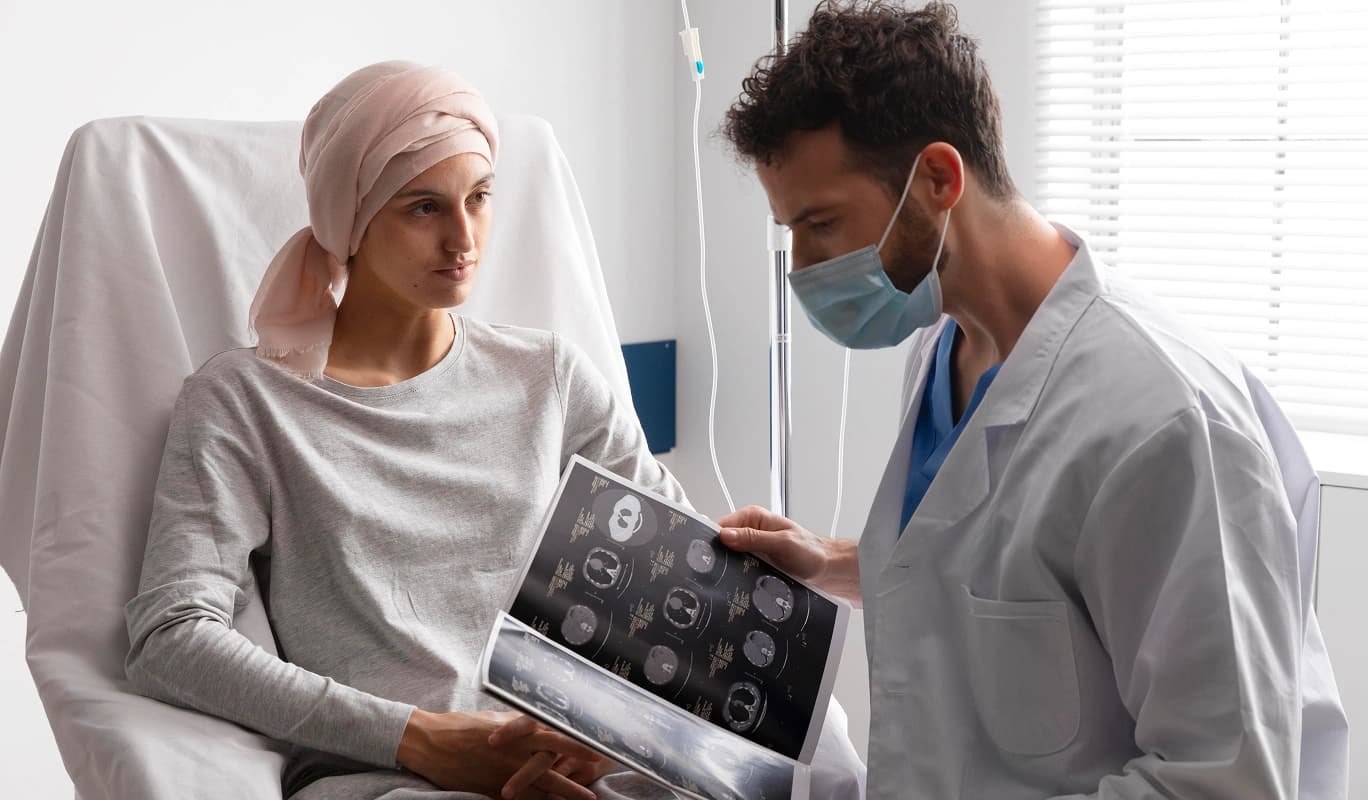
Cancer Treatment Abroad, Access World-Class Oncology at a Fraction of the Cost
Cancer treatment abroad gives patients an access to world-class oncology centers offering chemotherapy, immunotherapy, targeted therapy, radiation, and surgical oncology. Multidisciplinary tumor boards of oncologists, surgeons, and radiologists collaborate to design personalized treatment plans. Oncology care costs can be financially devastating in many countries. Advanced cancer treatments that cost $80,000 to $200,000 at home may be available for $15,000 to $50,000 abroad at JCI-accredited hospitals with equally qualified oncologists and the latest treatment technologies. International cancer centers provide comprehensive care including PET-CT imaging, genomic tumor profiling, and access to clinical trials not available locally. Dedicated oncology case managers guide patients through every step of their treatment journey. The oncologist's experience and the hospital's technology are the most important factors to consider to ensure authenticity. Always confirm your treating team includes board-certified oncologists and that the facility is accredited by a recognized international body. Adherence to your full treatment protocol, nutritional support, and psychological well-being during treatment all significantly influence outcomes.
Trusted & verified
Procedure Variety
Options include chemotherapy, immunotherapy, radiation, targeted therapy, and surgical oncology.
Treatment Goals
Achieve remission, control tumor growth, and improve quality of life with personalized protocols.
Popular Treatments
Immunotherapy, robotic oncology surgery, proton therapy, CyberKnife, and CAR-T cell therapy.
Safety Standards
Choose JCI-accredited hospitals with multidisciplinary tumor boards and certified oncologists.
Cancer Treatment
Patient Trusted Care
One of the most preferred treatments on CureMeAbroad, according to patients
Top 10% of Hospitals
Highly rated for quality, outcomes, and patient trust.
World-Class Infrastructure for your treatment
Advanced technology, modern facilities, and strict hygiene standards.
Patient-First Services
Dedicated international patient support and care coordination.
Overview
Cancer treatment abroad gives patients access to world-class oncology centers offering chemotherapy, immunotherapy, targeted therapy, radiation, and surgical oncology. Multidisciplinary tumor boards of oncologists, surgeons, and radiologists collaborate to design personalized treatment plans.
Oncology care costs can be financially devastating in many countries. Advanced cancer treatments that cost $80,000 to $200,000 at home may be available for $15,000 to $50,000 abroad at JCI-accredited hospitals with equally qualified oncologists and the latest treatment technologies.
International cancer centers provide comprehensive care including PET-CT imaging, genomic tumor profiling, and access to clinical trials not available locally. Dedicated oncology case managers guide patients through every step of their treatment journey.
The oncologist's experience and the hospital's technology are the most important factors. Confirm your treating team includes board-certified oncologists and that the facility is accredited by a recognized international body. Adherence to your full treatment protocol, nutritional support, and psychological well-being during treatment all significantly influence outcomes.
Affordable Care | Transparent Costs | Expert Guidance
Get best price with CureMeAbroad
in Cancer Treatment
Chemotherapy
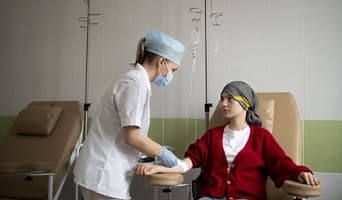
Chemotherapy uses drugs to disrupt how cancer cells divide and reproduce. Fast-dividing healthy cells are caught in the same process, producing side effects. When domestic waiting times run too long, local costs are unaffordable, or specific regimens are unavailable, patients look at chemotherapy abroad. Any cancer treatment hospital abroad being considered needs accreditation, physician qualifications, and post-treatment care arrangements independently confirmed before a decision is reached. Chemotherapy is given in structured cycles, each combining a treatment phase and a recovery period that allows normal tissues to repair before the next cycle. The oncologist determines the drugs, dosage, number of cycles, and route of administration based on biopsy results, cancer stage, scan findings, and the patient’s overall condition. Chemotherapy is often used alongside surgery, radiation therapy, immunotherapy, or targeted therapy, with the full treatment plan designed in sequence before starting. Hospital quality varies across countries, so accreditation, oncologist experience, and medical record transfer processes must be carefully verified before treatment. CureMeAbroad connects patients with accredited hospitals and specialists worldwide for chemotherapy abroad.

Biological Hormone Therapy
Opting for biological hormone therapy abroad provides access to specialized oncologists, advanced treatment methods, and cost-effective care in globally accredited hospitals. Patients benefit from personalized treatment strategies and continuous support through CureMeAbroad. Biological Hormone Therapy is used to treat hormone-sensitive cancers by blocking or lowering hormone levels in the body. It is commonly used for cancers such as breast and prostate cancer. This therapy helps slow or stop the growth of cancer cells and is often combined with other treatment approaches for better outcomes.
Radiation
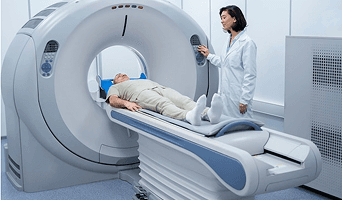
Choosing radiation therapy abroad allows patients to benefit from advanced technologies such as precision-targeted treatments, experienced specialists, and internationally accredited hospitals at lower costs. With CureMeAbroad, patients receive complete assistance, ensuring a seamless and comfortable treatment journey. Radiation therapy uses high-energy rays or particles to target and destroy cancer cells while minimizing damage to surrounding healthy tissues. It is commonly used to treat various types of cancer either alone or alongside other treatments, helping to shrink tumors and relieve symptoms.

TILs Therapy for NSCLC (Non-Small Cell Lung Cancer)
Choosing TILs therapy abroad allows patients to access cutting-edge immunotherapy treatments, expert oncology teams, and advanced research-based care at affordable costs. CureMeAbroad ensures full support, from consultation to post-treatment care, making the process seamless and patient-friendly. TILs (Tumor-Infiltrating Lymphocytes) Therapy is an advanced form of immunotherapy used to treat non-small cell lung cancer (NSCLC). It involves using a patient’s own immune cells to target and destroy cancer cells more effectively. This innovative treatment offers hope for patients who may not respond well to traditional therapies.
Bone Cancer
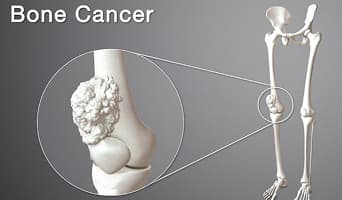
Bone cancer is one of those diagnoses where the treating hospital matters as much as the treatment itself. The surgery is technically specific, the pathology isn’t something a general lab handles well, and effective management pulls several specialties together into one plan. That combination is hard to find, and when it is found, it is often expensive. For patients on the wrong side of both problems, bone cancer treatment abroad has become a realistic and increasingly common option. When cells inside bone tissue turn malignant, the result is bone cancer. It shows up most in the long bones of the legs and arms, though any bone in the body can be involved. A cancer that starts within the bone is called primary bone cancer. One that arrives after spreading from somewhere else is secondary or metastatic bone disease. Osteosarcoma, Ewing sarcoma, and chondrosarcoma are the forms seen most in practice. No patient gets the same plan. The tumor type, the stage it was at when found, its location, and the patient's physical state all shape what treatment looks like. Surgery is typically the first line of treatment. Chemotherapy and radiation are added when the case warrants it. CureMeAbroad helps patients find accredited hospitals and bone cancer specialists for bone cancer treatment abroad.

Colorectal Cancer
Colorectal cancer sits in the lining of the colon or rectum and ranks among the most diagnosed cancers worldwide. Unaffordable treatment costs, lack of accessible oncology specialists, and long waiting lists are what bring many patients to consider colorectal cancer treatment abroad at hospitals with credible international standing. Colorectal cancer treatment is put together by a team that brings oncologists, surgeons, radiologists, and pathologists into the same clinical conversation. What gets recommended comes down to how far the cancer has progressed, how the tumor behaves, and what condition the patient is in at the time of review. The treatment options are surgery, chemotherapy, radiation, targeted therapy, and immunotherapy. Whether one or several are used depends on what the clinical findings show. Molecular testing and genetic profiling have become standard tools in many facilities for narrowing down which treatment fits a particular patient. Hospitals taking in international patients largely work within evidence-based frameworks built on protocols from recognized cancer institutions. Hospitals that receive patients seeking colorectal cancer treatment abroad broadly follow these same clinical standards. Through CureMeAbroad, patients can search and compare hospitals offering bowel cancer treatment abroad across different countries.

Breast Cancer
Breast cancer is one of the most diagnosed cancers in women globally. The treatment pathway is often long, covering surgery, chemotherapy, radiation, and years of follow-up. Patients from many countries now choose breast cancer treatment abroad because comparable care costs considerably less than at home. For many, it is a considered medical decision based on cost, access, and waiting times. Breast cancer begins when breast tissue cells multiply without stopping. Undetected, it reaches nearby lymph nodes and may spread further. One or both breasts can be involved. Treatment isn’t the same for every patient. Cancer stage, tumor type, hormone receptor findings, and overall health shape the plan. Surgery, chemotherapy, radiation, hormone therapy, and targeted therapy are the available options. Many patients go through more than one. Waiting lists at home may stretch too long. Domestic costs may be out of reach. The kind of specialist oncology units found in India, Turkey, Germany, Thailand, or South Korea aren’t available in every country. CureMeAbroad helps patients search and compare breast cancer treatment abroad options at hospitals worldwide.
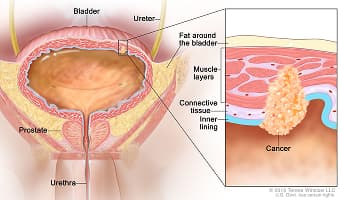
Bladder Cancer
Bladder cancer is seen in urological practice across every part of the world. Treatment costs, waiting times, and access to the right specialists aren’t the same from one country to another. For some patients, this has been a factor in deciding where bladder cancer treatment abroad becomes a practical consideration. It grows from cells that line the inside of the bladder. It turns up more often in men than in women, and the bulk of diagnoses happen in those past 55. Blood in the urine is what most patients report noticing first, though this finding is common to a number of urological conditions and doesn’t point specifically to bladder cancer. How the disease looks at diagnosis sets the treatment course. Cancer that hasn’t yet penetrated the bladder muscle is removed through a surgical instrument passed via the urethra. Once the cancer has gone into the muscle or beyond the bladder, the treatment response involves surgery, chemotherapy, radiation, or several of these together, depending on what clinical review shows. Patients exploring bladder cancer treatment abroad will find that CureMeAbroad lists hospitals across different countries with cost and facility information available in one place.

Brain Cancer
Several distinct tumor types fall under the category of brain cancer. Each has a different growth pattern, clinical behavior, and treatment requirement. Patients seek brain cancer treatment abroad when local waiting times are long, relevant specialists are unavailable, or domestic costs are beyond reach. Tumors that develop within brain tissue or its surrounding structures are primary. Those arriving through the bloodstream from a cancer elsewhere in the body are metastatic. Each is managed differently. Symptoms are shaped by tumor location. Headaches that don’t resolve, seizures appearing without prior history, sudden word-finding difficulty, memory deterioration, and limb weakness on one side of the body are the presentations most frequently seen. Onset can be gradual or sudden. A biopsy is the only way to confirm tumor type and grade. Imaging shows size and location but can’t classify the tumor. Once biopsy results are available, treatment is planned. Surgery, radiotherapy, and chemotherapy are the standard treatment methods. Which are used and how they are ordered are decided on a case-by-case basis. Patients researching brain cancer treatment abroad can find verified hospitals and specialist centers across multiple countries on CureMeAbroad.

Lymphoma
Not every lymphoma is treated in the same way because the condition can vary from one person to another. For this treatment lymphoma chemotherapy, immunotherapy, radiation therapy or CAR-T cell therapy may be used. Many people may continue to do well after treatment when the condition is found and treated early. Lymphoma treatment is used to destroy or control cancer that develops in the lymphatic system. By using treatments such as lymphoma chemotherapy, immunotherapy, radiation therapy along with CAR-T cell therapy the cancer may be controlled depending on the lymphoma type and overall health condition. For some people lymphoma chemotherapy may be one of the main treatment options. In some cases immunotherapy may also be used to help the body identify and attack cancer cells more effectively. For certain aggressive or recurring lymphomas CAR-T cell therapy may also be considered as part of treatment. Then many patients may begin treatment after scans, blood tests and a biopsy confirm the lymphoma type. Treatment is often given over several months and may involve multiple treatment cycles depending on the response. Before treatment doctors usually check the lymphoma type and overall health. Then they also check how far the cancer has spread. After treatment regular follow-up visits and scans may be needed to monitor recovery and check for any changes. Through CureMeAbroad people can explore lymphoma treatment abroad options and compare hospitals along with lymphoma hospital cost information before making a treatment decision.
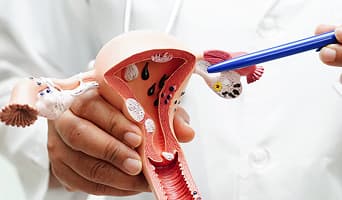
Cervical Cancer
Cervical cancer caught early sits among the more treatable cancers. India and Thailand are two countries with hospitals performing surgery, radiation, and chemotherapy at a fraction of Western prices. Patients exploring cervical cancer treatment abroad now routinely find quality care options that are both accessible and considerably more affordable. The cervix is the lower section of the uterus. It opens into the vagina. HPV is responsible for most cervical cancers. High-risk strains damage cervical cells quietly over years, sometimes a decade or more, before anything shows up. This long window is what gives screening its value. Tests find abnormal cells well before cancer forms. A patient diagnosed at that point stands a much better chance than one whose cancer has already moved into surrounding tissue or nearby lymph nodes by the time it is caught. Stage of disease, the patient's age, and overall health determine the treatment path. For patients considering cervical cancer treatment abroad, surgery, radiation, and chemotherapy are the tools doctors work with, sometimes one, sometimes more than one at a time. CureMeAbroad provides patients with access to hospital listings, specialist details, and indicative treatment cost information across multiple countries.
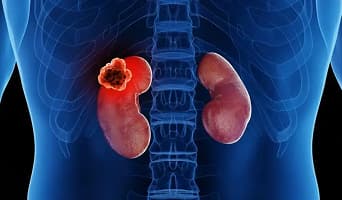
Renal Cancer Treatment
Kidney cancer can affect how the kidneys work and may become more serious if not treated on time. For that renal cancer treatment may be considered and different treatment options may be used depending on the condition. Many patients may benefit from treatment which may help control the disease and improve long-term outcomes. Renal cancer treatment is used to treat cancer that develops in the kidneys and is commonly known as renal cell carcinoma. Then the treatment approach may vary depending on the cancer stage, tumor size and overall health of the patient. For this condition the main goal is to remove or control the cancer while preserving as much kidney function as possible. Different treatment options may be used including surgery, targeted therapy and immunotherapy. Before deciding on a treatment plan doctors usually review scan results, biopsy findings and other test reports. Then the treatment is planned based on the patient's condition and treatment needs. For some patients renal cell carcinoma surgery may be recommended when the cancer is limited to the kidney. In more advanced cases medicines and other treatments may be used to help control the disease. After treatment regular follow-up visits and scans may be needed to monitor recovery and treatment results. Through CureMeAbroad people can find kidney cancer treatment abroad options and compare nephrectomy for cancer cost information across different countries before making a treatment decision.

Leukemia
Leukemia is cancer that starts in bone marrow and blood. At this point, the marrow can no longer keep up with producing healthy blood cells. What treatment works best comes down to the type diagnosed, how widely it has spread, the patient's age, and any other health conditions they carry. People end up seeking care outside their home country for all kinds of reasons. Some want oncology teams with more case experience. Others need therapies not available at home. Cost matters too so anyone planning leukemia treatment abroad must research hospital quality and medical standards carefully. Bone marrow sits inside the bones as a soft tissue and handles blood cell production. Leukemia steps in and throws this process completely off track. White blood cells start growing in abnormal ways and lose their ability to function properly. These faulty cells accumulate steadily while healthy cells get displaced. As this continues, the body's immune system gradually weakens. Leukemia falls into two primary categories: acute and chronic forms. Medical classification also depends on which specific blood cell line becomes affected, either lymphocytic or myeloid cell types. Acute leukemia worsens rapidly and requires immediate medical intervention. Chronic leukemia progresses more slowly and often requires ongoing treatment that can last for months or years. Treatment selection follows evaluation of several critical factors. The precise subtype identified carries the most weight. How extensively the disease has progressed gets assessed. The patient's physical condition and ability to tolerate intensive therapy are also evaluated. Chemotherapy remains the most frequently used treatment method. Additional options include targeted drug therapies, immunotherapy, radiation treatment, and stem cell transplantation procedures. Patients considering leukemia treatment abroad should thoroughly understand every available treatment option before selecting a medical facility. Getting clear information about leukemia chemotherapy cost early in the process makes financial planning much more realistic. CureMeAbroad connects patients with accredited hospitals and cancer centers that maintain established leukemia treatment programs.

Colon Cancer
Colon cancer is recorded among the leading cancer diagnoses each year in countries across every continent. When the condition is identified early, patients generally face a less complicated treatment path. The gap in treatment costs between countries is a practical reason behind the growing number of patients who pursue colon cancer treatment abroad. Colon cancer forms in the inner wall of the large intestine. In most cases it begins as polyps, tissue growths on the intestinal lining that produce no symptoms in the early period. Left undetected, a portion of these polyps undergo cancerous change. Men and women both develop this condition, and it becomes more common after the age of 50. The stage cancer has reached at the point of diagnosis determines what treatment is required. Surgery is performed in the majority of cases. When the disease has spread to lymph nodes or other organs, chemotherapy, radiation, targeted therapy, or immunotherapy is introduced into the treatment plan, either separately or alongside each other. Patients investigating colon cancer treatment abroad will find a number of accredited hospitals where all these treatment pathways are available within one facility. CureMeAbroad helps patients search and compare verified colon cancer treatment options across trusted medical destinations worldwide.
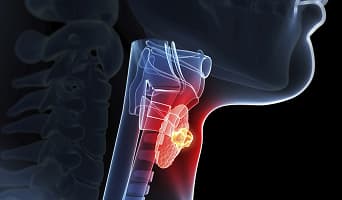
Larynx Cancer Treatment
Changes in the voice that do not improve over time may sometimes be linked to larynx cancer. Larynx cancer treatment helps manage the disease and when treatment starts early many patients may achieve better outcomes while preserving important functions such as speech and swallowing. Larynx cancer treatment is used for cancer that develops in the voice box which is the part of the throat that helps you speak, breathe and swallow. For this treatment surgery, radiation therapy, chemotherapy or targeted medicines may be considered based on the stage of the cancer and overall health condition. For some people surgery may be considered as one of the treatment options. In some cases procedures such as partial laryngectomy or total laryngectomy may be used to remove the cancer. For advanced cases radiation therapy and chemotherapy may also be included as part of the treatment plan. Then many patients may continue to do well when treatment starts at an early stage. In addition some treatment approaches may help preserve speech and swallowing function depending on the location of the cancer. The size of the tumor and how far the cancer has spread are reviewed first. Then the overall health condition and nutritional status are considered before treatment. After treatment regular follow-up visits and scans may be needed to monitor the recovery process. Through CureMeAbroad people can find laryngeal cancer treatment abroad options and compare hospitals along with larynx cancer surgery cost information before making a treatment decision.
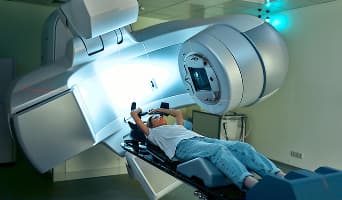
Radiotherapy
Radiotherapy is a treatment that uses carefully targeted radiation to help destroy cancer cells. The treatment approach can vary depending on the type of cancer and the area being treated. For many people radiotherapy is given over several planned sessions without the need for a hospital stay. Radiotherapy may be used to treat many different types of cancer. The treatment uses high energy radiation to target cancer cells and may be recommended on its own or together with other cancer treatments. Before treatment scans are usually performed to identify the exact location of the cancer and help plan the treatment. Different types of cancer radiotherapy may be used depending on the condition. These may include external beam radiotherapy, IMRT, SBRT, proton beam therapy or CyberKnife treatment. Treatment sessions are usually short and most patients can return home after each visit. The number of sessions may vary depending on the type of cancer and the treatment plan. Then some people may notice tiredness during treatment while others continue many of their normal daily activities. Regular follow-up visits and scans may be recommended after treatment to monitor the response. Through CureMeAbroad people can explore radiotherapy abroad options and compare hospitals along with radiation therapy cost information based on their treatment needs.
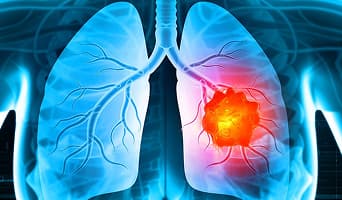
Lung Cancer
Not every lung cancer treatment plan is the same because the condition can vary from one person to another. Different treatment options may be used to remove, shrink or control the cancer. Many patients may continue to do well after treatment when the cancer is found and treated early. Lung cancer treatment is used for cancer that develops inside the lungs and different treatment options may be used to remove, shrink or control the cancer. For this treatment surgery, radiation therapy, chemotherapy, targeted medicines or immunotherapy may be considered based on the cancer stage and overall health condition. For some people thoracic surgery for cancer may be considered as one of the treatment options. In some cases techniques such as VATS, segmentectomy or lobectomy may be used to remove the tumor while preserving as much healthy lung tissue as possible. For cancers that have spread further chemotherapy, radiation therapy or immunotherapy may also be included as part of the treatment plan. Then many patients with early-stage lung cancer may continue to do well when treatment starts early. In addition minimally invasive surgical techniques may help reduce pain and support a faster recovery after treatment. Before treatment doctors usually check the cancer condition and overall health before planning treatment. After treatment regular follow-up visits and scans may be needed to check recovery and any changes. Through CureMeAbroad people can find lung oncology abroad options and compare hospitals along with treatment cost information across different countries before making a treatment decision.
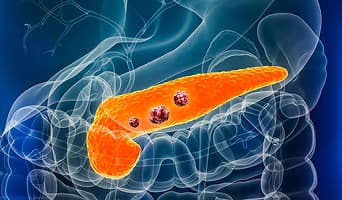
Pancreatic Cancer
Not every pancreatic cancer is treated in the same way because the condition can vary from one person to another. The treatment journey may look different for each patient and may involve different approaches depending on their condition. With the right treatment plan some patients may be able to maintain a better quality of life during treatment. Pancreatic cancer treatment may involve different approaches depending on the location of the cancer and the individual condition. The treatment plan is usually based on how far the cancer has spread and whether surgery may be possible. For some patients surgery may be one part of the treatment plan. When surgery is possible then procedures like the Whipple procedure or pancreatectomy may be considered and others may receive chemotherapy or other treatments before or after surgery depending on their condition. The recommended treatment may vary from one patient to another. The procedure may take several hours depending on the type of surgery performed. After treatment a hospital stay is usually required and recovery may continue for several weeks. Then some patients may need dietary changes, digestive support or blood sugar monitoring during recovery. Then regular follow-up visits, scans and blood tests may be recommended to monitor recovery and check the response to treatment. Through CureMeAbroad people can explore pancreatic cancer treatment abroad options and compare hospitals along with pancreatic cancer surgery cost information based on their treatment needs.

Skin Cancer
Skin cancer treatment is done to remove harmful skin cells before the condition spreads further. Depending on the cancer type, treatment may include skin surgery, radiation therapy or medicines. Early treatment is commonly recommended because smaller skin cancers are often easier to treat. Skin cancer can develop from damaged skin cells and is commonly linked to long term sun exposure. Some people may notice unusual moles, skin spots or sores that do not heal properly over time. In many patients the doctor removes the affected skin area during treatment to stop the cancer from spreading deeper into nearby tissues. Basal cell carcinoma surgery is commonly used for smaller lesions, while some advanced melanoma cases may need additional treatment and monitoring from dermatologists and oncologists. Many patients choose early treatment because it may help improve healing and reduce damage to nearby skin tissue. Some people also notice better cosmetic results when smaller skin lesions are treated earlier. On CureMeAbroad patients can compare skin cancer treatment abroad options, specialist doctors and lower skin cancer surgery cost options in different countries.
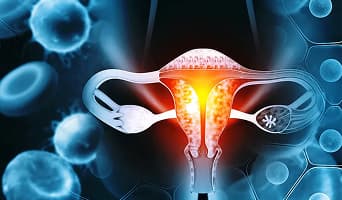
Ovarian Cancer
Ovarian cancer treatment may be considered when cancer develops in the ovaries. Starting treatment at the right time may help improve outcomes and support recovery. For some women certain treatment approaches may also help preserve fertility depending on the stage of the cancer. Ovarian cancer treatment is used for cancer that develops in the ovaries. Different treatment options may be used to remove, shrink or control the cancer depending on the stage and overall health condition. For some patients ovarian tumor removal may be recommended as part of the treatment plan. In certain cases one ovary may be removed while preserving fertility, while more advanced cases may require removal of both ovaries along with additional treatments. Chemotherapy, HIPEC, immunotherapy and other cancer treatments may also be considered as part of the treatment plan. Then some patients may respond well to treatment when ovarian cancer is diagnosed and treated at an early stage. In addition certain minimally invasive surgical techniques may help reduce recovery time for suitable patients. The type of ovarian cancer and how far it has spread are usually evaluated before treatment planning. The overall health condition and fertility goals may also be considered when selecting the most appropriate treatment approach. Through CureMeAbroad people can explore ovarian cancer treatment abroad options and compare hospitals along with ovarian cancer surgery cost information based on their treatment needs.

Prostate Cancer
Prostate cancer treatment is used to remove or control cancer inside the prostate gland. Prostate cancer may be treated with robotic surgery, radiation, hormone medicines or regular cancer monitoring based on the cancer condition and overall health. Robotic assisted prostatectomy is one of the commonly used treatments for localized prostate cancer. During the surgery the uro oncologist removes the prostate gland using small surgical openings and robotic surgical tools. Radiation treatment may also be used to destroy cancer cells without removing the prostate gland. Many men with early stage prostate cancer show very high survival rates after treatment. Some patients may also recover good bladder control and sexual function gradually after nerve sparing robotic surgery. Men usually between 50 and 75 years with localized prostate cancer and good overall health may be good candidates for prostate cancer surgery. Some people also compare prostate cancer treatment abroad because the prostate cancer surgery cost in certain countries may be lower compared to the US while still offering robotic surgery support and experienced uro oncology specialists. With CureMeAbroad people can compare experienced prostate cancer hospital options and treatment cost plans abroad.

Testicular Cancer
Choosing testicular cancer treatment abroad provides access to experienced oncologists, advanced treatment methods, and cost-effective care. CureMeAbroad ensures complete assistance throughout the treatment journey. Testicular cancer develops in the testicles and is highly treatable, especially when detected early. Treatment options include surgery, chemotherapy, and radiation therapy depending on the stage and type.

Endometrial / Uterine Cancer Treatment
Changes such as unusual bleeding or other symptoms may sometimes lead to further testing and diagnosis. Endometrial cancer treatment is used for cancer which develops in the lining of the uterus. In some cases treatment may help remove the cancer and support long term recovery. Endometrial cancer treatment is used for cancer which develops in the lining of the uterus where abnormal cells begin to grow and form a tumor. The condition can affect different parts of the uterus and the treatment approach may differ based on the stage of the cancer and the individual condition. When treatment is possible then procedures such as hysterectomy or radical hysterectomy may be considered and then some patients may also receive radiation therapy, chemotherapy or immunotherapy. The type of treatment recommended can vary from one patient to another. In some cases treatment may help remove all visible cancer and in others it may help control the disease and manage symptoms. Surgery can take between 2 and 6 hours depending on the procedure and a hospital stay may also be needed after treatment. During recovery some patients may need pelvic rest, temporary activity restrictions and regular follow-up care. Also follow-up visits, scans and blood tests may be recommended after treatment to check recovery and monitor the response to treatment. Through CureMeAbroad people can explore uterine cancer treatment abroad options and compare hospitals along with endometrial cancer surgery cost information based on their treatment needs.
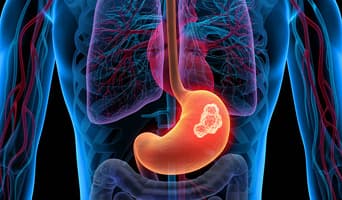
Gastric Cancer Treatment
Not every stomach cancer is treated in the same way because the condition can vary from one person to another. The treatment plan may not be the same for everyone and is often based on the individual condition. In some cases treatment may help remove the cancer and support long term recovery. Gastric cancer treatment is used for cancer which develops in the stomach lining where abnormal cells begin to grow and form a tumor. The condition can affect different areas of the stomach and the treatment approach may differ based on the location of the cancer and the individual condition. When treatment is possible then procedures like partial gastrectomy, total gastrectomy or endoscopic tumor removal may be considered and then some patients may also receive chemotherapy, radiation therapy or immunotherapy. The type of treatment recommended can vary from one patient to another. In some cases treatment may help remove the cancer completely and in others it may help control the disease and manage symptoms. Surgery can take several hours and a hospital stay may also be needed depending on the treatment performed and during recovery some patients may need smaller meals, dietary adjustments and vitamin supplements. Also follow-up visits, scans and blood tests may be recommended after treatment to check recovery and monitor the response to treatment. Through CureMeAbroad people can explore stomach cancer treatment abroad options and compare hospitals along with gastric cancer surgery cost information based on their treatment needs.
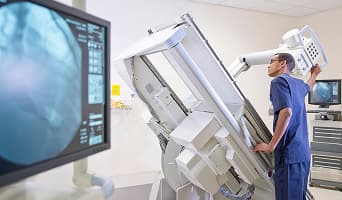
CyberKnife Radiosurgery
CyberKnife radiosurgery uses a robotic arm to direct high-dose radiation beams at tumors from hundreds of angles, all without a single incision. No anesthesia, no hospital admission, and no surgical recovery are involved. Leading hospitals worldwide now offer CyberKnife treatment abroad for tumors across the brain, spine, lungs, liver, and prostate. The CyberKnife machine holds a small linear accelerator on a robotic arm. That arm moves to hundreds of positions around the patient during a session, sending radiation beams that converge on one tumor point. Room-mounted cameras track exactly where the tumor sits throughout. Any shift, including movement caused by breathing, prompts the arm to correct its angle before the next beam fires. The skin is never cut or broken. Both malignant and benign tumors across the brain, spine, lungs, liver, pancreas, and prostate are treated this way. CyberKnife radiosurgery wraps up the full course in 1-5 sessions. A standard radiation program, by contrast, runs as daily visits over 4-8 weeks. Certain tumors sit directly beside the brainstem, optic nerves, or spinal cord, where surgical instruments can’t go safely. Stereotactic radiosurgery abroad is increasingly chosen for these cases, since treatment is delivered entirely from outside the body. Patients who can’t receive general anesthesia because of heart conditions, age, or other active illnesses are also referred this way. Patients seeking CyberKnife treatment abroad can be guided by CureMeAbroad, which connects them with accredited hospitals and specialists worldwide.
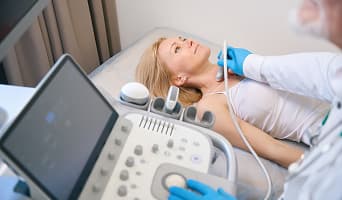
Thyroid Cancer
More and more patients now choose thyroid cancer treatment abroad to access high-quality medical care without the heavy price tag. When it’s found early and hasn’t spread beyond the thyroid, outcomes are usually very good. Leading destinations today include India, Thailand, Turkey, and South Korea. They are all known for their advanced surgical care delivered in internationally accredited hospitals staffed by skilled oncology teams. For many, the main draw is the ability to receive the same clinical standards offered in Western systems, but at far more manageable treatment costs. Thyroid cancer usually responds quite well when treated, and it doesn't often come back if it's still confined to the thyroid at the time of diagnosis. A growing number of patients are checking out thyroid cancer treatment abroad in places like India, Thailand, Turkey, and South Korea, where the medical care follows international standards but the price tag is much smaller. The thyroid gland, which is tucked just below the voice box, puts out hormones that keep metabolism, heart rate, and body temperature in balance. Cancer develops here when thyroid cells start dividing without the usual brakes and end up forming tumors. Around 80% of cases turn out to be papillary carcinoma, a type that moves at a slow pace and can still be managed effectively even if it's spread a bit. Follicular carcinoma works differently since it uses the bloodstream to get around, and medullary carcinoma can sometimes be traced back to genetic mutations passed down in families. Anaplastic carcinoma is less common but far more aggressive once it appears. Doctors typically start the diagnostic workup with an ultrasound, a fine-needle biopsy, and blood tests, bringing in CT or MRI imaging when they need to see more. Surgery is almost always where treatment begins, and what comes next, whether that's radioactive iodine therapy or thyroid hormone suppression depends on what the pathology results say after the operation. Patients considering thyroid cancer treatment abroad can use platforms like CureMeAbroad to find hospitals and connect with oncology specialists for treatment support.
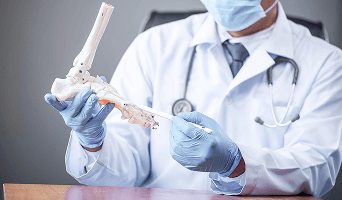
Bone Marrow Transplant (BMT / HSCT)
Bones carry marrow inside them. That marrow is where blood comes from. Red cells, white cells, platelets, the body runs on all three, and every one of them starts life in marrow tissue. Disease can tear through that tissue. So can the treatment used against the disease. Either way, when the marrow goes, blood production goes with it. Nothing the body does on its own can bring it back. That is where stem cells from an outside source come in. Some patients bank their own before treatment starts. Others need a donor, a sibling first, and then a registry search if that turns up nothing. Cord blood is what gets used when no adult donor fits. After the infusion, the cells push into the marrow cavities inside bones. If the immune system doesn’t reject them, they settle and blood production resumes. Engraftment is what that process is called. Aplastic anemia, leukemia, lymphoma, sickle cell disease, and inherited immune disorders are what most commonly bring patients to this point. It is never the first treatment tried. It comes after others have failed or been ruled out. Those looking at a bone marrow transplant abroad will find BMT cost, facility standards, and transplant team experience differ considerably across countries. Stem cell transplant abroad is a route more patients are taking, and for those weighing it up, CureMeAbroad lists verified hospitals across multiple countries where bone marrow transplant is carried out by dedicated transplant teams.
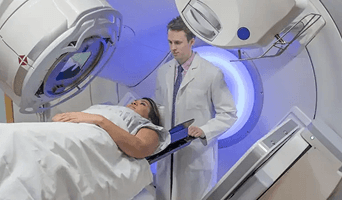
Brachytherapy - Internal Radiation Therapy
Advanced radiology methods have helped doctors target tumors more precisely during cancer treatment. Brachytherapy is a type of internal radiation treatment where radioactive material is placed close to the tumor area inside the body. This method may help reduce radiation exposure to nearby healthy tissues and organs. Some patients may need this treatment for prostate cancer, cervical cancer, breast cancer and certain skin cancers. In many cases brachytherapy may also be combined with external radiation therapy or other cancer treatments based on the cancer condition. During the procedure doctors place small radioactive materials inside the body near the tumor area using imaging guidance. This may help deliver a precise radiation dose directly to the cancer while limiting damage to surrounding healthy tissues. Many patients choose this treatment because it may help control tumor growth with shorter treatment sessions in some cases. Adults with selected prostate cancer and cervical cancer conditions may commonly qualify for this treatment. With CureMeAbroad patients can access brachytherapy abroad treatment, experienced cancer centers and affordable internal radiation therapy cost options in many countries.
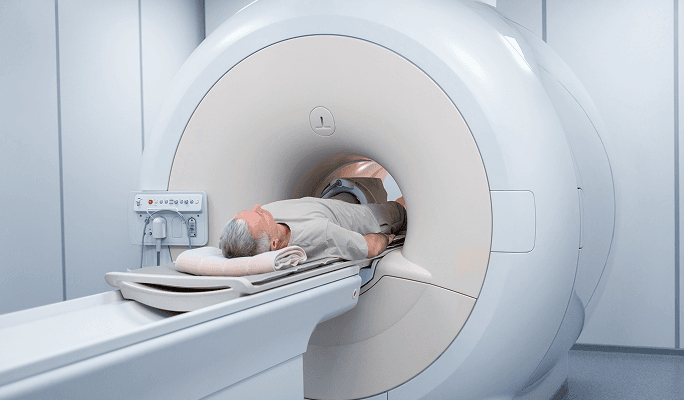
Conformal Radiation Therapy
Modern cancer treatment has evolved to focus on precision and safety, allowing for more effective tumor targeting. Conformal Radiation Therapy is an advanced technique that uses 3D imaging to shape radiation beams according to the exact size and shape of the tumor. This ensures that high doses of radiation are delivered directly to cancer cells while minimizing damage to surrounding healthy tissues. The treatment is widely used for various types of cancers and is often part of a comprehensive oncology plan. Choosing conformal radiation therapy abroad gives patients access to state-of-the-art cancer centers equipped with advanced imaging systems and experienced radiation oncologists. Through CureMeAbroad, patients receive personalized treatment planning based on their diagnosis, ensuring accuracy and improved outcomes. One of the key advantages of undergoing this therapy abroad is the combination of affordability and access to modern technology. With expert care, reduced side effects, and precise treatment delivery, conformal radiation therapy abroad offers an effective and patient-focused approach to cancer care.
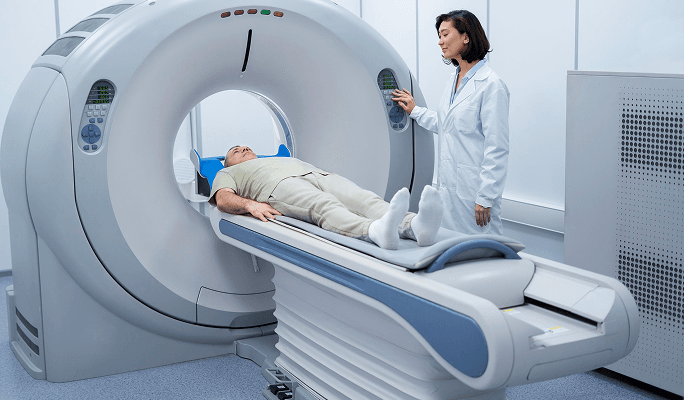
PET Scan
Choosing a PET scan from abroad provides access to advanced diagnostic imaging, experienced specialists, and cost-effective healthcare services. CureMeAbroad ensures quick appointments and seamless coordination. A PET (Positron Emission Tomography) scan is an advanced imaging test used to detect diseases such as cancer by identifying metabolic activity in the body. It helps in early diagnosis, staging, and monitoring of treatment effectiveness.

Holmium Laser
Choosing holmium laser treatment abroad provides access to modern laser technologies, skilled specialists, and cost-effective care. CureMeAbroad ensures a smooth and efficient treatment journey. Holmium Laser is a medical laser technology commonly used in urology for procedures such as kidney stone removal and prostate treatment. It offers high precision, minimal invasiveness, and faster recovery.

Rectal Resection
Choosing rectal resection surgery abroad provides access to experienced surgeons, modern surgical techniques, and cost-effective treatment. Patients receive personalized care and full support through CureMeAbroad. Rectal resection is a surgical procedure used to remove part or all of the rectum, often performed to treat rectal cancer or other conditions. It helps eliminate diseased tissue and restore digestive function.

Cranio Facial Surgery
Choosing craniofacial surgery abroad provides access to highly skilled surgeons, advanced surgical facilities, and cost-effective care. Patients receive personalized treatment plans and complete support through CureMeAbroad. Craniofacial surgery is a specialized surgical field focused on correcting congenital and acquired deformities of the skull, face, and jaw. It is used to treat conditions such as facial trauma, birth defects, and reconstructive needs, improving both function and appearance.
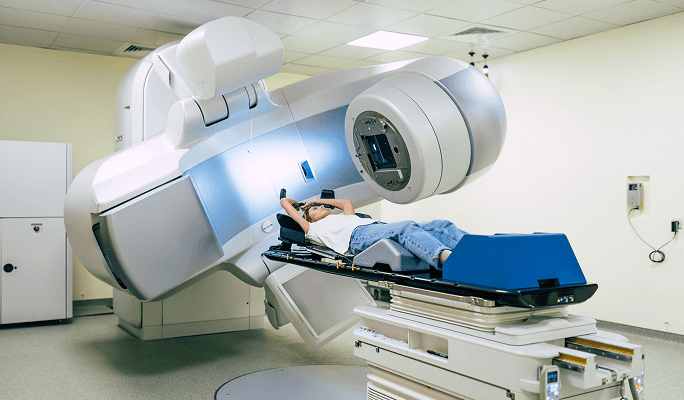
SBRT / Stereotactic Body Radiotherapy
SBRT or Stereotactic Body Radiotherapy is a treatment that uses highly focused radiation to target cancer cells. The treatment is often completed in fewer sessions compared to some other forms of radiation therapy. For many people SBRT may offer a non-surgical treatment option while allowing them to return home after each session. SBRT or stereotactic body radiation is used for certain cancers and tumors in different parts of the body. The treatment delivers highly focused radiation to a specific area while limiting exposure to nearby healthy tissues. When appropriate for the condition, SBRT may be considered for cancers affecting the lung, liver, prostate, pancreas, bones or other selected areas. In some situations it may also be used for a limited number of metastatic tumors. The treatment plan is usually based on the location of the tumor, its size and the overall condition of the patient. Treatment is carried out over a small number of sessions and each session generally takes only a short time. Hospital admission is usually not required and many people can return home on the same day after treatment. Then mild tiredness or temporary treatment related effects may occur during recovery. Regular follow-up visits and imaging scans may be recommended to monitor the response to treatment over time. Through CureMeAbroad people can explore stereotactic radiotherapy abroad options and compare hospitals along with SBRT treatment cost information based on their treatment needs.
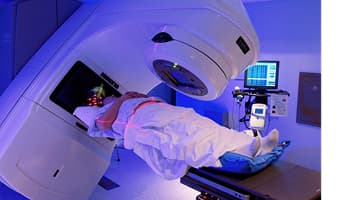
IMRT Radiation Therapy
Cancer treatment often needs a balance between treating the cancer and protecting healthy tissues. For that IMRT Radiation Therapy may be considered and it uses advanced radiation technology to target cancer cells more precisely. Many patients may benefit from treatment that helps control the disease while reducing damage to nearby healthy tissues. IMRT Radiation Therapy is used to treat different types of cancer by delivering radiation directly to the targeted area. Then the treatment approach may vary depending on the cancer type, location of the tumor and overall health of the patient. In this treatment advanced computer-guided technology is used to direct radiation beams toward cancer cells while reducing exposure to surrounding healthy tissues. Before treatment starts doctors usually review scan results, medical history and the stage of the cancer. Then the treatment plan is prepared based on the patient's condition and treatment needs. For some patients IMRT may be used as the main treatment and in other cases it may be combined with surgery, chemotherapy or other cancer treatments. Since the radiation is delivered with greater precision it may help reduce certain side effects compared to conventional radiation therapy. After treatment regular follow-up visits and imaging tests may be needed to monitor recovery and treatment results. Through CureMeAbroad people can find IMRT treatment abroad options and compare intensity modulated radiation cost information across different countries while looking for the right treatment option.
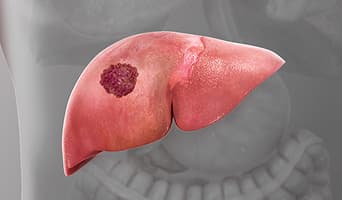
Liver Cancer
The liver carries out functions the body depends on, including metabolism and detoxification, which is what makes liver cancer particularly demanding to treat. Tumor stage, the exact anatomical position of the lesion, and the volume of functional liver tissue still present all feed into what treatment can realistically be offered. A detailed clinical assessment is essential before anything is decided. This is one of the reasons patients are increasingly looking at liver cancer treatment abroad, seeking out accredited centers where hepatobiliary surgery, interventional oncology, and advanced systemic therapies are delivered as part of a joined-up care structure. Hepatocellular carcinoma accounts for the majority of primary liver tumor cases worldwide. Cholangiocarcinoma and other hepatic lesions are less common, but each requires a distinct treatment approach based on the individual clinical presentation. Care decisions are typically reviewed by a multidisciplinary tumor board, including hepatobiliary surgeons, medical oncologists, interventional radiologists, and hepatologists. Treatment selection depends on tumor burden, proximity to major vessels, Child-Pugh classification, and overall patient functional status. Patients diagnosed at an earlier stage generally have more treatment options available. In more advanced disease, a single modality is often insufficient, and combined treatment strategies are required. When cancer has metastasised to the liver from another primary site, it follows a separate clinical pathway from primary liver cancer management. CureMeAbroad helps patients find internationally certified hospitals that handle complex liver cancer treatment abroad and liver oncology cases abroad.

Adrenal Glands Cancer
Choosing adrenal gland cancer treatment abroad provides access to specialized oncology teams, advanced diagnostic tools, and cost-effective care. Patients benefit from personalized treatment plans and full support through CureMeAbroad for a smooth treatment journey. Adrenal gland cancer is a rare condition that develops in the adrenal glands located above the kidneys. Treatment options may include surgery, chemotherapy, radiation therapy, or targeted therapies depending on the stage and severity of the disease.
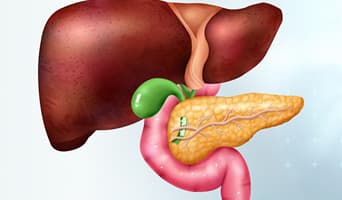
Cholangiocarcinoma Treatment
The normal flow of bile from the liver can be affected by bile duct cancer and it may create serious health problems over time. For that cholangiocarcinoma treatment may be considered and different treatment options may be used depending on the condition. Many patients may benefit from treatment which helps manage the disease and improve survival. Cholangiocarcinoma treatment is used to remove or control cancer that develops in the bile ducts which carry bile from the liver to the intestine. Then the treatment approach may vary depending on the cancer location, stage and overall health of the patient. For this condition the main goal is to remove the tumor when possible or slow cancer growth when surgery is not an option. Different treatment options may be used to manage the cancer. Before deciding on a treatment plan doctors usually check the biopsy results, scan findings and cancer stage. Then the treatment is planned based on the patient's condition and treatment needs. For some people surgery such as a Whipple procedure or liver resection may be recommended when the cancer can be removed. If surgery is not possible chemotherapy and other treatments may be used to help control the disease and manage symptoms. After this bile duct tumor treatment most people may continue to do well with regular follow-up and ongoing monitoring. Through CureMeAbroad people can find bile duct cancer treatment abroad options and compare cholangiocarcinoma surgery cost information across different countries while looking for the right treatment option.

Oral Cancer
Oral cancer treatment may help remove or control cancer that affects the mouth and surrounding tissues. When treatment begins early many patients may achieve better outcomes and continue important daily functions such as speaking, chewing and swallowing. The treatment plan may vary depending on the location of the cancer and the individual condition. Oral cancer treatment is used for cancer that develops in the mouth, tongue, gums, cheeks or other parts of the oral cavity. Different treatment options may be used to remove, shrink or control the cancer depending on the stage and overall health condition. For some people surgery may be considered as one of the treatment options. In some cases procedures such as tumor removal, tongue surgery or jaw surgery may be used to remove the cancer while preserving as much normal function as possible. For more advanced cases radiation therapy, chemotherapy or immunotherapy may also be included as part of the treatment plan. Then many patients may continue to do well when treatment starts at an early stage. In addition some treatment approaches may help preserve speech, chewing and swallowing function depending on the location and extent of the cancer. During surgery the cancerous tissue is removed and reconstruction may also be performed when needed to restore the affected area. After treatment regular follow-up visits and scans may be needed to monitor the recovery process. Through CureMeAbroad people can explore oral cancer treatment abroad options and compare hospitals along with mouth cancer surgery cost information based on their treatment needs.

HIFU Cancer Treatment
Not everyone may want a major surgical procedure as part of cancer treatment. For that HIFU Cancer Treatment may be considered and it uses focused ultrasound energy to target certain cancer cells. Many patients choose this treatment where recovery is usually quicker and no major surgery is involved. HIFU Cancer Treatment, also known as High-Intensity Focused Ultrasound, is most commonly used for localized prostate cancer. In some cases it may also be used for selected tumors in other parts of the body depending on the cancer stage, tumor size and overall health of the patient. During this treatment focused ultrasound energy is directed at the cancer area to destroy cancer cells while helping to reduce damage to nearby healthy tissue. Before proceeding with treatment doctors usually review scan results, PSA levels, biopsy findings and overall health to see whether this treatment may be suitable. For some patients HIFU for prostate cancer may be recommended when the cancer is localized and has not spread outside the prostate gland. Following the procedure regular PSA tests, scans and follow-up visits may be needed to monitor recovery and treatment results. Through CureMeAbroad people can find HIFU treatment abroad options and compare high intensity focused ultrasound cost information across different countries while looking for the right treatment option.

Vaginal Cancer
Vaginal cancer is an uncommon gynaecological condition. The treatment selected depends on how far the disease has advanced, where the tumor sits within the vagina, and the patient's capacity to tolerate different interventions. For many patients, vaginal cancer treatment abroad becomes a practical consideration when their home country lacks the specialist teams, surgical experience, or radiation infrastructure required to manage a condition this rare. Vaginal cancer starts in the tissue lining the vaginal canal and makes up a small share of all gynaecological cancer diagnoses. Squamous cell carcinoma is the most commonly seen type and grows from the surface layer of the vaginal lining. Adenocarcinoma starts in the glandular cells of the vaginal wall and turns up less often. Clear cell adenocarcinoma is a known subtype with a recorded connection to diethylstilbestrol (DES), a drug doctors prescribed to pregnant women before the 1970s to reduce the risk of miscarriage. The condition is picked up most often in women past the age of 60, though it does occur in younger patients too. Early on, it rarely causes anything noticeable. When symptoms do show up, they tend to involve vaginal bleeding with no relation to the menstrual cycle, discharge that is out of the ordinary, or pain during intercourse. A routine pelvic examination remains the most reliable way to catch the disease before any of that happens. Treatment decisions follow the stage of disease and may call for radiation, surgery, or a combination of both. Patients considering vaginal cancer treatment abroad can use CureMeAbroad to explore hospitals and specialists experienced in treating gynecological cancers.
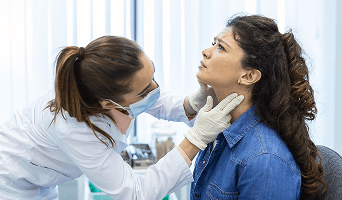
Mandible Cancer
Choosing mandible cancer treatment abroad allows access to specialized surgeons, advanced reconstructive techniques, and cost-effective care. CureMeAbroad ensures a smooth and guided treatment process. Mandible cancer affects the lower jawbone and may impact chewing and facial structure. Treatment may include surgery, radiation therapy, chemotherapy, and reconstructive procedures.
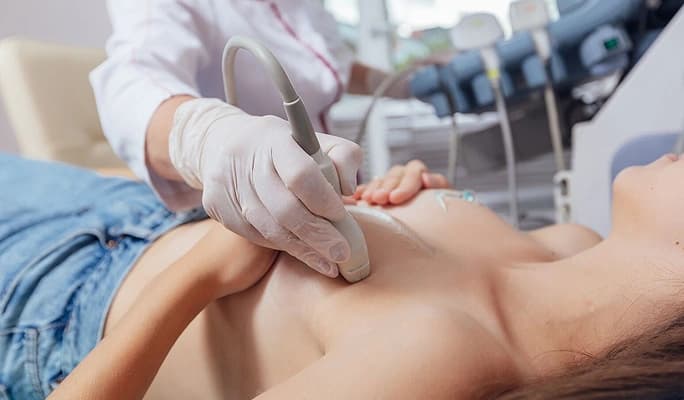
Chest Cancer
Choosing chest cancer treatment abroad offers access to multidisciplinary oncology teams, advanced diagnostic tools, and cost-effective treatment options. CureMeAbroad ensures a seamless and supportive treatment journey. Chest cancer refers to cancers occurring in the chest region, including lungs and surrounding tissues. Treatment may include surgery, chemotherapy, radiation therapy, or targeted therapies depending on the type and stage of cancer.
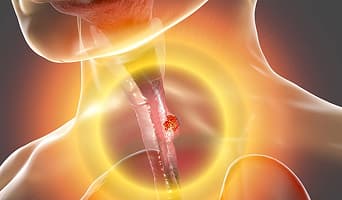
Esophageal Cancer Treatment
Treatment for esophageal cancer depends on the stage of the disease, the patient’s overall health, and the characteristics of the tumor. Surgery, chemotherapy, and radiation may be used alone or in combination, depending on these factors. Results are closely linked to surgical expertise, hospital case volume, and coordinated multidisciplinary care. Esophageal cancer treatment abroad is often explored because of differences in waiting times, access to experienced high-volume teams, and the availability of advanced minimally invasive and robotic procedures at accredited international centers. The esophagus is a muscular tube that moves food from the throat down to the stomach. Esophageal cancer starts in the inner lining and may extend through the esophageal wall and into nearby lymph nodes. The two principal types are squamous cell carcinoma, which typically arises in the upper and middle esophagus, and adenocarcinoma, which forms near the lower end close to the stomach. What drives treatment planning is mainly whether the cancer can be operated on, together with its stage and the patient's general condition. Where surgery is feasible, esophagectomy may remove part or all of the esophagus, depending on how far the disease has spread. Chemotherapy and radiation may be given before or after surgery or serve as the main treatment when surgery isn’t an option. Targeted therapy and immunotherapy are chosen according to the tumor's biology and whether the patient is suited to them. Difficulty swallowing is a frequent symptom that tends to surface at an advanced stage, the point at which many patients start looking into treatment options abroad because of differences in access, timing, and the availability of specialist care. CureMeAbroad connects patients with accredited hospitals and specialists across the world for esophageal cancer treatment abroad.

Tracheal Cancer
Treatment strategies for Tracheal Cancer often combine advanced diagnostics, surgery, chemotherapy, immunotherapy, and personalized care plans to target malignant growths effectively. Recovery focuses not only on removing cancer cells but also on restoring overall health and emotional strength.

Maxillary Cancer
Choosing maxillary cancer treatment abroad provides access to experienced surgeons, advanced treatment technologies, and cost-effective care. CureMeAbroad offers complete support for patients. Maxillary cancer affects the upper jaw and surrounding areas such as the sinuses. Treatment options include surgery, radiation therapy, chemotherapy, and reconstructive procedures depending on the stage.

Salivary Glands Cancer
Choosing salivary gland cancer treatment abroad provides access to experienced oncologists, advanced diagnostic tools, and cost-effective care. Patients benefit from personalized treatment plans and complete support through CureMeAbroad. Salivary gland cancer develops in the glands that produce saliva. Treatment options may include surgery, radiation therapy, chemotherapy, or targeted therapy depending on the stage and type of cancer.
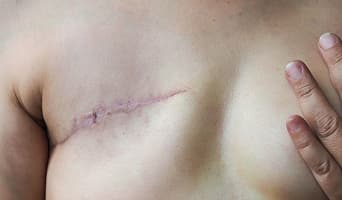
Mastectomy
Mastectomy surgery is a treatment used to remove breast tissue affected by breast cancer. Depending on your condition, the surgery may involve removing one breast or both breasts and may sometimes be combined with mastectomy reconstruction. Many patients may continue to do well after treatment when breast cancer is found and treated early. Mastectomy surgery is used to treat or help prevent breast cancer by removing breast tissue. By using different types of surgery the treatment may be planned according to the cancer stage, tumor size and overall health condition. For some people a single mastectomy may be recommended, while others may require a double mastectomy. In some cases nipple-sparing or skin-sparing techniques may be used. Mastectomy reconstruction may also be performed to help restore the shape of the breast after surgery. Then many patients may continue to do well when breast cancer is diagnosed and treated at an early stage. In addition some surgical approaches may help preserve the appearance of the breast when suitable for the individual condition. During the procedure the surgeon removes the affected breast tissue and may also remove nearby lymph nodes when required. In some cases reconstruction may be performed during the same operation while in other cases it may be planned for a later stage. After surgery regular follow-up visits and scans may be needed to monitor the recovery process. Through CureMeAbroad people can explore mastectomy abroad options and compare hospitals along with mastectomy cost information based on their treatment needs.
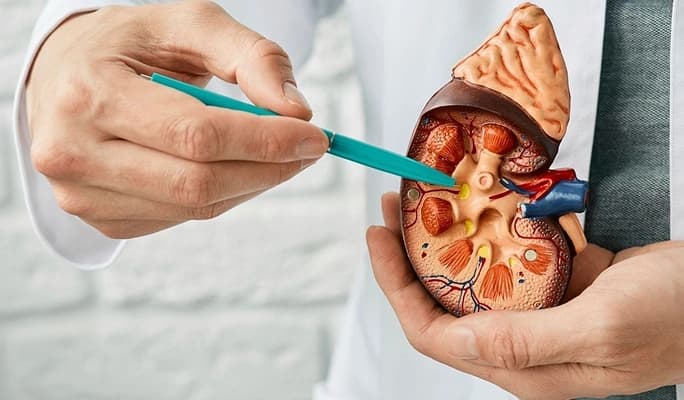
Kidney Cancer Ablation
Choosing kidney cancer ablation abroad provides access to advanced minimally invasive techniques, skilled specialists, and cost-effective care. CureMeAbroad ensures a smooth and efficient treatment journey. Kidney cancer ablation is a minimally invasive procedure that uses heat or cold energy to destroy cancer cells in the kidney. It is often recommended for small tumors and patients who may not be suitable for surgery.

Colonoscopy
Choosing colonoscopy abroad provides access to advanced diagnostic equipment, experienced specialists, and cost-effective healthcare services. CureMeAbroad ensures quick scheduling and seamless coordination. Colonoscopy is a diagnostic procedure used to examine the inner lining of the colon and rectum using a flexible camera. It helps detect abnormalities such as polyps, inflammation, or cancer and plays a key role in early diagnosis and prevention.
Proton Therapy
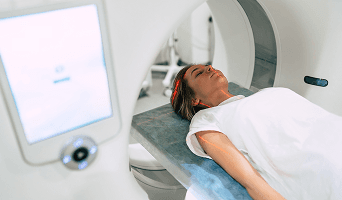
Proton therapy is an advanced type of proton radiation treatment which helps doctors target cancer areas more precisely. This treatment sends proton beams directly into the tumor area which may help reduce radiation exposure to nearby healthy tissues and organs. Unlike traditional radiation therapy, proton beams release most of their energy directly at the tumor site which may help lower unwanted damage to nearby normal tissues. Many patients may need proton therapy for brain tumors, head and neck cancer, spine tumors, prostate cancer and certain childhood cancers. Doctors may recommend this treatment when protecting nearby organs becomes very important during radiation therapy. This treatment is often useful for tumors located close to sensitive body structures. During treatment the patient lies in a fixed position while the proton beam focuses on the cancer area. The treatment is non surgical and many patients return home the same day after each session. Many patients choose proton therapy because it may help improve treatment precision with fewer radiation related side effects. With CureMeAbroad patients can compare proton therapy abroad options, affordable proton beam therapy cost plans and advanced radiation treatment facilities for cancer care.

NK Cell Therapy (Natural Killer Cell Therapy)
Natural Killer Cell Therapy helps the body's immune system identify and attack certain cancer cells. For this treatment specially prepared immune cells are given through an infusion to support the body's natural cancer fighting response. In some patients NK cell immunotherapy may help control cancer while offering a shorter recovery period compared to some other cancer treatments. Natural Killer Cell Therapy is an immunotherapy treatment that uses special immune cells to help identify and attack cancer cells. This treatment may be considered for certain blood cancers and some solid tumors depending on the cancer type and overall health condition. For some patients NK cell immunotherapy may be used as part of the treatment plan. During the treatment specially prepared NK cells are given through an infusion to support the body's natural immune response against cancer cells. In some cases different types of NK cell treatments may be recommended based on the individual condition. Then some patients may respond well to treatment when the cancer is suitable for this approach. In addition this therapy is being studied for different cancer types because it may help the immune system identify and target cancer cells. During the treatment the NK cells are usually given within a few hours and a short hospital stay may be needed in some cases. Then regular follow-up visits are needed to monitor the treatment response. Through CureMeAbroad people can explore NK cell therapy abroad options and compare hospitals along with natural killer cell treatment cost information based on their treatment needs.

TILs Therapy for Breast Cancer
Choosing TILs therapy for breast cancer abroad provides access to cutting-edge immunotherapy, experienced specialists, and affordable care. CureMeAbroad ensures a smooth and guided treatment experience. TILs Therapy for breast cancer uses immune cells extracted from the tumor to fight cancer more effectively. It is an emerging treatment approach, especially for patients with advanced or resistant cancers.
CAR-T Cell Therapy (Chimeric Antigen Receptor T-Cell)
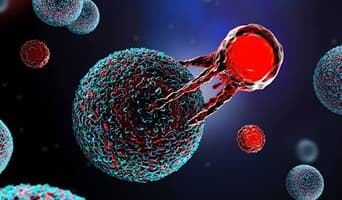
When some blood cancers return after treatment it can become difficult to control the disease with standard therapies alone. For that CAR-T Cell Therapy may be considered and it uses the body's own immune cells to help fight cancer. Many patients may benefit from treatment which helps control the disease and improve treatment outcomes. CAR-T Cell Therapy which is also known as Chimeric Antigen Receptor T-Cell Therapy is used to help the immune system recognize and attack certain blood cancers such as lymphoma, leukemia and multiple myeloma. Then the treatment approach may vary depending on the cancer type, previous treatments and overall health of the patient. For this treatment doctors first collect immune cells from the patient's blood. Then the cells are changed in a laboratory and later returned to the body through an infusion. Before proceeding with treatment doctors usually check the test results, cancer history and overall health to see whether this treatment may be suitable. For some people it may be considered when previous treatments have not worked well or when the cancer has come back after treatment. Following the infusion regular monitoring and follow-up visits may be needed to check progress and recovery. Through CureMeAbroad people can find CAR-T cell therapy abroad options and compare chimeric antigen receptor therapy cost information across different countries while looking for the right treatment option.
TILs Therapy for Melanoma
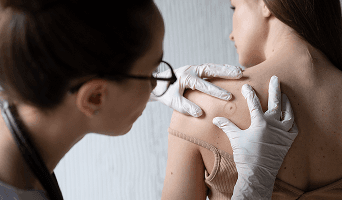
Choosing TILs therapy for melanoma abroad allows patients to access advanced immunotherapy treatments, expert oncology teams, and cost-effective care. CureMeAbroad ensures complete support throughout the treatment journey. TILs (Tumor-Infiltrating Lymphocytes) Therapy for melanoma involves using a patient’s own immune cells to target and destroy cancer cells. It is a promising treatment option for advanced melanoma cases.

TILs Therapy for Ovarian Cancer
Choosing TILs therapy for ovarian cancer abroad provides access to advanced immunotherapy, experienced oncology teams, and affordable care. CureMeAbroad ensures complete support throughout the treatment journey. TILs Therapy uses tumor-infiltrating lymphocytes to enhance the body’s immune response against cancer cells. It is a promising treatment option for advanced ovarian cancer cases.

TILs Therapy for Cervical Cancer
Choosing TILs therapy for cervical cancer abroad offers access to innovative immunotherapy treatments, skilled specialists, and cost-effective care. CureMeAbroad provides full support for a seamless journey. TILs Therapy for cervical cancer involves enhancing the body’s immune response by using tumor-infiltrating lymphocytes to target cancer cells. It is a promising option for patients seeking advanced treatment solutions
Loading...
CureMeAbroadIs Absolutely Free
Just discovery so you can choose what's right for you!


World's No. 1 Medical Discovery Platform
Cancer Treatment
We offer a wide range of treatments including surgery, chemotherapy, physiotherapy, and advanced diagnostic procedures.
Cancer Treatment
Yes, treatments are personalized based on the patient's medical history, diagnosis, and specific health needs.
Cancer Treatment
Absolutely. Our specialists are available for second opinions to ensure you have confidence in your treatment plan.
What types of treatments are available?
Cancer Treatment
We offer a wide range of treatments including surgery, chemotherapy, physiotherapy, and advanced diagnostic procedures.
Medically Reviewed
Verified ContentCureMeAbroad Medical Review Team
Reviewed by board-certified specialists. Our team ensures all treatment information is accurate and aligned with current clinical guidelines.