




Growing older doesn't mean you have to accept missing teeth, uncomfortable dentures, or difficulty eating your favorite foods. Thanks to advances in restorative dentistry, dental implants for seniors have become one of the safest and most effective solutions for replacing missing teeth. Whether you've lost a single tooth or require a full-mouth restoration, dental implants can restore your smile, improve chewing ability, and enhance your overall quality of life.
Many older adults believe they're "too old" for dental implants, but that's one of the biggest misconceptions. In reality, dentists determine your suitability based on your overall health, jawbone quality, and oral condition not your age. Today, dental implants for senior citizens are routinely placed in patients in their 60s, 70s, and even 80s with excellent long-term success rates.
If you're considering dental implants for seniors over 60, this guide will help you understand how implants work, who qualifies, the benefits of dental implants compared to dentures, what the procedure involves, recovery expectations, costs, and how medical tourism can make treatment more affordable without compromising quality.
Whether you're exploring options for yourself or helping a loved one make an informed decision, understanding the facts about dental implants is the first step toward restoring both oral health and confidence.
Understanding Tooth Loss in Older Adults
Tooth loss is one of the most common oral health concerns among older adults. While aging itself does not cause teeth to fall out, decades of wear, untreated dental problems, and underlying health conditions can increase the likelihood of losing one or more teeth.
According to the World Health Organization (WHO), oral diseases affect billions of people worldwide, with tooth loss remaining a significant health concern among older adults. Missing teeth can affect far more than your appearance they can interfere with eating, speaking, nutrition, and even your overall health.
For many people, dental implants for seniors offer an opportunity to regain normal function while preventing further oral health complications.
Why Do We Lose Teeth as We Age?
Several factors contribute to tooth loss later in life, and most are preventable or manageable with proper dental care.
Gum Disease (Periodontal Disease)
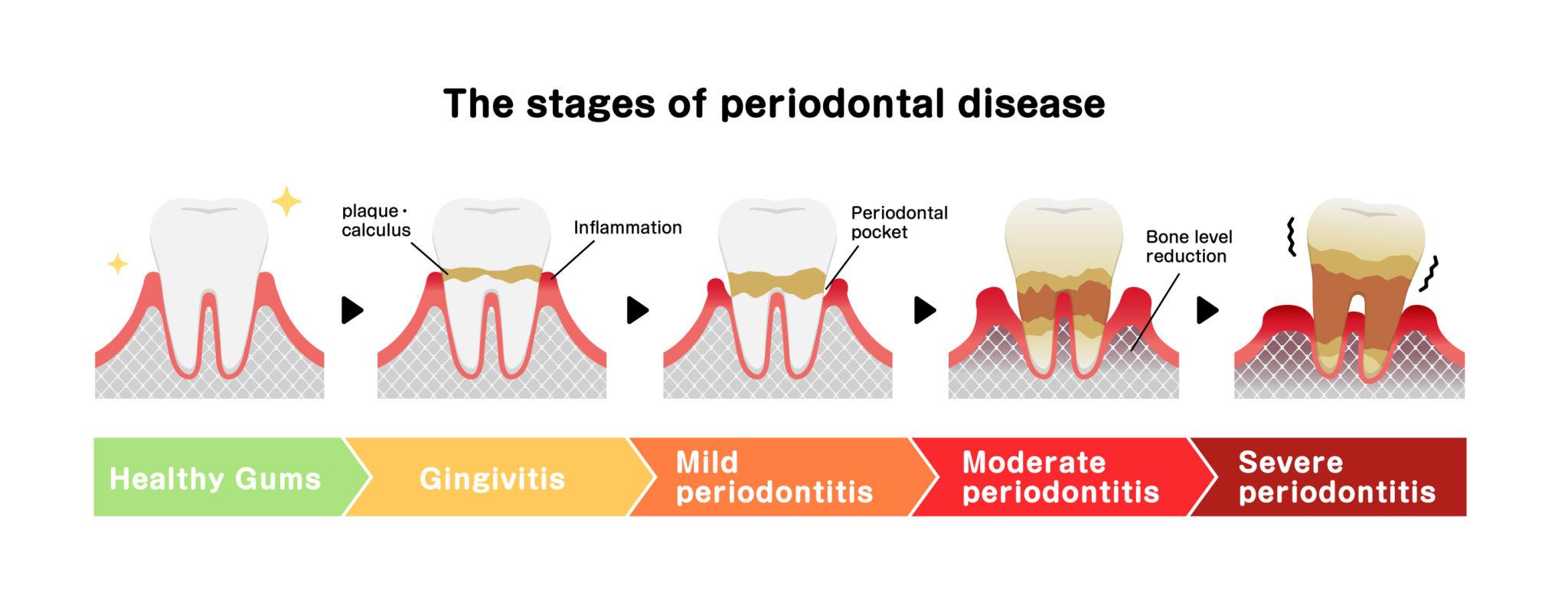
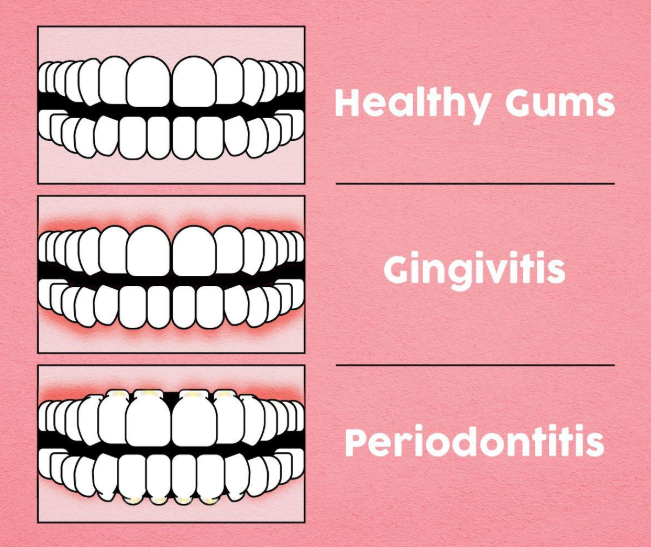
Periodontal disease is the leading cause of tooth loss among adults. It begins with plaque buildup along the gumline and, if left untreated, progresses to infection that damages the gums and supporting jawbone. As the bone deteriorates, teeth become loose and may eventually need to be removed.
Older adults are more susceptible to gum disease due to years of plaque accumulation, certain medications that reduce saliva production, and chronic health conditions that affect immune function.
Tooth Decay
Untreated cavities can weaken the structure of a tooth until restoration is no longer possible. In severe cases, extraction becomes the only option. Although cavities are often associated with children, they remain common among seniors, particularly around older fillings and exposed tooth roots.
Bone Loss After Tooth Extraction
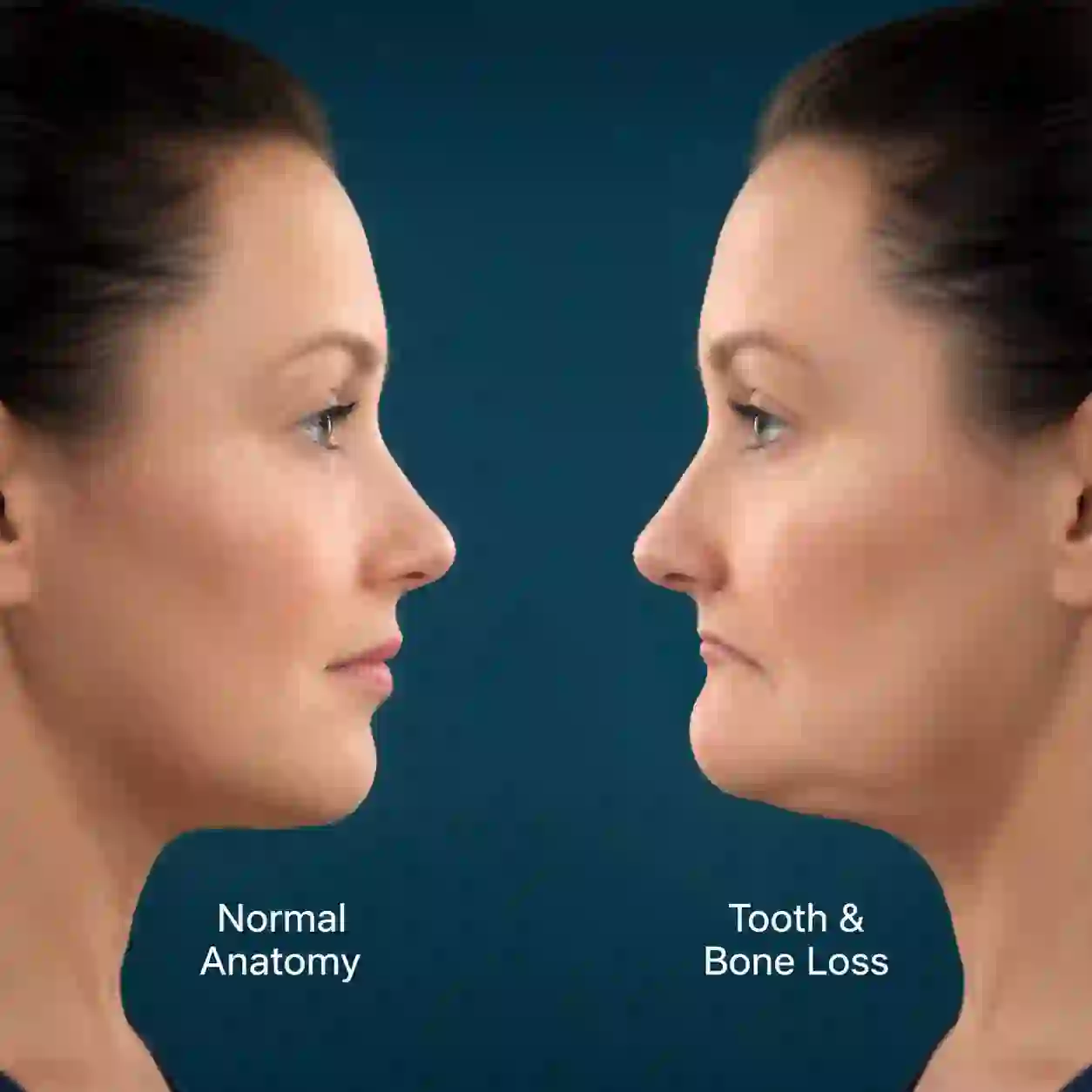
When a tooth is lost and not replaced, the jawbone beneath it no longer receives stimulation from chewing. As a result, the bone begins to shrink in a process known as bone resorption. Over time, this can make future tooth replacement more challenging and alter facial appearance.
One of the greatest advantages of dental implants for senior citizens is that they stimulate the jawbone just like natural tooth roots, helping preserve bone density.
Medical Conditions
Certain health conditions can affect oral health and increase the risk of tooth loss, including:
- Diabetes
- Osteoporosis
- Autoimmune diseases
- Dry mouth caused by medications
- Cancer treatments affecting oral tissues
Proper management of these conditions can improve oral health and increase the likelihood of successful implant treatment.
Injury and Trauma
Falls and accidents become more common with age and may result in fractured or knocked-out teeth. While some damaged teeth can be repaired, others require replacement.
Years of Daily Wear
Everyday chewing places tremendous pressure on the teeth. After decades of use, enamel naturally wears down, making teeth more susceptible to fractures and decay.
Although tooth loss becomes more common with age, it is not an inevitable part of aging. Modern restorative dentistry offers reliable solutions that restore both function and appearance.
The Hidden Impacts of Missing Teeth
Many people think missing teeth are primarily a cosmetic issue. In reality, tooth loss affects nearly every aspect of daily life.
Difficulty Eating Nutritious Foods
Chewing becomes much harder when one or more teeth are missing. Many older adults begin avoiding healthy foods such as apples, nuts, carrots, and lean meats because they are difficult or painful to chew.
As a result, they often rely on softer processed foods that may be higher in sugar and lower in essential nutrients, increasing the risk of poor nutrition and other health issues.
For this reason, dental implants for seniors over 60 are often recommended to help restore normal chewing function and support a healthier diet.
Changes in Speech
Missing teeth can alter the way air flows through the mouth, making certain words difficult to pronounce. Even removable dentures may shift during conversation, affecting speech clarity.
Dental implants provide a stable foundation that allows patients to speak naturally without worrying about movement or slipping.
Jawbone Deterioration
Every natural tooth root stimulates the jawbone whenever you chew. Once a tooth is removed, that stimulation disappears, causing the surrounding bone to gradually shrink.
Bone loss doesn't just affect oral health it can also complicate future restorative treatments and reduce support for neighboring teeth.
Because implants replace both the tooth and its root, they help preserve jawbone density and reduce long-term bone deterioration.
Facial Changes and Premature Aging
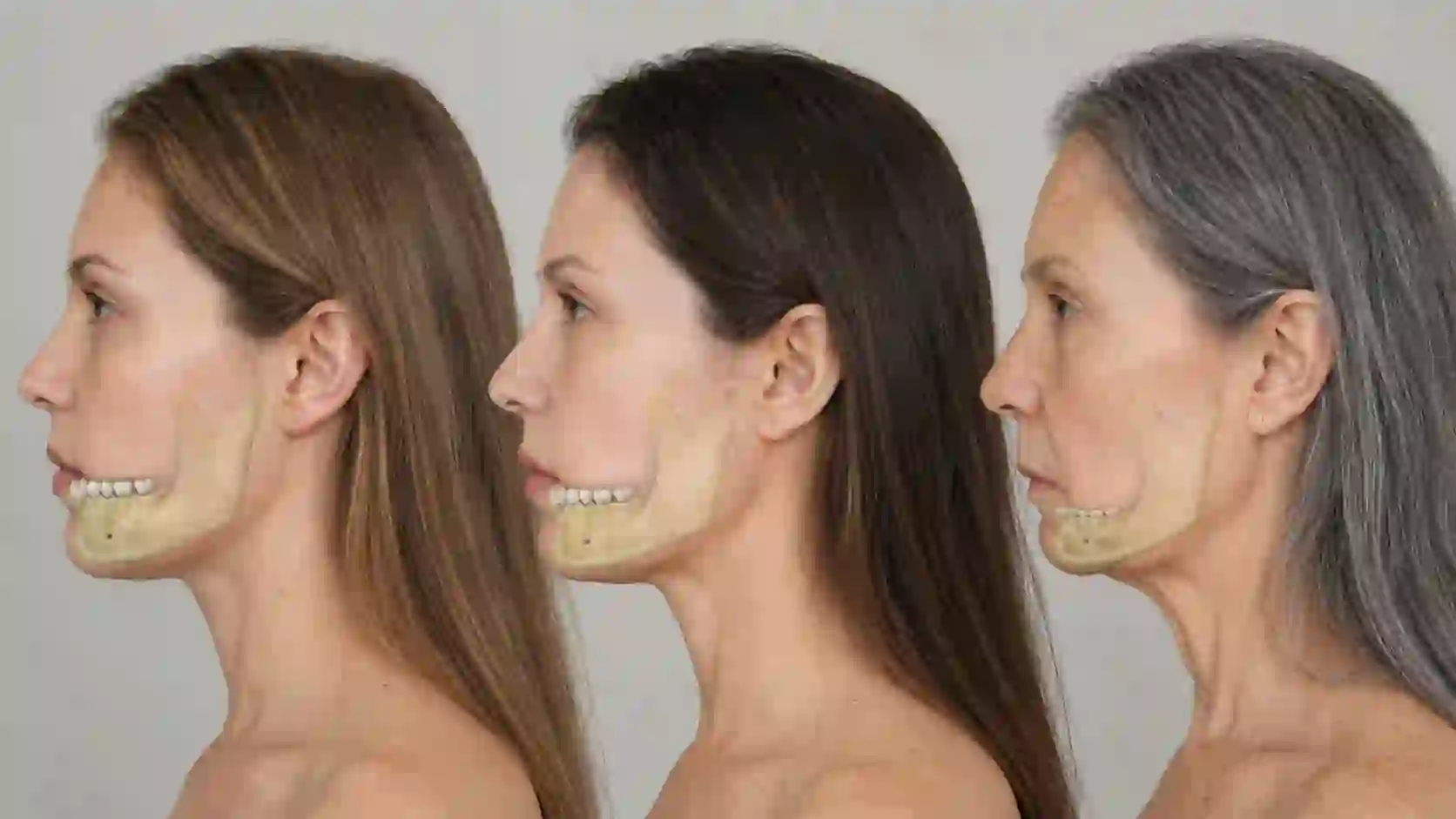
As the jawbone shrinks, the cheeks lose support and may begin to sag. This can make the face appear older than it actually is, contributing to wrinkles around the mouth and a sunken facial appearance.
Replacing missing teeth with implants helps maintain facial structure and supports a more youthful appearance.
Lower Self-Confidence
Tooth loss can affect emotional well-being just as much as physical health. Many people become reluctant to smile, laugh, or participate in social gatherings because they feel embarrassed about their appearance.
Restoring a complete smile often improves confidence, making it easier to enjoy social interactions, family events, and everyday life.
What Are Dental Implants?
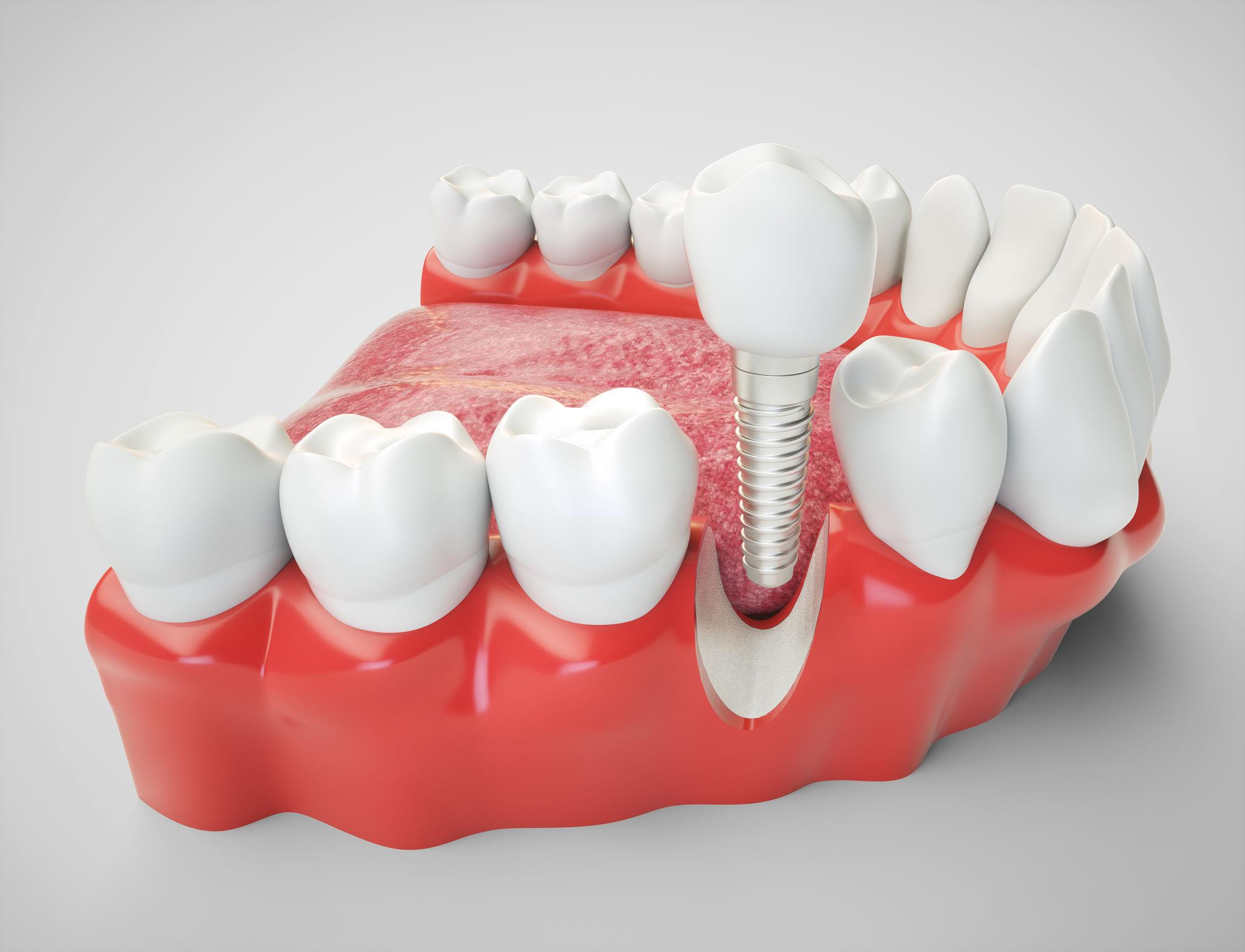
A dental implant is an artificial tooth root made from biocompatible titanium that is surgically placed into the jawbone. Once it heals, the implant becomes firmly integrated with the bone through a natural process called osseointegration, creating a stable foundation for a replacement tooth.
Unlike traditional dentures, dental implants function much like natural teeth. They don't rely on neighboring teeth for support, won't slip while eating or speaking, and help preserve the jawbone over time.
Dental implants for seniors can be used to replace:
- A single missing tooth
- Multiple missing teeth
- Several teeth with an implant-supported bridge
- A full upper or lower arch using All-on-4 or All-on-6 implants
- An entire mouth of missing teeth with a full-mouth implant restoration
For many older adults, implants provide a long-term solution that restores comfort, confidence, and oral function while reducing many of the limitations associated with removable dentures.
Why Dental Implants Are Better Than Dentures for Seniors
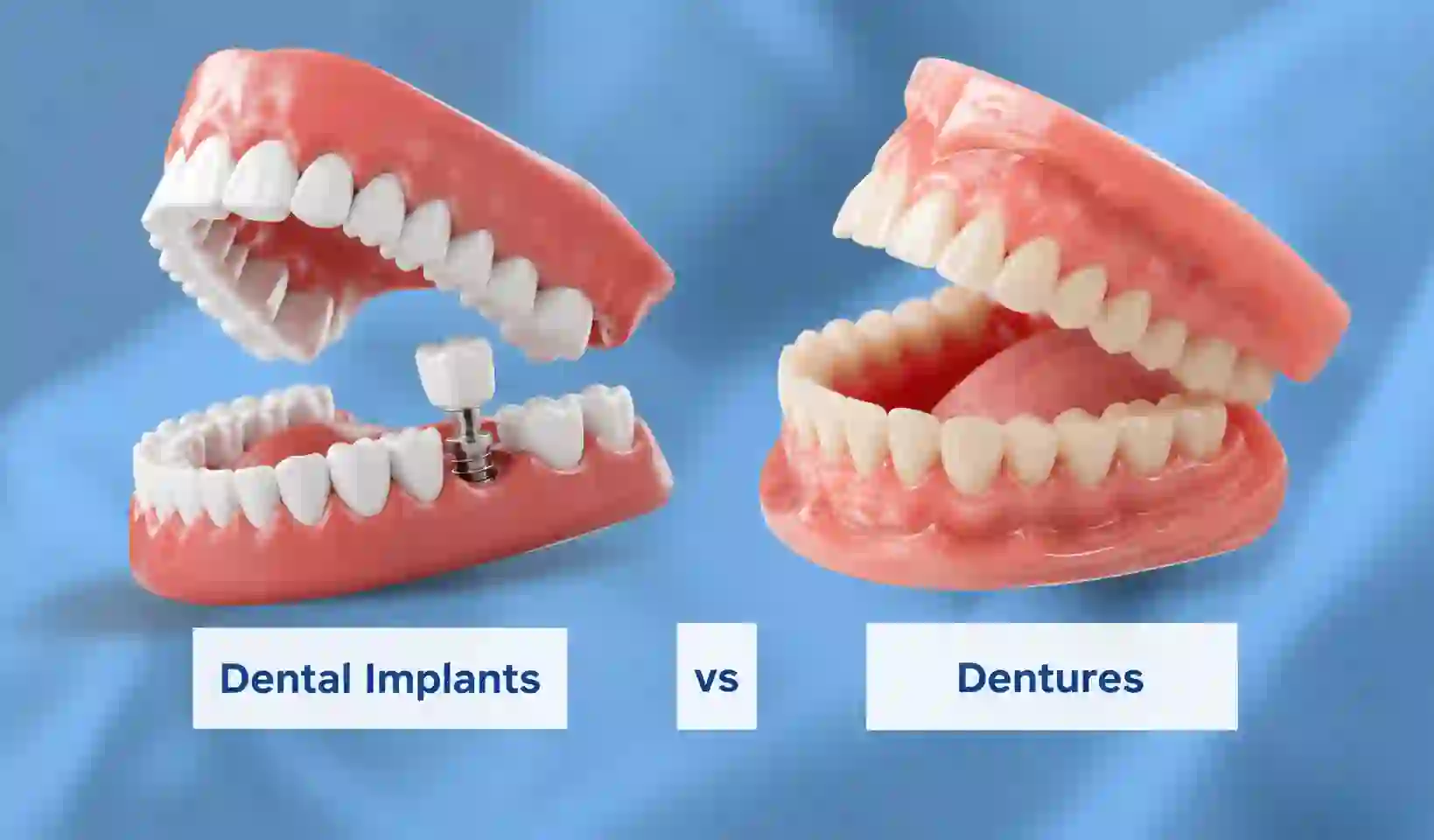
Choosing the right tooth replacement option is one of the most important decisions older adults can make for their oral health. While traditional dentures have helped millions of people restore their smiles, they also come with limitations such as slipping, reduced chewing efficiency, and ongoing maintenance. This is why many dentists now recommend dental implants for seniors as the preferred long-term solution.
Unlike dentures, dental implants replace both the visible tooth and its root, providing stability, preserving jawbone health, and allowing patients to eat, speak, and smile with confidence. For many older adults, this translates into a significantly better quality of life.
Why Dental Implants Are Better Than Dentures: 4 Key Benefits
When comparing dentures with dental implants for seniors, it's important to consider more than just the initial cost. Comfort, durability, oral health, and long-term value all play a crucial role in choosing the right treatment.
1. Fit and Stability (No Slipping or Rocking)
One of the most common complaints about traditional dentures is that they can move while eating, speaking, or laughing. Even high-quality dentures may loosen over time as the jawbone naturally shrinks.
Dental implants, on the other hand, are securely anchored into the jawbone. Once they heal, they function like natural tooth roots, creating a stable foundation that won't shift or fall out.
For dental implants for senior citizens, this stability offers several advantages:
- Speak confidently without worrying about dentures moving.
- Enjoy social events without using denture adhesives.
- Smile naturally without fear of slipping dentures.
- Improve overall comfort throughout the day.
Many patients report that implant-supported teeth feel so natural they often forget they are not their original teeth.
2. Diet and Chewing Power (Eating Hard Foods Safely)
Missing teeth or unstable dentures can make eating difficult, forcing many seniors to avoid nutritious foods.
Common foods that denture wearers often struggle to eat include:
- Apples
- Corn on the cob
- Nuts
- Steak
- Raw vegetables
- Crusty bread
This dietary limitation can contribute to nutritional deficiencies over time.
Because dental implants are fixed securely within the jawbone, they restore much of your natural chewing strength. Patients can comfortably enjoy a wider variety of foods, helping them maintain a healthier, more balanced diet.
This is one of the biggest reasons dental implants for seniors over 60 are recommended by restorative dentists they improve nutrition while restoring confidence at mealtimes.
3. Maintenance and Longevity (Brushing vs. Overnight Soaking)
Traditional dentures require daily removal, soaking in cleaning solutions, and periodic adjustments or replacements as the jawbone changes shape.
Dental implants are much easier to maintain.
Most patients simply:
- Brush twice daily.
- Floss around the implant.
- Visit the dentist for regular cleanings.
- Maintain good oral hygiene.
Unlike dentures, implants remain fixed in place and don't require adhesives or overnight soaking.
With proper care, dental implants can last 20 years or longer, and many patients enjoy them for a lifetime. Although the initial investment is higher, their longevity often makes them a more cost-effective solution over time.
4. Protecting Your Jawbone and Facial Structure
One of the greatest advantages of dental implants for seniors is their ability to preserve jawbone health.
When a natural tooth is lost, the underlying bone gradually begins to shrink because it no longer receives stimulation during chewing. This process, known as bone resorption, can lead to:
- A sunken facial appearance
- Loose dentures
- Difficulty placing implants in the future
- Premature aging around the mouth
Dental implants stimulate the jawbone just like natural tooth roots, helping maintain bone density and preserve facial structure.
For many older adults, this benefit extends far beyond appearance it also supports long-term oral health.
Benefits of Dental Implants for Seniors Over 60 and 65
Age should never be the sole factor in deciding whether to replace missing teeth. In fact, dental implants for seniors over 60 have become increasingly common because they address many age-related oral health challenges while improving overall well-being.
Here are some of the key benefits.
Restored Chewing Function
Dental implants allow seniors to comfortably eat foods that may have become difficult with missing teeth or loose dentures. Improved chewing supports better digestion and nutrition, both of which are essential for healthy aging.
Improved Speech
Missing teeth and unstable dentures can affect pronunciation. Because implants remain securely fixed in place, they provide greater speech clarity and eliminate the worry of dentures slipping during conversation.
Natural Appearance
Modern implant restorations are custom-designed to match the size, shape, and color of your natural teeth. The result is a smile that looks and feels remarkably realistic.
Long-Term Durability
Unlike removable dentures that typically need replacement every five to ten years, dental implants are designed to last for decades with proper care.
Better Oral Health
Unlike traditional bridges, implants do not require grinding down adjacent healthy teeth. They also make it easier to clean between teeth, supporting healthier gums.
Increased Self-Confidence
Many patients say the biggest benefit isn't physical it's emotional. Restoring a complete smile helps people feel more comfortable in social situations, improving confidence and overall quality of life.
Dental Implants vs. Dentures for Seniors
| Feature | Dental Implants | Traditional Dentures |
|---|---|---|
| Stability | Permanently fixed | Can slip or move |
| Chewing Efficiency | Similar to natural teeth | Reduced biting force |
| Speech | Clear and natural | May affect pronunciation |
| Bone Preservation | Helps preserve jawbone | Does not prevent bone loss |
| Appearance | Highly natural | Natural but may change as bone shrinks |
| Maintenance | Brush and floss normally | Remove and soak daily |
| Lifespan | 20+ years or longer | Usually 5–10 years |
| Comfort | Feels like natural teeth | May cause sore spots |
Although dentures remain a suitable option for some patients, many dentists consider dental implants for senior citizens the more predictable long-term solution because they improve function while protecting oral health.
Am I Too Old for Dental Implants?
One of the most common questions patients ask is:
"Am I too old to get dental implants?"
The answer is usually no.
There is no upper age limit for dental implant treatment. Instead of focusing on age, dentists evaluate:
- Overall health
- Gum health
- Bone quality
- Medical history
- Ability to heal after surgery
- Commitment to maintaining oral hygiene
Healthy adults in their 60s, 70s, and even 80s regularly receive dental implants with excellent outcomes.
Should a 70-Year-Old Get Dental Implants?
Absolutely. A healthy 70-year-old can be an excellent candidate for dental implants.
If you have healthy gums, sufficient jawbone, and well-managed medical conditions, dental implants can provide the same long-term benefits enjoyed by younger patients.
Many people choose dental implants for seniors in their seventies because they want a permanent alternative to removable dentures and wish to maintain an active lifestyle.
Can an 80-Year-Old Have a Dental Implant?
Yes. Being 80 years old does not automatically disqualify someone from receiving dental implants.
Your dentist will carefully assess:
- Bone density
- Gum condition
- Current medications
- Overall medical health
- Healing capacity
If necessary, treatments such as bone grafting may be recommended before implant placement.
For many older adults, implant treatment significantly improves comfort, nutrition, speech, and confidence.
How Successful Are Dental Implants for the Elderly?
Dental implants have one of the highest success rates in modern dentistry.
Research consistently shows long-term success rates of 95–98% when treatment is carefully planned and patients maintain good oral hygiene.
Factors that contribute to successful outcomes include:
- Experienced implant surgeons
- High-quality implant systems
- Good oral hygiene
- Regular dental checkups
- Controlled medical conditions
- Avoiding smoking
This makes dental implants for seniors over 60 a predictable and reliable treatment option for replacing missing teeth.
Managing Chronic Conditions
Many seniors live with conditions such as diabetes, osteoporosis, or high blood pressure. Fortunately, these conditions do not necessarily prevent implant treatment.
Diabetes
Patients with well-controlled diabetes can successfully receive dental implants. Maintaining stable blood sugar levels before and after surgery is essential for proper healing.
High Blood Pressure
Controlled hypertension is generally not a contraindication for implant surgery. Your dentist may work with your physician to ensure treatment is carried out safely.
Osteoporosis
Although osteoporosis affects bone density, many patients still qualify for implants. Advanced imaging helps dentists evaluate bone quality and determine whether additional procedures, such as bone grafting, are needed.
Dental Implant Procedure, Recovery, Costs & Affordable Options for Seniors
Once you've decided that dental implants for seniors are the right solution, the next step is understanding the treatment process. Many older adults worry that implant surgery is complicated or painful, but modern techniques have made the procedure safer, more precise, and more comfortable than ever before.
Whether you're replacing one tooth or considering full-mouth restoration, knowing what to expect can help you prepare with confidence.
The Procedure for Full Mouth Dental Implants
For seniors who have lost most or all of their teeth, full-mouth dental implants offer a permanent alternative to removable dentures. Instead of replacing each tooth individually, your dentist strategically places a small number of implants to support an entire arch of replacement teeth.
The most common options include:
All-on-4 Dental Implants
This technique uses four implants to support a complete upper or lower arch. It's often recommended for patients with moderate bone loss because the rear implants are placed at an angle to maximize available bone.
All-on-6 Dental Implants
With six implants supporting the restoration, this option provides additional stability and may be recommended for patients with sufficient jawbone density.
Implant-Supported Dentures
Patients who prefer removable prosthetics but want greater stability can choose implant-supported dentures. These dentures snap securely onto implants, eliminating the slipping commonly associated with traditional dentures.
Your implant specialist will recommend the most suitable option after evaluating your oral health, jawbone condition, and treatment goals.
Step-by-Step: What to Expect During the Journey
Receiving dental implants for seniors is a carefully planned process. While every patient's treatment plan is unique, the journey typically involves four key phases.
Phase 1: Initial Consultation and Digital Planning
Every successful implant treatment begins with a detailed consultation.
Your dentist will assess:
- Your medical history
- Existing dental conditions
- Gum health
- Jawbone density
- Bite alignment
- Current medications
Advanced diagnostic technology, including digital X-rays and Cone Beam CT (CBCT) scans, creates a three-dimensional image of your jaw. This allows the implant surgeon to plan implant placement with exceptional accuracy.
If bone loss is present, procedures such as bone grafting or sinus augmentation may be recommended before implant placement.
Phase 2: Implant Placement Surgery
On the day of surgery, local anesthesia or dental sedation ensures that you remain comfortable throughout the procedure.
During surgery, the dentist:
- Removes any damaged teeth if necessary.
- Places the titanium implant into the jawbone.
- Positions a healing cap or temporary restoration if appropriate.
Most patients report that the procedure is less uncomfortable than they expected, and many return home the same day.
Phase 3: Healing and Osseointegration
Following surgery, the implant gradually fuses with your jawbone through a natural biological process known as osseointegration.
This healing phase generally takes between three and six months, depending on:
- Bone quality
- Overall health
- Smoking status
- Presence of chronic medical conditions
During this period, temporary teeth may be worn while the implants become securely anchored.
Phase 4: Placement of Permanent Teeth
Once healing is complete, your dentist attaches custom-designed crowns, dental bridges, or full-arch restorations to the implants.
These permanent restorations are carefully crafted to:
- Match your natural teeth
- Restore proper bite alignment
- Improve facial aesthetics
- Provide long-term comfort and durability
The result is a smile that looks, feels, and functions much like natural teeth.
Recovery and Aftercare for Seniors
Recovery after implant surgery is generally straightforward. Most patients experience mild discomfort rather than significant pain.
Common temporary symptoms include:
- Mild swelling
- Bruising
- Minor bleeding
- Tenderness around the implant site
These symptoms typically improve within a few days.
To support healing:
- Eat soft foods for the first week.
- Stay well hydrated.
- Avoid smoking and alcohol.
- Take prescribed medications as directed.
- Use ice packs during the first 24 hours.
- Avoid strenuous physical activity for several days.
Following your dentist's instructions carefully helps improve healing and reduces the risk of complications.
Tips for Taking Care of Your Dental Implants
One of the biggest advantages of dental implants for senior citizens is that caring for them is similar to caring for natural teeth.
To maximize the lifespan of your implants:
Brush Twice Daily
Use a soft-bristled toothbrush and fluoride toothpaste to remove plaque effectively.
Clean Between Teeth
Use dental floss, interdental brushes, or a water flosser to clean around implants and prevent gum inflammation.
Visit Your Dentist Regularly
Professional cleanings and routine examinations allow your dentist to monitor implant health and identify problems early.
Avoid Smoking
Smoking significantly increases the risk of implant failure by slowing healing and affecting blood circulation to the gums.
Maintain a Healthy Lifestyle
Eating a balanced diet rich in calcium, vitamin D, and protein supports healthy gums and strong jawbone tissue.
With proper maintenance, many implants last for decades.
How Much Do Dental Implants Cost?
The cost of dental implants for seniors varies depending on several factors, including:
- Number of implants required
- Implant brand
- Bone grafting needs
- Type of restoration
- Country where treatment is performed
- Dentist's experience
Approximate treatment costs:
| Country | Single Implant |
|---|---|
| United States | $3,000–$6,000 |
| Canada | $3,000–$5,500 |
| United Kingdom | £2,000–£3,500 |
| Australia | AUD 3,000–6,500 |
| India | $700–$1,500 |
| Turkey | $600–$1,200 |
| Thailand | $900–$1,800 |
| Mexico | $900–$1,800 |
While pricing shouldn't be the only factor, comparing internationally accredited providers can significantly reduce treatment costs without compromising quality.
Does Insurance or Medicare Cover Dental Implants?
Insurance coverage on dental implants varies depending on your country and policy.
In many cases:
- Traditional Medicare in the U.S. does not routinely cover dental implants.
- Some Medicare Advantage plans may provide limited dental benefits.
- Private dental insurance may partially cover consultations, crowns, or related procedures but often excludes the implant itself.
- Coverage in other countries depends on public healthcare systems and private insurance plans.
Before beginning treatment, ask your provider for a detailed cost breakdown and verify what your insurance includes.
Affordable Dental Implants for Seniors
Many retirees delay treatment because of cost. Fortunately, affordable dental implants for seniors are becoming more accessible through medical tourism.
Countries such as India, Turkey, Thailand, Mexico, and Hungary offer internationally accredited clinics, experienced implant specialists, and advanced technology at significantly lower prices than many Western countries.
Patients often save 40% to 70% while receiving high-quality care, making treatment more attainable for those on a fixed income.
When evaluating affordable options, look beyond price alone. Consider:
- Accreditation and certifications
- Implant brands used
- Surgeon's experience
- Success rates
- Infection control standards
- Patient reviews
- Follow-up care
Choosing a trusted provider helps ensure both safety and long-term success.
Why Seniors Are Choosing Medical Tourism
Medical tourism has become an increasingly popular option for older adults seeking high-quality dental care at lower costs.
Key benefits include:
- Access to internationally trained implant specialists
- Modern dental facilities with advanced technology
- Shorter waiting times
- Comprehensive treatment packages
- Significant cost savings
- Personalized patient support
For many patients, traveling abroad for treatment makes dental implants for seniors over 60 financially achievable while maintaining high standards of care.
Platforms like CureMeAbroad simplify the process by helping patients compare accredited clinics, understand treatment plans, arrange travel, and receive support throughout their medical journey.
Best Countries for Dental Implants, Why Choose CureMeAbroad & FAQs
Best Countries for Affordable Dental Implants for Seniors
For many people, the biggest barrier to restoring their smile is cost. In countries like the United States, the United Kingdom, Canada, and Australia, dental implants can cost several thousand dollars per tooth, making treatment unaffordable for many retirees. This is one of the reasons why affordable dental implants for seniors have become a growing trend in medical tourism.
By choosing internationally accredited clinics abroad, patients can often reduce treatment costs by 40% to 70% while receiving care from experienced implant specialists using globally recognized implant systems.
Here are some of the top destinations for dental implants for seniors.
India
India has emerged as one of the world's leading destinations for affordable dental care. Patients benefit from internationally accredited hospitals, experienced implantologists, advanced digital dentistry, and significantly lower treatment costs.
India is particularly attractive for seniors seeking:
- Single dental implants
- Full-mouth dental implants
- All-on-4 and All-on-6 restorations
- Bone grafting procedures
- Implant-supported dentures
Many dentists in India have trained internationally and use implant systems from globally recognized manufacturers, making the country an excellent option for dental implants for senior citizens.
Turkey
Turkey has become one of Europe's largest dental tourism destinations.
Patients choose Turkey because of:
- Modern dental clinics
- Experienced cosmetic and implant dentists
- Affordable treatment packages
- Convenient travel connections from Europe
Many clinics also provide accommodation, airport transfers, and multilingual patient coordinators.
Thailand
Thailand combines excellent healthcare with outstanding hospitality.
Benefits include:
- Internationally accredited hospitals
- English-speaking dental professionals
- Advanced dental technology
- Comfortable recovery environment
Many international patients combine treatment with a relaxing holiday, making Thailand a popular destination for seniors.
Mexico
For patients living in the United States and Canada, Mexico offers high-quality dental care without long-distance travel.
Advantages include:
- Short travel times
- Lower treatment costs
- Experienced implant specialists
- Well-established dental tourism infrastructure
Border cities such as Los Algodones are particularly well known for dental implant treatment.
Hungary
Hungary has earned an excellent reputation for dental tourism, especially among European patients.
The country offers:
- Highly trained dentists
- Modern dental laboratories
- Competitive pricing
- High-quality prosthetic restorations
Many clinics have decades of experience treating international patients seeking affordable implant care.
How to Choose the Right Dental Implant Provider
Choosing the right provider is one of the most important decisions you'll make during your implant journey. While affordability is important, quality, safety, and experience should always come first.
When evaluating clinics, consider the following factors.
Experience of the Implant Team
Look for clinics with experienced oral surgeons, prosthodontists, and implantologists who perform dental implant procedures regularly.
Ask questions such as:
- How many implant procedures do they perform each year?
- Do they specialize in full-mouth restorations?
- What are their documented success rates?
Advanced Technology
Modern implant treatment relies on digital planning for accuracy and safety.
Choose clinics that offer:
- CBCT scans
- Digital smile design
- Computer-guided implant surgery
- Intraoral scanners
- Digital treatment planning
These technologies improve precision while reducing surgical risks.
Quality of Implant Materials
Not all implants are the same.
Reputable clinics use internationally recognized implant systems manufactured from medical-grade titanium with long-term clinical evidence supporting their performance.
Always ask which implant brand will be used before treatment.
Transparent Treatment Plans
A trustworthy clinic should provide:
- Detailed treatment plans
- Clear pricing
- Estimated timelines
- Information about additional procedures if required
- Post-treatment follow-up recommendations
Transparency helps patients make informed decisions and avoid unexpected costs.
Patient Reviews and Testimonials
Reading verified patient reviews can provide valuable insight into:
- Clinical outcomes
- Communication
- Cleanliness
- Staff professionalism
- Overall patient satisfaction
Consistently positive reviews often indicate a clinic with strong quality standards.
Why Choose CureMeAbroad?
Planning dental treatment overseas involves more than simply booking an appointment. From selecting the right clinic to arranging travel and follow-up care, the process can feel overwhelming especially for older adults.
CureMeAbroad simplifies every step by connecting patients with carefully selected healthcare providers that meet international quality standards.
When you choose CureMeAbroad, you benefit from:
Access to Accredited Clinics
We partner with internationally recognized hospitals and dental centers that follow strict quality and safety protocols.
Experienced Implant Specialists
Our network includes highly qualified dentists with extensive experience in treating dental implants for seniors, including complex full-mouth rehabilitation cases.
Personalized Treatment Planning
Every patient receives recommendations based on their oral health, medical history, treatment goals, and budget.
Transparent Pricing
We help you compare treatment options with clear pricing, allowing you to make informed decisions without hidden costs.
End-to-End Medical Travel Support
Our patient coordinators assist with:
- Online consultations
- Medical record reviews
- Appointment scheduling
- Travel planning
- Accommodation assistance
- Airport transfers
- Ongoing patient support
Our goal is to make accessing affordable dental implants for seniors simple, safe, and stress-free.
Conclusion
Tooth loss doesn't have to define your later years. Thanks to advances in modern dentistry, dental implants for seniors offer a reliable, natural-looking, and long-lasting solution that restores far more than just missing teeth. They improve chewing ability, support better nutrition, preserve jawbone health, enhance speech, and help seniors regain the confidence to smile again.
Whether you're considering dental implants for seniors over 60, exploring full-mouth restoration, or comparing implants with dentures, the key is to seek treatment from experienced professionals who prioritize safety, quality, and long-term outcomes.
If cost has been preventing you from restoring your smile, medical tourism offers a practical alternative. By choosing accredited clinics in destinations such as India, Turkey, Thailand, Mexico, or Hungary, you can access world-class treatment at a fraction of the cost often charged in Western countries.
At CureMeAbroad, we're committed to helping patients make informed healthcare decisions. From connecting you with trusted implant specialists to coordinating every stage of your treatment journey, our team ensures you receive high-quality care with confidence and peace of mind.
If you're ready to explore your options, start with a professional consultation. The right treatment plan can restore not only your smile but also your comfort, confidence, and quality of life for many years to come.
Frequently Asked Questions (FAQs)
Q1. Does age affect the success rate of dental implants?
No. Age alone does not determine implant success. Overall health, gum condition, jawbone quality, and good oral hygiene have a much greater impact than age itself. Healthy seniors often achieve success rates comparable to younger adults.
Q2. How long do dental implants last in elderly patients?
With proper care, dental implants can last 20 years or more, and many last a lifetime. Regular dental checkups, daily oral hygiene, and avoiding smoking help maximize their lifespan.
Q3. Is the dental implant procedure painful for older patients?
The procedure is performed under local anesthesia or sedation, so patients typically experience little discomfort during surgery. Mild swelling or soreness afterward is normal and usually resolves within a few days.
Q4. How long does the dental implant process take for seniors?
Most treatments take between three and six months, depending on healing time and whether additional procedures, such as bone grafting, are required. Some patients may qualify for immediate-load implants.
Q5. What are the alternatives to dental implants for senior citizens?
Alternatives include:
- Traditional complete dentures
- Partial dentures
- Implant-supported dentures
- Dental bridges
Your dentist will recommend the most suitable option based on your oral health, budget, and treatment goals.
Q6. How do you get dental implants when you can't afford them?
If you're concerned about cost, consider these options:
- Dental insurance benefits (where applicable)
- Monthly financing plans
- Healthcare credit programs
- Dental schools offering supervised treatment
- Medical tourism through trusted platforms like CureMeAbroad
Many seniors choose treatment abroad because it provides access to affordable dental implants for seniors without compromising on quality.