Chemotherapy Abroad
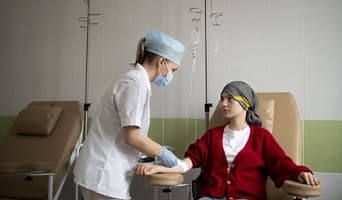
Chemotherapy uses drugs to disrupt how cancer cells divide and reproduce. Fast-dividing healthy cells are caught in the same process, producing side effects. When domestic waiting times run too long, local costs are unaffordable, or specific regimens are unavailable, patients look at chemotherapy abroad. Any cancer treatment hospital abroad being considered needs accreditation, physician qualifications, and post-treatment care arrangements independently confirmed before a decision is reached. Chemotherapy is given in structured cycles, each combining a treatment phase and a recovery period that allows normal tissues to repair before the next cycle. The oncologist determines the drugs, dosage, number of cycles, and route of administration based on biopsy results, cancer stage, scan findings, and the patient’s overall condition. Chemotherapy is often used alongside surgery, radiation therapy, immunotherapy, or targeted therapy, with the full treatment plan designed in sequence before starting. Hospital quality varies across countries, so accreditation, oncologist experience, and medical record transfer processes must be carefully verified before treatment. CureMeAbroad connects patients with accredited hospitals and specialists worldwide for chemotherapy abroad.

FREE HOTEL & FLIGHTS

100% OFF ON DENTAL CHECKUP

BEST PRICE GUARANTEED
Overview
Chemotherapy uses drugs to disrupt how cancer cells divide and reproduce. Fast-dividing healthy cells are caught in the same process, producing side effects. When domestic waiting times run too long, local costs are unaffordable, or specific regimens are unavailable, patients look at chemotherapy abroad. Any cancer treatment hospital abroad being considered needs accreditation, physician qualifications, and post-treatment care arrangements independently confirmed before a decision is reached. Chemotherapy is given in structured cycles, each combining a treatment phase and a recovery period that allows normal tissues to repair before the next cycle. The oncologist determines the drugs, dosage, number of cycles, and route of administration based on biopsy results, cancer stage, scan findings, and the patient’s overall condition. Chemotherapy is often used alongside surgery, radiation therapy, immunotherapy, or targeted therapy, with the full treatment plan designed in sequence before starting. Hospital quality varies across countries, so accreditation, oncologist experience, and medical record transfer processes must be carefully verified before treatment. CureMeAbroad connects patients with accredited hospitals and specialists worldwide for chemotherapy abroad.
Treatment Duration
Most chemotherapy courses run 3-6 months, with cancer type, drug regimen, and patient response all shaping the actual length.
Administration Methods
Drugs are delivered intravenously, orally, or by injection according to the prescribed protocol.
Expected Results
Physicians will generally evaluate the success of the treatment using imaging and blood work every two to four cycles (approximately two to three months).
Combined Use
Surgery and radiation therapy are often built into the same treatment plan as chemotherapy, with sequencing determined before treatment begins.
Accreditation
JCI or a recognized national equivalent is what separates an accountable cancer treatment hospital abroad from one with no independent clinical oversight.
Treatment Costs
Chemo treatment cost in countries like India, Turkey, and Thailand tends to be far lower than equivalent care in the US, UK, or Australia.
Scheduling
Hospitals offering chemotherapy abroad can often start treatment within days, where public systems at home sometimes have waiting lists of several months.
Clinical Teams
Reputable centers providing oncology treatment abroad staff their departments with board-certified oncologists experienced in treating specific tumor types.
Affordable Care | Transparent Costs | Expert Guidance
Get best price with CureMeAbroad
Things to Check for Chemotherapy Abroad
- Written accreditation confirmation from the certifying body itself, not hospital materials, is the correct starting point when assessing any hospital abroad.
- Board certification, subspecialty, and case volume with the specific diagnosis are the relevant details when reviewing the oncologist who will oversee chemotherapy treatment abroad.
- Which recognized framework, NCCN, ESMO, or equivalent, governs the treatment protocols at the facility must be established before any commitment is made.
- A dedicated oncology unit with functioning infusion equipment and monitoring systems confirms that safe chemotherapy infusion abroad is actually possible at that hospital.
- A written itemized breakdown of every element of the chemo treatment cost must be secured before any chemotherapy abroad travel or commitment is finalized.
- What pain management, nutritional support, and psychological care are available at the specific facility should be asked about rather than assumed.
- A written confirmation that complete records will be handed over before discharge, and not afterward, should be requested before treatment begins.
- Who handles complications and who can be reached outside normal hours during chemotherapy treatment abroad needs to be established well before the first session.
- A formal international patient process with genuine language support shows whether the hospital is actually prepared for oncology treatment abroad.
Risks And Complications of Chemotherapy Abroad
- Fatigue, nausea, hair loss, and susceptibility to infection are common during chemotherapy treatment abroad because cytotoxic drugs affect fast-dividing healthy cells alongside cancerous ones.
- Bone marrow suppression during oncology treatment abroad reduces blood cell counts to a level where skipping inter-cycle monitoring introduces avoidable and potentially serious risk.
- Peripheral neuropathy in hands and feet tied to drugs used in chemotherapy infusion abroad, especially platinum compounds and taxanes, can persist after the treatment course ends.
- Certain drug combinations used in chemotherapy treatment abroad carry documented long-term risks to the heart, kidneys, or liver, with some effects appearing years after treatment concludes.
- Complications arising after leaving the cancer treatment hospital abroad are considerably harder to manage across different countries and time zones.
- Incomplete or missing records from a facility offering chemotherapy abroad leave the home oncologist without enough information to safely continue treatment.
- Poor language support at hospitals puts patients at genuine risk of misunderstanding instructions or missing clinical warning signs.
- Medical clearance before flying between chemotherapy infusion abroad sessions is necessary because immune suppression, nausea, and clotting risk all increase during air travel.
- Medical clearance before flying between chemotherapy infusion abroad sessions is necessary because immune suppression, nausea, and clotting risk all increase during air travel.
Do’s
- ✓Verify surgeon credentials (e.g. ISAPS, JPRAS)
- ✓Ask for before-after photos
- ✓Check language barriers
- ✓Review aftercare and follow-up options
- ✓Consider local laws on medical malpractice
Don'ts
- ✗Don't Choose a Clinic Based Only on Price
- ✗Don't Rely Solely on Social Media or Influencers
- ✗Don't Ignore Language Barriers
- ✗Don't Rush Into Surgery Without Research
- ✗Don't Assume You Can Fly Back Immediately
Under Cancer Treatment
Loading...
CureMeAbroadIs Absolutely Free
Just discovery so you can choose what's right for you!


World's No. 1 Medical Discovery Platform
Chemotherapy
This procedure involves specific medical techniques tailored to address particular health conditions. Your doctor will explain the detailed process based on your case.
Chemotherapy
Eligibility depends on your medical history, current condition, and treatment goals. A consultation and evaluation will determine if you are a suitable candidate.
Chemotherapy
Preparation may include lab tests, imaging, medication adjustments, fasting, or lifestyle recommendations. Your healthcare provider will give you personalized instructions.
What does this procedure involve?
Chemotherapy
This procedure involves specific medical techniques tailored to address particular health conditions. Your doctor will explain the detailed process based on your case.