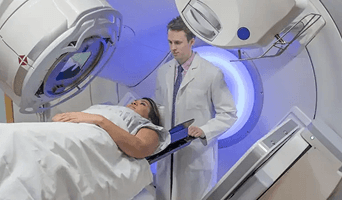
Brachytherapy (Internal Radiation Therapy) Abroad
Advanced radiology methods have helped doctors target tumors more precisely during cancer treatment. Brachytherapy is a type of internal radiation treatment where radioactive material is placed close to the tumor area inside the body. This method may help reduce radiation exposure to nearby healthy tissues and organs. Some patients may need this treatment for prostate cancer, cervical cancer, breast cancer and certain skin cancers. In many cases brachytherapy may also be combined with external radiation therapy or other cancer treatments based on the cancer condition. During the procedure doctors place small radioactive materials inside the body near the tumor area using imaging guidance. This may help deliver a precise radiation dose directly to the cancer while limiting damage to surrounding healthy tissues. Many patients choose this treatment because it may help control tumor growth with shorter treatment sessions in some cases. Adults with selected prostate cancer and cervical cancer conditions may commonly qualify for this treatment. With CureMeAbroad patients can access brachytherapy abroad treatment, experienced cancer centers and affordable internal radiation therapy cost options in many countries.
Overview
Advanced radiology methods have helped doctors target tumors more precisely during cancer treatment. Brachytherapy is a type of internal radiation treatment where radioactive material is placed close to the tumor area inside the body. This method may help reduce radiation exposure to nearby healthy tissues and organs. Some patients may need this treatment for prostate cancer, cervical cancer, breast cancer and certain skin cancers. In many cases brachytherapy may also be combined with external radiation therapy or other cancer treatments based on the cancer condition. During the procedure doctors place small radioactive materials inside the body near the tumor area using imaging guidance. This may help deliver a precise radiation dose directly to the cancer while limiting damage to surrounding healthy tissues. Many patients choose this treatment because it may help control tumor growth with shorter treatment sessions in some cases. Adults with selected prostate cancer and cervical cancer conditions may commonly qualify for this treatment. With CureMeAbroad patients can access brachytherapy abroad treatment, experienced cancer centers and affordable internal radiation therapy cost options in many countries.
Cancer Control
Many patients with early stage prostate cancer may have long term cancer control after brachytherapy treatment.
Treatment Sessions
Some HDR brachytherapy sessions may take around 30 to 60 minutes per treatment session.
Surgery Time
Prostate seed implant procedures may take around 1 to 2 hours in many patients.
Hospital Stay
Many patients may return home the same day or stay one night after treatment.
Treatment Cost
The average internal radiation therapy cost in the US may range around $15,000–$50,000.
Affordable Care | Transparent Costs | Expert Guidance
Get best price with CureMeAbroad
Things to Check for Brachytherapy - Internal Radiation Therapy Abroad
- Check whether brachytherapy is suitable for your cancer stage and condition.
- Ask whether low dose or high dose brachytherapy is recommended for your treatment.
- Choose experienced radiation oncology hospitals for brachytherapy treatment.
- Check whether the hospital uses imaging guidance during treatment placement.
- Request a complete breakdown of the internal radiation therapy cost before treatment.
Risks And Complications of Brachytherapy - Internal Radiation Therapy Abroad
- Some patients may notice burning urination, weak urine flow or frequent urination after treatment.
- Radiation treatment may sometimes cause rectal discomfort or bleeding.
- Some patients may feel tired during or after brachytherapy treatment.
- Some men may notice erectile problems after brachytherapy for prostate cancer treatment.
- Some women may develop vaginal discomfort after brachytherapy for cervical cancer treatment.
Do’s
- ✓Verify surgeon credentials (e.g. ISAPS, JPRAS)
- ✓Ask for before-after photos
- ✓Check language barriers
- ✓Review aftercare and follow-up options
- ✓Consider local laws on medical malpractice
Don'ts
- ✗Don't Choose a Clinic Based Only on Price
- ✗Don't Rely Solely on Social Media or Influencers
- ✗Don't Ignore Language Barriers
- ✗Don't Rush Into Surgery Without Research
- ✗Don't Assume You Can Fly Back Immediately
Under Cancer Treatment
Loading...
CureMeAbroadIs Absolutely Free
Just discovery so you can choose what's right for you!


World's No. 1 Medical Discovery Platform
Brachytherapy - Internal Radiation Therapy
This procedure involves specific medical techniques tailored to address particular health conditions. Your doctor will explain the detailed process based on your case.
Brachytherapy - Internal Radiation Therapy
Eligibility depends on your medical history, current condition, and treatment goals. A consultation and evaluation will determine if you are a suitable candidate.
Brachytherapy - Internal Radiation Therapy
Preparation may include lab tests, imaging, medication adjustments, fasting, or lifestyle recommendations. Your healthcare provider will give you personalized instructions.
What does this procedure involve?
Brachytherapy - Internal Radiation Therapy
This procedure involves specific medical techniques tailored to address particular health conditions. Your doctor will explain the detailed process based on your case.