Esophagus Cancer Treatment Abroad
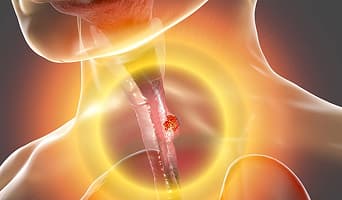
Treatment for esophageal cancer depends on the stage of the disease, the patient’s overall health, and the characteristics of the tumor. Surgery, chemotherapy, and radiation may be used alone or in combination, depending on these factors. Results are closely linked to surgical expertise, hospital case volume, and coordinated multidisciplinary care. Esophageal cancer treatment abroad is often explored because of differences in waiting times, access to experienced high-volume teams, and the availability of advanced minimally invasive and robotic procedures at accredited international centers. The esophagus is a muscular tube that moves food from the throat down to the stomach. Esophageal cancer starts in the inner lining and may extend through the esophageal wall and into nearby lymph nodes. The two principal types are squamous cell carcinoma, which typically arises in the upper and middle esophagus, and adenocarcinoma, which forms near the lower end close to the stomach. What drives treatment planning is mainly whether the cancer can be operated on, together with its stage and the patient's general condition. Where surgery is feasible, esophagectomy may remove part or all of the esophagus, depending on how far the disease has spread. Chemotherapy and radiation may be given before or after surgery or serve as the main treatment when surgery isn’t an option. Targeted therapy and immunotherapy are chosen according to the tumor's biology and whether the patient is suited to them. Difficulty swallowing is a frequent symptom that tends to surface at an advanced stage, the point at which many patients start looking into treatment options abroad because of differences in access, timing, and the availability of specialist care. CureMeAbroad connects patients with accredited hospitals and specialists across the world for esophageal cancer treatment abroad.
Overview
Treatment for esophageal cancer depends on the stage of the disease, the patient’s overall health, and the characteristics of the tumor. Surgery, chemotherapy, and radiation may be used alone or in combination, depending on these factors. Results are closely linked to surgical expertise, hospital case volume, and coordinated multidisciplinary care. Esophageal cancer treatment abroad is often explored because of differences in waiting times, access to experienced high-volume teams, and the availability of advanced minimally invasive and robotic procedures at accredited international centers. The esophagus is a muscular tube that moves food from the throat down to the stomach. Esophageal cancer starts in the inner lining and may extend through the esophageal wall and into nearby lymph nodes. The two principal types are squamous cell carcinoma, which typically arises in the upper and middle esophagus, and adenocarcinoma, which forms near the lower end close to the stomach. What drives treatment planning is mainly whether the cancer can be operated on, together with its stage and the patient's general condition. Where surgery is feasible, esophagectomy may remove part or all of the esophagus, depending on how far the disease has spread. Chemotherapy and radiation may be given before or after surgery or serve as the main treatment when surgery isn’t an option. Targeted therapy and immunotherapy are chosen according to the tumor's biology and whether the patient is suited to them. Difficulty swallowing is a frequent symptom that tends to surface at an advanced stage, the point at which many patients start looking into treatment options abroad because of differences in access, timing, and the availability of specialist care. CureMeAbroad connects patients with accredited hospitals and specialists across the world for esophageal cancer treatment abroad.
Treatment Approach
Whether surgery is even an option shapes a lot of the treatment plan from the start. Some patients go straight into the operating room, while others need chemotherapy, radiation, targeted therapy, or immunotherapy first, sometimes a mix of these, before surgery comes into the picture.
Travel Considerations
Hospitals that handle esophagectomies regularly, with teams experienced in complex cases, draw a fair number of patients from abroad. Sorting out who manages follow-up care and how treatment records get shared with doctors back home matters before that trip even starts.
Recovery Timeline
Bouncing back from esophageal cancer treatment takes time; there's no shortcut here. Surgery patients especially need several weeks nearby so the team can keep an eye on healing before clearing anyone for a long trip home.
Expected Results
How things turn out depends a lot on cancer stage, general health, and whether the tumor's responding to treatment. And once treatment's done, scans, check-ups, and nutritional support don't just stop, they stick around as part of long-term care.
Affordable Care | Transparent Costs | Expert Guidance
Get best price with CureMeAbroad
Things to Check for Esophageal Cancer Treatment Abroad
- Verify that the hospital carries current accreditation from JCI or a national authority with comparable standing in that country.
- Request the surgeon's esophagectomy case numbers directly, not their general oncology or surgical history.
- Check that oncology, surgery, radiology, and clinical nutrition are all part of the team planning each patient's treatment, not brought in on a selective basis.
- Ask whether the ICU manages post-esophagectomy patients as a routine part of its work rather than on an occasional basis.
- Get a written cost breakdown that covers the procedure, inpatient period, post-discharge follow-up, and a realistic figure for what complications would add.
- Hospitals that regularly provide esophageal cancer treatment abroad maintain a dedicated unit for international patient coordination, documentation, and translation.
- Ask the hospital directly what support is available to a patient who encounters a treatment-related problem after going home.
- Patient accounts on independent review platforms are more reliable than anything the hospital itself has published.
- Forward digital scans and pathology files to the overseas team for review before travel plans or treatment decisions are finalized.
Risks And Complications of Esophageal Cancer Treatment Abroad
- A leak at the anastomosis, where the esophagus is rejoined to the stomach or bowel, is among the most serious post-operative complications and needs an immediate clinical response.
- Long-haul flights taken before recovery is properly established raise the documented risk of deep vein thrombosis and thromboembolic events.
- Home physicians handling a post-discharge complication often work without the operative notes that only the overseas surgical team would have produced.
- A language barrier between patients and clinical staff makes medication instructions, discharge information, and follow-up requirements unreliable.
- Chemotherapy protocols and radiation standards differ between countries, and patients transferring mid-treatment to domestic care may not get a clean handover.
- Nutritional rehabilitation after esophagectomy depends on early dietitian involvement, which overseas hospitals provide with varying reliability.
- Complications that extend the hospital stay past the planned discharge date add costs absent from the original estimate.
- Running imaging, lab work, and consultations across two health systems without shared infrastructure causes coordination problems that surface during follow-up.
- Recovering from esophageal surgery abroad without family or familiar surroundings carries a psychological burden often overlooked during planning.
Do’s
- ✓Verify surgeon credentials (e.g. ISAPS, JPRAS)
- ✓Ask for before-after photos
- ✓Check language barriers
- ✓Review aftercare and follow-up options
- ✓Consider local laws on medical malpractice
Don'ts
- ✗Don't Choose a Clinic Based Only on Price
- ✗Don't Rely Solely on Social Media or Influencers
- ✗Don't Ignore Language Barriers
- ✗Don't Rush Into Surgery Without Research
- ✗Don't Assume You Can Fly Back Immediately
Under Cancer Treatment
Loading...
CureMeAbroadIs Absolutely Free
Just discovery so you can choose what's right for you!


World's No. 1 Medical Discovery Platform
Esophageal Cancer Treatment
This procedure involves specific medical techniques tailored to address particular health conditions. Your doctor will explain the detailed process based on your case.
Esophageal Cancer Treatment
Eligibility depends on your medical history, current condition, and treatment goals. A consultation and evaluation will determine if you are a suitable candidate.
Esophageal Cancer Treatment
Preparation may include lab tests, imaging, medication adjustments, fasting, or lifestyle recommendations. Your healthcare provider will give you personalized instructions.
What does this procedure involve?
Esophageal Cancer Treatment
This procedure involves specific medical techniques tailored to address particular health conditions. Your doctor will explain the detailed process based on your case.