

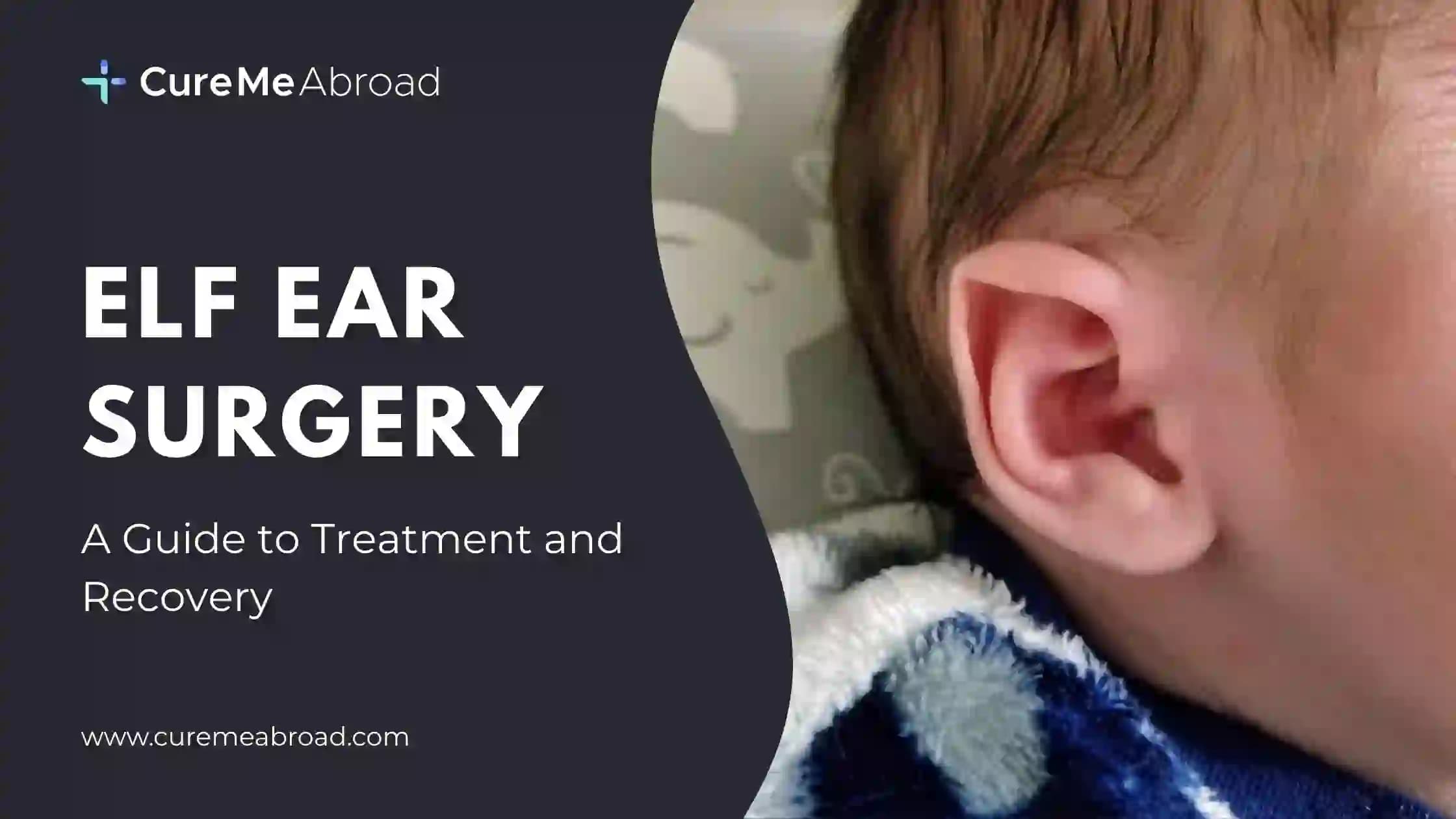
For a time, people have been fascinated by pointed ears. They are often associated with mystical things. You can see them on elves in J.R.R. Tolkiens Middle-earth and on Mr. Spock in Star Trek. These ears make people think of fantasy and something beyond the ordinary. While some people use ears for fun others want to make this fantasy a part of their real life through surgery.
Welcome to the world of elf ear surgery. This is also known as ear pointing or ear shaping. It is a procedure that changes the shape of the human ear to make it look like an elfs ear. This is a mix of surgery and extreme body modification. It attracts people who love fantasy and those who just want to look different.
In this guide we will look at every aspect of elf ear surgery. We will talk about the techniques, the cost, the recovery process and what you need to think about before getting the surgery. Whether you are thinking of getting the surgery or just curious about it, this article will give you a look at the art and science of ear pointing.
Understanding Elf Ear Surgery
Before we dive into the details it is essential to understand what elf ear surgery is. It is a type of surgery that changes the shape of the ear. The goal is to remove the part of the ear and sew the remaining edges together to create a point. This is what makes the ear look like an elfs ear. It is crucial to note that this is a procedure meaning it is not necessary for medical reasons. It is also not usually covered by health insurance.
People get elf ear surgery for reasons. For some it is a way to express themselves and feel like who they are. For others it is a form of body art like tattoos or piercings. More permanent. Social media has also played a role in making this look more popular with people showing off their results and making it seem normal.
The Procedure: Step-by-Step
Elf ear surgery is a procedure that requires a skilled surgeon. The ear is made of cartilage covered by skin and cartilage has a "memory" that makes it want to go to its original shape. The challenge is to overcome this memory and make sure the skin heals properly.
1. Planning
The process starts with a consultation with a surgeon or a licensed body modification artist. You talk about the shape you want and they look at your ear to see what is possible. They also check your health to make sure you are a candidate for the surgery.
2. Anesthesia
On the day of the surgery you get anesthesia. This means you are awake. You do not feel pain. The surgeon injects numbing agents into your ear. You can sit up or move your head if needed.
3. The Incision and Removal
The surgeon draws a line on your ear. Removes the skin and cartilage to create a point. There are two techniques: the wedge excision method and the suture-only method. The first one involves removing a piece of cartilage while the second one involves folding the cartilage to create a ridge.
4. Closure and Suturing
The surgeon sews the wound closed making sure the skin is not too tight. This is a part of the surgery as it can affect the final result. The stitches are usually dissolvable. The closure follows a zig-zag pattern to maintain the shape of the ear.
5. Dressing
The ear is dressed and sometimes a splint or mold is used to hold the new shape in place.
Cost Analysis: Investing in Modification
The cost of elf ear surgery varies depending on the provider, location and complexity of the design. The price range is usually between $1,500 and $4,000. However it can be higher if you go to a high-end surgeon or a body modification artist.
The Recovery Process: Healing Your New Points
Recovery from elf ear surgery is relatively straightforward. It requires patience and following the aftercare instructions. The ear will be swollen and tender. You need to keep your head elevated to reduce swelling. You can take over-the-counter pain medication to manage the pain.
The first few days are the challenging as you need to keep the dressing dry and clean. You also need to sleep on your back or the non-surgical side to avoid putting pressure on the points. After a week the bandages are removed. You can see the new shape. The ear will look bruised. The stitches will be visible.
It is essential to clean the ear and avoid infection. You may feel numbness on the top of the ear. This usually goes away after a few weeks. The itching sensation as the skin heals is a sign that the wound is closing. By the week the pain should have subsided and you can start to see the final result.
The cartilage in your ear is still really fragile. You need to be careful and avoid doing things that could bump or pull your ear. This means you should not do contact sports go swimming or wear hats or hoods that fit tightly.
The scar tissue is starting to form inside your ear. This tissue is like a kind of glue that holds the cartilage in its shape. If your ear gets hurt during this time the cartilage could go back to its shape, which is not what you want.
Long-Term Healing (Months 2–12)
Your ear will take a year to heal completely.
| Timeline | Healing |
|---|---|
| Months 2–3 | The swelling will go down a lot. You will be able to see the real shape of your ear. |
| Month 6 | The scar tissue will get softer. Feel more natural. |
| Year 1 | Your ear will be fully healed. The cartilage will be stable. |
You should massage your ear gently once the cut is fully closed. This helps break up the scar tissue and keeps your skin soft.
Risks and Considerations
Elf ear surgery can be risky like any other surgery. If you go to a professional the risks are lower.
1. Infection
If you get an infection it can be serious. This is because the cut is made in the cartilage. You might get a kind of infection called "perichondritis". If you do not treat it the cartilage could get all shriveled up which is called "cauliflower ear". You will know if you have an infection if your ear is really red, hot and painful. If it has pus. You need to see a doctor away and take antibiotics.
2. Asymmetry
Your ears are probably not perfectly symmetrical anyway. Surgery can make the difference more noticeable. If one point is a little higher or sharper than the other you might be able to see it. Sometimes you need to have another surgery to fix this.
3. Scarring
The cuts are small. They will leave scars. Most scars will fade away. Become thin white lines. Some people get scars that are raised and thick which is called hypertrophic scarring or keloids. This happens often to people with darker skin. If you have had keloids before you should talk to your surgeon about it because elf ear surgery might not be an idea for you.
4. Regret and Reversibility
The thing about elf ear surgery is that it is permanent. If you do not like your ears you can have another surgery to fix them but it is hard and expensive. You would need to have skin grafts and cartilage reconstruction to make your ear look normal again. It will also leave scars and your ear might not look exactly the same as it did before.
5. The Cultural and Psychological Aspect
People who get elf ear surgery often want to change their bodies and be different. It is like they want to be more than human.
For people getting elf ear surgery makes them feel more confident. They feel like they can be themselves and show the world who they're. You need to make sure you are doing it for yourself and not because someone else wants you to. Because the surgery is permanent you need to be really sure you want to do it.
Alternatives to Surgery
If you like the look of elf ears but do not want to have surgery there are things you can do:
- Prosthetics: You can buy silicone elf ears that look really realistic. You can glue them on with spirit gum. Use makeup to make them look even more real. This is an option for people who like to dress up.
- Molding and Tape: Some people use tape to make their ears look pointed. This works for taking pictures. It is not comfortable and you cannot wear it for a long time.
- Thread Lifts: This is a thing you can do to make your ears look pointed. You get threads put under your skin to pull your ear up. It only lasts for a few months to a year.
Conclusion
Elf ear surgery is really interesting because it combines art, medicine and personal style. It is a way for people to permanently change their ears to look like elves. The surgery is complex. It is usually safe when a qualified doctor does it and the results can last a lifetime.
However you should think carefully before deciding to have elf ear surgery. It can be expensive and recovering from the surgery takes time. There are also risks involved even though they can be managed. Since the change is permanent you need to be completely sure about your decision.
If you are thinking about having elf ear surgery you should research the doctor thoroughly. Look at the results of their surgeries not just the pictures taken right after the surgery. Make sure they work in an environment and have a plan for the surgery and the follow-up care.
Ultimately changing your body is about taking control of how you look. It is about changing the body you were born with to fit the person you're inside. For people who choose to have elf ear surgery the result is often an interesting change that sets them apart from others.
Frequently Asked Questions (FAQs)
1. Does elf ear surgery hurt?
The surgery is done with anesthesia so you will not feel pain during the procedure, just some pressure or pulling sensations. After the anesthesia wears off you will feel discomfort, swelling and throbbing for a days. This pain can usually be managed with over-the-counter pain relievers like ibuprofen.
2. Is elf ear surgery Reversible?
Yes it is technically possible. It is difficult and expensive. To reverse the surgery you would need to have surgery, which could involve skin grafts and cartilage reshaping to restore your natural ear shape. The results may not look like your original ears and you will likely have scars. It is best to think of elf ear surgery as a decision.
3. How long does the procedure take?
The surgery is relatively quick. For one ear it usually takes 30 to 45 minutes. If you are having both ears done the procedure will take around 60 to 90 minutes. The time it takes can vary depending on the complexity of the design and the technique used by the surgeon.
4. Will I be able to hear after the surgery?
Yes you will still be able to hear after elf ear surgery. The surgery only changes the part of the ear not the inner structures that help you hear. Your hearing should be the same as it was before the surgery.
5. Can I wear headphones or glasses after the surgery?
You will need to avoid wearing headphones that cover your ears for weeks after the surgery until your ears have healed enough that they can handle the pressure. Wearing glasses can also be tricky if the frames rest on the part of your ear. You may need to wear contact lenses or adjust your glasses so they do not press on the surgical site.
References
American Board of Cosmetic Surgery. (n.d.). Otoplasty (Ear Surgery) Guide.
Modern Body Modification. (2021). The History and Technique of Ear Pointing. Journal of Body Modification Arts.
Archer, J., & Gupta, V. (2018). Complications in Cartilage Reshaping Surgery. Plastic and Reconstructive Surgery Global Open, 6(9).
Thompson, D. (2019). "I Want to Look Like an Elf": The Rise of Cosmetic Fantasy Surgery. Vogue UK.
Mayo Clinic Staff. (2020). Otoplasty: What you can expect. Mayo Clinic Proceedings.
BME Encyclopedia. (2023). Ear Pointing: Procedures and Risks. Body Modification Ezine.
American Society of Plastic Surgeons. (2022). 2018 Plastic Surgery Statistics Report.