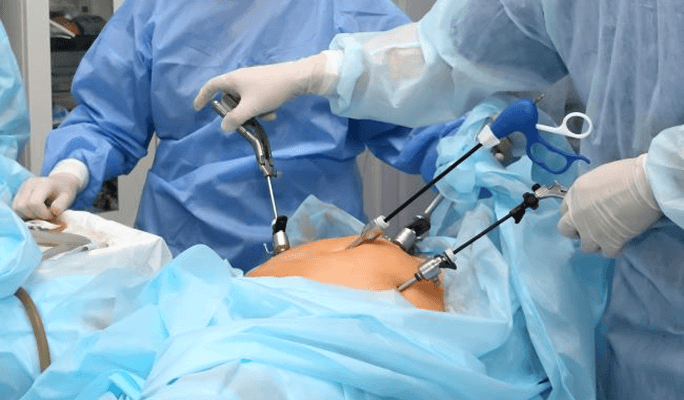
Gallbladder Removal Surgery
The liver produces bile continuously, and the gallbladder holds it until digestion needs it. Gallstones, infected tissue, and blocked bile ducts are the most common reasons patients end up needing gallbladder removal surgery. Cholecystectomy is the name for the procedure, and it's typically carried out through small incisions using camera-guided instruments. Once the gallbladder is gone, bile travels directly from the liver to the intestine. Patients who can't access timely or affordable treatment locally often look into gallbladder removal abroad. Gallbladder removal surgery goes by the clinical name cholecystectomy, and few abdominal operations are performed more frequently around the world. The procedure comes into the picture when gallstones start causing pain, set off inflammation, or get in the way of bile moving through the system normally. Cholecystitis, biliary colic, and a gallbladder that has lost the ability to function properly are other situations that bring patients to the same point. There are two ways surgeons approach it. One involves passing a camera and small instruments through a handful of minor cuts in the abdomen, which is the laparoscopic method. The other requires a single, larger incision and is referred to as open surgery. Laparoscopic surgery has become the default for most patients because the body tends to recover faster from it and the post-operative discomfort is easier to manage. For anyone weighing up gallbladder surgery abroad, laparoscopic cholecystectomy abroad is usually what they're specifically after. Spending fewer nights as an inpatient matters quite a bit when getting the procedure done means traveling away from home. CureMeAbroad gives patients a way to look at hospitals and surgeons from multiple countries in one place, comparing things like clinical track record, feedback left by previous patients, and the full picture of what treatment is going to cost.

FREE HOTEL & FLIGHTS

100% OFF ON DENTAL CHECKUP

BEST PRICE GUARANTEED
Overview
The liver produces bile continuously, and the gallbladder holds it until digestion needs it. Gallstones, infected tissue, and blocked bile ducts are the most common reasons patients end up needing gallbladder removal surgery. Cholecystectomy is the name for the procedure, and it's typically carried out through small incisions using camera-guided instruments. Once the gallbladder is gone, bile travels directly from the liver to the intestine. Patients who can't access timely or affordable treatment locally often look into gallbladder removal abroad. Gallbladder removal surgery goes by the clinical name cholecystectomy, and few abdominal operations are performed more frequently around the world. The procedure comes into the picture when gallstones start causing pain, set off inflammation, or get in the way of bile moving through the system normally. Cholecystitis, biliary colic, and a gallbladder that has lost the ability to function properly are other situations that bring patients to the same point. There are two ways surgeons approach it. One involves passing a camera and small instruments through a handful of minor cuts in the abdomen, which is the laparoscopic method. The other requires a single, larger incision and is referred to as open surgery. Laparoscopic surgery has become the default for most patients because the body tends to recover faster from it and the post-operative discomfort is easier to manage. For anyone weighing up gallbladder surgery abroad, laparoscopic cholecystectomy abroad is usually what they're specifically after. Spending fewer nights as an inpatient matters quite a bit when getting the procedure done means traveling away from home. CureMeAbroad gives patients a way to look at hospitals and surgeons from multiple countries in one place, comparing things like clinical track record, feedback left by previous patients, and the full picture of what treatment is going to cost.
Procedure Time
Gallbladder removal surgery takes 2-3 hours, depending on the patient's condition and the complexity of the procedure.
Recovery Period
A good number of patients get back to their usual routines within a few days. Getting to full recovery, however, takes closer to 2-4 weeks for most.
Expected Results
Pain, nausea, and vomiting caused by gallbladder disease tend to clear up after surgery. Digestion also shows improvement as the body heals.
Ideal Candidates
Those who have dealt with recurring gallstones, long-standing abdominal pain, or complications tied to gallstones previously are mostly the ones considered suitable for this procedure.
Affordable Care | Transparent Costs | Expert Guidance
Get best price with CureMeAbroad
Things to Check for Gallbladder Removal Surgery Abroad
- Surgical volume matters, so find out the exact count of laparoscopic cholecystectomies the surgeon has personally carried out.
- Look for JCI accreditation or a comparable certification, since facility standards aren't consistent across hospitals.
- Request a full cholecystectomy cost breakdown that separates out pre-op testing, anesthesia, admission, and aftercare.
- Country and hospital both influence gallstone removal cost, so treat any quoted figure as a starting point, not a fixed price.
- Discharge isn't the finish line. Confirm in advance what happens if complications arise once you've left the hospital.
- Your anesthesiologist's training deserves scrutiny, and they should remain present through the full length of the operation.
- Methods for laparoscopic cholecystectomy abroad aren't standardized, so have the surgeon walk you through their own approach and background.
- Recovery abroad comes with logistics too, so ask whether the hospital assists with lodging, travel, or local transport.
- A laparoscopic procedure can sometimes convert to an open one partway through, so understand how that call gets made and relayed to you.
- Post-discharge follow-up care isn't always automatically included, so get written confirmation of what's covered before agreeing to anything.
Risks And Complications of Gallbladder Removal Surgery Abroad
- The bile duct can be injured in the course of gallbladder removal surgery, and correcting this may call for a further operation.
- Infection at the wound site is a greater risk when aftercare instructions aren’t properly observed.
- Bleeding during or after surgery is possible and may at times require additional intervention.
- A bile duct that isn’t sealed adequately can develop a leak, which occasionally requires a return procedure.
- Long flights made too soon after the gallbladder surgery abroad increase the risk of blood clots forming in the legs or lungs.
- Responses to anesthesia aren’t uniform and may range from mild nausea through to more serious clinical outcomes.
- Anatomical structures near the gallbladder, including the liver and intestine, carry a small but acknowledged risk of incidental damage.
- When language differences exist between the patient and the medical team, communicating symptoms accurately can be harder.
- Managing follow-up care from abroad is more complex once the patient has returned home. This is exactly why thorough preparation is a necessary part of planning gallbladder removal abroad.
- Departing for travel before the wound has healed adequately puts mechanical stress on the site and raises clotting risk.
Do’s
- ✓Verify surgeon credentials (e.g. ISAPS, JPRAS)
- ✓Ask for before-after photos
- ✓Check language barriers
- ✓Review aftercare and follow-up options
- ✓Consider local laws on medical malpractice
Don'ts
- ✗Don't Choose a Clinic Based Only on Price
- ✗Don't Rely Solely on Social Media or Influencers
- ✗Don't Ignore Language Barriers
- ✗Don't Rush Into Surgery Without Research
- ✗Don't Assume You Can Fly Back Immediately
Under Urology
Loading...
CureMeAbroadIs Absolutely Free
Just discovery so you can choose what's right for you!


World's No. 1 Medical Discovery Platform
Gallbladder Removal Surgery
This procedure involves specific medical techniques tailored to address particular health conditions. Your doctor will explain the detailed process based on your case.
Gallbladder Removal Surgery
Eligibility depends on your medical history, current condition, and treatment goals. A consultation and evaluation will determine if you are a suitable candidate.
Gallbladder Removal Surgery
Preparation may include lab tests, imaging, medication adjustments, fasting, or lifestyle recommendations. Your healthcare provider will give you personalized instructions.
What does this procedure involve?
Gallbladder Removal Surgery
This procedure involves specific medical techniques tailored to address particular health conditions. Your doctor will explain the detailed process based on your case.