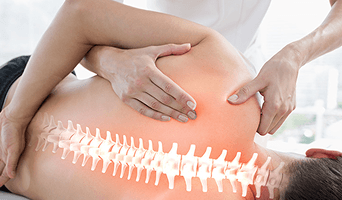
Spinal Fusion
Spinal Fusion is a type of surgical operation that treats Chronic Back Pain and Spinal Instability due to such conditions as Degenerative Disc Disease, Spinal Deformities, Fractures, Nerve Compression. In the course of this type of surgical procedure (spinal fusion), Two or More Vertebrae will be Permanently Joined Together using Bone Grafts along with special Implants that include Rods, Screws, or Plates to Stabilize the Spine and Reduce Pains associated with Movement of the Spine. The goal of this method is to Improve the Alignment of the Spine, Relieve Pressure on the Nerves and Improve Overall Stability; particularly for those that did not receive positive results from Non-Surgical Treatments. CureMeAbroad provides its clients access to Internationally Accredited Hospitals that are Equipped with Advanced Technology in Spine Surgery and Experienced Spine Surgeons. Treatment plans for each client are Customized to their Specific Spinal Condition, Severity of Symptoms, and General Health. Hospitals use Modern Methods to provide Minimally Invasive Spinal Fusion and Advanced Imaging Guidance to Increase Precision, Decrease Surgical Trauma, and Provide Better Recovery Outcomes for Clients. With Access to Expert Medical Care, State-Of-The-Art Facilities and Coordinated Support Through Their Journey, Patients Seeking Spinal Fusion Abroad Can Receive High Quality and Cost Effective Treatment to Help Achieve Long-Term Pain Relief, Improved Spinal Stability, and a Higher Quality of Life.

FREE HOTEL & FLIGHTS

100% OFF ON DENTAL CHECKUP

BEST PRICE GUARANTEED
Overview
Spinal Fusion is a type of surgical operation that treats Chronic Back Pain and Spinal Instability due to such conditions as Degenerative Disc Disease, Spinal Deformities, Fractures, Nerve Compression. In the course of this type of surgical procedure (spinal fusion), Two or More Vertebrae will be Permanently Joined Together using Bone Grafts along with special Implants that include Rods, Screws, or Plates to Stabilize the Spine and Reduce Pains associated with Movement of the Spine. The goal of this method is to Improve the Alignment of the Spine, Relieve Pressure on the Nerves and Improve Overall Stability; particularly for those that did not receive positive results from Non-Surgical Treatments. CureMeAbroad provides its clients access to Internationally Accredited Hospitals that are Equipped with Advanced Technology in Spine Surgery and Experienced Spine Surgeons. Treatment plans for each client are Customized to their Specific Spinal Condition, Severity of Symptoms, and General Health. Hospitals use Modern Methods to provide Minimally Invasive Spinal Fusion and Advanced Imaging Guidance to Increase Precision, Decrease Surgical Trauma, and Provide Better Recovery Outcomes for Clients. With Access to Expert Medical Care, State-Of-The-Art Facilities and Coordinated Support Through Their Journey, Patients Seeking Spinal Fusion Abroad Can Receive High Quality and Cost Effective Treatment to Help Achieve Long-Term Pain Relief, Improved Spinal Stability, and a Higher Quality of Life.
What Is Spinal Fusion?
Spinal fusion is a surgical procedure that permanently joins two or more vertebrae in the spine, eliminating motion between them. It is used to stabilize the spine, reduce pain, and correct deformity caused by various spinal conditions.
How the Fusion Is Achieved
Surgeons use bone grafts (taken from the patient, a donor, or synthetic materials) along with metal hardware such as rods, screws, and plates to hold the vertebrae in place while they grow together over time.
Surgical Approaches
Spinal fusion can be performed through anterior (front), posterior (back), lateral (side), or combined approaches depending on the location and nature of the spinal problem. Minimally invasive techniques are available for selected cases.
Recovery and Fusion Timeline
Most patients resume light activity within 4 to 6 weeks and return to office work within 3 months. However, bone fusion takes 3 to 6 months or longer to fully complete, and return to physically demanding work or sport may take up to a year.
Procedure Time
he procedure typically takes between 2 to 7 hours, depending on the number of vertebrae being fused and the surgical approach used.
Recovery Timeline
One can generally return to light work in 4 to 6 weeks, though the full biological fusion process takes 6 to 12 months.
Expected Results
Elimination of painful movement between fused vertebrae, relief of nerve-related leg or arm pain, and improved spinal stability. Most effective for instability, spondylolisthesis, and fractures less predictable for general back pain.
Affordable Care | Transparent Costs | Expert Guidance
Get best price with CureMeAbroad
Chronic Back or Neck Pain From Instability
When spinal instability caused by degenerative disc disease, fractures, or prior surgery results in persistent pain that limits daily function despite conservative treatment, spinal fusion may be recommended.
Spinal Stenosis with Instability
Spinal stenosis that causes leg pain, weakness, or numbness due to nerve compression, combined with spinal instability, may require fusion in addition to decompression surgery to achieve durable relief.
Scoliosis or Spinal Deformity
Progressive spinal curvatures such as scoliosis or kyphosis that cause pain, neurological symptoms, or respiratory compromise in adults may be corrected and stabilized through fusion surgery.
Spondylolisthesis
When one vertebra slips forward over another and causes significant pain or nerve compression that does not respond to physical therapy and medications, surgical fusion can stabilize the spine and relieve symptoms.
Things to Check for Spinal Fusion Abroad
- Ensure your surgeon is a fellowship-trained spine specialist with a strong record of performing the specific type of fusion procedure recommended for your condition.
- Ask how many spinal levels will be fused and what the implications are for your long-term spinal flexibility and adjacent segment health.
- Inquire about whether a minimally invasive approach is an option, as it can reduce blood loss, hospital stay, and post-operative pain in appropriate cases.
- Check whether bone morphogenetic protein (BMP) or other bone graft substitutes will be used and understand their benefits and associated risks.
- Ask about the hospital's outcomes data for spinal fusion, including fusion rates, complication rates, and patient-reported outcomes.
- Confirm a comprehensive rehabilitation plan is in place for after surgery, including guidance on activity restrictions and return to work or physical activity.
Risks And Complications of Spinal Fusion Abroad
- Pseudarthrosis, or failure of the vertebrae to fuse properly, which can cause continued pain and may require revision surgery.
- Adjacent segment disease, where the spinal segments above or below the fusion experience accelerated degeneration due to altered biomechanics.
- Nerve damage during surgery, which can result in weakness, numbness, or rarely, bowel or bladder dysfunction depending on the level of the spine involved.
- Infection at the surgical site or deep around the implanted hardware, which may require prolonged antibiotic treatment or additional surgery.
- Hardware complications such as screw loosening, rod breakage, or implant migration, which may cause pain and require revision procedures.
- Blood clots in the legs or lungs following surgery, routinely prevented with blood thinners, compression stockings, and early mobilization.
Do’s
- ✓Verify surgeon credentials (e.g. ISAPS, JPRAS)
- ✓Ask for before-after photos
- ✓Check language barriers
- ✓Review aftercare and follow-up options
- ✓Consider local laws on medical malpractice
Don'ts
- ✗Don't Choose a Clinic Based Only on Price
- ✗Don't Rely Solely on Social Media or Influencers
- ✗Don't Ignore Language Barriers
- ✗Don't Rush Into Surgery Without Research
- ✗Don't Assume You Can Fly Back Immediately
Under Orthopedics
Loading...
CureMeAbroadIs Absolutely Free
Just discovery so you can choose what's right for you!


World's No. 1 Medical Discovery Platform
Spinal Fusion
This procedure involves specific medical techniques tailored to address particular health conditions. Your doctor will explain the detailed process based on your case.
Spinal Fusion
Eligibility depends on your medical history, current condition, and treatment goals. A consultation and evaluation will determine if you are a suitable candidate.
Spinal Fusion
Preparation may include lab tests, imaging, medication adjustments, fasting, or lifestyle recommendations. Your healthcare provider will give you personalized instructions.
What does this procedure involve?
Spinal Fusion
This procedure involves specific medical techniques tailored to address particular health conditions. Your doctor will explain the detailed process based on your case.