Radiofrequency Ablation Abroad
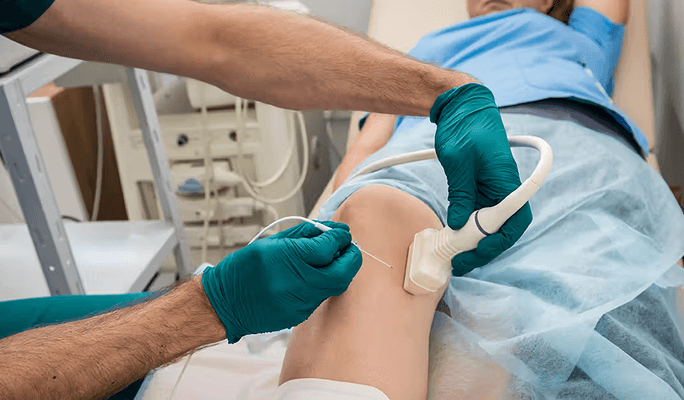
The doctor places a probe into or directly alongside the tissue that has been identified for treatment. An electrical current heats the probe tip, which destroys the abnormal cells at that point. The surrounding tissue isn’t substantially disturbed. RFA is carried out in oncology, cardiology, and pain management departments. A CT or ultrasound feed runs on screen the entire time so probe placement is visible throughout. The majority of patients are discharged the same day. CureMeAbroad lists accredited hospitals that carry out radiofrequency ablation abroad across a number of countries and clinical specialties.

FREE HOTEL & FLIGHTS

100% OFF ON DENTAL CHECKUP

BEST PRICE GUARANTEED
Overview
The doctor places a probe into or directly alongside the tissue that has been identified for treatment. An electrical current heats the probe tip, which destroys the abnormal cells at that point. The surrounding tissue isn’t substantially disturbed. RFA is carried out in oncology, cardiology, and pain management departments. A CT or ultrasound feed runs on screen the entire time so probe placement is visible throughout. The majority of patients are discharged the same day. CureMeAbroad lists accredited hospitals that carry out radiofrequency ablation abroad across a number of countries and clinical specialties.
Affordable Care | Transparent Costs | Expert Guidance
Get best price with CureMeAbroad
Things to Check for Radiofrequency Ablation Abroad
- Go through your complete medical history with your doctor before a procedure date is confirmed.
- Write down all medications, supplements, and vitamins currently being taken and pass this to the treating doctor.
- A physical examination should be completed ahead of time so any condition affecting treatment is identified early.
- Someone reliable needs to be available and ready to help throughout the recovery period.
- The hospital's accreditation and the treating doctor's qualifications should both be checked before any booking is made.
Risks And Complications of Radiofrequency Ablation Abroad
- Blood may collect around the probe entry point after the procedure.
- An infection or abscess can develop at the treated site in certain cases.
- Pain, numbness, or tingling around the treatment area has been reported in the days following the procedure.
- Skin reactions and localized sensitivity to the anesthetic have occurred in some patients.
- There is a small chance of complications involving breathing or heart function when anesthesia is used.
Do’s
- ✓Verify surgeon credentials (e.g. ISAPS, JPRAS)
- ✓Ask for before-after photos
- ✓Check language barriers
- ✓Review aftercare and follow-up options
- ✓Consider local laws on medical malpractice
Don'ts
- ✗Don't Choose a Clinic Based Only on Price
- ✗Don't Rely Solely on Social Media or Influencers
- ✗Don't Ignore Language Barriers
- ✗Don't Rush Into Surgery Without Research
- ✗Don't Assume You Can Fly Back Immediately
Under Orthopedics
Loading...
CureMeAbroadIs Absolutely Free
Just discovery so you can choose what's right for you!


World's No. 1 Medical Discovery Platform
Radiofrequency Ablation
This procedure involves specific medical techniques tailored to address particular health conditions. Your doctor will explain the detailed process based on your case.
Radiofrequency Ablation
Eligibility depends on your medical history, current condition, and treatment goals. A consultation and evaluation will determine if you are a suitable candidate.
Radiofrequency Ablation
Preparation may include lab tests, imaging, medication adjustments, fasting, or lifestyle recommendations. Your healthcare provider will give you personalized instructions.
What does this procedure involve?
Radiofrequency Ablation
This procedure involves specific medical techniques tailored to address particular health conditions. Your doctor will explain the detailed process based on your case.