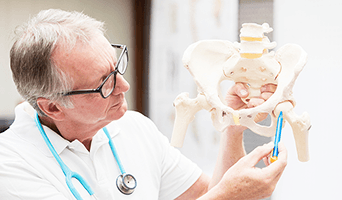
Hip Resurfacing Abroad: Preserve Natural Bone Structure
Hip Resurfacing is an advanced alternative to total hip replacement, particularly suitable for younger and more active patients. Instead of replacing the entire joint, this procedure preserves more of the natural bone by reshaping and capping the femoral head with a smooth metal implant. Choosing Hip Resurfacing abroad allows patients to benefit from specialized surgeons and cutting-edge medical technology. Many hospitals abroad have expertise in bone-preserving techniques, ensuring better outcomes and improved joint function. One of the key advantages of undergoing this procedure abroad is cost-effectiveness. Patients can receive high-quality treatment at a significantly lower cost compared to Western countries. Additionally, shorter waiting periods enable faster access to surgery. Hip resurfacing offers improved stability and allows patients to maintain a more active lifestyle after recovery. Rehabilitation programs provided by international hospitals help patients regain strength and mobility efficiently. Medical tourism services often include end-to-end support such as travel arrangements, accommodation, and post-operative care, ensuring a smooth treatment journey. Overall, Hip Resurfacing abroad is an excellent option for patients seeking a durable, bone-preserving solution with access to expert care, advanced techniques, and affordable pricing.

FREE HOTEL & FLIGHTS

100% OFF ON DENTAL CHECKUP

BEST PRICE GUARANTEED
Overview
Hip Resurfacing is an advanced alternative to total hip replacement, particularly suitable for younger and more active patients. Instead of replacing the entire joint, this procedure preserves more of the natural bone by reshaping and capping the femoral head with a smooth metal implant. Choosing Hip Resurfacing abroad allows patients to benefit from specialized surgeons and cutting-edge medical technology. Many hospitals abroad have expertise in bone-preserving techniques, ensuring better outcomes and improved joint function. One of the key advantages of undergoing this procedure abroad is cost-effectiveness. Patients can receive high-quality treatment at a significantly lower cost compared to Western countries. Additionally, shorter waiting periods enable faster access to surgery. Hip resurfacing offers improved stability and allows patients to maintain a more active lifestyle after recovery. Rehabilitation programs provided by international hospitals help patients regain strength and mobility efficiently. Medical tourism services often include end-to-end support such as travel arrangements, accommodation, and post-operative care, ensuring a smooth treatment journey. Overall, Hip Resurfacing abroad is an excellent option for patients seeking a durable, bone-preserving solution with access to expert care, advanced techniques, and affordable pricing.
Procedure Time
The procedure typically takes between 1.5 to 3 hours, depending on the patient's anatomy and the surgeon's approach.
Recovery Timeline
Recovery typically lasts 6–12 weeks, which is faster than total hip replacement for most patients.
Expected Results
Significant pain relief with preservation of the natural femoral head that means more bone is conserved than in a total hip replacement. Allows for a more natural walking pattern and is easier to revise if needed later.
Ideal Candidates
Typically recommended for people younger than 60 with healthy bones, active lifestyles, and hip arthritis that hasn’t responded to conservative treatment. Not suitable for patients with osteoporosis or significant bone damage.
Affordable Care | Transparent Costs | Expert Guidance
Get best price with CureMeAbroad
Hip Arthritis in Active Young Patients
Younger, physically active patients with significant hip osteoarthritis who are not ready for a traditional total hip replacement may be candidates for hip resurfacing as a bone-conserving option.
Desire to Return to High-Impact Activity
Patients who wish to return to running, cycling, or other high-impact sports after hip treatment may find resurfacing more suitable than total replacement due to the preserved femoral neck and more natural biomechanics.
Failed Conservative Treatment
When hip pain from arthritis no longer responds to anti-inflammatory medications, injections, or physical therapy and is significantly impacting quality of life, surgical options including resurfacing should be explored.
Planning for the Long Term
Because hip resurfacing preserves bone stock, it offers the advantage of facilitating future conversion to total hip replacement if the resurfacing eventually wears out, making it an attractive long-term strategy for younger patients.
Things to Check for Hip Resurfacing Surgery Abroad
- Ensure your surgeon has specific training and experience in hip resurfacing, as it is a technically demanding procedure with a steeper learning curve than total hip replacement.
- Ask whether your bone density and femoral head size make you a suitable candidate, as these factors significantly affect the likelihood of a successful outcome.
- Inquire about the metal-on-metal bearing surface used in resurfacing and discuss the implications for metal ion monitoring during follow-up care.
- Check whether the hospital has protocols for post-operative monitoring of metal ion levels in the blood, which is important for patients with metal-on-metal implants.
- Ask about the surgeon's specific complication and revision rates for hip resurfacing compared to their outcomes for total hip replacement.
- Discuss your activity goals openly with your surgeon so the decision between resurfacing and total hip replacement can be tailored to your personal expectations.
Risks And Complications of Hip Resurfacing Surgery Abroad
- Femoral neck fracture, a serious complication unique to hip resurfacing where the preserved femoral neck may fracture, requiring conversion to total hip replacement.
- Metal ion release from the metal-on-metal bearing surface, which in some patients can cause local tissue reactions and may require implant revision.
- Avascular necrosis of the femoral head post-surgery if blood supply to the bone is disrupted during the procedure.
- Hip dislocation, which is less common with resurfacing than total replacement due to the larger femoral head, but remains a possibility.
- Implant loosening over time, particularly if the bone-implant interface fails, which would necessitate revision surgery.
- Infection around the implant, a serious complication managed with antibiotics and potentially further surgical intervention.
Do’s
- ✓Verify surgeon credentials (e.g. ISAPS, JPRAS)
- ✓Ask for before-after photos
- ✓Check language barriers
- ✓Review aftercare and follow-up options
- ✓Consider local laws on medical malpractice
Don'ts
- ✗Don't Choose a Clinic Based Only on Price
- ✗Don't Rely Solely on Social Media or Influencers
- ✗Don't Ignore Language Barriers
- ✗Don't Rush Into Surgery Without Research
- ✗Don't Assume You Can Fly Back Immediately
Under Orthopedics
Loading...
CureMeAbroadIs Absolutely Free
Just discovery so you can choose what's right for you!


World's No. 1 Medical Discovery Platform
Hip Resurfacing Surgery
This procedure involves specific medical techniques tailored to address particular health conditions. Your doctor will explain the detailed process based on your case.
Hip Resurfacing Surgery
Eligibility depends on your medical history, current condition, and treatment goals. A consultation and evaluation will determine if you are a suitable candidate.
Hip Resurfacing Surgery
Preparation may include lab tests, imaging, medication adjustments, fasting, or lifestyle recommendations. Your healthcare provider will give you personalized instructions.
What does this procedure involve?
Hip Resurfacing Surgery
This procedure involves specific medical techniques tailored to address particular health conditions. Your doctor will explain the detailed process based on your case.