Arthroscopy Abroad: Minimally Invasive Joint Care
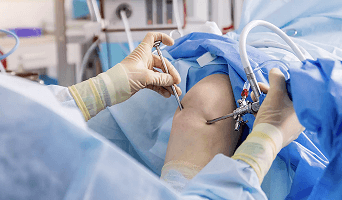
Arthroscopy is a minimally invasive surgical technique that is used to evaluate and treat a variety of joint-related issues. Commonly arthroscopy is applied to the knee, shoulder, ankle, etc., to evaluate problems that may include ligament tears, cartilage degeneration, inflammation, and joint stiffness. The technique is completed by placing a small camera (arthroscope) into the joint through several small incisions; this enables the surgeon to view the area via a video monitor, and use specialized instrumentation to complete any necessary repairs. The minimally invasive nature of arthroscopy results in significantly less pain than traditional open surgery, less scarring and quicker recoveries. Arthroscopy is commonly selected over non-surgical options including medications and physiotherapy when these have failed to produce symptom resolution. Arthroscopy has proven to be very successful in treating sports injuries, removing loose bodies, repairing damaged soft tissue, and improving joint motion. The primary advantage of arthroscopy is that most people are able to return home immediately after the procedure, and will typically resume their normal daily activities within a couple of weeks. Post-operative rehabilitation is usually straight forward and focused upon regaining muscle mass and flexibility. Arthroscopic medical tourism locations provide high-quality, expertly-performed arthroscopic techniques utilizing state-of-the-art technology at a fraction of the cost of similar treatment back home. In total, arthroscopy is considered a safe, efficient and effective method for restoring joint health and enabling individuals to regain their mobility while experiencing minimal lost time.

FREE HOTEL & FLIGHTS

100% OFF ON DENTAL CHECKUP

BEST PRICE GUARANTEED
Overview
Arthroscopy is a minimally invasive surgical technique that is used to evaluate and treat a variety of joint-related issues. Commonly arthroscopy is applied to the knee, shoulder, ankle, etc., to evaluate problems that may include ligament tears, cartilage degeneration, inflammation, and joint stiffness. The technique is completed by placing a small camera (arthroscope) into the joint through several small incisions; this enables the surgeon to view the area via a video monitor, and use specialized instrumentation to complete any necessary repairs. The minimally invasive nature of arthroscopy results in significantly less pain than traditional open surgery, less scarring and quicker recoveries. Arthroscopy is commonly selected over non-surgical options including medications and physiotherapy when these have failed to produce symptom resolution. Arthroscopy has proven to be very successful in treating sports injuries, removing loose bodies, repairing damaged soft tissue, and improving joint motion. The primary advantage of arthroscopy is that most people are able to return home immediately after the procedure, and will typically resume their normal daily activities within a couple of weeks. Post-operative rehabilitation is usually straight forward and focused upon regaining muscle mass and flexibility. Arthroscopic medical tourism locations provide high-quality, expertly-performed arthroscopic techniques utilizing state-of-the-art technology at a fraction of the cost of similar treatment back home. In total, arthroscopy is considered a safe, efficient and effective method for restoring joint health and enabling individuals to regain their mobility while experiencing minimal lost time.
Procedure Time
Typically takes 30–45 minutes, shoulder and hip arthroscopy may take longer depending on what’s being treated.
Recovery Timeline
Most people resume light activity within a few days and return to work within 1–2 weeks. Full recovery varies by joint. knee arthroscopy typically 6–8 weeks, shoulder up to several months, hip up to 12–18 months for more complex repairs.
Expected Results
Significant reduction in joint pain and improved mobility within 4 to 6 weeks post-procedure.
Ideal Candidates
Those who have ongoing joint pain, inflammation, or mechanical problems (such as tears in cartilage or ligaments) and have failed conservative treatment options.
Affordable Care | Transparent Costs | Expert Guidance
Get best price with CureMeAbroad
Unexplained Joint Pain
When imaging studies such as X-rays and MRI do not provide a definitive diagnosis for persistent joint pain, arthroscopy allows the surgeon to directly inspect the joint interior and identify the cause.
Torn Cartilage or Meniscus
Tears in the cartilage or meniscus of the knee or shoulder that cause pain, swelling, and mechanical symptoms like locking or clicking are commonly treated through arthroscopic surgery.
Ligament Injuries
Damaged ligaments that require repair or reconstruction, such as ACL tears in the knee or rotator cuff tears in the shoulder, are frequently addressed through arthroscopic techniques.
Removal of Loose Bodies
Fragments of bone or cartilage that break off and float within a joint can cause pain and locking. Arthroscopy allows these loose bodies to be removed precisely with minimal disruption to surrounding tissue.
Things to Check for Arthroscopy Abroad
- Confirm your surgeon regularly performs arthroscopy on the specific joint being treated, as technique and outcomes vary between different joints.
- Ask whether your condition can be both diagnosed and treated in a single arthroscopic session to avoid multiple procedures.
- Inquire about anesthesia options, as many arthroscopic procedures can be performed under regional or local anesthesia rather than general anesthesia.
- Check whether the facility has the latest arthroscopic equipment and high-definition camera systems, which improve surgical precision.
- Ask about the expected rehabilitation program following the procedure, including timeline and physical therapy requirements.
- Understand which post-operative symptoms are normal and which signs, such as increasing pain, fever, or wound drainage, require immediate medical attention.
Risks And Complications of Arthroscopy Abroad
- Infection within the joint (septic arthritis), which is rare but serious and may require additional surgery and antibiotic treatment.
- Blood clots in the leg or pelvis, particularly after lower limb arthroscopy, managed through early mobilization and preventive medications.
- Injury to surrounding nerves or blood vessels during insertion of instruments, which can cause numbness, tingling, or circulatory changes.
- Stiffness or reduced range of motion after the procedure if post-operative rehabilitation is not adequately performed.
- Incomplete resolution of symptoms if the underlying cause is more complex than initially identified through imaging.
- Instrument breakage within the joint, an uncommon but recognized complication that may require additional procedures to retrieve fragments.
Do’s
- ✓Verify surgeon credentials (e.g. ISAPS, JPRAS)
- ✓Ask for before-after photos
- ✓Check language barriers
- ✓Review aftercare and follow-up options
- ✓Consider local laws on medical malpractice
Don'ts
- ✗Don't Choose a Clinic Based Only on Price
- ✗Don't Rely Solely on Social Media or Influencers
- ✗Don't Ignore Language Barriers
- ✗Don't Rush Into Surgery Without Research
- ✗Don't Assume You Can Fly Back Immediately
Under Orthopedics
Loading...
CureMeAbroadIs Absolutely Free
Just discovery so you can choose what's right for you!


World's No. 1 Medical Discovery Platform
Arthroscopy
This procedure involves specific medical techniques tailored to address particular health conditions. Your doctor will explain the detailed process based on your case.
Arthroscopy
Eligibility depends on your medical history, current condition, and treatment goals. A consultation and evaluation will determine if you are a suitable candidate.
Arthroscopy
Preparation may include lab tests, imaging, medication adjustments, fasting, or lifestyle recommendations. Your healthcare provider will give you personalized instructions.
What does this procedure involve?
Arthroscopy
This procedure involves specific medical techniques tailored to address particular health conditions. Your doctor will explain the detailed process based on your case.