Heart Transplant
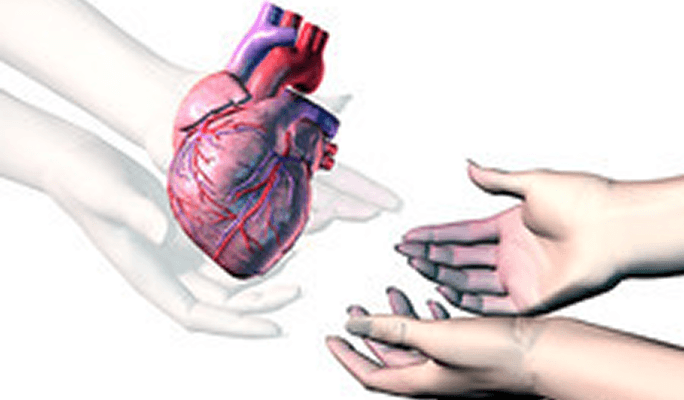
Heart transplant surgery is done when severe heart failure remains difficult to manage with medicines and other treatments. Before transplant procedure the patients undergo detailed medical tests to confirm eligibility for transplantation. Once a suitable donor heart becomes available, the damaged heart is removed and the donor heart is connected to the major blood vessels. After a heart transplant procedure the new heart pumps blood throughout the body and some heart failure symptoms may become less noticeable over time. After a heart transplant people take daily medicines and visit the hospital for regular checkups. Doctors use these appointments to see how the donor heart is doing. Many patients gradually return to their usual daily routine during recovery. Through CureMeAbroad people can compare heart transplant abroad options and review heart transplantation cost information in different countries.

FREE HOTEL & FLIGHTS

100% OFF ON DENTAL CHECKUP

BEST PRICE GUARANTEED
Overview
Heart transplant surgery is done when severe heart failure remains difficult to manage with medicines and other treatments. Before transplant procedure the patients undergo detailed medical tests to confirm eligibility for transplantation. Once a suitable donor heart becomes available, the damaged heart is removed and the donor heart is connected to the major blood vessels. After a heart transplant procedure the new heart pumps blood throughout the body and some heart failure symptoms may become less noticeable over time. After a heart transplant people take daily medicines and visit the hospital for regular checkups. Doctors use these appointments to see how the donor heart is doing. Many patients gradually return to their usual daily routine during recovery. Through CureMeAbroad people can compare heart transplant abroad options and review heart transplantation cost information in different countries.
Survival Rate
Around 70% to 75% of patients live five years or longer after a heart transplant.
Surgery Time
Heart transplant procedure often takes around 4 to 6 hours.
Hospital Stay
After a heart transplant the hospital stay is usually around 10 to 14 days.
Recovery Timeline
Recovery after a heart transplant may take several months and many patients return to regular activities within 3 to 6 months.
Affordable Care | Transparent Costs | Expert Guidance
Get best price with CureMeAbroad
Things to Check for Heart Transplant Abroad
- Ask your doctor whether your heart condition meets the criteria for heart transplantation.
- Check the experience and outcomes of the heart transplant hospital before treatment.
- Before treatment you should ask what costs are included in the treatment package and what costs you have to pay extra for.
- Before a heart transplant you should ask if your current health condition makes you suitable for the procedure.
- Ask how long people typically wait for a donor heart at that hospital.
- If planning treatment abroad, ask who will manage your care after you return home.
Risks And Complications of Heart Transplant Abroad
- The body may try to reject the donor heart after transplantation.
- Infections can develop more easily because of medicines taken after surgery.
- Changes in the donor heart blood vessels may affect heart function over time.
- Long-term use of transplant medicines may affect kidney function.
- The risk of certain cancers may become higher after transplantation.
Do’s
- ✓Verify surgeon credentials (e.g. ISAPS, JPRAS)
- ✓Ask for before-after photos
- ✓Check language barriers
- ✓Review aftercare and follow-up options
- ✓Consider local laws on medical malpractice
Don'ts
- ✗Don't Choose a Clinic Based Only on Price
- ✗Don't Rely Solely on Social Media or Influencers
- ✗Don't Ignore Language Barriers
- ✗Don't Rush Into Surgery Without Research
- ✗Don't Assume You Can Fly Back Immediately
Under Organ Transplant
Loading...
CureMeAbroadIs Absolutely Free
Just discovery so you can choose what's right for you!


World's No. 1 Medical Discovery Platform
Heart Transplant
This procedure involves specific medical techniques tailored to address particular health conditions. Your doctor will explain the detailed process based on your case.
Heart Transplant
Eligibility depends on your medical history, current condition, and treatment goals. A consultation and evaluation will determine if you are a suitable candidate.
Heart Transplant
Preparation may include lab tests, imaging, medication adjustments, fasting, or lifestyle recommendations. Your healthcare provider will give you personalized instructions.
What does this procedure involve?
Heart Transplant
This procedure involves specific medical techniques tailored to address particular health conditions. Your doctor will explain the detailed process based on your case.