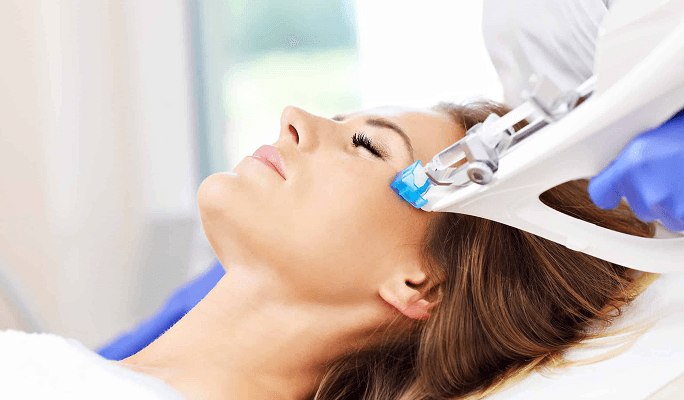
Non Surgical Hair Loss Medication Abroad
Medical treatments for hair loss can help manage thinning hair and support natural hair regrowth without the need for surgery. Non-surgical hair loss medications are commonly recommended during the early stages of hair thinning or pattern hair loss. These treatments work by targeting the underlying causes of hair loss, helping to strengthen hair follicles, slow further hair shedding, and stimulate healthier hair growth over time. Through CureMeAbroad, patients can connect with internationally recognized dermatologists and hair restoration specialists who provide comprehensive evaluations and personalized treatment plans. Based on the patient’s hair loss condition, specialists may recommend clinically approved medications and supportive therapies designed to improve scalp health and promote stronger hair growth. With expert medical guidance and access to modern treatment options, patients seeking non-surgical hair loss medication abroad can receive safe, effective care aimed at maintaining hair density and improving overall hair health.

FREE HOTEL & FLIGHTS

100% OFF ON DENTAL CHECKUP

BEST PRICE GUARANTEED
Overview
Medical treatments for hair loss can help manage thinning hair and support natural hair regrowth without the need for surgery. Non-surgical hair loss medications are commonly recommended during the early stages of hair thinning or pattern hair loss. These treatments work by targeting the underlying causes of hair loss, helping to strengthen hair follicles, slow further hair shedding, and stimulate healthier hair growth over time. Through CureMeAbroad, patients can connect with internationally recognized dermatologists and hair restoration specialists who provide comprehensive evaluations and personalized treatment plans. Based on the patient’s hair loss condition, specialists may recommend clinically approved medications and supportive therapies designed to improve scalp health and promote stronger hair growth. With expert medical guidance and access to modern treatment options, patients seeking non-surgical hair loss medication abroad can receive safe, effective care aimed at maintaining hair density and improving overall hair health.
Affordable Care | Transparent Costs | Expert Guidance
Get best price with CureMeAbroad
Things to Check for Mesotherapy for Hair Treatments Abroad
- Your medical history, including any allergies or sensitivities
- Any previous treatments for hair loss or conditions that may affect the procedure's success
- Whether you have a pacemaker or other implantable devices that could be affected by the procedure
- Your medication regimen and potential interactions with the procedure
- The health of your scalp, including any skin conditions or wounds
Risks And Complications of Mesotherapy for Hair Treatments Abroad
- Infection at the injection site
- Allergic reactions to the medication used in the procedure
- Temporary side effects such as swelling, redness, and itching
- Permanent hair loss or uneven hair growth
- Scarring or bruising at the injection site
Do’s
- ✓Verify surgeon credentials (e.g. ISAPS, JPRAS)
- ✓Ask for before-after photos
- ✓Check language barriers
- ✓Review aftercare and follow-up options
- ✓Consider local laws on medical malpractice
Don'ts
- ✗Don't Choose a Clinic Based Only on Price
- ✗Don't Rely Solely on Social Media or Influencers
- ✗Don't Ignore Language Barriers
- ✗Don't Rush Into Surgery Without Research
- ✗Don't Assume You Can Fly Back Immediately
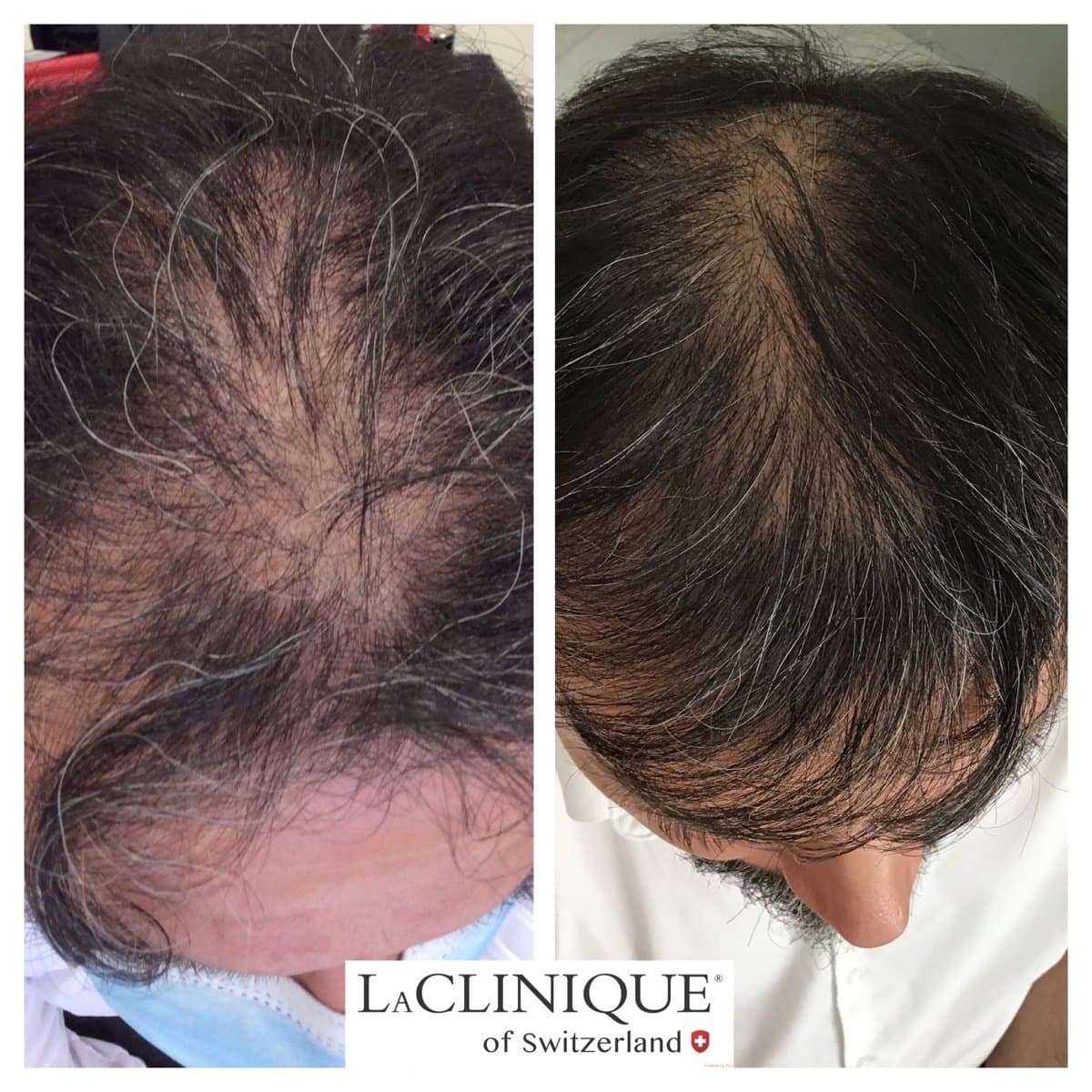
hair mesotherapy
Doctor: Andrea Parafioriti
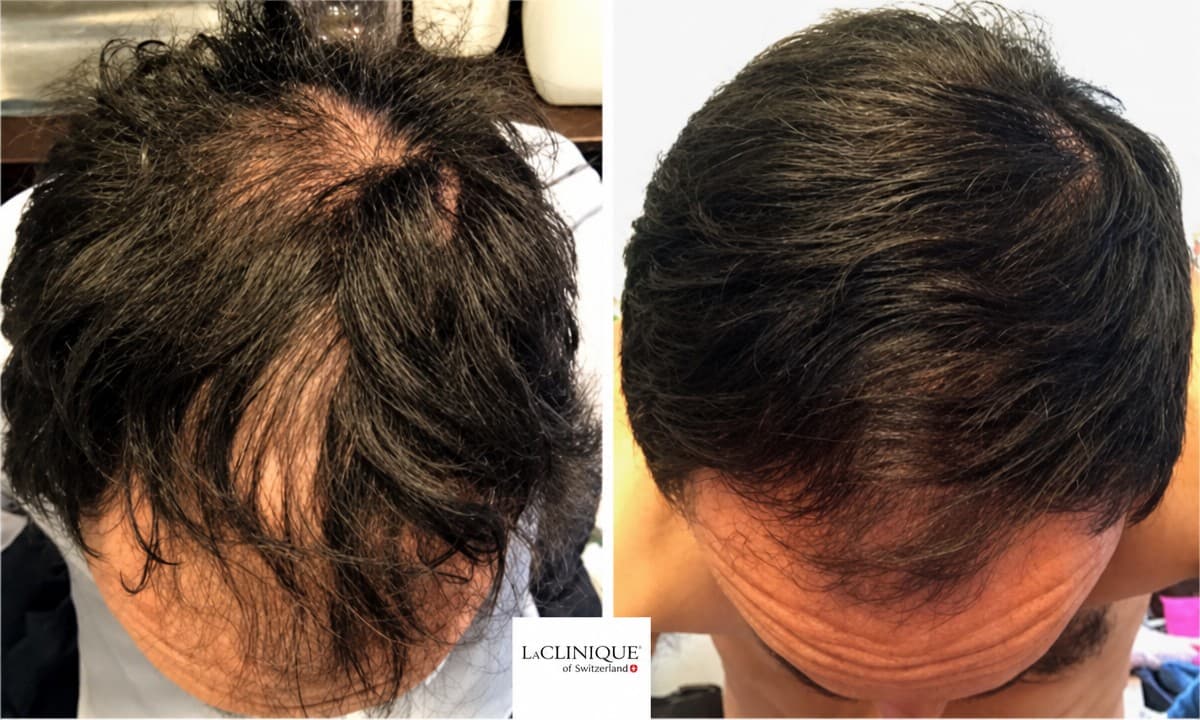
hair mesotherapy
Doctor: Andrea Parafioriti
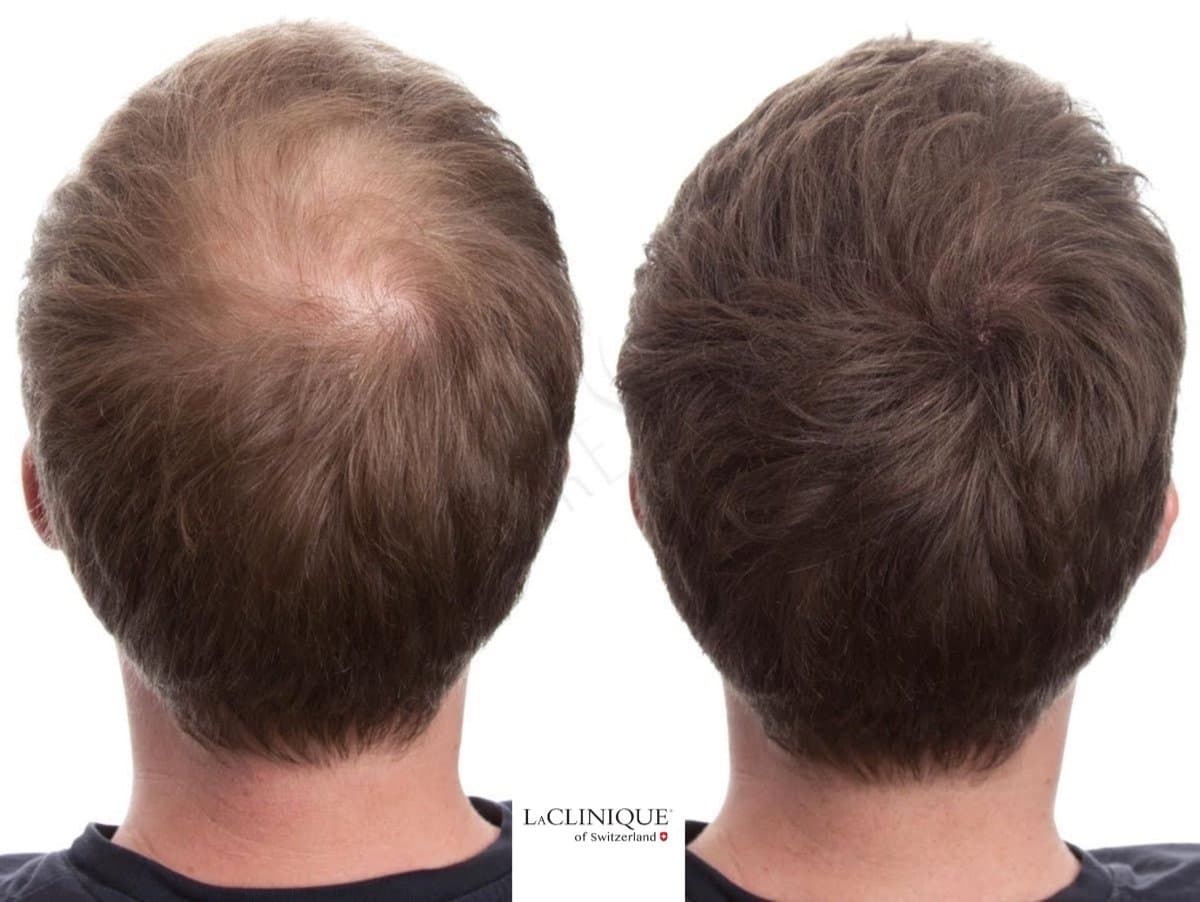
hair mesotherapy
Doctor: Andrea Parafioriti
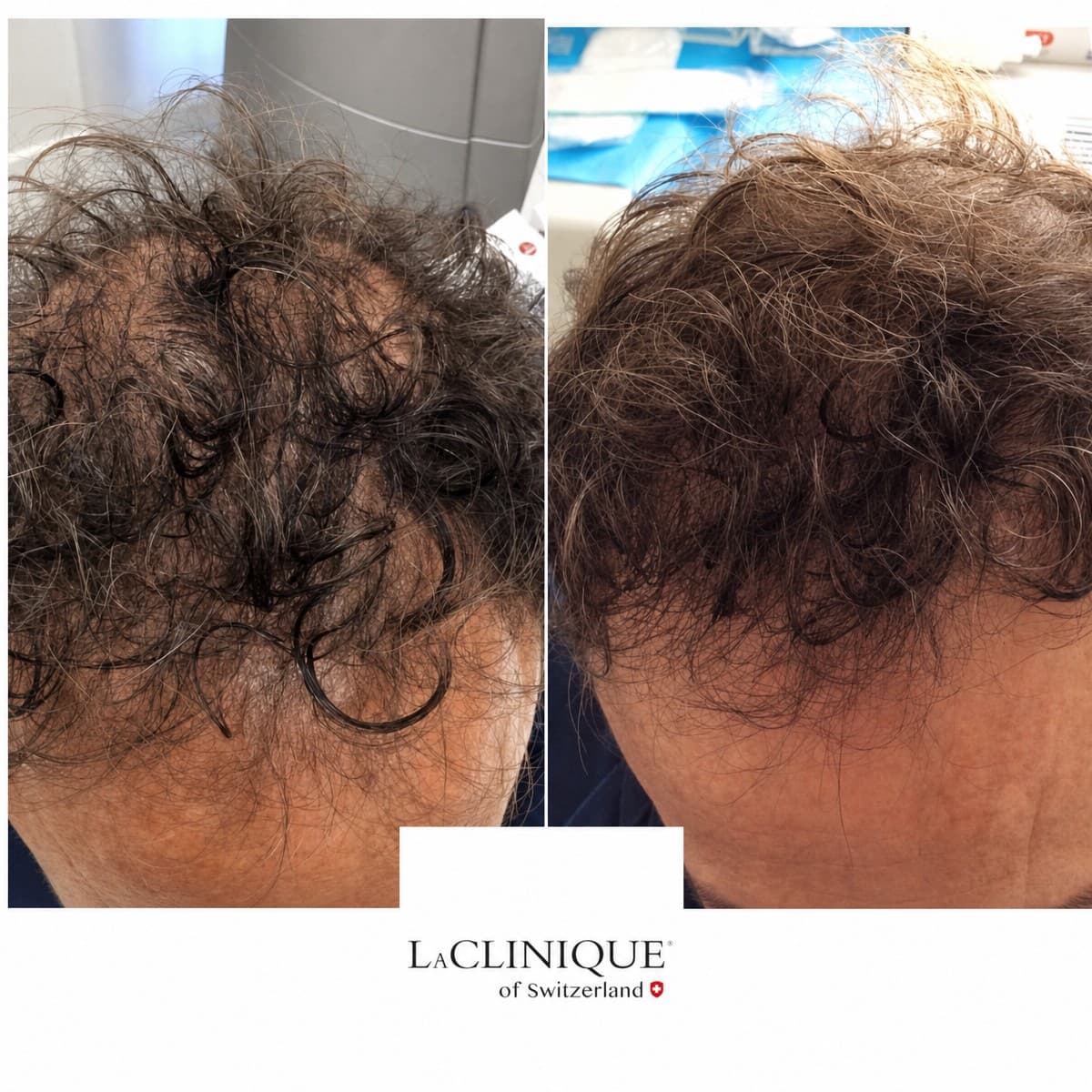
hair mesotherapy
Doctor: Andrea Parafioriti
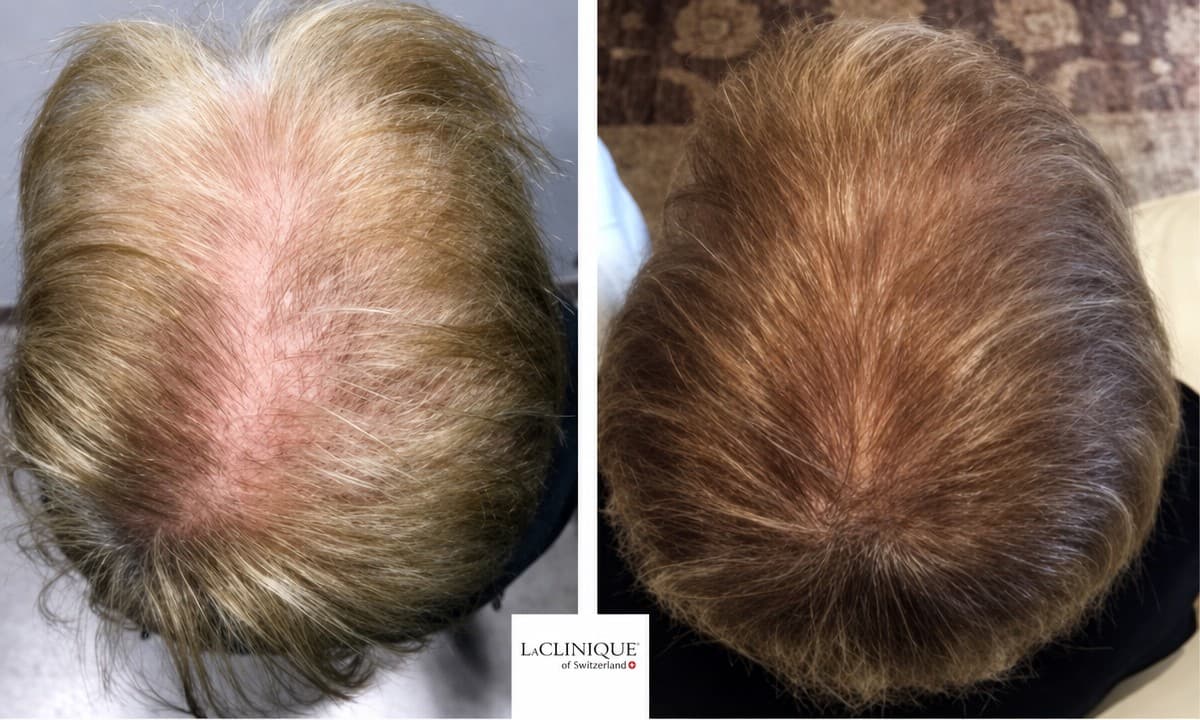
hair mesotherapy
Doctor: Andrea Parafioriti
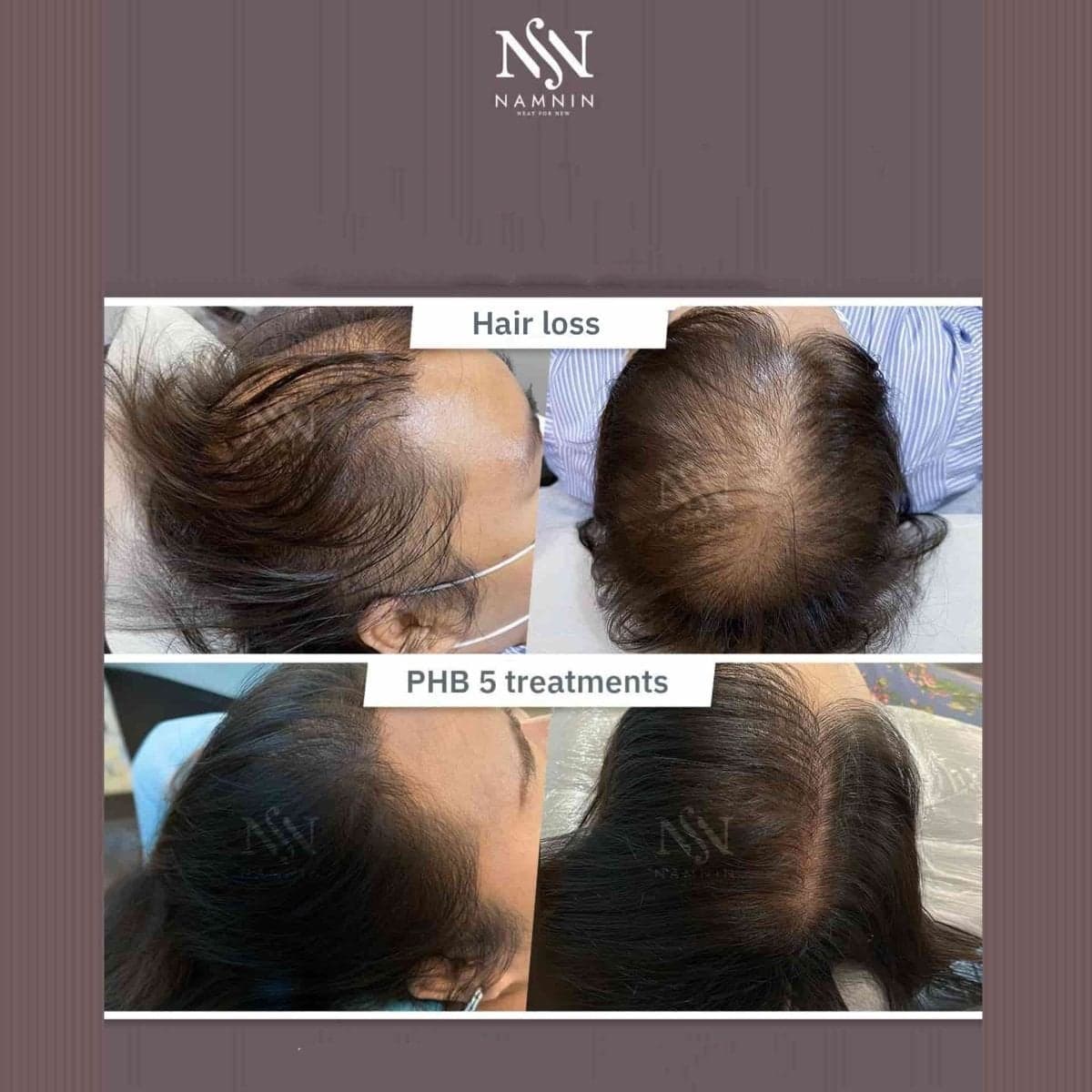
hair mesotherapy
Doctor: Nil Namthongton
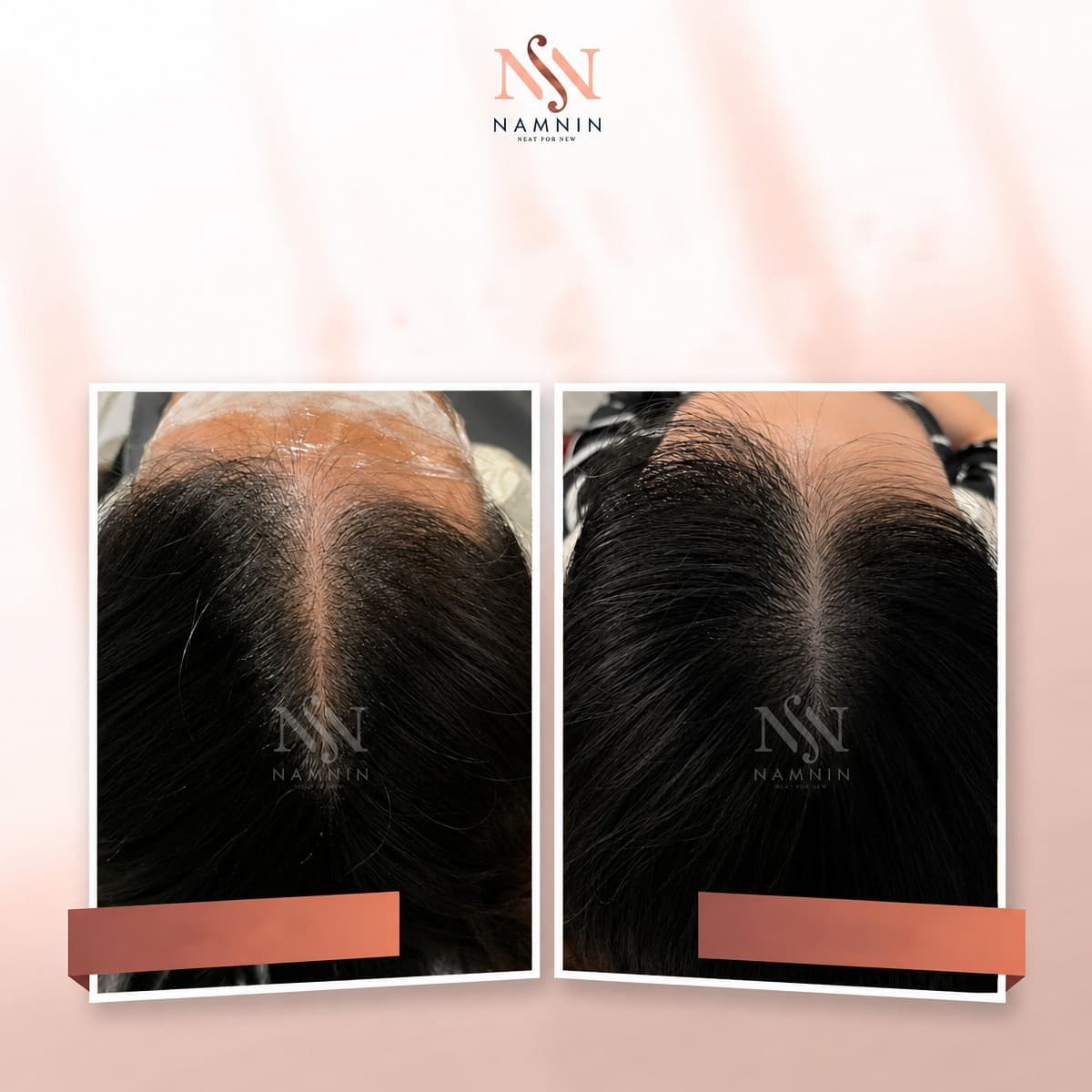
hair mesotherapy
Doctor: Nil Namthongton
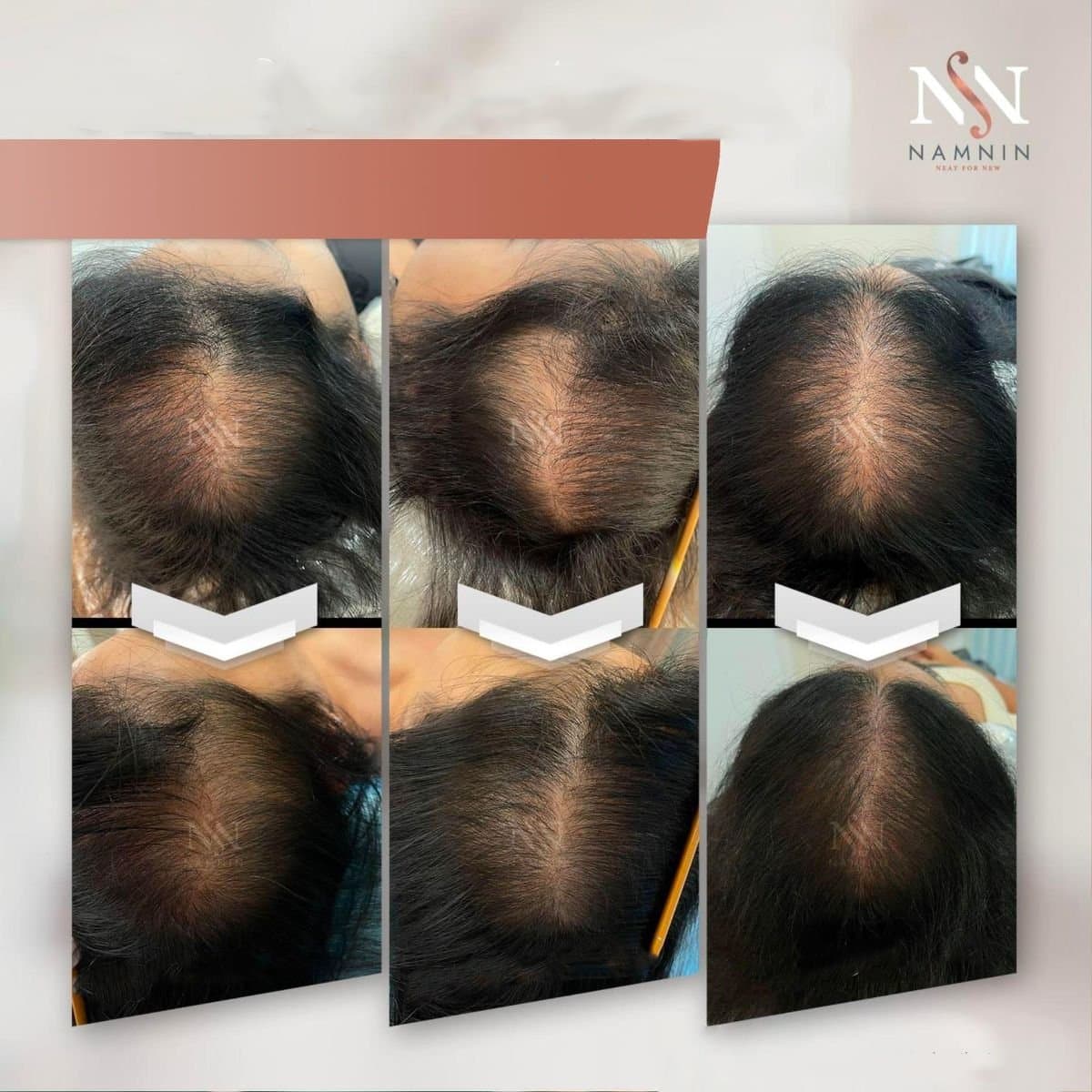
hair mesotherapy
Doctor: Nil Namthongton
Under Hair Transplant
Loading...
CureMeAbroadIs Absolutely Free
Just discovery so you can choose what's right for you!


World's No. 1 Medical Discovery Platform
Mesotherapy for Hair Treatments
This procedure involves specific medical techniques tailored to address particular health conditions. Your doctor will explain the detailed process based on your case.
Mesotherapy for Hair Treatments
Eligibility depends on your medical history, current condition, and treatment goals. A consultation and evaluation will determine if you are a suitable candidate.
Mesotherapy for Hair Treatments
Preparation may include lab tests, imaging, medication adjustments, fasting, or lifestyle recommendations. Your healthcare provider will give you personalized instructions.
What does this procedure involve?
Mesotherapy for Hair Treatments
This procedure involves specific medical techniques tailored to address particular health conditions. Your doctor will explain the detailed process based on your case.