FUE Hair Transplant Abroad: Natural Hair Restoration
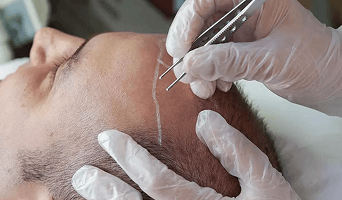
A less invasive hair restoration option that has become one of the most well-known options for hair loss and thinning is Follicular Unit Extraction (FUE). FUE involves transplanting the hair follicle from an area of the head known as the donor site where there is an abundance of healthy hair to an area where there is thinning or balding. The FUE process involves using a small, circular punch to remove each single hair follicle from the donor area in the back or side of the head. Then, the surgeon will implant these hair follicles into the recipient area. The FUE procedure is considered to be an advancement over the traditional hair transplantation procedures because it creates a very natural appearance of a hair line and causes significantly less scarring than traditional hair transplants and also allows for faster recovery times. Patients may find hair restoration clinics through CureMeAbroad that have received international recognition for their use of advanced surgical equipment and highly trained hair restoration professionals. The treatment plans developed at each clinic are tailored to the specific needs of the patient's hair loss patterns, scalp conditions, and desired aesthetic outcomes. Additionally, the clinics develop their treatment plans so that they produce the best possible results for patients, in terms of the number of hairs per square centimeter of scalp and the length of time those results will last. Through the professional medical services offered through CureMeAbroad's affiliated clinics, patients who wish to undergo FUE hair transplantation overseas may experience the benefits of effective hair restoration and increased self-confidence.

FREE HOTEL & FLIGHTS

100% OFF ON DENTAL CHECKUP

BEST PRICE GUARANTEED
Overview
A less invasive hair restoration option that has become one of the most well-known options for hair loss and thinning is Follicular Unit Extraction (FUE). FUE involves transplanting the hair follicle from an area of the head known as the donor site where there is an abundance of healthy hair to an area where there is thinning or balding. The FUE process involves using a small, circular punch to remove each single hair follicle from the donor area in the back or side of the head. Then, the surgeon will implant these hair follicles into the recipient area. The FUE procedure is considered to be an advancement over the traditional hair transplantation procedures because it creates a very natural appearance of a hair line and causes significantly less scarring than traditional hair transplants and also allows for faster recovery times. Patients may find hair restoration clinics through CureMeAbroad that have received international recognition for their use of advanced surgical equipment and highly trained hair restoration professionals. The treatment plans developed at each clinic are tailored to the specific needs of the patient's hair loss patterns, scalp conditions, and desired aesthetic outcomes. Additionally, the clinics develop their treatment plans so that they produce the best possible results for patients, in terms of the number of hairs per square centimeter of scalp and the length of time those results will last. Through the professional medical services offered through CureMeAbroad's affiliated clinics, patients who wish to undergo FUE hair transplantation overseas may experience the benefits of effective hair restoration and increased self-confidence.

Procedure Time
Typically takes 4 to 8 hours depending on the number of grafts being extracted and transplanted in a single session.

Recovery Timeline
Patients can resume light activities within 3–5 days, with transplanted hair shedding initially and new growth visible within 6–12 months.

Expected Results
Delivers natural-looking, permanent hair restoration by individually extracting and implanting healthy hair follicles into thinning or balding areas.

Ideal Candidates
Best suited for individuals with stable hair loss, sufficient donor hair density at the back or sides of the scalp, and realistic expectations about gradual regrowth.
Affordable Care | Transparent Costs | Expert Guidance
Get best price with CureMeAbroad
Things to Check for FUE Hair Transplant Abroad
- Your medical history, including any previous surgeries or skin conditions
- Any medications you are currently taking and need to stop before the procedure
- If you have a family history of hair loss or scalp conditions
- Whether you have a current or recent infection in the affected area
- Any allergies or sensitivities that could affect the anesthesia
Risks And Complications of FUE Hair Transplant Abroad
- Infection, although this is rare with proper aftercare
- Scarring, which can be permanent if not properly cared for
- Temporary numbness or tingling at the extraction site
- Unnatural-looking hair growth or patchiness
- The need for additional procedures to achieve desired results
Do’s
- ✓Verify surgeon credentials (e.g. ISAPS, JPRAS)
- ✓Ask for before-after photos
- ✓Check language barriers
- ✓Review aftercare and follow-up options
- ✓Consider local laws on medical malpractice
Don'ts
- ✗Don't Choose a Clinic Based Only on Price
- ✗Don't Rely Solely on Social Media or Influencers
- ✗Don't Ignore Language Barriers
- ✗Don't Rush Into Surgery Without Research
- ✗Don't Assume You Can Fly Back Immediately
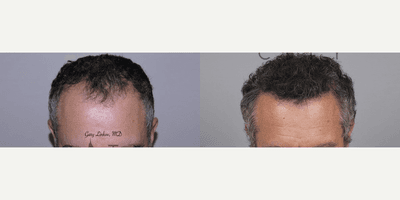
Fue Hair Transplant
Doctor: Gary Linkov, MD
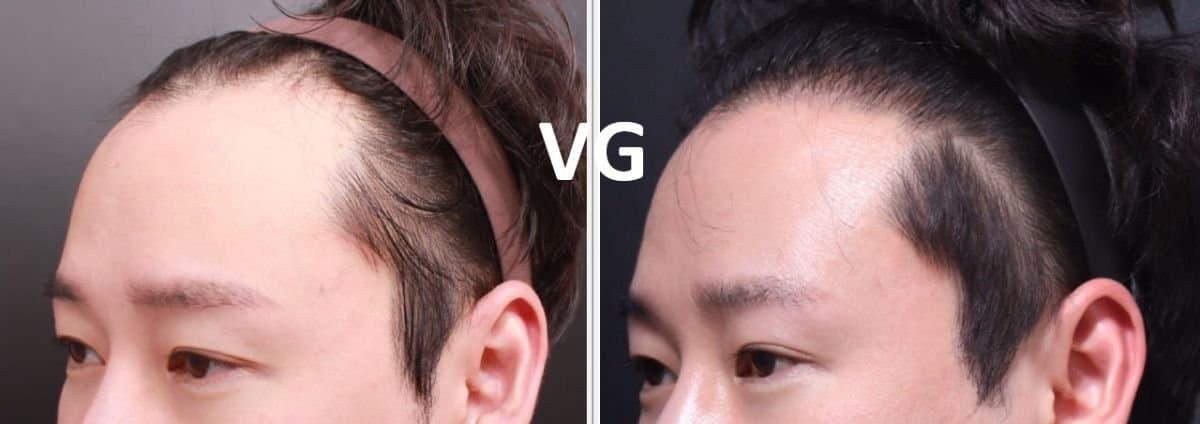
FUE hair transplant
Doctor: Dr. Choi Min Hyub
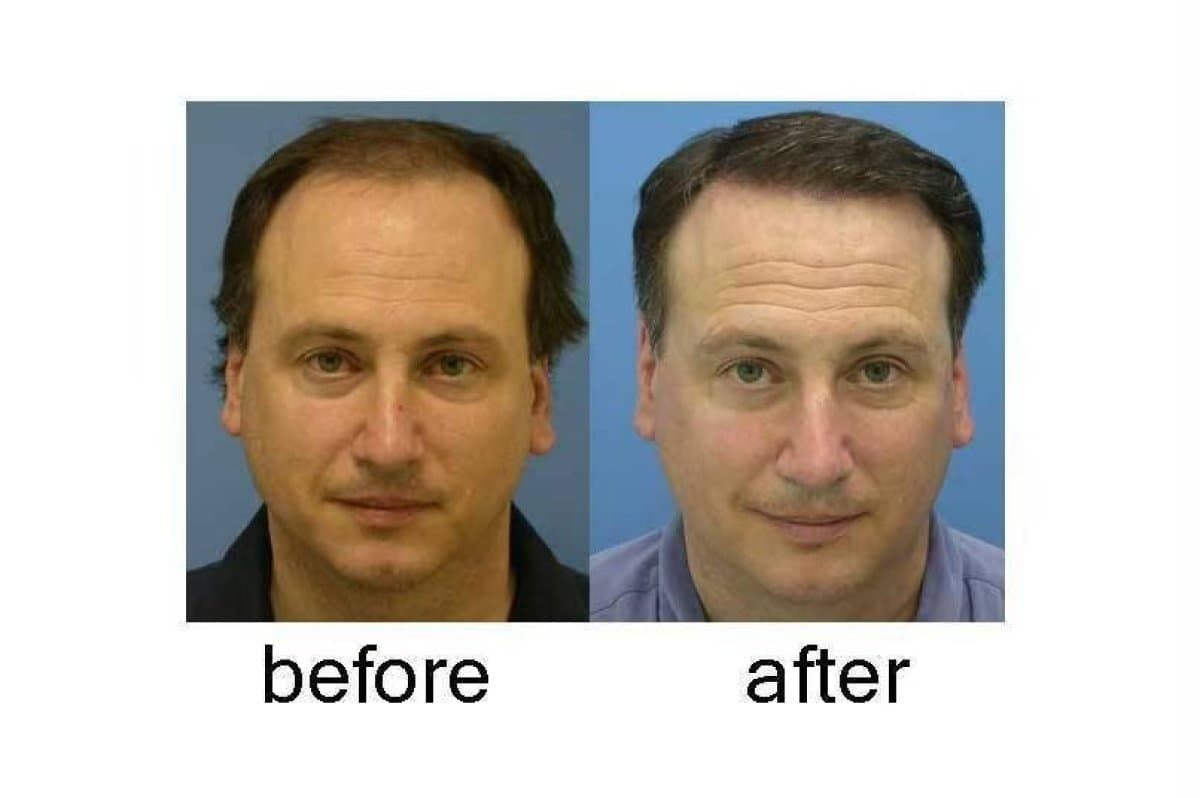
septoplasty
Doctor: Phatcharasak Kraisornphongsakul Md
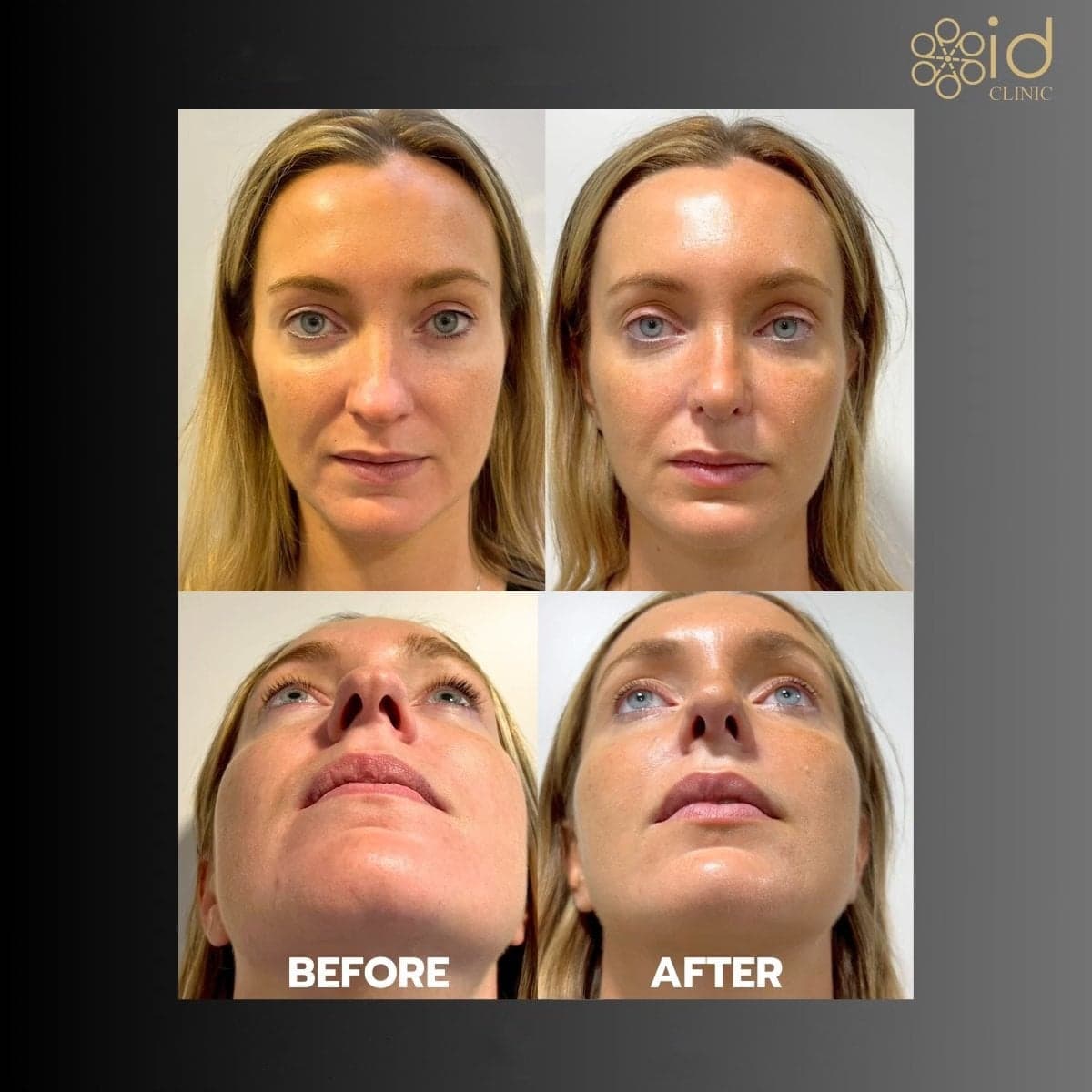
FUE hair transplant
Doctor: Phatcharasak Kraisornphongsakul Md
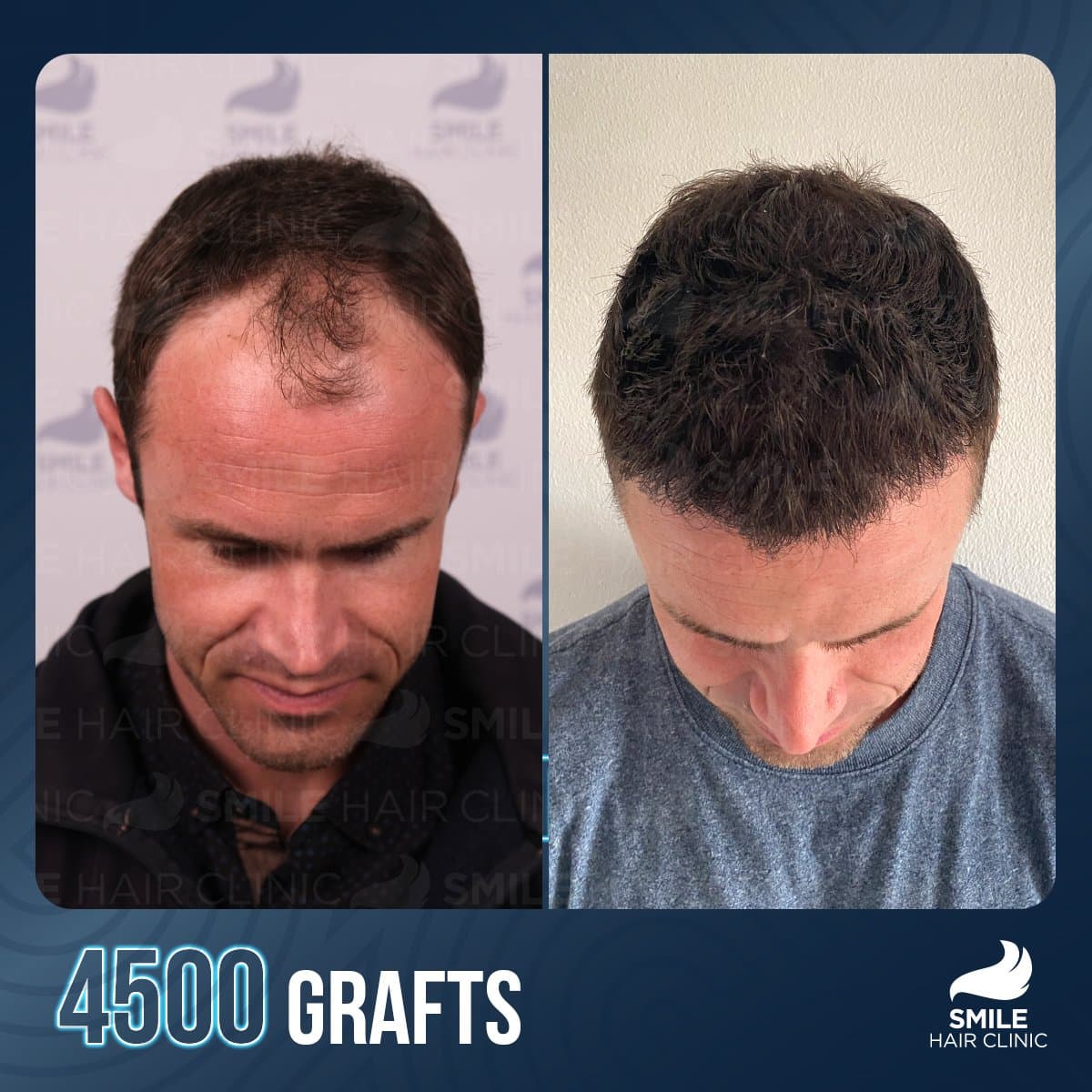
FUE hair transplant
Doctor: Gokay Bilgin

FUE Hair Transplant
Doctor: Ali Emre Karadeniz

FUE Hair Transplant
Doctor: Ali Emre Karadeniz

FUE Hair Transplant
Doctor: Ali Emre Karadeniz
Under Hair Transplant
Loading...
CureMeAbroadIs Absolutely Free
Just discovery so you can choose what's right for you!


World's No. 1 Medical Discovery Platform
FUE Hair Transplant
This procedure involves specific medical techniques tailored to address particular health conditions. Your doctor will explain the detailed process based on your case.
FUE Hair Transplant
Eligibility depends on your medical history, current condition, and treatment goals. A consultation and evaluation will determine if you are a suitable candidate.
FUE Hair Transplant
Preparation may include lab tests, imaging, medication adjustments, fasting, or lifestyle recommendations. Your healthcare provider will give you personalized instructions.
What does this procedure involve?
FUE Hair Transplant
This procedure involves specific medical techniques tailored to address particular health conditions. Your doctor will explain the detailed process based on your case.