Dental Filling Treatment Abroad
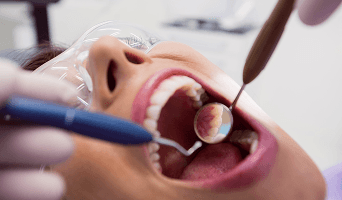
Decay caught before it has gone deep is far easier to deal with. The dentist takes out the softened or infected tissue, scrubs the cavity clean, and puts filling material in to give the tooth back its shape and strength. Not every tooth gets the same filling. Where the tooth sits in the mouth matters, and so does how much of it has been damaged. Amalgam has been a fixture in dental practice for generations. Back teeth take a beating every time food gets chewed, and amalgam holds up under that kind of repeated pressure. Patients who bring up white fillings abroad are almost always pointed toward composite resin. It gets bonded straight onto the tooth and then built up and trimmed until it matches the teeth next to it. Those specifically looking into composite filling abroad will find this material available at most accredited dental clinics across popular treatment destinations. Ceramic and glass ionomer are also on the table, though dentists tend to reach for these in more specific situations rather than as a default. One appointment is enough for most people. The dentist puts a local anesthetic in before touching the tooth, so the patient sits through the whole thing without feeling any pain. A filling that goes in properly under good clinical conditions will stand up for years. Plenty of patients who look up tooth filling cost elsewhere in the world come away surprised at how much cheaper it can be, and even more surprised when the quality of treatment turns out to be just as good. Those comparing cavity filling cost across countries will find that dental fillings abroad frequently offer a more affordable route without any compromise on clinical outcomes.

FREE HOTEL & FLIGHTS

100% OFF ON DENTAL CHECKUP

BEST PRICE GUARANTEED
Overview
Decay caught before it has gone deep is far easier to deal with. The dentist takes out the softened or infected tissue, scrubs the cavity clean, and puts filling material in to give the tooth back its shape and strength. Not every tooth gets the same filling. Where the tooth sits in the mouth matters, and so does how much of it has been damaged. Amalgam has been a fixture in dental practice for generations. Back teeth take a beating every time food gets chewed, and amalgam holds up under that kind of repeated pressure. Patients who bring up white fillings abroad are almost always pointed toward composite resin. It gets bonded straight onto the tooth and then built up and trimmed until it matches the teeth next to it. Those specifically looking into composite filling abroad will find this material available at most accredited dental clinics across popular treatment destinations. Ceramic and glass ionomer are also on the table, though dentists tend to reach for these in more specific situations rather than as a default. One appointment is enough for most people. The dentist puts a local anesthetic in before touching the tooth, so the patient sits through the whole thing without feeling any pain. A filling that goes in properly under good clinical conditions will stand up for years. Plenty of patients who look up tooth filling cost elsewhere in the world come away surprised at how much cheaper it can be, and even more surprised when the quality of treatment turns out to be just as good. Those comparing cavity filling cost across countries will find that dental fillings abroad frequently offer a more affordable route without any compromise on clinical outcomes.
Affordable Care | Transparent Costs | Expert Guidance
Get best price with CureMeAbroad
Things to Check for Dental Fillings Abroad
- Before a treatment plan is drawn up, the dentist needs to examine both the teeth and the gums properly.
- Every medication, supplement, and vitamin being taken at the time of treatment needs to be disclosed to the dentist.
- If something about the recommended treatment doesn't add up, having a second dentist look at the case is a perfectly reasonable step.
- Passport, travel insurance, health cover paperwork, and any existing dental records need to be sorted and confirmed well before travel.
- Anything needed for comfort or health during the recovery period, including regular medications, should go into the bag before leaving.
Risks And Complications of Dental Fillings Abroad
- The tooth may become sensitive to temperature in the days after a filling is placed. Most of the time this settles down without anything being done about it.
- Light bleeding during the appointment shows up in some cases. It isn’t a serious development and gets dealt with as a routine matter.
- Some aching around the treated tooth once the anesthetic clears is a normal part of what follows the procedure. It responds well to standard pain relief.
- Infection after a filling isn’t a regular outcome. That said, patients who came into the procedure with existing oral hygiene concerns face a higher chance of it happening.
- Reactions to local anesthetics do occur on occasion but aren’t common. The dentist takes a full medical and allergy history before giving any injection.
Do’s
- ✓Verify surgeon credentials (e.g. ISAPS, JPRAS)
- ✓Ask for before-after photos
- ✓Check language barriers
- ✓Review aftercare and follow-up options
- ✓Consider local laws on medical malpractice
Don'ts
- ✗Don't Choose a Clinic Based Only on Price
- ✗Don't Rely Solely on Social Media or Influencers
- ✗Don't Ignore Language Barriers
- ✗Don't Rush Into Surgery Without Research
- ✗Don't Assume You Can Fly Back Immediately
Under Dental Treatment
Loading...
CureMeAbroadIs Absolutely Free
Just discovery so you can choose what's right for you!


World's No. 1 Medical Discovery Platform
Dental Fillings
This procedure involves specific medical techniques tailored to address particular health conditions. Your doctor will explain the detailed process based on your case.
Dental Fillings
Eligibility depends on your medical history, current condition, and treatment goals. A consultation and evaluation will determine if you are a suitable candidate.
Dental Fillings
Preparation may include lab tests, imaging, medication adjustments, fasting, or lifestyle recommendations. Your healthcare provider will give you personalized instructions.
What does this procedure involve?
Dental Fillings
This procedure involves specific medical techniques tailored to address particular health conditions. Your doctor will explain the detailed process based on your case.