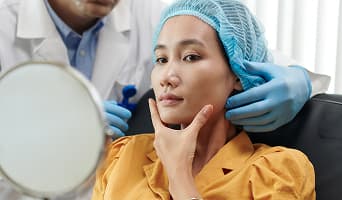
Jaw Correction Surgery
Jaw misalignment shows up in practical ways. Chewing is harder than it should be, sleep is broken, getting words out clearly takes extra effort, and face or jaw pain becomes routine. The jaw bones are where the problem sits. Moving them back into the right position is what the surgery achieves. Oral and maxillofacial surgeons perform jaw correction surgery abroad and locally, depending on where the patient can access the right specialist and hospital for their condition. Orthognathic surgery moves one or both jaw bones into proper alignment. An oral and maxillofacial surgeon performs the operation. An orthodontist takes part in care from the preparation stage through to post-operative follow-up. The surgery is used to treat overbite, underbite, crossbite, open bite, and jaw asymmetry. For most patients these are physical problems, not cosmetic ones. Jaw bones that sit out of position compress the airway during sleep, cause pain when chewing, interfere with speech, and put abnormal load on the jaw joint over time. Treatment follows 3 stages. Orthodontic preparation comes first. Surgery under general anesthesia in a hospital setting is second. Post-operative orthodontic refinement is third and continues until the bite is stable. Most patients hold the corrected position for many years. CureMeAbroad helps patients find and compare jaw correction surgery abroad options across verified hospitals and specialists worldwide.

FREE HOTEL & FLIGHTS

100% OFF ON DENTAL CHECKUP

BEST PRICE GUARANTEED
Overview
Jaw misalignment shows up in practical ways. Chewing is harder than it should be, sleep is broken, getting words out clearly takes extra effort, and face or jaw pain becomes routine. The jaw bones are where the problem sits. Moving them back into the right position is what the surgery achieves. Oral and maxillofacial surgeons perform jaw correction surgery abroad and locally, depending on where the patient can access the right specialist and hospital for their condition. Orthognathic surgery moves one or both jaw bones into proper alignment. An oral and maxillofacial surgeon performs the operation. An orthodontist takes part in care from the preparation stage through to post-operative follow-up. The surgery is used to treat overbite, underbite, crossbite, open bite, and jaw asymmetry. For most patients these are physical problems, not cosmetic ones. Jaw bones that sit out of position compress the airway during sleep, cause pain when chewing, interfere with speech, and put abnormal load on the jaw joint over time. Treatment follows 3 stages. Orthodontic preparation comes first. Surgery under general anesthesia in a hospital setting is second. Post-operative orthodontic refinement is third and continues until the bite is stable. Most patients hold the corrected position for many years. CureMeAbroad helps patients find and compare jaw correction surgery abroad options across verified hospitals and specialists worldwide.
Procedure Scope
Jaw correction surgery adjusts the position of the upper or lower jaw to fix bite and alignment problems. It can also make chewing easier, improve speech, and reduce breathing issues caused by jaw position.
Treatment Stage
Treatment happens in 3 steps: braces before surgery, the jaw operation itself, and braces again afterward to fine-tune the bite. It’s a long process that needs coordination between the surgeon and orthodontist.
Recovery Timeline
The first few weeks involve swelling, stiffness, and limited jaw movement. Bone healing and bite settling continue over several months as things gradually stabilize.
Expected Results
The bite sits correctly, chewing feels easier, and facial balance improves in a noticeable but natural way. Results are long-term when the orthodontic and surgical phases are properly completed.
Ideal Candidates
Best for people whose bite problem comes from how the jawbones are positioned, not just teeth alignment. It’s usually done after growth is complete and when braces alone haven’t fixed the issue.
Affordable Care | Transparent Costs | Expert Guidance
Get best price with CureMeAbroad
Things to Check for Jaw Correction Surgery Abroad
- Confirm the surgeon carries a recognized specialist qualification in oral and maxillofacial surgery.
- Check whether the hospital holds internationally recognized accreditation such as JCI.
- Ask for a complete written breakdown of jaw correction surgery cost before anything is confirmed, covering surgery, anesthesia, hospital admission, and aftercare.
- Ask whether the hospital has a set process for managing the care of patients who travel from other countries.
- Establish whether pre-surgical orthodontic preparation can be completed by a practitioner in the patient's home country.
- Ask what clinical support is available if a complication arises after the patient has returned home.
- Find out if a remote consultation is on offer before any travel plans are made.
- Check that the hospital runs its own imaging unit for pre-operative assessment, covering CT and X-ray.
- Before finalizing jaw correction surgery abroad, ask directly how the hospital handles post-operative problems in patients who are no longer in the country.
Risks And Complications of Jaw Correction Surgery Abroad
- Nerves passing through the lower face lie close to the area being operated on. Surgical contact can leave numbness in the lips, chin, or cheeks that doesn’t always clear.
- Wound infection following this surgery is a known risk, most likely to develop in the first fortnight after the procedure.
- A portion of patients experience skeletal relapse, where the jaw bone slowly returns toward the position it was in before surgery.
- Considerable bleeding during or after the operation can require a further surgical procedure to control.
- In some cases, the repositioned bone doesn’t heal into a solid union as intended.
- Post-operative swelling is a normal and often marked feature of recovery. It takes several weeks to reduce.
- Jaw stiffness, restricted opening, altered chewing, and changes to speech are all typical in the early weeks after surgery.
- Distance from the treating hospital is a real consideration for those who choose jaw correction surgery abroad, particularly if complications arise after returning home.
- Corrective jaw surgery abroad also carries the standard risks of general anesthesia, including adverse drug reactions.
Do’s
- ✓Verify surgeon credentials (e.g. ISAPS, JPRAS)
- ✓Ask for before-after photos
- ✓Check language barriers
- ✓Review aftercare and follow-up options
- ✓Consider local laws on medical malpractice
Don'ts
- ✗Don't Choose a Clinic Based Only on Price
- ✗Don't Rely Solely on Social Media or Influencers
- ✗Don't Ignore Language Barriers
- ✗Don't Rush Into Surgery Without Research
- ✗Don't Assume You Can Fly Back Immediately

jaw shaping
Doctor: Dr. Im Young Min

facial fat transfer
Doctor: Dr. Im Young Min
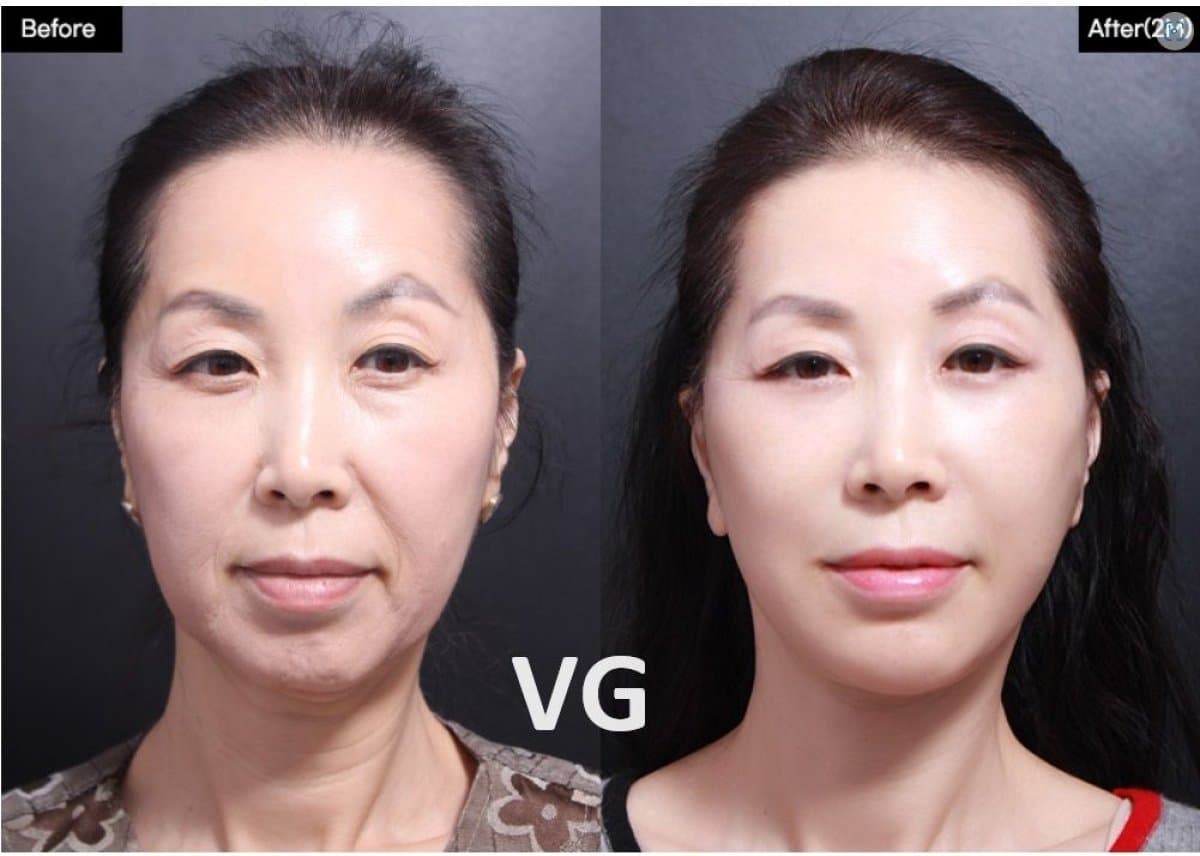
jaw shaping
Doctor: Dr. Choi Min Hyub
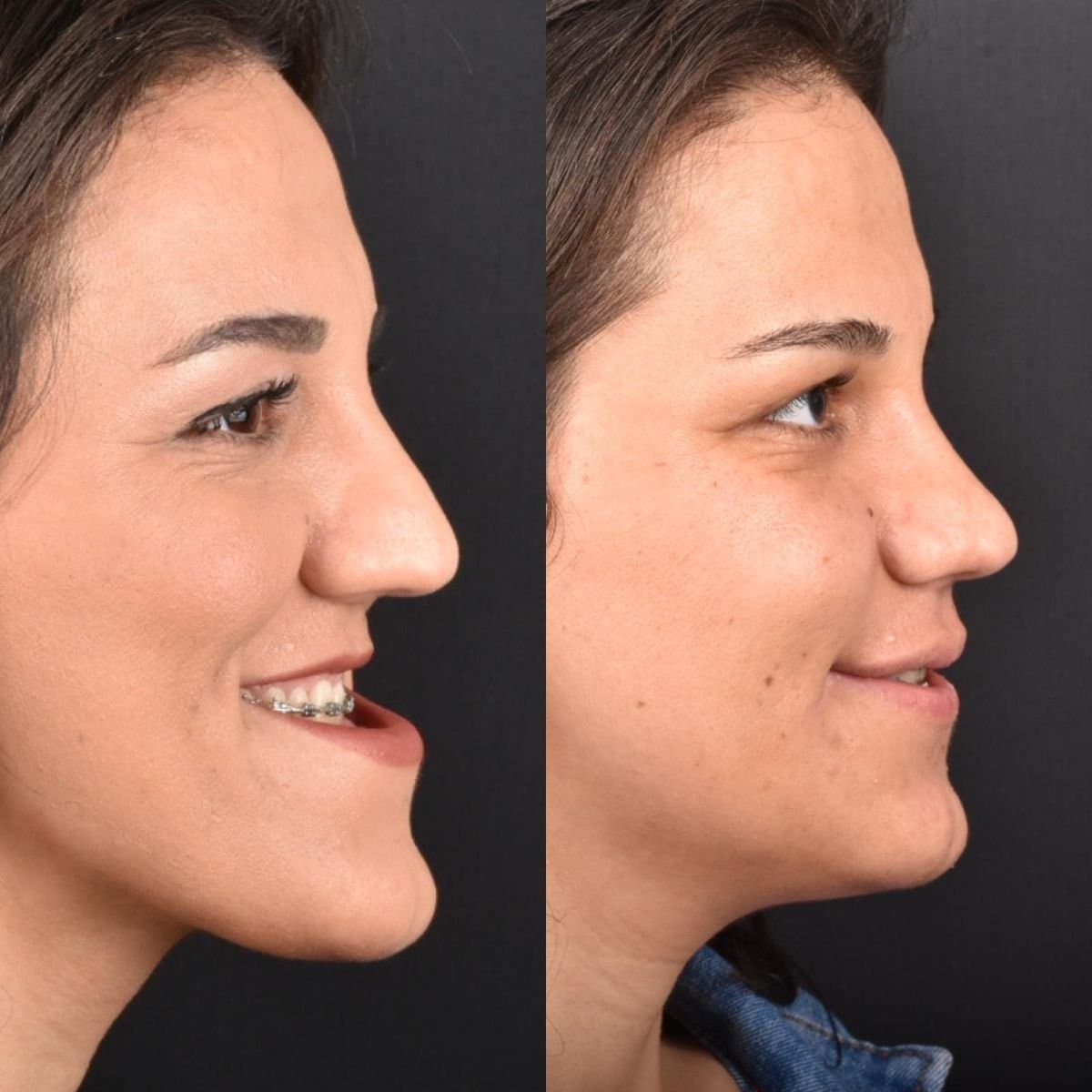
jaw implant
Doctor: Abdulsamet Kundakcioglu
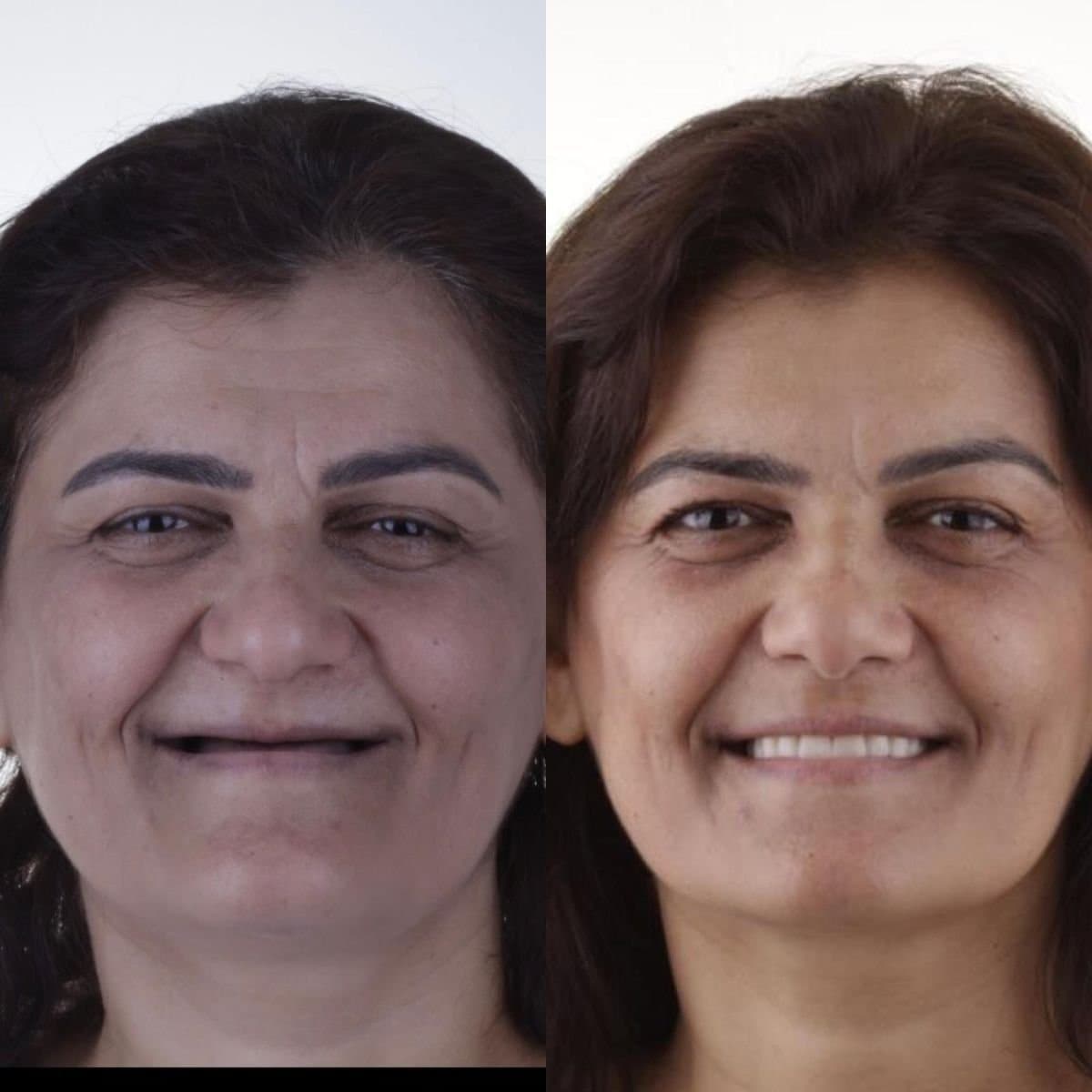
jaw implant
Doctor: Abdulsamet Kundakcioglu
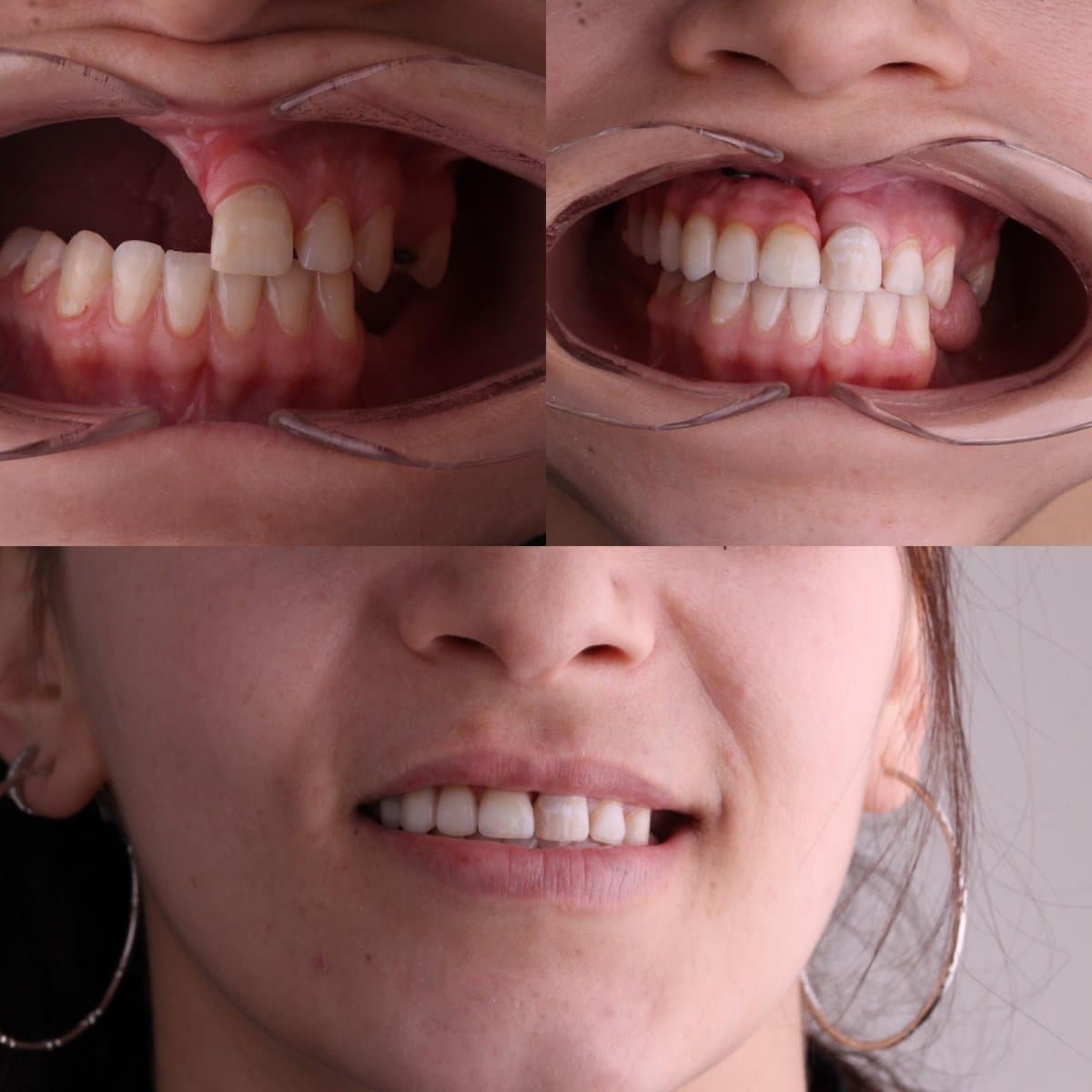
jaw implant
Doctor: Abdulsamet Kundakcioglu
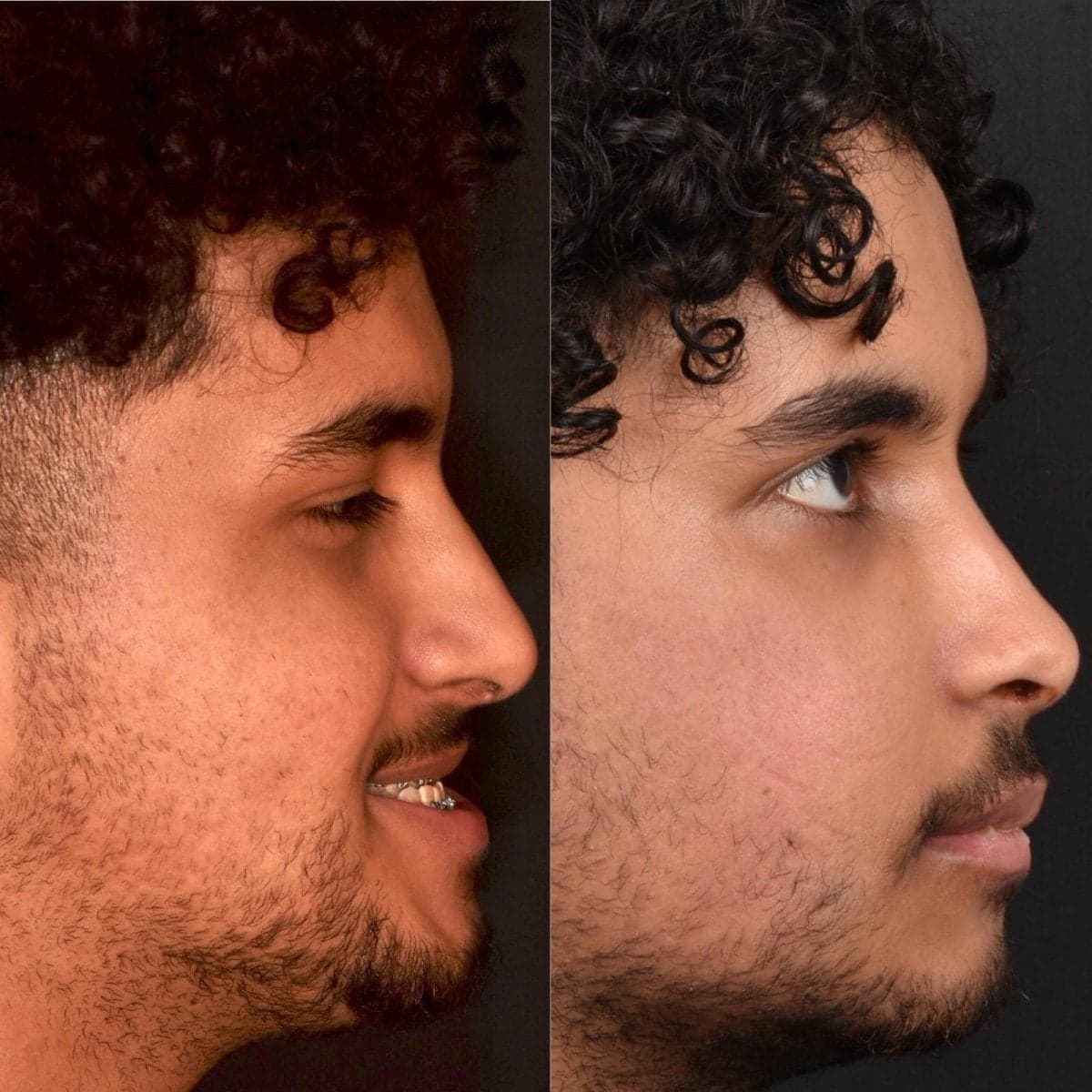
jaw shaping
Doctor: Abdulsamet Kundakcioglu
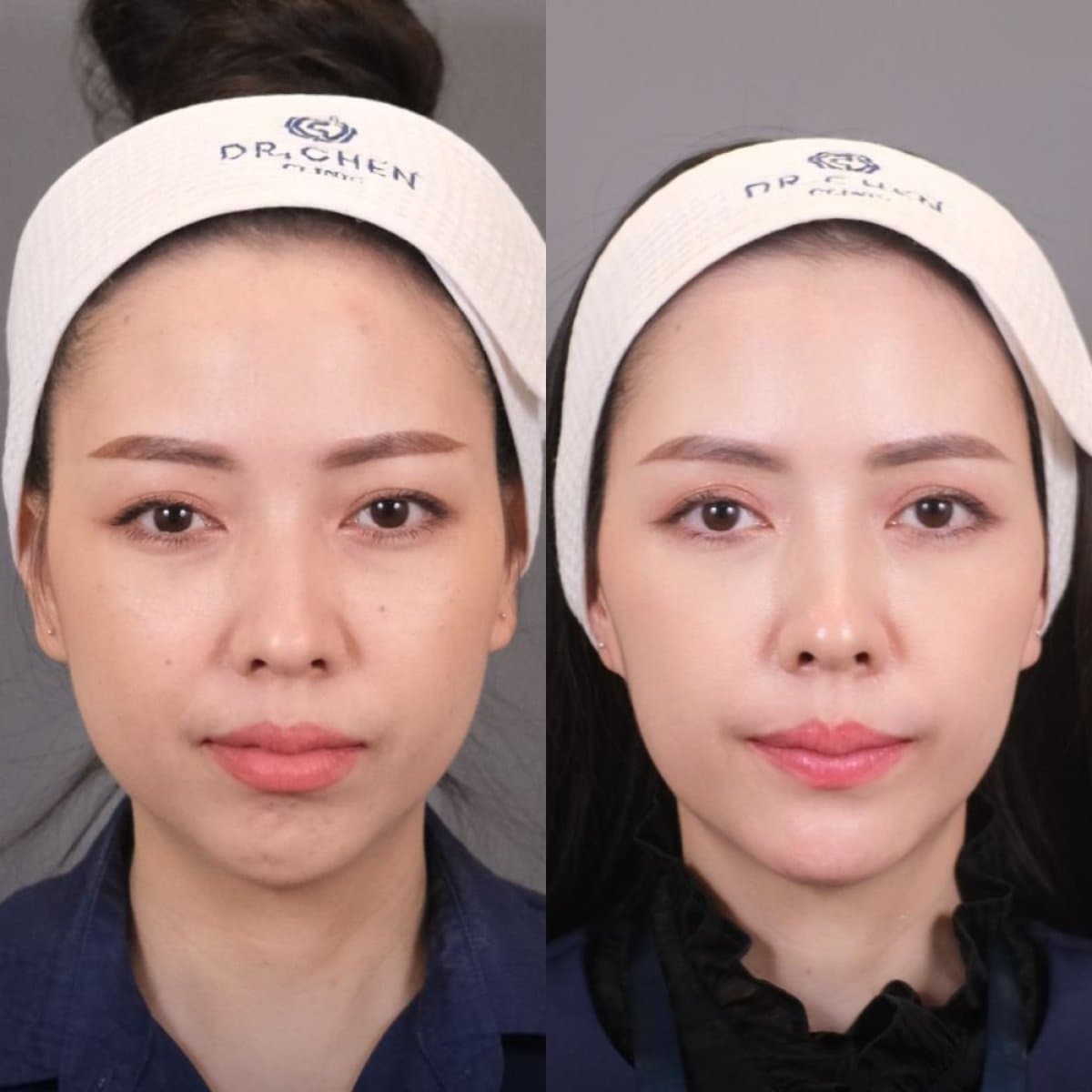
jawline contouring
Doctor: Chen Chaicharncheep
Under Cosmetic/Plastic Surgery
Loading...
CureMeAbroadIs Absolutely Free
Just discovery so you can choose what's right for you!


World's No. 1 Medical Discovery Platform
Jaw Correction Surgery
This procedure involves specific medical techniques tailored to address particular health conditions. Your doctor will explain the detailed process based on your case.
Jaw Correction Surgery
Eligibility depends on your medical history, current condition, and treatment goals. A consultation and evaluation will determine if you are a suitable candidate.
Jaw Correction Surgery
Preparation may include lab tests, imaging, medication adjustments, fasting, or lifestyle recommendations. Your healthcare provider will give you personalized instructions.
What does this procedure involve?
Jaw Correction Surgery
This procedure involves specific medical techniques tailored to address particular health conditions. Your doctor will explain the detailed process based on your case.