Breast Reduction Abroad — Relieve Discomfort, Restore Confidence, Reclaim Your Body
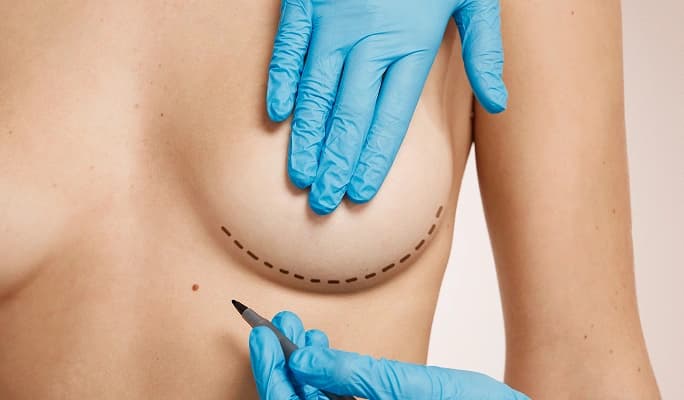
Surgeons use the term reduction mammoplasty for this operation. Glandular tissue, fat, and skin are taken out of the breasts, the remaining tissue is reshaped, and the nipple is moved to a point that fits naturally on the altered breast. General anesthesia is used throughout. The operation takes 2-4 hours in most cases, though the actual time depends on how much tissue is coming out. It is carried out by a plastic or reconstructive surgeon in a licensed facility. What large breasts do to the body over time is well recorded in medical literature. Persistent strain on the neck and spine, shoulder grooving from bra straps, skin breakdown in the fold under the breast, poor sleep from positional discomfort, and a shrinking ability to exercise are findings that come up repeatedly across the research. The psychological picture is documented just as consistently. Feeling self-conscious, pulling back from physical activity and social life, and a steady drop in daily quality of life show up as reliable patterns in patient outcome data. Patients who come across breast lift abroad during their research need to know it isn’t the same thing as reduction mammoplasty. A breast lift, or mastopexy, deals with ptosis, which is sagging. It tightens the outer skin and reshapes the breast but doesn’t take out glandular tissue. Reduction mammoplasty is specifically about removing glandular tissue and fat. A surgeon can carry out both in one session where the situation calls for it, but the two procedures aren't the same and shouldn’t be treated as such.

FREE HOTEL & FLIGHTS

100% OFF ON DENTAL CHECKUP

BEST PRICE GUARANTEED
Overview
Surgeons use the term reduction mammoplasty for this operation. Glandular tissue, fat, and skin are taken out of the breasts, the remaining tissue is reshaped, and the nipple is moved to a point that fits naturally on the altered breast. General anesthesia is used throughout. The operation takes 2-4 hours in most cases, though the actual time depends on how much tissue is coming out. It is carried out by a plastic or reconstructive surgeon in a licensed facility. What large breasts do to the body over time is well recorded in medical literature. Persistent strain on the neck and spine, shoulder grooving from bra straps, skin breakdown in the fold under the breast, poor sleep from positional discomfort, and a shrinking ability to exercise are findings that come up repeatedly across the research. The psychological picture is documented just as consistently. Feeling self-conscious, pulling back from physical activity and social life, and a steady drop in daily quality of life show up as reliable patterns in patient outcome data. Patients who come across breast lift abroad during their research need to know it isn’t the same thing as reduction mammoplasty. A breast lift, or mastopexy, deals with ptosis, which is sagging. It tightens the outer skin and reshapes the breast but doesn’t take out glandular tissue. Reduction mammoplasty is specifically about removing glandular tissue and fat. A surgeon can carry out both in one session where the situation calls for it, but the two procedures aren't the same and shouldn’t be treated as such.

Procedure Time
2-4 hours is the usual operative range. Cases with a larger resection or a concurrent second procedure run longer.

Recovery Timeline
Getting back to a desk and managing light daily tasks is realistic for most patients within the first week or two after surgery. Lifting and physically demanding activity are off limits for 4-6 weeks. Swelling is slow to go and the breasts don’t reach their settled post-operative shape and size until 3-6 months have passed

Expected Results
Breast size goes down and the contour changes. Chronic back and shoulder pain and the postural problems tied to it tend to get better after surgery. Surgical scars are there permanently but they usually become less visible over the months following the procedure.

Ideal Candidates
Adults who are in stable general health, have a consistent body weight, and carry large breasts that have been producing documented physical symptoms are the standard candidates. Patients looking into sagging breast surgery abroad may be assessed for a combined reduction and mastopexy, which the surgeon looks at during the first consultation.
Affordable Care | Transparent Costs | Expert Guidance
Get best price with CureMeAbroad
Things to Check for Breast Lift (Mastopexy) Abroad
- Every health condition currently being managed, every medication being taken, and every known allergy has to be given to the surgical team in full before a procedure date is confirmed.
- A complete medical history is part of standard preoperative preparation. Any prior surgery or treatment involving the breasts needs to be included in it.
- If breast implants are already in place, the treating team needs to know from the very first contact. This changes how the operation is planned and approached.
- Pre-operative instructions from the treating doctor about what to eat, drink, and do with medications in the lead-up to surgery are to be followed precisely as issued.
- A responsible adult needs to be available to provide practical support in the early days of recovery. This has to be arranged before travel happens.
Risks And Complications of Breast Lift (Mastopexy) Abroad
- The two breasts may not look perfectly even after surgery. Some residual difference in shape or volume between the two sides can remain once healing is complete.
- Nipple and breast sensation sometimes shifts after breast lift surgery. In some patients it comes back. In others, the change is permanent.
- Post-surgical infection is a known risk in any operative procedure. It is managed through post-operative wound care and clinical monitoring.
- Scarring at the incision sites is a permanent result of this surgery. How visible individual scars remain over time isn’t consistent across patients.
- General anesthesia carries its own clinical risks, and these differ between patients. The anesthesiologist goes through them individually with each person before the operation gets underway.
Do’s
- ✓Verify surgeon credentials (e.g. ISAPS, JPRAS)
- ✓Ask for before-after photos
- ✓Check language barriers
- ✓Review aftercare and follow-up options
- ✓Consider local laws on medical malpractice
Don'ts
- ✗Don't Choose a Clinic Based Only on Price
- ✗Don't Rely Solely on Social Media or Influencers
- ✗Don't Ignore Language Barriers
- ✗Don't Rush Into Surgery Without Research
- ✗Don't Assume You Can Fly Back Immediately
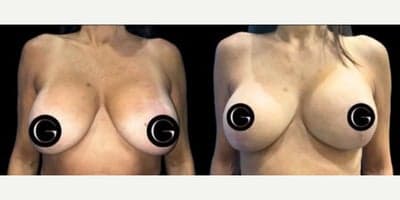
Woman treated with Breast Lift, Breast Implant Revision
Woman treated with Breast Lift, Breast Implant Revision
Doctor: Stephen T. Greenberg, MD, FACS
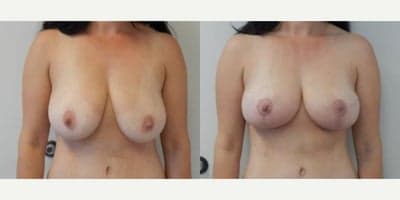
Woman treated with Breast Lift
Woman treated with Breast Lift
Doctor: Richard H. Lee, MD
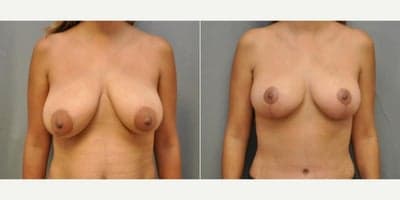
Woman treated with Breast Lift
Woman treated with Breast Lift
Doctor: Richard H. Lee, MD
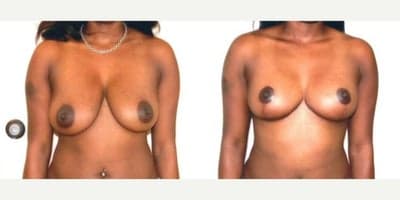
Woman treated with Breast Lift
Woman treated with Breast Lift
Doctor: Richard H. Lee, MD
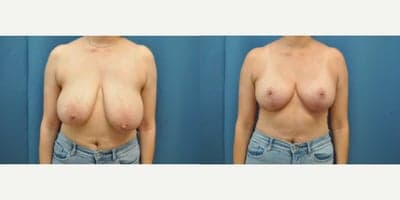
Woman treated with Breast Lift
Woman treated with Breast Lift
Doctor: Richard H. Lee, MD
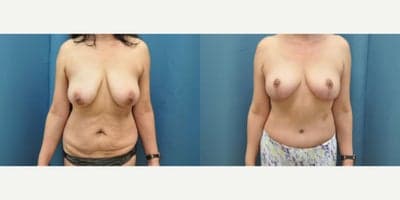
Woman treated with Breast Lift
Woman treated with Breast Lift
Doctor: Richard H. Lee, MD
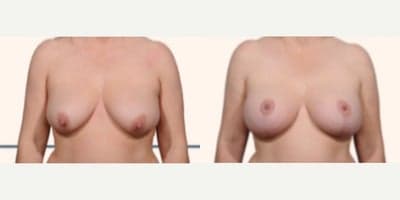
Woman treated with Breast Lift
Woman treated with full anchor lift incision Breast Lift. Areolae asymmetry/breast asymmetry correction and areolae repositioning and reshaping were also performed. Breast lift scars will continue to fade up to 1 year post-procedure. Patient is shown before and 4 months post-op.
Doctor: John L. Burns Jr., MD
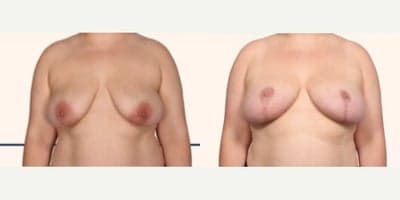
Woman treated with Breast Lift
Woman treated with full anchor lift incision Breast Lift as well as areolae asymmetry/breast asymmetry correction. Breast lift scars will continue to fade up to 1 year post-procedure. Patient is shown before and 4 months post-op.
Doctor: John L. Burns Jr., MD
Under Cosmetic/Plastic Surgery
Loading...
CureMeAbroadIs Absolutely Free
Just discovery so you can choose what's right for you!


World's No. 1 Medical Discovery Platform
Breast Lift (Mastopexy)
This procedure involves specific medical techniques tailored to address particular health conditions. Your doctor will explain the detailed process based on your case.
Breast Lift (Mastopexy)
Eligibility depends on your medical history, current condition, and treatment goals. A consultation and evaluation will determine if you are a suitable candidate.
Breast Lift (Mastopexy)
Preparation may include lab tests, imaging, medication adjustments, fasting, or lifestyle recommendations. Your healthcare provider will give you personalized instructions.
What does this procedure involve?
Breast Lift (Mastopexy)
This procedure involves specific medical techniques tailored to address particular health conditions. Your doctor will explain the detailed process based on your case.