




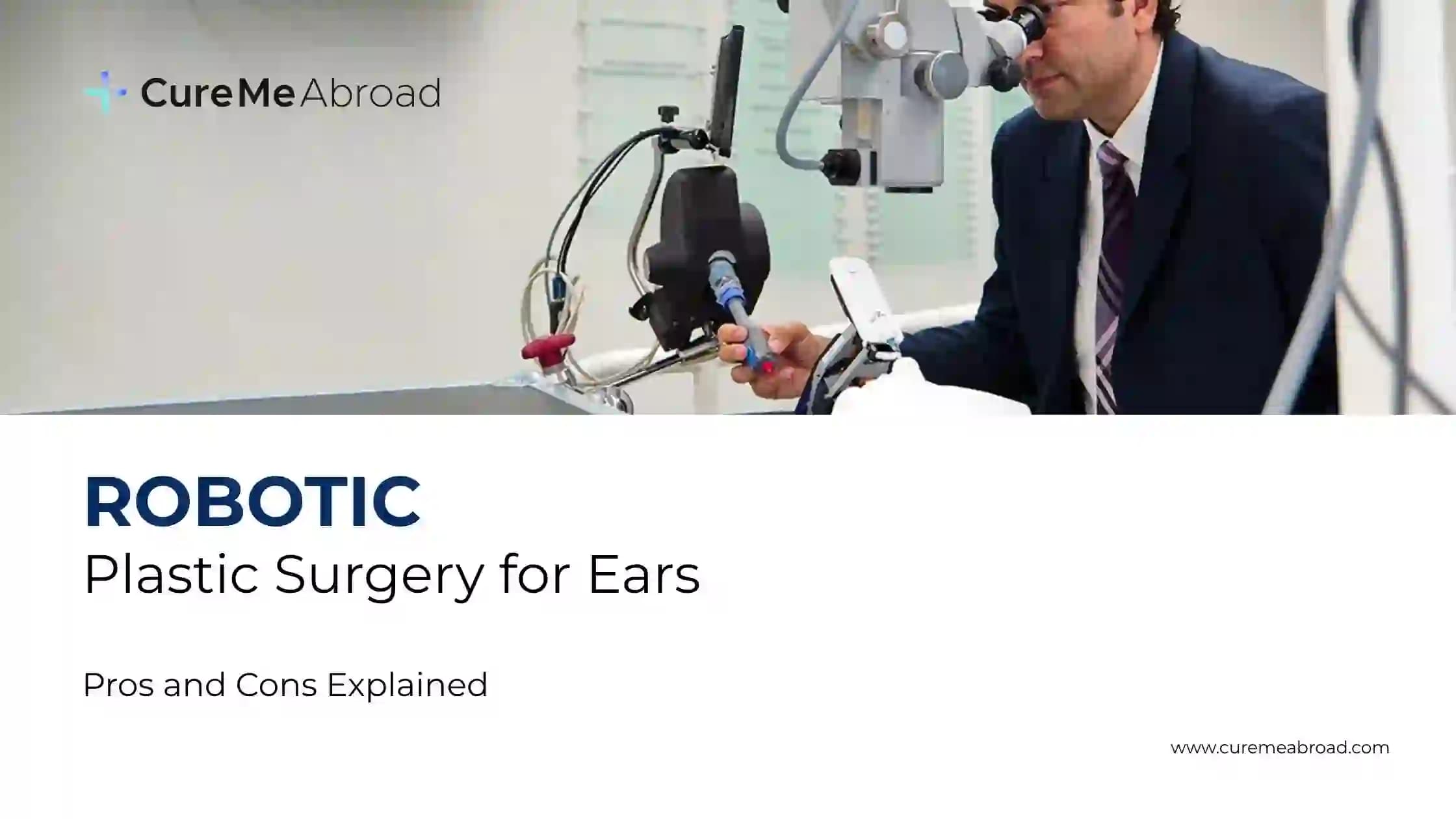
Advancements in medical technology have transformed nearly every aspect of healthcare, and cosmetic surgery is no exception. From minimally invasive procedures to 3D imaging and artificial intelligence-assisted planning, innovation continues to reshape how surgeons approach aesthetic and reconstructive treatments. One of the most exciting developments in recent years is the introduction of robotic-assisted surgery into various medical specialties. While robotic technology has already become widely recognized in fields such as urology, gynecology, and cardiac surgery, its influence is gradually expanding into plastic and reconstructive procedures.
Among the emerging applications of this technology is robotic plastic surgery for ears, an innovative approach that combines the expertise of skilled plastic surgeons with the precision of advanced robotic systems. Ear surgeries often require meticulous attention to detail because even minor changes in shape, position, or symmetry can significantly impact facial appearance. Robotic assistance has the potential to enhance surgical accuracy and improve outcomes in selected cases.
However, like any medical innovation, robotic-assisted ear surgery comes with both advantages and limitations. While some patients may benefit from greater precision and reduced tissue trauma, others may find that traditional surgical techniques remain equally effective for their needs. Understanding both sides of the equation is essential before deciding whether robotic surgery is the right option.
This article explores what robotic plastic surgery for ears involves, how it works, and the key pros and cons patients should consider before undergoing treatment.
Understanding Robotic Plastic Surgery for Ears
Before examining the benefits and drawbacks, it is important to understand what robotic plastic surgery for ears actually means. Contrary to common misconceptions, robotic surgery does not involve a robot independently performing an operation. Instead, the surgeon remains in complete control throughout the procedure.
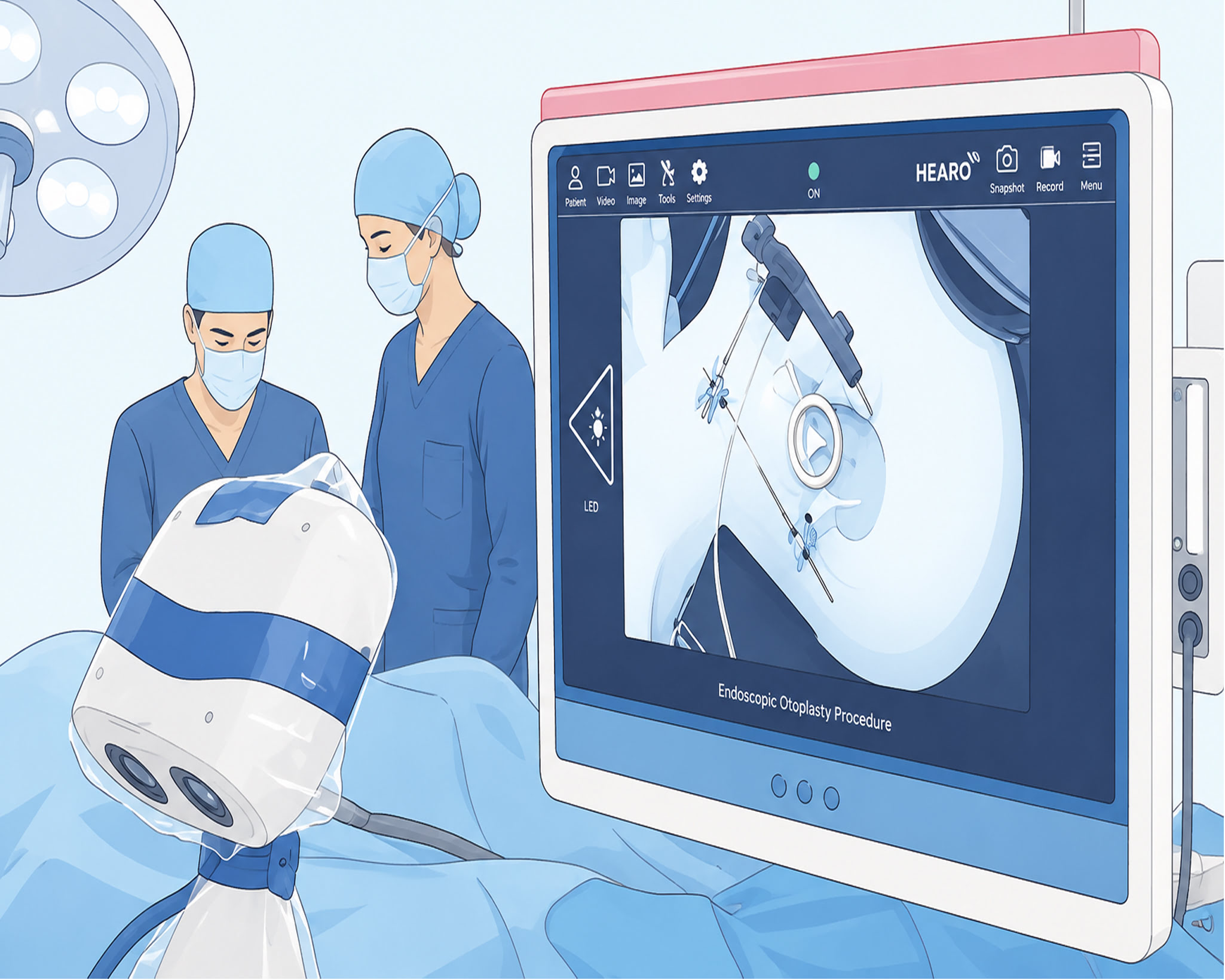
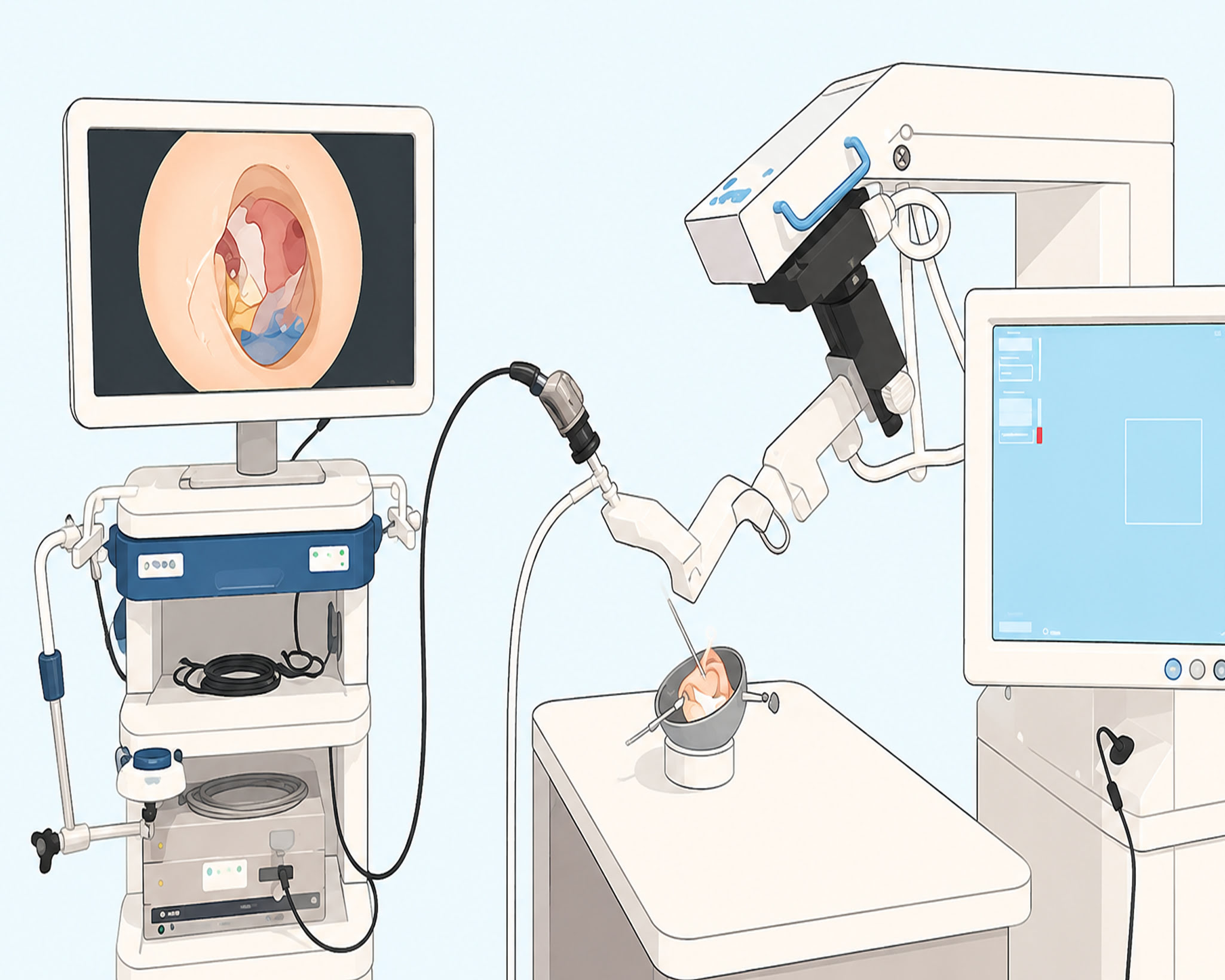
A robotic surgical system acts as an extension of the surgeon's hands, translating precise movements into highly controlled actions. The technology typically includes robotic arms equipped with specialized surgical instruments and a high-definition imaging system that provides a magnified view of the surgical area.
When applied to ear surgery, robotic assistance can help surgeons perform delicate procedures involving cartilage reshaping, tissue reconstruction, and correction of anatomical irregularities. These procedures may include otoplasty for prominent ears, reconstruction following trauma, correction of congenital deformities, and revision surgeries designed to improve previous outcomes.
Because ear anatomy contains complex curves, folds, and cartilage structures, even slight inaccuracies can affect the final appearance. Robotic technology aims to reduce these challenges by enhancing precision and control during surgery.
Why Ear Surgery Requires Exceptional Precision
The ears play a more important role in facial aesthetics than many people realize. Although they are not always the primary focus of attention, their shape, size, and position contribute significantly to facial balance and symmetry.
Ear surgeries often involve modifying delicate cartilage structures while preserving natural contours. Surgeons must ensure that both ears appear symmetrical and proportionate to the rest of the face. Even a small discrepancy can become noticeable after healing.
Traditional ear surgery techniques have achieved excellent results for decades, but they require considerable skill and experience. Robotic assistance offers an additional layer of precision that may be particularly valuable in complex cases where millimeter-level accuracy is crucial.
For reconstructive procedures involving damaged or malformed ears, robotic technology may also assist in achieving more predictable and consistent results.
The Advantages of Robotic Plastic Surgery for Ears
One of the most significant benefits of robotic plastic surgery for ears is enhanced surgical precision. Robotic systems are designed to perform highly controlled movements that exceed the natural range of human dexterity. This allows surgeons to make extremely precise adjustments to cartilage and soft tissue structures.
Precision is especially important during procedures such as otoplasty, where reshaping cartilage can dramatically alter ear appearance. Greater control may help surgeons achieve smoother contours and improved symmetry between both ears.
Another major advantage is superior visualization. Robotic systems often provide surgeons with magnified three-dimensional images of the surgical field. Unlike traditional surgical views, which may be limited by direct line of sight, robotic imaging enables surgeons to examine anatomical structures in remarkable detail.
This enhanced visibility can improve decision-making during surgery and reduce the likelihood of overlooking subtle anatomical variations. Better visualization may be particularly useful during reconstructive procedures involving intricate tissue manipulation.
Reduced tissue trauma is another potential benefit associated with robotic-assisted surgery. Traditional surgical instruments sometimes require larger movements to access specific areas. Robotic instruments can often operate with greater precision, minimizing unnecessary disruption to surrounding tissues.
When tissue trauma is reduced, patients may experience less swelling, bruising, and postoperative discomfort. Although recovery experiences vary between individuals, many patients appreciate any factors that contribute to a smoother healing process.
Smaller incisions may also be possible in certain cases. Because robotic systems provide enhanced access and control, surgeons may be able to perform procedures through more limited entry points. Smaller incisions can reduce visible scarring and improve cosmetic outcomes.
Another advantage involves the elimination of hand tremors. Even the most skilled surgeons naturally experience microscopic hand movements. Robotic systems are capable of filtering out these tremors, allowing for smoother and more precise surgical actions.
For patients requiring complex reconstructive surgery, robotic technology can also support advanced preoperative planning. Modern imaging systems can create detailed models of the patient's anatomy, helping surgeons map out the procedure before entering the operating room. This level of preparation may contribute to greater accuracy and more predictable outcomes.
Potential Improvements in Cosmetic Outcomes
One of the primary reasons patients explore robotic plastic surgery for ears is the possibility of achieving superior cosmetic results. While traditional techniques remain highly effective, robotic assistance may help surgeons refine details that contribute to a more natural-looking appearance.
Symmetry is one of the most important goals in ear surgery. Even slight differences between the ears can become noticeable after healing. The enhanced precision offered by robotic systems may assist surgeons in creating balanced and proportionate results.
Natural contours are equally important. Ears contain numerous folds and curves that must be preserved or recreated during surgery. Robotic technology may allow for more accurate shaping of cartilage, helping maintain the ear's natural anatomy.
Patients undergoing reconstructive procedures following injury or congenital abnormalities may particularly benefit from these capabilities. Restoring both function and appearance often requires intricate surgical work that can be enhanced through advanced technology.
The Limitations of Robotic Plastic Surgery for Ears
Despite its potential advantages, robotic plastic surgery for ears is not without challenges. One of the most significant drawbacks is cost. Robotic surgical systems are expensive to purchase, maintain, and operate. Healthcare facilities must invest heavily in equipment, training, and ongoing maintenance.
These costs are often reflected in the overall price of the procedure. As a result, robotic-assisted ear surgery may be substantially more expensive than traditional surgical approaches.
Availability is another important consideration. Not every hospital or cosmetic surgery center has access to robotic technology. Even facilities that possess robotic systems may not use them for ear surgery, as adoption within facial plastic surgery remains relatively limited.
Patients interested in robotic procedures may need to travel to specialized centers where surgeons have experience using the technology for ear-related treatments.
The learning curve associated with robotic surgery also deserves attention. Successful outcomes depend not only on the technology itself but also on the surgeon's expertise. Surgeons must undergo extensive training to become proficient in robotic-assisted procedures.
This means that choosing a qualified and experienced surgeon remains just as important as selecting the technology. A robotic system cannot compensate for insufficient surgical skill or poor judgment.
Another limitation is that many routine ear surgeries already achieve excellent results using conventional techniques. Procedures such as standard otoplasty have been refined over decades and consistently produce high patient satisfaction rates.
For straightforward cases, the added benefits of robotic assistance may be relatively modest. Patients should carefully evaluate whether the potential advantages justify the additional cost and complexity.
Procedure times may also be longer in some situations. Setting up robotic equipment and positioning the system can increase operating room preparation time. Although experienced surgical teams often streamline this process, it remains a factor worth considering.
Are There Risks Associated With Robotic Ear Surgery?
Like all surgical procedures, robotic plastic surgery for ears carries certain risks. These may include infection, bleeding, scarring, anesthesia-related complications, and dissatisfaction with cosmetic results.
Importantly, robotic technology does not eliminate these risks entirely. While enhanced precision may reduce some complications, every surgical procedure involves inherent uncertainties.
Equipment-related issues can also occur, although they are relatively uncommon. Robotic systems are sophisticated machines that require regular maintenance and monitoring. Surgical teams are trained to manage technical challenges and transition to conventional techniques if necessary.
Patients should discuss all potential risks with their surgeon before proceeding with treatment.
Who Is an Ideal Candidate?
The suitability of robotic plastic surgery for ears depends on several factors. Individuals seeking correction of prominent ears, reconstruction after trauma, congenital deformity repair, or revision surgery may be candidates for robotic-assisted procedures.
Patients with complex anatomical concerns often stand to benefit the most from enhanced precision and visualization. In contrast, individuals seeking simple cosmetic corrections may achieve equally satisfying results through traditional surgical approaches.
A thorough consultation with a board-certified plastic surgeon is essential for determining the most appropriate treatment method. During this consultation, the surgeon will evaluate ear anatomy, discuss aesthetic goals, review medical history, and explain available options.
The Future of Robotic Plastic Surgery for Ears
As robotic technology continues to evolve, its role in plastic surgery is expected to grow. Future systems may offer even greater precision, improved imaging capabilities, and enhanced integration with artificial intelligence-based surgical planning.
Researchers are exploring ways to make robotic systems more accessible and cost-effective, which could encourage wider adoption across cosmetic and reconstructive specialties.
While robotic ear surgery remains a developing field, many experts believe it represents an important step toward the future of personalized surgical care. As clinical experience expands and technology advances, patients may benefit from increasingly sophisticated treatment options.
Conclusion
Robotic plastic surgery for ears represents an exciting advancement in modern cosmetic and reconstructive surgery. By combining human expertise with cutting-edge technology, robotic systems offer enhanced precision, superior visualization, improved control, and the potential for highly refined surgical outcomes.
At the same time, patients must carefully consider the limitations of this approach. Higher costs, limited availability, longer setup times, and the fact that traditional techniques already produce excellent results in many cases are important factors to weigh. Furthermore, successful outcomes depend primarily on the skill and experience of the surgeon rather than the technology alone.
For individuals considering ear surgery, the best approach is to consult a qualified plastic surgeon who can assess their unique needs and recommend the most suitable treatment option. Whether performed using traditional methods or advanced robotic assistance, the ultimate goal rzemains the same: achieving natural-looking, balanced results that enhance both appearance and confidence.
Frequently Asked Questions (FAQs)
What is robotic plastic surgery for ears?
Robotic plastic surgery for ears is an advanced surgical approach that uses robotic-assisted technology to help surgeons perform ear reshaping or reconstruction procedures with greater precision. The robot does not operate independently; instead, it acts as a highly controlled extension of the surgeon's movements.
Is robotic plastic surgery for ears better than traditional ear surgery?
Robotic-assisted surgery offers benefits such as enhanced precision, improved visualization, and potentially reduced tissue trauma. However, traditional ear surgery techniques remain highly effective and are often sufficient for many patients. The best option depends on the complexity of the case, the surgeon's expertise, and the patient's goals.
What conditions can robotic ear surgery treat?
Robotic plastic surgery for ears may be used to address prominent ears, congenital ear deformities, traumatic ear injuries, ear reconstruction, and revision procedures that correct previous surgical outcomes.
How long does robotic ear surgery take?
The duration varies depending on the complexity of the procedure. Simple ear reshaping surgeries may take one to three hours, while more complex reconstructive procedures can take longer. Additional setup time for robotic equipment may also be required.
Is robotic plastic surgery for ears painful?
Patients typically experience mild to moderate discomfort after surgery, which can usually be managed with prescribed medications. Many individuals report manageable pain levels during the recovery period.
How long is the recovery period after robotic ear surgery?
Most patients can return to light daily activities within a few days to a week. However, complete healing and final results may take several weeks or months, depending on the extent of the procedure and individual healing factors.
Does robotic ear surgery leave scars?
Like any surgical procedure, robotic ear surgery involves incisions that may leave scars. However, surgeons often place incisions in discreet locations, and robotic precision may help minimize visible scarring in some cases.
Is robotic plastic surgery for ears safe?
When performed by a qualified and experienced surgeon, robotic-assisted ear surgery is generally considered safe. As with any surgery, there are risks, including infection, bleeding, anesthesia complications, and dissatisfaction with results.
Who is a good candidate for robotic plastic surgery for ears?
Good candidates are individuals seeking ear reshaping, reconstruction, correction of congenital deformities, or revision surgery. A consultation with a board-certified plastic surgeon is necessary to determine whether robotic assistance is appropriate for a specific case.
How much does robotic plastic surgery for ears cost?
The cost varies depending on the surgeon, clinic, location, and complexity of the procedure. Robotic-assisted surgeries are typically more expensive than conventional ear surgeries because of the advanced technology involved.
Are the results of robotic ear surgery permanent?
In most cases, the results are long-lasting or permanent. However, factors such as aging, injury, and individual healing responses can influence the long-term outcome.
Is robotic ear surgery widely available?
Currently, robotic plastic surgery for ears is not as widely available as traditional ear surgery. It is typically offered at specialized medical centers and by surgeons who have received training in robotic-assisted procedures.
Can children undergo robotic plastic surgery for ears?
Depending on the condition being treated, children may be candidates for ear surgery, including robotic-assisted procedures. The decision should be made after careful evaluation by a qualified plastic or reconstructive surgeon.
What are the main advantages of robotic plastic surgery for ears?
The primary benefits include improved surgical precision, enhanced 3D visualization, reduced hand tremors, potential for less tissue trauma, and the possibility of achieving highly refined cosmetic outcomes.
What are the disadvantages of robotic plastic surgery for ears?
The main drawbacks include higher costs, limited availability, longer setup times, and the fact that many standard ear procedures already achieve excellent results using conventional surgical techniques.