




The shape, size, and position of your ears may seem like small details, but they can have a significant impact on your overall facial appearance and self-confidence. For many people, ears that protrude excessively, appear asymmetrical, or have an unusual shape can become a source of self-consciousness. While hairstyles and accessories can sometimes help conceal these concerns, they do not address the underlying issue.
This is where ear otoplasty surgery comes in. Otoplasty is a specialized cosmetic and reconstructive procedure designed to improve the appearance, position, or proportion of the ears. Whether performed on a child, teenager, or adult, the procedure can create a more balanced facial appearance and often leads to a significant boost in self-esteem.
Over the years, ear otoplasty surgery has become one of the most commonly performed facial plastic surgery procedures worldwide. Advances in surgical techniques have made the procedure safer, more effective, and capable of producing highly natural-looking results.
If you are considering ear surgery or simply want to understand how the procedure works, this comprehensive guide covers everything you need to know, including the procedure, benefits, recovery process, risks, costs, and expected results.
What Is Ear Otoplasty Surgery?
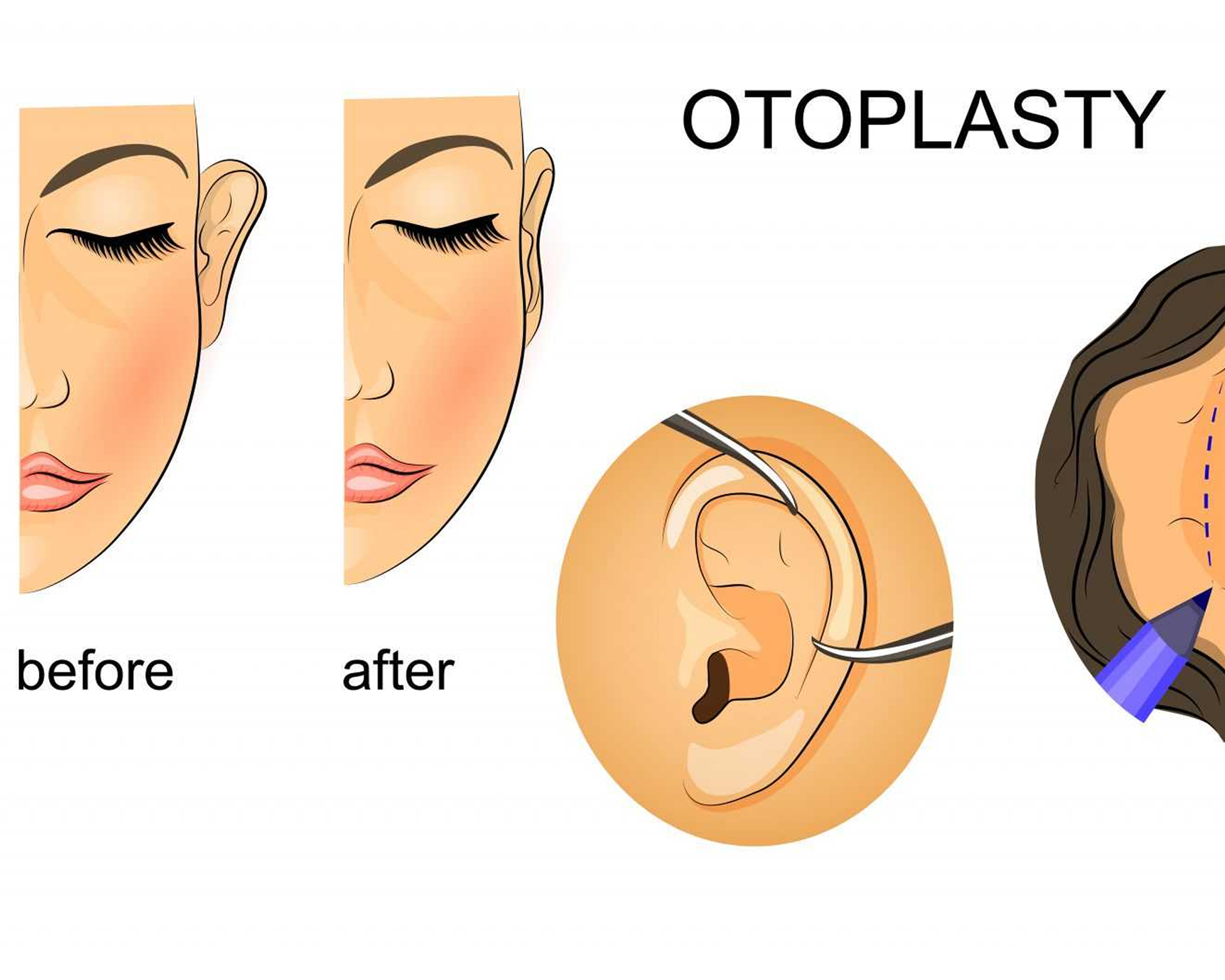
Ear otoplasty surgery is a cosmetic or reconstructive procedure performed to alter the shape, position, or size of the ears. The surgery is most commonly used to correct ears that protrude prominently from the sides of the head, a condition often referred to as prominent ears.
However, otoplasty is not limited to ear pinning. It can also address a wide range of aesthetic and structural concerns, including asymmetrical ears, overly large ears, misshapen ears, congenital deformities, and damage caused by injury or trauma.
The goal of ear otoplasty surgery is not necessarily to create "perfect" ears but rather to achieve a natural-looking appearance that complements the rest of the facial features. The procedure aims to improve balance and harmony while maintaining the ears' normal function.
Unlike many cosmetic surgeries that focus on reversing signs of aging, otoplasty is often performed at a younger age. Many children undergo the procedure before starting school to avoid teasing and social anxiety related to ear appearance.
Why Do People Choose Ear Otoplasty Surgery?
People choose ear otoplasty surgery for various reasons. For some, the motivation is purely cosmetic. They may feel that their ears stick out too far or appear disproportionate compared to the rest of their face.
Others seek surgery because of emotional and psychological concerns. Children with prominent ears often experience teasing, bullying, or unwanted attention from peers. These experiences can affect confidence and self-esteem during critical developmental years.
Adults may also carry insecurities about their ears for decades before deciding to pursue treatment. Some avoid certain hairstyles, photographs, or social situations because they feel self-conscious about their appearance.
In reconstructive cases, ear otoplasty surgery can help individuals who were born with ear abnormalities or who have experienced trauma, burns, or injuries that altered the shape of the ear.
Regardless of the reason, many patients report increased confidence and improved self-image following the procedure.
Who Is a Good Candidate for Ear Otoplasty Surgery?
Good candidates for ear otoplasty surgery include both children and adults who are bothered by the appearance of their ears and have realistic expectations about the outcome.
Children are often considered suitable candidates once the ears have reached near-full development, which typically occurs around five to six years of age. At this stage, the cartilage is stable enough for correction while still being flexible and easy to reshape.
Adults of any age can also undergo otoplasty as long as they are in good overall health. Many adults choose the procedure later in life after years of dissatisfaction with their ear appearance.
Candidates should ideally be non-smokers or willing to stop smoking before and after surgery, as smoking can interfere with healing. They should also understand that while otoplasty can significantly improve ear appearance, achieving absolute symmetry is not always possible.
A consultation with a qualified plastic surgeon is essential to determine whether ear otoplasty surgery is the right option for your specific concerns.
Common Conditions Treated by Ear Otoplasty Surgery
One of the most common reasons patients undergo ear otoplasty surgery is to correct prominent ears. This condition occurs when the ears project outward from the head more than usual, making them appear more noticeable.
Another common concern is ear asymmetry. While slight asymmetry is normal, significant differences in shape, size, or position can affect facial balance and may be corrected through surgery.
Some patients seek treatment for macrotia, a condition characterized by unusually large ears. Otoplasty can reshape and reduce the size of the ears to create a more proportionate appearance.
Congenital deformities are another reason for surgery. Certain individuals are born with structural abnormalities affecting ear development. Reconstructive otoplasty can help improve both appearance and function.
Injury-related deformities caused by accidents, sports injuries, burns, or previous surgeries may also be corrected using advanced otoplasty techniques.
How Ear Otoplasty Surgery Is Performed
The exact technique used during ear otoplasty surgery depends on the patient's anatomy and desired outcome. The procedure is typically performed on an outpatient basis, meaning patients can return home the same day.
The surgery usually begins with anesthesia. Children often receive general anesthesia, while adults may undergo the procedure using local anesthesia combined with sedation.
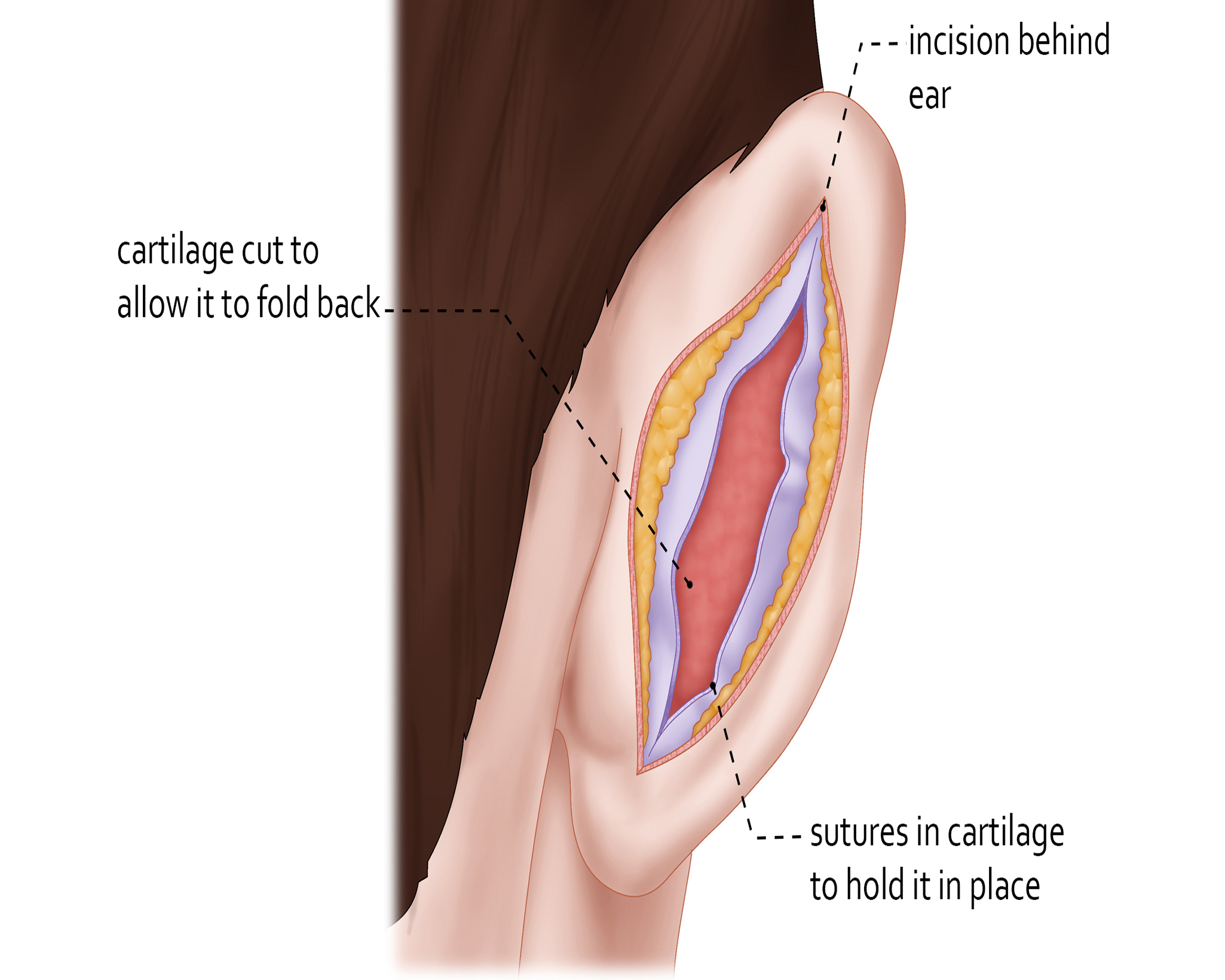
Once the patient is comfortable, the surgeon makes a carefully placed incision behind the ear where it is less visible. Through this incision, the surgeon gains access to the cartilage that gives the ear its shape.
The cartilage may then be reshaped, folded, sculpted, or repositioned depending on the correction required. In some cases, small amounts of cartilage are removed to achieve the desired contour.
Permanent internal sutures are often used to maintain the new shape and position of the ear. Once the correction is complete, the incision is closed with fine sutures, and a protective dressing is applied.
Most ear otoplasty surgery procedures take between one and three hours, depending on the complexity of the case.
Benefits of Ear Otoplasty Surgery
One of the most obvious benefits of ear otoplasty surgery is improved appearance. By repositioning or reshaping the ears, the procedure creates a more balanced and harmonious facial profile.
Many patients experience a significant boost in self-confidence following surgery. They often feel more comfortable wearing short hairstyles, participating in social activities, and appearing in photographs.
For children, the procedure may help reduce the risk of teasing and bullying, which can positively affect emotional development and social interactions.
The results of ear otoplasty surgery are generally long-lasting. Once the cartilage has healed in its new position, the improvements are usually permanent.
Another advantage is that scars are typically well hidden behind the ears, making them difficult to detect after healing.
Because otoplasty focuses on the ears rather than central facial features, the changes can be subtle yet impactful. Many patients find that the results look natural and do not draw attention to the fact that surgery was performed.
Recovery After Ear Otoplasty Surgery
Recovery is an important part of achieving the best possible results from ear otoplasty surgery. Immediately after the procedure, patients typically wear a protective bandage around the head to support the ears and protect them during the initial healing phase.
Mild discomfort, swelling, bruising, and tenderness are common during the first few days. These symptoms are usually manageable with prescribed medications and gradually improve over time.
Most patients can return to work, school, or normal daily activities within one week. However, strenuous exercise and activities that could impact the ears should be avoided for several weeks.
Many surgeons recommend wearing a soft headband at night for a period after surgery. This helps protect the ears while sleeping and reduces the risk of accidental bending.
Swelling continues to decrease over the following weeks, and the final results become more visible as healing progresses.
Although recovery timelines vary between individuals, most patients can enjoy their new appearance relatively quickly.
Risks and Complications
Like any surgical procedure, ear otoplasty surgery carries certain risks. While serious complications are uncommon, patients should understand the potential issues before proceeding.
Infection is a possible risk, although it can usually be managed effectively with antibiotics if detected early.
Bleeding, swelling, and temporary discomfort are common but generally resolve without long-term problems.
Scarring may occur, although incisions are usually placed behind the ears where scars remain discreet.
Some patients may experience asymmetry or dissatisfaction with the aesthetic outcome. In rare cases, revision surgery may be necessary to achieve the desired result.
Changes in skin sensation around the ears can also occur temporarily during the healing process. Most sensation returns to normal over time.
Choosing an experienced plastic surgeon significantly reduces the likelihood of complications and helps improve overall outcomes.
Results and Long-Term Expectations
The results of ear otoplasty surgery are typically visible immediately after the bandages are removed. However, some swelling remains during the early healing period.
As the swelling gradually subsides, the ears settle into their final position and shape. Most patients notice a significant improvement in facial balance and overall appearance.
One of the biggest advantages of otoplasty is the longevity of the results. Because the procedure permanently reshapes the cartilage, the improvements generally last a lifetime.
Patients often report feeling more confident in both personal and professional settings. The psychological benefits can be just as meaningful as the physical changes.
Maintaining realistic expectations is important. The goal is natural-looking improvement rather than perfection. A successful procedure should enhance facial harmony without making the ears appear artificially altered.
How Much Does Ear Otoplasty Surgery Cost?
The cost of ear otoplasty surgery varies depending on several factors, including the surgeon's experience, geographic location, facility fees, anesthesia costs, and the complexity of the procedure.
In countries such as the United States, prices can range from several thousand dollars. In medical tourism destinations, costs may be significantly lower while still providing access to qualified surgeons and modern facilities.
Patients should remember that choosing a surgeon based solely on price is not advisable. Experience, credentials, patient reviews, and before-and-after results should all be considered when making a decision.
Many clinics offer financing options to help make the procedure more accessible.
Choosing the Right Surgeon
The success of ear otoplasty surgery depends heavily on the skill and experience of the surgeon performing the procedure. Selecting a qualified plastic surgeon should be one of the most important parts of your decision-making process.
Look for a surgeon with extensive experience in facial plastic surgery and otoplasty procedures specifically. Reviewing before-and-after photographs can provide insight into the surgeon's aesthetic approach and consistency of results.
During the consultation, ask questions about the procedure, recovery, expected outcomes, and potential risks. A reputable surgeon will provide honest answers and help you determine whether surgery is appropriate for your goals.
Conclusion
Ear otoplasty surgery is a safe and effective procedure designed to improve the appearance, shape, position, or proportion of the ears. Whether performed to correct prominent ears, address asymmetry, repair congenital deformities, or restore ears after injury, otoplasty can create lasting improvements in both appearance and confidence.
Thanks to modern surgical techniques, patients can achieve natural-looking results with minimal visible scarring and relatively short recovery times. While every surgical procedure involves risks, choosing an experienced plastic surgeon and following proper aftercare instructions can significantly enhance the likelihood of a successful outcome.
As innovations continue to shape the field of cosmetic surgery, emerging technologies such as robotic plastic surgery for ears are being explored for select reconstructive and precision-based procedures. However, traditional surgical techniques remain the standard approach for ear otoplasty due to their proven safety, precision, and predictable results.
For individuals who feel self-conscious about their ears, ear otoplasty surgery offers a proven solution that can improve facial harmony and boost self-esteem for years to come.
Frequently Asked Questions (FAQs)
What is ear otoplasty surgery?
Ear otoplasty surgery is a cosmetic or reconstructive procedure that reshapes, repositions, or resizes the ears to improve their appearance and balance with the face.
Is ear otoplasty surgery permanent?
Yes. The results of ear otoplasty surgery are generally permanent because the cartilage is reshaped and secured in its new position.
At what age can a child have otoplasty?
Most surgeons recommend otoplasty after the ears have reached near-full growth, usually around five to six years of age.
How long does ear otoplasty surgery take?
The procedure typically takes between one and three hours, depending on the complexity of the correction.
Is otoplasty painful?
Patients may experience mild discomfort and soreness during recovery, but pain is usually manageable with medication prescribed by the surgeon.
How long is the recovery period?
Most patients return to normal activities within one week, although complete healing may take several weeks.
Will there be visible scars after ear otoplasty surgery?
Scars are usually hidden behind the ears and become less noticeable over time.
Can adults undergo ear otoplasty surgery?
Yes. Adults of all ages can benefit from ear otoplasty surgery if they are healthy and have realistic expectations.
Does health insurance cover ear otoplasty surgery?
Insurance coverage depends on whether the procedure is cosmetic or medically necessary. Reconstructive procedures may qualify for coverage in some cases.
Can otoplasty fix uneven ears?
Yes. Ear otoplasty surgery can improve the symmetry and balance of uneven or asymmetrical ears.
Is robotic plastic surgery for ears the same as traditional otoplasty?
No. Traditional otoplasty is performed entirely by the surgeon using conventional surgical instruments, while robotic plastic surgery for ears utilizes robotic-assisted technology to enhance precision and control. The surgeon remains in full control of the procedure, and the robotic system serves as an advanced surgical tool.