



Life Expectancy After Spinal Fusion: Does It Affect Your Lifespan?
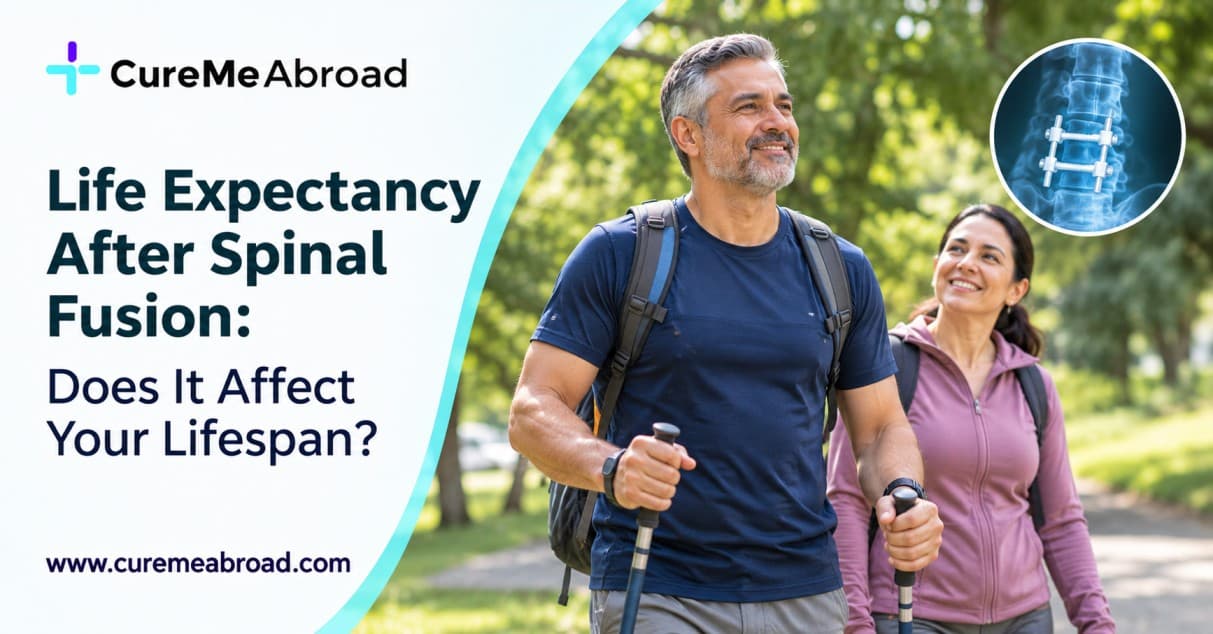
A spinal fusion can change how you move, how you recover, and how you manage everyday activities. But does it also change how long you live? This is a concern many patients have before agreeing to surgery. The reassuring part is that spinal fusion doesn’t automatically mean a shorter life. However, your age, overall health, and possible surgical complications can influence your long-term outlook. In this blog, you will learn what research says about life expectancy after spinal fusion, which factors affect survival, what complications may develop over time, and how to protect your health after surgery.
Understanding Life Expectancy After Spinal Fusion
Spinal fusion is a surgery that joins two or more vertebrae so they heal as one piece of bone. Surgeons recommend it when a spine problem causes ongoing pain or instability. Common reasons include worn discs, a narrowed spinal canal, a vertebra that has slipped out of place, scoliosis, or a spinal fracture.
Before going ahead with surgery, many people start looking into life expectancy after spinal fusion. Their concerns usually come down to two questions:
Will having this surgery mean I don't live as long?
If something goes wrong afterward, could it affect my health for years to come?
The fusion itself doesn’t automatically shorten your life. However, serious complications, such as an infection or blood clot, can affect your health and recovery. Your age, overall health before surgery, and existing medical conditions also play an important role in your long-term outlook.
Who Is Most at Risk?
Some patients are more likely to experience complications than others. These include:
Older adults who have several health conditions at the same time
People with diabetes that is difficult to control, obesity, or osteoporosis
Smokers and anyone with weak bones
Patients who need multiple levels of the spine fused
People who have cancer or a weakened immune system
What Do Studies Reveal About Survival Rates After Spinal Fusion?
Research on life expectancy after spinal fusion offers some encouraging findings, particularly for patients undergoing planned surgery for degenerative spine conditions. However, the results vary depending on the patients studied and the reason for surgery.
A 2024 study followed 411 patients aged over 65 who underwent surgery for degenerative lumbar spine disease. The procedures included different types of lumbar surgery, including fusion and non-fusion procedures. Over a median follow-up of 9.2 years, the researchers found a standardized mortality ratio of 0.67 compared with the general population matched for age, sex, and calendar period. In simple terms, fewer patients died than researchers would have expected based on the comparison population. However, these findings can’t be attributed to spinal fusion alone, and they don’t mean that surgery increases life expectancy.
Another study looked at patients with profound cerebral palsy and scoliosis. Those who underwent instrumented spinal fusion had an 18.8-percentage-point higher survival rate than those who didn’t undergo fusion in this study. This was a very specific patient group, so the findings shouldn’t be generalized to all spinal fusion patients. In some patients with severe spinal deformities, correcting the curve may also help reduce problems associated with breathing and positioning.
For adults having planned lumbar or cervical fusion, available research doesn’t suggest that the procedure automatically shortens life expectancy. However, there isn’t enough evidence to conclude that life expectancy is the same as that of the general population for every patient.
Keep in mind that survival numbers aren’t the same for everyone. They can vary depending on the condition being treated, how many levels of the spine are fused, and how healthy the patient was at the time of surgery.
Factors That Affect Life Expectancy After Spinal Fusion
Several things influence how well a patient does in the years after surgery.
Age at the time of surgery: Younger patients with strong bones and fewer health problems may have an easier recovery. However, age alone doesn’t determine the outcome. Overall health, existing medical conditions, and physical fitness also matter.
Underlying health conditions: Smoking, obesity, poorly controlled diabetes, and osteoporosis can make a fusion less likely to succeed and slow recovery. Managing these conditions before and after surgery can support better healing and reduce the risk of complications.
Smoking: Nicotine gets in the way of bone healing. It can reduce blood flow to the operated area and make it harder for the body to grow new bone. This raises the risk of pseudarthrosis, which is when the fusion fails to heal properly. Smokers may also face a greater chance of needing another operation.
Number of levels fused: The more levels of the spine that are fused, the more complex the operation may be and the longer recovery can take. Longer fusions can also affect spinal movement and may increase the risk of adjacent segment problems later on.
Mental health: This is easy to overlook. Anxiety, depression, and ongoing emotional distress can affect how patients experience pain and recover after surgery. Patients who struggle with these issues may benefit from appropriate mental health support during recovery.
Following post-op guidelines: Screws and rods can loosen or break because of poor bone quality, a failed fusion, or other surgical and biological factors. Following your surgeon's bending, lifting, and twisting restrictions helps protect the healing spine.
Weight and fitness: Extra body weight can place more stress on the spine and the vertebrae next to the fusion. Maintaining a healthy weight and building core strength after surgery, when your surgeon allows it, can support better spinal function.
Short-Term Risks and Complications of Spinal Fusion Surgery
The weeks right after surgery are when most short-term problems show up.
| Complication | Description | Risk Level |
|---|---|---|
| Infection | An infection can start in the incision or deep around the screws and rods. Antibiotics treat many infections. If one doesn’t clear up, the surgeon may need to reopen the area and clean out the infected tissue. | Low to Moderate |
| Blood Clots (DVT/PE) | Limited movement after surgery can make it easier for a clot to form in a leg vein. It becomes dangerous if a piece breaks off and reaches the lungs. This can be life-threatening. | Low, but serious if it occurs |
| Excessive Bleeding | Fusing several levels can involve more blood loss. That is why the surgical team monitors bleeding throughout the operation. | Low to Moderate |
| Nerve Damage | Numbness, weakness, or pain can occur after surgery. Some symptoms improve as the area heals, but lasting nerve damage is also possible. | Uncommon |
| Paralysis | Paralysis is a very rare but serious possible complication of spinal surgery. | Very Rare |
| Anesthesia Reaction | Some people wake up feeling sick or may vomit. More serious reactions can include breathing problems or an allergic response to medication. | Uncommon |
| Dural Tear | During surgery, the thin membrane surrounding the spinal cord or nerves can be accidentally torn. If this happens, spinal fluid may leak. | Uncommon |
| Early Hardware Issues | A screw or rod may be misplaced or cause a problem soon after surgery. If scans identify an issue, the surgeon may need to correct it. | Uncommon |
Long-Term Complications of Spinal Fusion
Once the early healing is done, a new set of problems can come up. They don’t happen to everyone, but it is helpful to know what to watch for.
| Long-Term Complication | What It Means | Who Is Most at Risk |
|---|---|---|
| Adjacent Segment Disease (ASD) | The fused section can no longer bend, so the vertebrae just above and below it may experience additional strain. Over time, they can develop wear and tear. One 2004 study estimated that 36.1% of patients would develop symptomatic adjacent-segment degeneration requiring additional surgery within 10 years. This figure came from a particular study and isn’t a universal risk for every patient. | Patients with longer fusions and those with existing degeneration in nearby spinal levels |
| Pseudarthrosis (Non-Union) | In some cases, the bones don’t grow together as they should. The spine may remain painful or unstable. Some patients need another operation if the problem causes significant symptoms. | Smokers, people with diabetes, and people with osteoporosis |
| Hardware Failure | The screws, rods, or cages that hold the spine in place may loosen, break, or move out of position over time. | People with weak bones or an unsuccessful fusion |
| Failed Back Surgery Syndrome (FBSS) | Despite the name, it isn’t one specific condition. It describes ongoing or new back or leg pain after spine surgery. For some people, the pain is new. For others, the surgery doesn’t fully relieve their original symptoms. | Patients with ongoing pain, multiple health conditions, or psychological distress |
| Chronic Pain and Scar Tissue | Scar tissue can form around nerves after back surgery. Reports of epidural fibrosis vary widely, with estimates ranging from 24% to 100%, depending on how it is measured. One study of patients with persistent pain after back surgery found severe scarring in more than 83% of the group. This doesn’t mean that more than 83% of all spinal fusion patients develop severe scar tissue. | People who have undergone back surgery, particularly those with persistent pain |
| Osteoporosis-Related Complications | Weak bones can make it harder for the spine to fuse properly and may increase the risk of screw loosening, fractures, or other hardware-related problems. | Older adults and people with osteoporosis |
| Reduced Range of Motion | Fused vertebrae are joined together so that part of the spine stops moving. Many patients notice stiffness or find that they can’t twist and bend as easily as before. | Everyone who has a fusion, although the impact varies with the number of levels fused |
How Does Spinal Fusion Affect Mobility and Quality of Life?
A common fear before surgery is that you will lose the ability to move freely. It is true that the fused part of the spine will no longer bend. Still, many patients find that they can move around more easily than before because the constant, severe pain that used to hold them back has improved.
Quality of Life Improvements
Research has found improvements in how some patients feel and manage their daily activities after surgery:
Pain relief: Many patients find that their back and leg pain decreases after surgery. The amount of relief varies from person to person.
Daily function: Physical function scores on standard patient surveys can improve after the operation, helping some patients return to everyday activities.
Mental well-being: Long-lasting pain can contribute to depression or anxiety. When pain improves, some patients also notice a positive change in their mood and daily outlook.
A 10-year follow-up study published in the North American Spine Society Journal found that some early improvements in pain, disability, and quality of life declined over time. Even so, patients continued to report better outcomes than before surgery.
A study in Global Spine Journal looked at older patients who underwent multilevel spinal fusion. Depending on the health measure used, 44% to 69% experienced clinically meaningful improvements after surgery.
The Limitations to Consider
A spinal fusion is a lasting change to the way your spine is built. The joined section will no longer move, so the vertebrae next to it may have to handle additional stress. Over time, this can contribute to adjacent segment disease. Physical therapy, core strengthening, and maintaining a healthy weight can support spinal function, although they can’t eliminate this risk.
Bone healing after spinal fusion can take 6-12 months, although recovery time and the ability to return to normal activities vary from person to person. Some patients may need to avoid high-impact exercise or extreme twisting and bending, depending on their surgery and recovery. Your surgeon will guide you on when it is safe to return to these activities.
How Can You Protect Your Long-Term Health After Spinal Fusion?
What you do after surgery counts for a lot, and it keeps counting for years. Life expectancy after spinal fusion depends on several factors, including your overall health, the condition being treated, and how well you recover. Following your recovery plan can help reduce the risk of complications.
Quit Smoking and Stay Quit
Bone needs a steady blood supply to heal, and nicotine can interfere with this process. This is why smokers have a harder time achieving a solid fusion. Talk to your doctor about quitting before surgery, and continue to avoid nicotine while you recover.
Follow Your Physical Therapy Plan
After a fusion, your back and core muscles need time to regain strength. A therapist can help build them up at a pace that is safe for you. Follow the exercise plan recommended by your care team rather than pushing yourself too soon.
Watch Your Weight
Extra body weight can place more stress on your spine. Maintaining a healthy weight may help reduce the strain on nearby spinal levels and support your overall health.
Take Care of Your Bones
If you have osteoporosis or may be at risk, ask your doctor what you need. Your treatment plan may include calcium, vitamin D, medication, or weight-bearing exercise, depending on your health. This is particularly important for older adults and women after menopause.
Follow the Activity Limits
For the first few months, your surgeon may ask you to avoid bending, lifting heavy objects, and twisting. You may feel ready to do more before the bone has fully healed. Returning to strenuous activities too early can interfere with recovery.
Keep Other Conditions Under Control
If you have diabetes, work with your doctor to keep your blood sugar within your recommended range. Managing blood pressure and other health conditions also supports recovery and general health.
Go to Every Follow-Up
Your surgeon may use scans and physical assessments to check how the bone is healing and whether the hardware is in the right place. These visits can also help identify changes in nearby spinal levels.
Look After Your Mental Health
Your emotional well-being can affect how you experience pain and recovery. If you feel low, anxious, or afraid to move, speak to your doctor or a mental health professional.
When Should You Contact Your Doctor After Spinal Fusion?
It is normal to feel some pain and stiffness in the weeks after surgery, and most of it eases with time. Some symptoms aren’t part of normal healing, though. Problems caught early are often easier to treat, so don’t hold back from calling if something feels off.
Get in touch with your surgeon or care team promptly if any of these happen:
Fever or chills: A fever or chills during the first few days or weeks after surgery may point to an infection.
Changes around the incision: Watch for redness, warmth, swelling, or fluid leaking from the incision. Even small changes should be reported to your doctor.
Increasing pain: Some discomfort is expected during recovery, but pain that suddenly increases or continues to get worse near the surgery site needs medical attention.
New nerve-related symptoms: Contact your doctor if you notice new numbness, tingling, or weakness in your arms, legs, hands, or feet. These symptoms may indicate nerve irritation or compression.
Bladder or bowel problems: Difficulty urinating or unexpected loss of bladder or bowel control can signal cauda equina syndrome. This is a medical emergency and requires immediate attention.
Signs of a blood clot: Pain, swelling, or redness in one calf may indicate a blood clot in a deep vein. Contact your healthcare provider promptly.
Chest pain or sudden shortness of breath: These symptoms may mean a blood clot has travelled to your lungs. Seek emergency medical care immediately.
Pain that returns months or years later: If pain comes back or gets worse long after surgery, it may be related to loose hardware, degeneration in nearby spinal levels, or a fusion that has not healed properly.
Conclusion
Spinal fusion may change how your spine moves, but it doesn’t automatically mean you will have a shorter life. Life expectancy after spinal fusion depends on several factors, including your overall health, the condition being treated, and how well you recover. Some patients may face complications years later, while others return to their usual routines with little difficulty. Staying active, avoiding smoking, and keeping up with follow-up visits can help protect your long-term health.
If you are considering this surgery or need guidance about treatment options, CureMeAbroad can help you connect with experienced spine specialists and trusted hospitals abroad.
FAQs
1. Can spinal fusion cause problems 20 or 30 years later?
It can, yes. After that many years, one possible concern is adjacent segment disease. The bones next to the fused section may experience additional stress and develop wear and tear over time. You can’t prevent this completely, but staying active, maintaining a healthy weight, and attending follow-up appointments can help you manage your spinal health and identify problems early.
2. Does the number of vertebrae fused change my life expectancy after spinal fusion?
Not in a direct way. Fusing more levels can make spinal fusion surgery more complex and increase the risk of complications. However, this doesn’t automatically mean you will have a shorter life expectancy after spinal fusion. The differences are more likely to affect recovery and mobility. A longer fusion may take more time to heal, reduce more spinal movement, and increase the risk of problems involving nearby spinal levels or the hardware.
3. Is there an age limit for spinal fusion, and does older age affect long-term outcomes?
No, there is no fixed age limit. Some people in their 70s and 80s may undergo this surgery and experience meaningful improvements. However, older patients usually need a thorough health assessment first. The surgeon will want to know how strong their bones are, how well their heart is working, and whether other health problems could make surgery riskier or slow recovery.
4. Can physical therapy after spinal fusion reduce the risk of adjacent segment disease?
Physical therapy can’t eliminate the risk of adjacent segment disease. However, strengthening your core and back muscles can support spinal movement and function during recovery. Staying active and maintaining a healthy weight may also help you manage the strain on nearby spinal levels. Follow your therapist's recommendations and avoid exercises that your surgeon hasn’t cleared.
5. If my spinal fusion fails, does that mean I need another surgery right away?
Not necessarily. A fusion that doesn’t fully heal is called pseudarthrosis, and it doesn’t always cause symptoms. Some people have an incomplete fusion on their scans but feel fine, so their doctor may simply monitor the condition. Others experience significant pain or spinal instability and may need another operation. Your doctor will decide based on your symptoms, scan results, and how much the problem affects your daily life.
References:
Mortality in Patients Older Than 65 Years Undergoing Surgery for Degenerative Lumbar Spine Disease: BMC Geriatrics / Springer Nature: 2024
https://link.springer.com/article/10.1186/s12877-024-05533-w
Outcomes and Quality of Life Improvement After Multilevel Spinal Fusion in Elderly Patients: PubMed Central / NLM: 2020 https://www.ncbi.nlm.nih.gov/pmc/articles/PMC7076597/
Spinal Fusion (Patient Education): American Academy of Orthopaedic Surgeons: OrthoInfo: 2022 https://www.orthoinfo.org/en/treatment/spinal-fusion
Common Problems After Spinal Fusion: Short-Term Risks vs. Long-Term Complications: Premia Spine: 2024 https://premiaspine.com/common-problems-after-spinal-fusion/
The Effect of Spinal Fusion on Life Expectancy for Patients With Profound Cerebral Palsy: Spine Journal Meeting Abstracts / Lippincott Williams & Wilkins: 2011 https://journals.lww.com/spinejournalabstracts/fulltext/2011/00002/the_effect_of_spinal_fusion_on_life_expectancy_for.167.aspx
Long-Term Outcomes of Minimally Invasive vs. Traditional Open Spinal Fusion: PubMed / NLM: 2025