


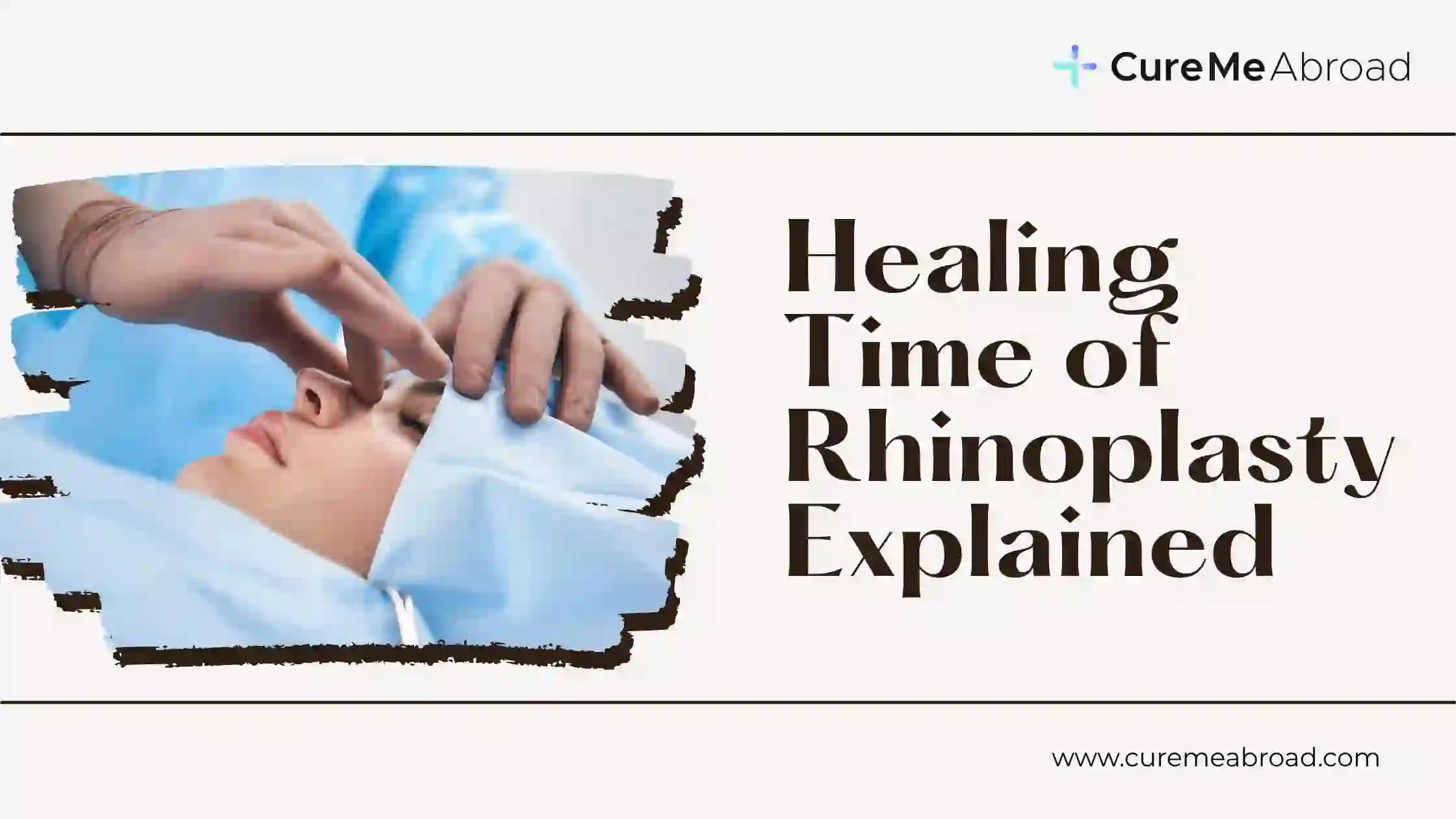
Deciding to go for rhinoplasty is a thrilling experience in order to get the look that you have always dreamed of. The journey doesn't just end when the surgery is over, though. A very crucial part of the process after rhinoplasty is the time that you spend on recovery. It allows your body to heal and get used to the changes that have been made during the surgery.
Rhinoplasty aftercare (including a rhinoplasty recovery diet) is a very important part of the process, which helps in speeding up the healing process and achieving the desired results. Getting enough rest and maintaining a healthy diet is a vital part of the daily routine of one recovering from a rhinoplasty. The manner in which a patient follows the doctor's advice determines their recovery after the rhinoplasty surgery.
This complete guide will take you through the healing time of rhinoplasty and the stages of healing after the surgery.
What is Rhinoplasty Surgery?
Rhinoplasty surgery is a reshaping procedure of the nose that can be done to improve the nose's appearance and function. A nose job may be the right treatment if one wants to change the size and proportions of their nose, have a birth defect repaired, or fix a nose damaged by an accident. The most appropriate person to carry out such a procedure would be a board-certified plastic surgeon.
Patients considering rhinoplasty for button nose correction often seek subtle refinement of the nasal tip to create better definition and facial balance. Depending on the patient’s anatomy and cosmetic goals, the procedure may involve reshaping cartilage, reducing roundness, or improving tip projection while maintaining natural-looking results.
Understanding Healing Time of Rhinoplasty
Recovering after rhinoplasty surgery is a journey. It is essential to understand that the healing time after a nose job takes the better part of a couple of months (6–8 weeks).
One's recovery from rhinoplasty may be quicker or slower than that of another person, and various factors influence this. They include the body's ability to heal and the technique of the operation. The nose's skin may also lose feeling and get strange sensations, but these things should be gone in a couple of months.
Immediate Post-Surgery Phase
Right after surgery, you might feel sleepy because of anesthesia. There also might be some pain, but with the use of painkillers, it will be under control. Moreover, swelling and bruising around the nose would be typical at this stage. Your doctor will put a splint on your nose for its protection.
In addition, the skin of your nose may feel numb or have some strange sensations at this time, but this is normal. During this stage, the main thing is to get a lot of sleep. It's very important to keep your head raised even when you are asleep for the first 7–10 days.
Ways to take care of yourself on the first day:
- Keep your head raised when you are asleep to lower the swelling
- Put cold compresses on the areas with swelling
- Do not engage in any physically demanding activities
Weeks 1–2: Initial Healing And Taking It Slow
The first couple of weeks after a nose job are quite a crucial time as far as your recovery is concerned. You will notice that the swelling is going down and the bruises are turning from the initial purple shade through green and finally yellow. Don't be concerned about these changes, as they are signs of your healing process.
Above all, you must follow the post-operative care instructions in the first healing phase as closely as possible. These steps will aid in reducing the swelling and preserving the new contour of your nose. During the first two weeks, the skin of the nose will be in the process of healing, and your sensations will be getting back to normal.
What to Expect:
- The bruising around the nose and eyes will start to resolve
- The initial shape of your new nose becomes visible
- The tightness and pain will start to resolve
- Breathing through the nose becomes easier
- Internal scar tissue begins to form
Weeks 3–4: Ongoing Refinement
During weeks 3 and 4, the swelling will continue to decrease, particularly in the area of the nasal bridge, resulting in a more defined shape of your nose. At this stage, the majority of the bruising will have dissipated, and patients are often confident enough to engage with society.
By the end of the fourth week, most normal activities can be undertaken, apart from contact sports or heavy exercise.
The first month marks the start of your healing time after rhinoplasty. Although your new nose will begin to emerge during this month, it will continue to evolve over the next few months. This is because the outcome can take up to a year to settle.
3–4 Months After Nose Surgery
This is when your nose will finally take its final form. The process is slow, but it is happening. You should not have any swelling, and the definition of your nose contours should be visible. You can finally compare your before and after pictures.
Visit your doctor for a check-up and analyze your results. It is finally time to enjoy the compliments that your new nose will bring to your face.
6 Months to 1–2 Years After
There is no swelling, pain, or sign of surgery. Minor changes are still occurring in your nose. Your breathing is back to normal, and your face has symmetry and balance. You can go back to your workouts, travel, and work.
Attaining the one-year mark is significant because it represents the point where the nose is completely healed and has assumed its new shape after rhinoplasty. Swelling that could have altered the nose’s shape would have already subsided by this point, and the finer details of the surgery would be apparent.
The rhinoplasty recovery process can extend up to one year, which is generally considered the final stage of healing. Recovery includes the initial days and weeks after surgery, although subtle changes in the shape and definition of the nose may continue to develop over time. During the early recovery period, surgeons often recommend limiting excessive facial movement and reducing prolonged talking after rhinoplasty to help minimize swelling and support proper healing. At the end of the healing process, the nose is carefully evaluated to determine whether the rhinoplasty results align with the patient’s aesthetic and functional goals.
Tips For A Smooth Nose Job Recovery Period And Healing Process
Follow Post-Surgical Instructions
Your doctor will tell you exactly how to care for your body depending on the surgery. These will be a guide on skin care, things you should avoid, and managing pain.
Apply Ice Packs
Ice packs can be very effective in reducing both swelling and pain during the first few days post-surgery.
Maintain A Healthy Diet
Eating a balanced diet can help speed up the recovery process. Include protein-rich foods, vitamin A, and vitamin C in your diet to promote healing.
Get Plenty Of Rest
Rest is crucial during the recovery period. Avoid strenuous activities and get plenty of sleep.
Avoid Blowing Your Nose
Nose blowing after surgery can increase swelling and delay healing. Use a soft saline spray if needed.
Avoid Vigorous Exercise
Avoid strenuous exercise for at least 6 weeks after surgery. Resume activities based on your doctor's advice.
Keep Your Nose Moist
Use a humidifier if needed to prevent dryness and irritation in the nasal passages.
Attend Follow-Up Appointments
Regular follow-ups help monitor progress and address any concerns during recovery.
Signs of Complications After Rhinoplasty
Rhinoplasty is generally safe, but it is still a major surgery. Being aware of potential complications can help ensure early intervention.
Seek medical attention if you notice:
- Persistent redness or pain beyond 2–3 weeks
- Worsening or prolonged swelling
- Fever or yellow/green discharge (possible infection)
- A sunken or asymmetrical nasal appearance
- Persistent nasal blockage after swelling subsides
Results After a Rhinoplasty
Results after rhinoplasty become more noticeable as swelling subsides. Final outcomes typically include improved facial balance, better nasal harmony, and a refined profile. In functional cases, patients may also experience improved breathing.
The results are usually long-lasting and often permanent. However, patience is essential, as the nose continues to refine over time.
Recovery is gradual and may take up to a year for full results. Following proper care and maintaining realistic expectations are key to achieving the best outcome.
Frequently Asked Questions
What is the actual healing time of rhinoplasty?
Initial healing is mostly complete after the first week, but full healing takes 6–12 months.
When can I go back to my normal routine?
Light activities can resume after 2 weeks, but intense workouts should be avoided for 4–6 weeks.
Is rhinoplasty recovery painful?
Pain is usually mild to moderate and manageable with medication. The first 3–4 days are the most uncomfortable.
How long does swelling last?
Visible swelling reduces within weeks, but subtle swelling may last several months.
Can I wear glasses after surgery?
Avoid resting glasses on your nose for at least 4 weeks unless advised otherwise.
What helps reduce swelling faster?
Keep your head elevated, reduce salt intake, and follow your doctor’s instructions.
What are the most difficult days after surgery?
The first 48–72 hours are typically the most challenging due to peak swelling and bruising.
References
- Windsor, S. (2025). Rhinoplasty recovery timeline: What to expect week by week
- The Avoca Clinic (2022). Rhinoplasty recovery timeline & tips
- Glasgold Group Plastic Surgery (2026). Rhinoplasty recovery stages
- Rhinoplasty Surgeon India (2024). Healing stages and recovery timeline