




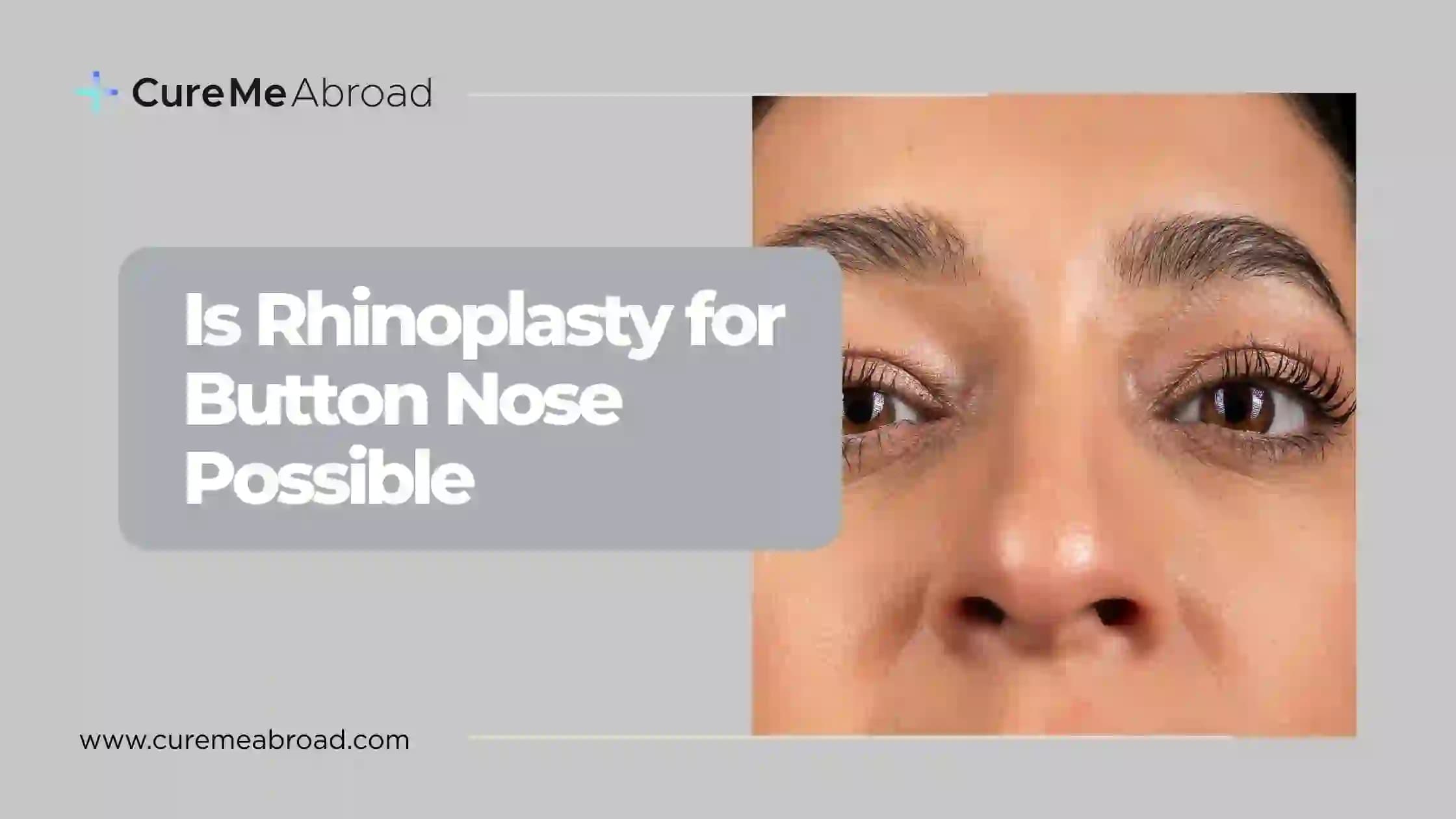
A button nose—small, rounded, and slightly upturned—is often associated with a youthful and soft facial appearance. While some people naturally have this nose type, others consider rhinoplasty to achieve a more refined, button-like shape.
Rhinoplasty is one of the most sought-after cosmetic procedures worldwide, and button nose rhinoplasty is a highly specialized variation focused on subtle, precise enhancements.
This guide covers everything you need to know, including definition, causes, procedure, recovery, risks, and costs.
What Is a Button Nose?
A button nose is defined by:
- A rounded nasal tip
- Short to medium length
- Slight upward rotation
- Soft tissue coverage
- Low projection (less prominent)
It creates a delicate and youthful facial look.
Causes of a Button Nose
A button nose can develop due to:
- Genetic inheritance
- Congenital structural differences
- Childhood trauma affecting nasal growth
- Previous rhinoplasty complications
- Excess cartilage removal
- Scar tissue formation
Understanding Rhinoplasty for Button Nose
Button nose rhinoplasty is a precision cosmetic procedure that focuses on:
- Tip refinement
- Cartilage reshaping
- Subtle enhancement of nasal proportions
Unlike traditional rhinoplasty, this procedure prioritizes natural-looking, minimal changes rather than dramatic transformation.
Who Is an Ideal Candidate?
You may be a good candidate if you have:
- Short to medium nose length
- Rounded nasal tip
- Mildly upturned tip (not excessive)
- Symmetrical nostrils
- Smooth nasal bridge
Most importantly, candidates should have realistic expectations and good overall health.
Procedure: Step-by-Step
1. Anesthesia
- Usually general anesthesia
- Sometimes local anesthesia with sedation
2. Surgical Approach
Closed Rhinoplasty
- Incisions inside nostrils
- No visible scars
- Best for minor refinements
Open Rhinoplasty
- Small incision on columella
- Better visibility for complex reshaping
- Preferred for detailed tip work
3. Tip Refinement Techniques
- Cartilage trimming or repositioning
- Suturing for shape definition
- Gentle tip rotation
4. Cartilage Grafting
- Adds structure and support
- Prevents collapse or drooping
- Often taken from the septum
5. Closure
- Incisions closed with sutures
- External splint applied
- Surgery duration: 1.5 to 3 hours
Recovery Timeline
First Week
- Swelling and bruising (moderate)
- Nasal splint for 5–7 days
- Mild breathing obstruction
2 Weeks
- Bruising mostly gone
- Return to work (non-strenuous)
Long-Term
- Swelling gradually reduces
- Final results visible in 6–12 months
Benefits of Button Nose Rhinoplasty
- Improved facial balance and harmony
- Softer, more youthful appearance
- Boost in self-confidence
- Natural-looking results
- Customized to individual facial features
Risks and Complications
Although generally safe, risks include:
- Infection
- Bleeding
- Swelling and bruising
- Asymmetry or uneven results
- Breathing difficulties (rare)
- Need for revision surgery
Choosing an experienced surgeon significantly reduces these risks.
Non-Surgical Alternatives
Liquid Rhinoplasty (Dermal Fillers)
- Temporary reshaping
- No surgery or downtime
- Results last 6 months to 2 years
Limitations:
- Cannot reduce nose size
- Limited structural changes
- Less precise than surgery
Cost of Button Nose Rhinoplasty (2026)
| Country | Average Cost (USD) |
|---|---|
| India | $900 – $3,500 |
| Turkey | $2,000 – $4,500 |
| Germany | $4,500 – $7,500 |
| UK | $5,500 – $12,000 |
| USA | $7,000 – $15,000 |
| Australia | $6,500 – $13,000 |
India and Turkey are popular for affordable, high-quality results in medical tourism.
Choosing the Right Surgeon
Look for:
- Board-certified plastic surgeons
- Extensive rhinoplasty experience
- Strong before-and-after portfolio
- Clear communication and realistic guidance
A skilled surgeon balances both aesthetic artistry and medical precision.
Conclusion
Yes—rhinoplasty for a button nose is absolutely possible. It is a highly customized procedure that focuses on subtle refinements to achieve a delicate, balanced, and natural look.
While recovery takes time, the long-term improvements in appearance, facial balance, and self-confidence make rhinoplasty a worthwhile investment for many patients. Following proper aftercare instructions including avoiding excessive strain and limiting prolonged talking after rhinoplasty during the early healing stages can help support smoother recovery and better final results.
Success depends on:
- Proper planning
- Realistic expectations
- Choosing the right surgeon
Frequently Asked Questions
Can rhinoplasty create a button nose?
Yes, surgeons can reshape the nasal tip to create a rounded, slightly upturned appearance.
How long until final results?
Most swelling subsides within weeks, but final results take up to 12 months.
Are results permanent?
Yes, though minor changes may occur with aging.
Is the procedure painful?
Discomfort is mild and manageable with medication.
Will there be scars?
- Closed rhinoplasty: No visible scars
- Open rhinoplasty: Small, fading scar under the nose
References
- Dr. Yunus Kaplan (2025)
- Dr. Seçkin Ulusoy (2026)
- Cosmeticoplasty Guide