




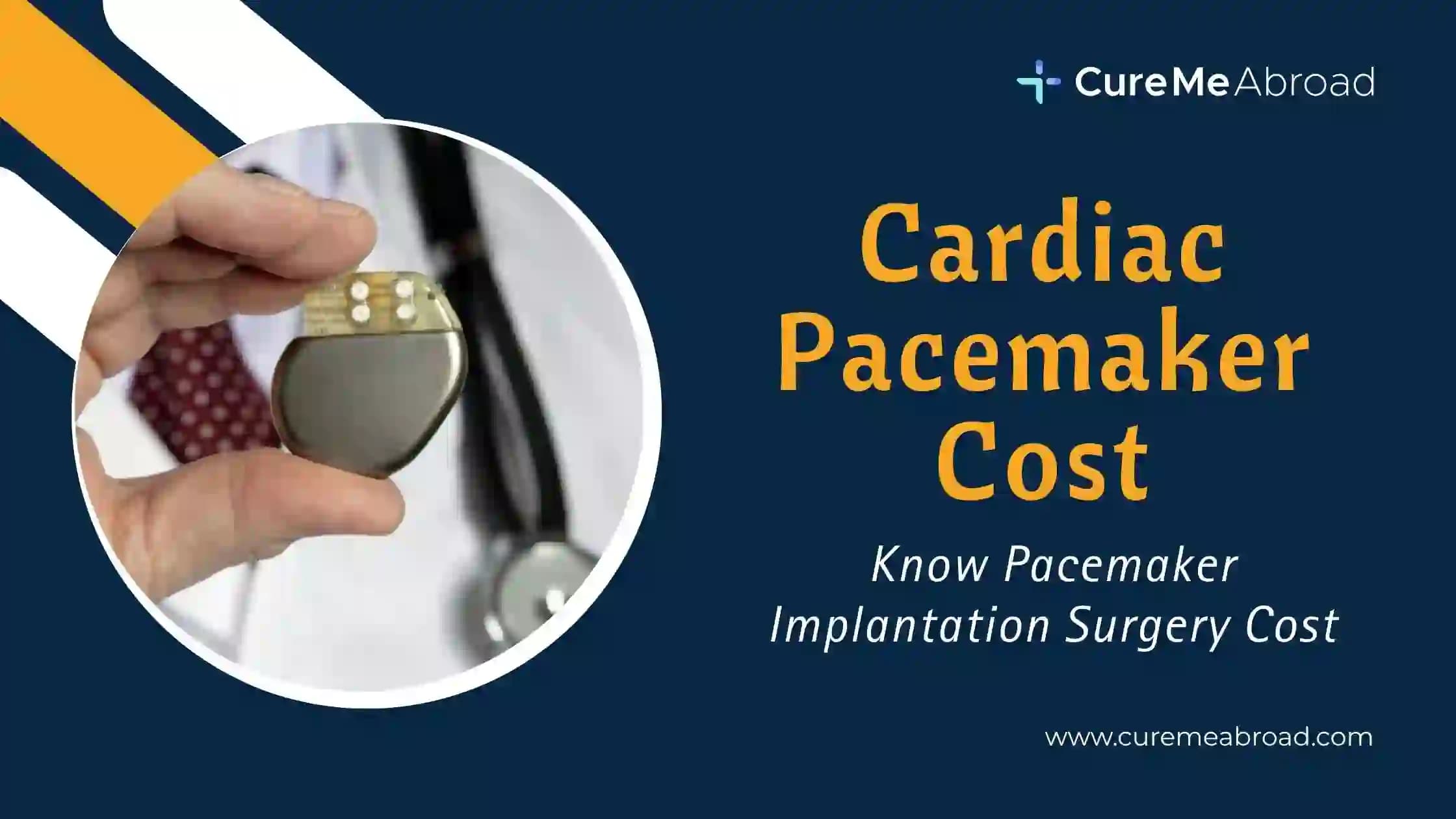
When your doctor says you need a pacemaker, the first question that follows is almost always the same "How much is this going to cost me?" Understanding cardiac pacemaker cost is not just about a number on a hospital bill. It involves the device itself, the surgery, the hospital stay, follow-up care, and long-term replacement expenses that most patients never anticipate.
This complete guide breaks down everything you need to know about pacemaker implantation surgery cost from device types and global price comparisons to insurance coverage and money-saving strategies so you can make a fully informed decision without financial surprises.
What Is a Cardiac Pacemaker and Who Needs One?
A cardiac pacemaker is a small, battery-powered medical device implanted in the chest to regulate abnormal heart rhythms. When the heart beats too slowly, too fast, or irregularly, a pacemaker sends electrical impulses to prompt the heart to beat at a normal, healthy rate.
How Does a Cardiac Pacemaker Work?
A pacemaker consists of two main parts a pulse generator containing the battery and electronics, and one or more leads (thin wires) that carry electrical signals between the device and the heart muscle. The device continuously monitors your heart rhythm and only activates when it detects an abnormality, making it both precise and energy-efficient.
Common Heart Conditions That Require a Pacemaker
Pacemakers are prescribed for a range of cardiac conditions including:
- Bradycardia abnormally slow heart rate below 60 beats per minute
- Heart block disrupted electrical signals between the upper and lower chambers
- Sick sinus syndrome irregular firing of the heart's natural pacemaker
- Atrial fibrillation irregular and often rapid heartbeat
- Heart failure particularly when combined with electrical conduction problems
Who Is a Candidate for Pacemaker Implantation?
Candidates include patients who experience fainting, dizziness, shortness of breath, or fatigue caused by an abnormal heart rhythm that does not respond adequately to medication. Your cardiologist will recommend pacemaker implantation after a thorough evaluation including an ECG, Holter monitor test, and echocardiogram.
Temporary vs Permanent Pacemaker What's the Difference?
A temporary pacemaker is used in emergency situations or during recovery from heart surgery and is not implanted under the skin. A permanent pacemaker is surgically implanted and designed to last 7 to 15 years. The cardiac pacemaker cost discussed throughout this guide primarily refers to permanent implantation unless stated otherwise.
Cardiac Pacemaker Cost Overview What You Can Expect to Pay
Average Cardiac Pacemaker Cost in the United States
In the United States, the total cardiac pacemaker cost including the device, surgery, hospital stay, and follow-up typically ranges from $25,000 to $100,000 or more. The device alone can cost between $3,000 and $8,000, while surgeon fees, anesthesia, and hospital charges account for the remainder. The wide range reflects differences in hospital type, geographic location, and device complexity.
Pacemaker Cost in India Affordable Options Explained
India has become one of the most sought-after destinations for affordable pacemaker implantation surgery cost. The total cost in India ranges from $2,500 to $7,000, making it nearly 10 times cheaper than the US for comparable quality care. Top cardiac hospitals in cities like Chennai, Mumbai, Delhi, and Hyderabad offer internationally accredited facilities at a fraction of Western prices.
Pacemaker Implantation Cost in the UK and Europe
In the United Kingdom, pacemaker surgery through the NHS is available at no direct cost to eligible patients, though waiting times can be significant. Private pacemaker surgery in the UK costs approximately £15,000 to £25,000. In Germany and France, costs range from €10,000 to €20,000 depending on the hospital and device type.
Why Pacemaker Costs Vary So Widely From Country to Country
The primary drivers of international cost variation include healthcare system structure, device import taxes, surgeon fee norms, hospital infrastructure costs, and government regulation of medical device pricing. Countries like India and Thailand benefit from lower operational costs while maintaining high surgical standards, which is why cardiac pacemaker cost there is significantly lower than in Western nations.
What Is Included in the Total Pacemaker Implantation Surgery Cost?
Cost of the Pacemaker Device Itself
The pacemaker device is typically the single largest cost component, ranging from $1,500 to $10,000+ depending on the type, brand, and technology. Premium brands like Medtronic, Abbott, and Boston Scientific command higher prices but offer advanced features including remote monitoring and MRI compatibility.
Surgeon and Cardiologist Fees
Electrophysiologist or cardiac surgeon fees for pacemaker implantation typically range from $1,500 to $5,000 in the US. In India, surgeon fees range from $300 to $800. These fees are often billed separately from the hospital.
Hospital and Operating Room Charges
Hospital charges including the operating room, nursing care, equipment use, and overnight stay typically account for 40 to 60 percent of the total pacemaker surgery cost. In the US, hospital charges alone can range from $15,000 to $70,000.
Anesthesia Costs for Pacemaker Surgery
Pacemaker implantation is typically performed under local anesthesia with sedation. Anesthesia costs in the US range from $800 to $2,000. In India, this cost is usually included in the overall surgical package.
Pre-Surgery Tests and Diagnostic Costs
Before surgery, you will require an ECG, echocardiogram, blood tests, chest X-ray, and possibly a stress test. These pre-operative diagnostics can add $500 to $2,000 to the total cardiac pacemaker cost in the US.
Post-Surgery Monitoring and Follow-Up Costs
After implantation, regular device checks are required typically at 6 weeks, 3 months, and then annually. Remote monitoring systems may also be prescribed. Annual follow-up costs range from $200 to $800 and are an ongoing part of the lifetime cost of owning a pacemaker.
Medication Costs After Pacemaker Implantation
Post-surgery medications including antibiotics, blood thinners, and pain management drugs typically cost $100 to $500 for the initial recovery period, with some patients requiring long-term cardiac medications as well.
Conclusion Making an Informed Decision About Cardiac Pacemaker Surgery Cost
Understanding cardiac pacemaker cost in its entirety the device, the surgery, the recovery, the insurance, and the long-term replacement expenses is the first step toward making a decision that protects both your heart and your financial wellbeing.
Whether you choose to have your procedure locally or explore medical tourism options, the key is to ask the right questions, know what you're paying for, and never let cost alone delay a procedure your cardiologist says is medically necessary.
Your heart health is not an expense. It is an investment in every year that follows.