




Heart surgery today is far safer and recovery is much faster than at any time in the past. Modern surgical techniques, improved anesthesia, and advanced cardiac care have significantly increased survival rates and reduced complications.
Procedures such as bypass surgery and other open-heart surgeries help restore blood flow to the heart. These treatments can relieve symptoms like chest pain and breathing difficulties while preventing potentially fatal heart attacks.
Millions of people around the world undergo these surgeries every year and return to healthy, active lives.
This guide explains the difference between bypass surgery and open-heart surgery, why these procedures are needed, how they are performed, and what recovery looks like.
What Is Bypass Surgery?
Doctors usually recommend heart bypass surgery when a person has severe coronary artery disease, especially when multiple arteries are blocked or when the patient has conditions such as diabetes.
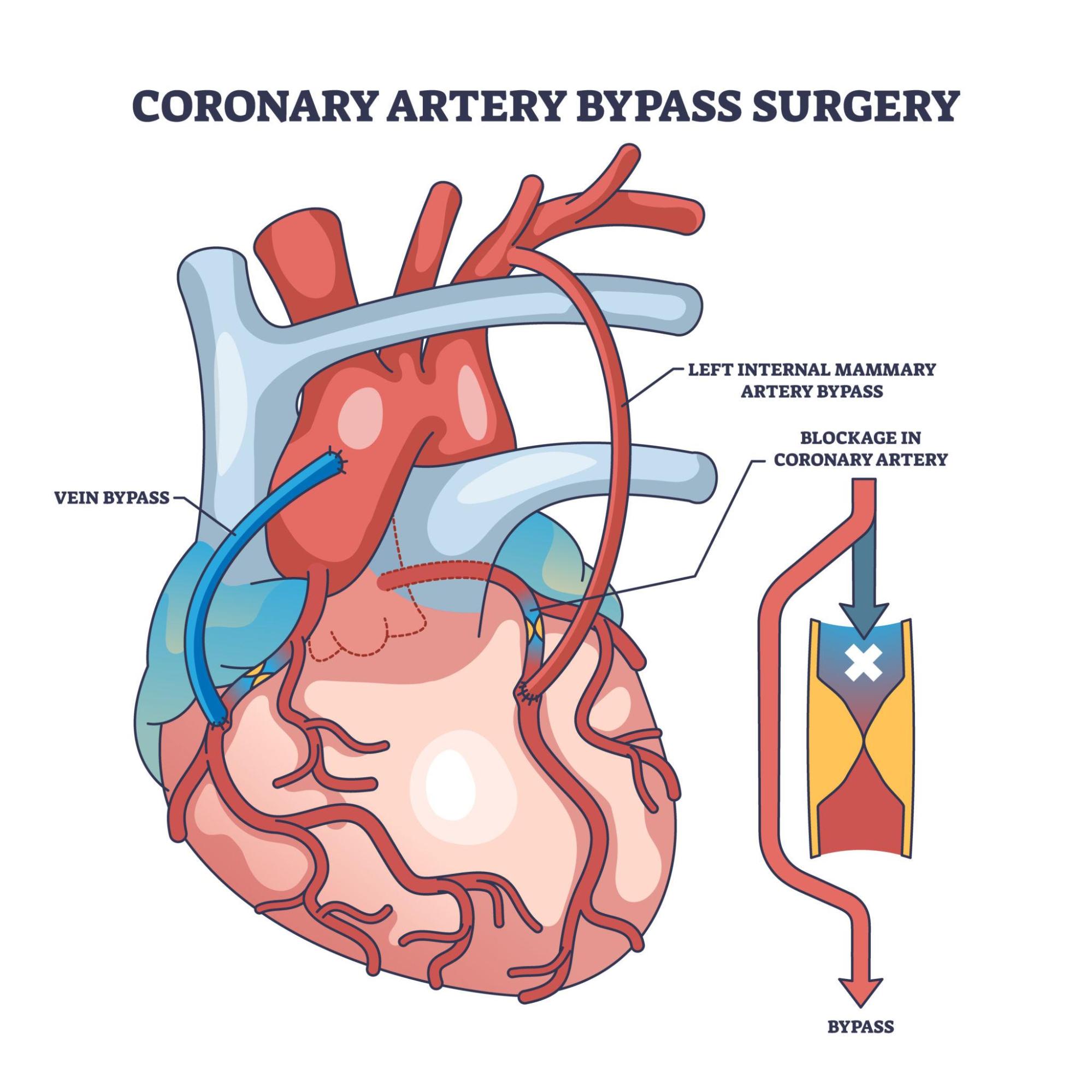
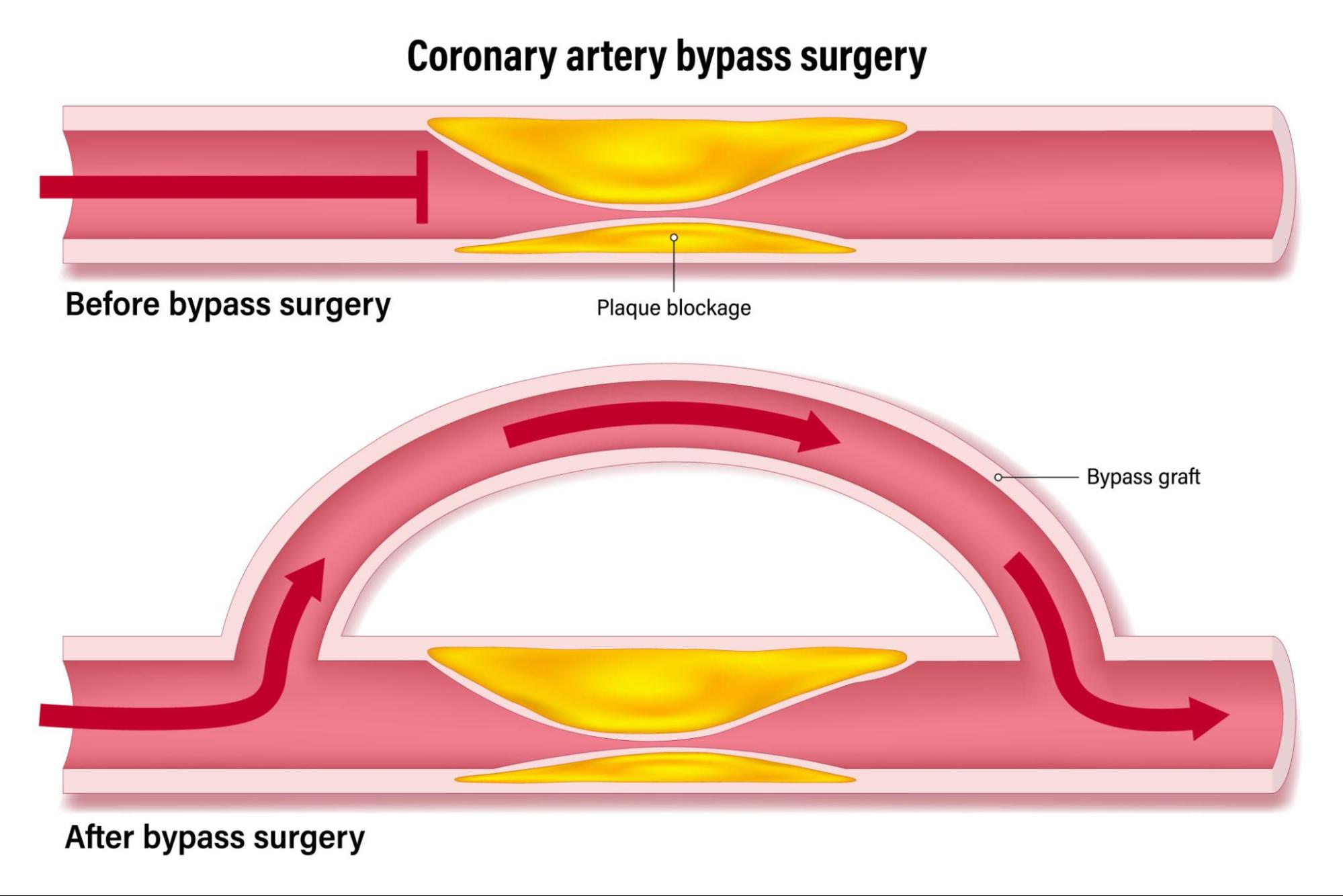
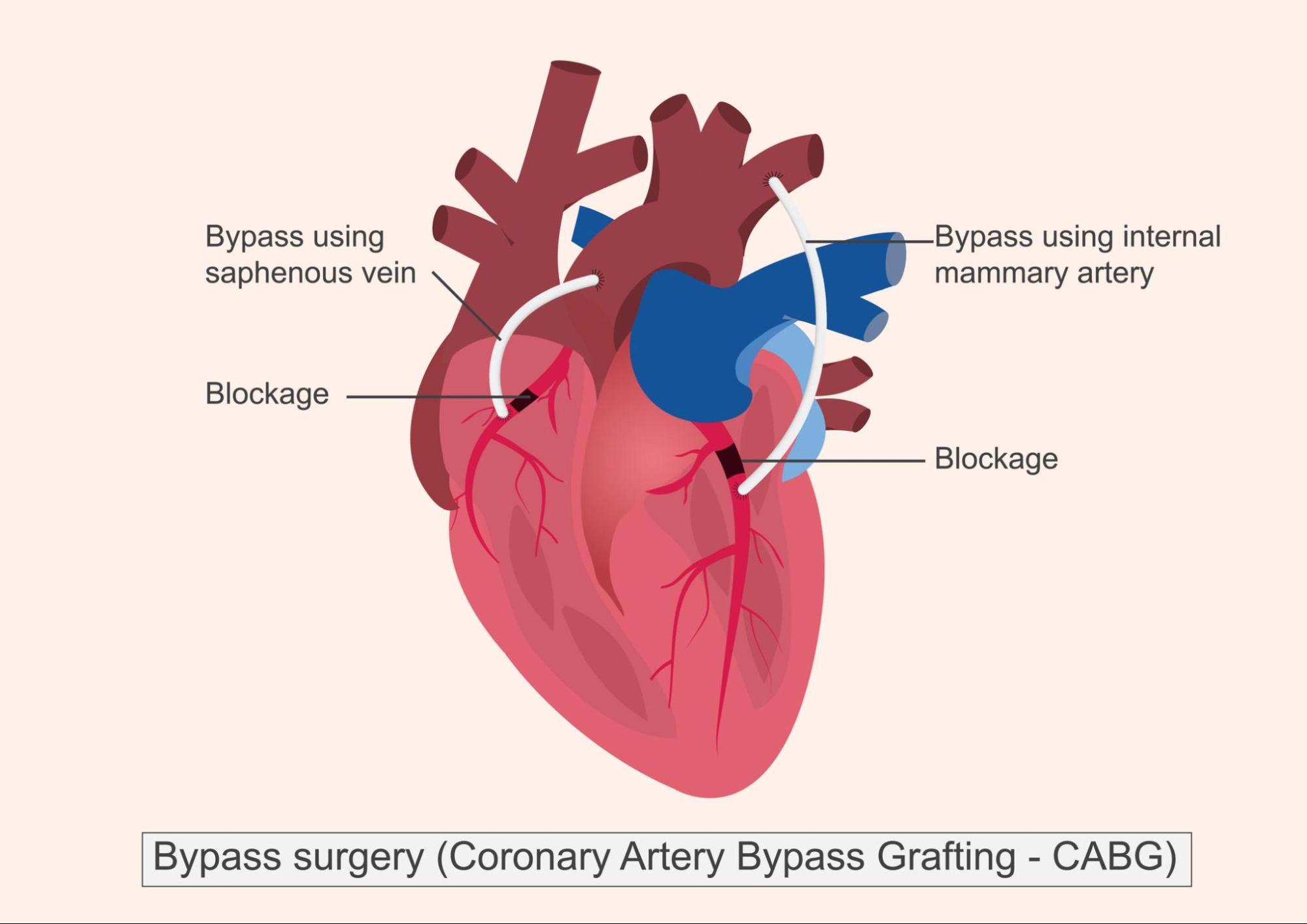
During the procedure, a healthy blood vessel is taken from another part of the body and used to create a new pathway for blood flow. This bypasses the blocked section of the coronary artery and restores blood supply to the heart muscle.
By redirecting blood flow, bypass surgery helps the heart receive enough oxygen and nutrients despite the blockage.
Bypass Surgery Procedure
Anesthesia
General anesthesia is administered so the patient remains unconscious and pain-free. A breathing tube is also inserted into the windpipe to assist breathing.
Incision
A surgical incision is made in the chest to access the heart, similar to other open-heart procedures.
Cardiopulmonary Bypass
In many cases, the heart is temporarily stopped and a heart-lung machine maintains blood circulation. Some procedures may be performed using off-pump (beating heart) surgery.
Grafting
A healthy artery or vein is removed from another part of the body and attached above and below the blocked coronary artery to create a new blood pathway.
Closing the Incision
Once the graft is in place, the heart is restarted if it was stopped, and the chest incision is closed.
Types of Bypass Surgeries
Several types of bypass procedures may be used depending on the patient’s condition:
- Off-Pump Bypass Surgery – performed without stopping the heart
- Keyhole Bypass Surgery – performed through several small chest incisions
- Robotic Bypass Surgery – performed using highly precise robotic technology
- Hybrid Coronary Revascularization – combines stenting with bypass surgery
Risks of Bypass Surgery
Although bypass surgery is common and generally safe, potential risks include:
- Bleeding during or after surgery
- Blood clots that may cause stroke or lung complications
- Heart attack during or after surgery
- Infection at the incision site
- Pneumonia
- Breathing problems
- Pancreatitis
- Kidney failure
- Irregular heart rhythms (arrhythmias)
What Is Open Heart Surgery?
Open-heart surgery is a broad term for surgical procedures where the chest is opened to operate directly on the heart.
To access the heart, surgeons separate the breastbone (sternum) and temporarily expose the heart and surrounding blood vessels. This allows surgeons to repair structural problems inside the heart.
During many open-heart procedures, the heart is temporarily stopped and a heart-lung machine circulates blood and oxygen throughout the body.
Open Heart Surgery Procedure
Open-heart surgery is complex and typically lasts four to five hours, depending on the procedure being performed.
Anesthesia
General anesthesia ensures the patient is unconscious and free from pain.
Incision
A surgical incision is made in the chest, and the breastbone is separated to allow access to the heart.
Cardiopulmonary Bypass
The heart may be temporarily stopped while a heart-lung machine maintains blood circulation and oxygen supply.
Surgical Repair
The surgeon performs the necessary repair, which may include bypass grafting, valve repair or replacement, or correction of heart defects.
Closing the Incision
Once the repair is completed, the heart is restarted, the heart-lung machine is disconnected, and the chest incision is closed with stitches or staples.
Types of Open Heart Surgery
Open-heart surgery includes several different procedures:
Aneurysm Repair
A weakened section of the artery or heart wall is repaired using a patch or graft to prevent rupture.
Heart Transplant
In severe heart failure, the diseased heart is replaced with a healthy donor heart.
Heart Valve Repair or Replacement
Damaged valves may be repaired or replaced with mechanical or biological valves to restore proper blood flow.
Pacemaker or Defibrillator Implantation
If the heart rhythm becomes irregular, doctors may implant a small device under the skin that sends electrical impulses to regulate the heartbeat.
Risks of Open Heart Surgery
Open-heart surgery carries risks because it is a complex procedure. Complications may be more likely in patients who smoke, have obesity, diabetes, or lung disease.
Possible risks include:
- Allergic reactions to anesthesia
- Abnormal heart rhythm (arrhythmia)
- Bleeding or blood clots
- Organ damage
- Stroke
- Infection
Difference Between Bypass Surgery and Open Heart Surgery
| Feature | Open Heart Surgery | Bypass Surgery |
|---|---|---|
| Definition | A general term for surgeries where the chest is opened to treat heart conditions | A specific type of open-heart surgery that improves blood flow to the heart |
| Purpose | Treat valve problems, heart defects, or structural heart damage | Treat blocked coronary arteries |
| Procedures Included | Valve repair or replacement, heart transplant, defect repair | Coronary artery bypass grafting (CABG) |
| Heart-Lung Machine | Usually required | May or may not be required |
| Focus | Structural heart repairs | Restoring blood flow to heart muscle |
| Recovery | Depends on the procedure | Similar but focused on maintaining graft health |
Recovery Process
Bypass Surgery
Bypass surgery improves blood circulation to the heart, often relieving chest pain and other symptoms quickly.
Typical recovery includes:
- 6 to 12 weeks of gradual recovery
- Light physical activity and walking
- Lifestyle changes such as quitting smoking and improving diet
- Cardiac rehabilitation programs
Healthy habits play an important role in keeping the bypass grafts functioning properly.
Open Heart Surgery
Recovery after open-heart surgery depends on the type of procedure performed.
Patients may need:
- Cardiac rehabilitation programs
- Physical therapy and gradual exercise
- Dietary adjustments
- Stress management and heart-healthy lifestyle changes
Recovery may take longer than bypass surgery depending on the complexity of the operation.
Cost Difference Between Bypass and Open Heart Surgery
The cost of heart surgery varies widely depending on the country, hospital, and type of procedure.
Bypass Surgery Cost
Estimated cost in the United States:
- $70,000 – $200,000
Estimated cost in countries such as India, Turkey, or Mexico:
- $7,000 – $25,000
Many patients choose medical travel due to lower costs and shorter waiting times.
Open Heart Surgery Cost
Estimated cost in the United States:
- $100,000 – $300,000+
Estimated cost in countries such as Mexico, India, Turkey, and Iran:
- $4,000 – $30,000
Costs vary depending on the complexity of the procedure, hospital facilities, and surgeon expertise.
Conclusion
Both bypass surgery and open-heart surgery may seem frightening, but they are life-saving procedures with high success rates.
For patients with severe heart disease, bypass surgery can restore blood flow to the heart and significantly improve quality of life. Advances in surgical techniques, anesthesia, and cardiac rehabilitation allow most patients to return to normal activities after recovery.
Adopting a heart-healthy lifestyle after surgery—such as maintaining a balanced diet, exercising regularly, and avoiding smoking—plays a crucial role in long-term heart health.
If you or a loved one has been advised to undergo bypass or open-heart surgery, it represents an important step toward protecting heart health and improving overall well-being.
Frequently Asked Questions
Is bypass surgery a major surgery?
Yes. Bypass surgery is a major operation but is one of the most commonly performed heart surgeries worldwide.
How long does bypass surgery take?
The surgery usually takes 3 to 6 hours, depending on the number of bypass grafts needed.
How long does the chest bone take to heal?
The breastbone typically heals within 6–8 weeks.
Can bypass surgery fail?
Although uncommon, bypass grafts can narrow over time. A healthy lifestyle helps prevent this.
Will I need medications after surgery?
Yes. Most patients require long-term medications to control blood pressure, cholesterol, and blood clotting.
Can I live a normal life after bypass surgery?
Yes. Many patients return to work, exercise, and travel after full recovery.
Is bypass surgery better than stenting?
For patients with multiple blocked arteries, bypass surgery often provides better long-term results.
When can I drive after open-heart surgery?
Most patients can safely drive again after 6–8 weeks, once the chest bone has healed.
References
Eternal Hospital. Difference between bypass surgery and open-heart surgery.
https://www.eternalhospital.com/title/difference-between-bypass-surgery-and-open-heart-surgeryGHC Hospitals. What is the difference between bypass surgery and open heart surgery.
https://www.ghchospitals.com/what-is-the-difference-between-bypass-surgery-and-open-heart-surgeryDPU Hospital. Difference between open heart surgery and bypass surgery.
https://dpuhospital.com/blog/difference-between-open-heart-surgery-and-bypass-surgery