




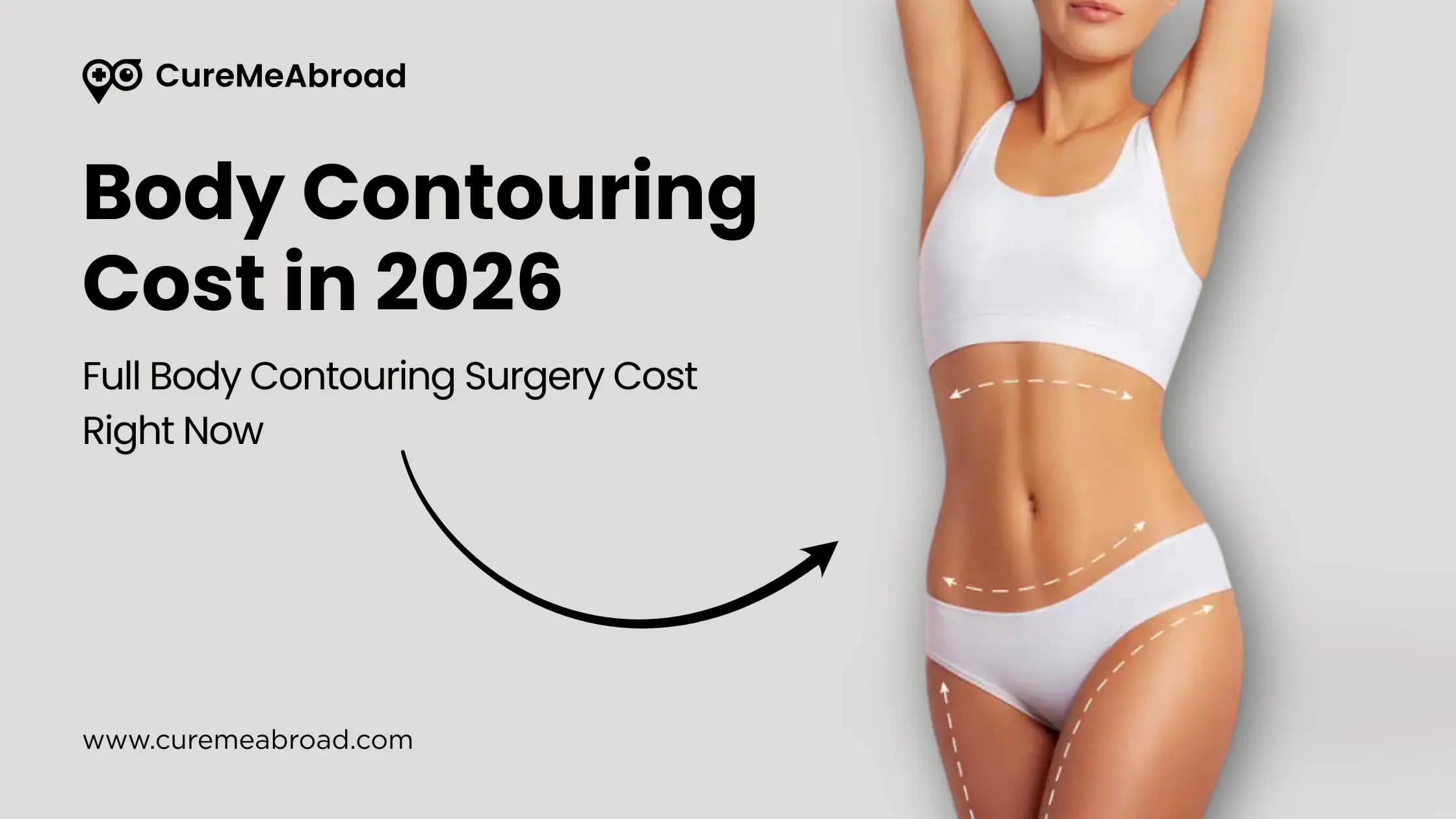
The human body tells a story one of growth, discipline, change, and resilience. Whether through intense fitness routines, pregnancy, or major weight loss, every transformation deserves to be celebrated. But sometimes, the mirror doesn’t fully reflect the hard work that’s been put in. Stubborn fat pockets may linger despite endless gym sessions, or loose, sagging skin may remain as a reminder of the weight that’s been shed.
That’s where body contouring comes in, not as a shortcut, but as a refinement. It’s the finishing touch that allows your outer appearance to align with your inner sense of progress and pride.
In today’s world, this field of aesthetic and reconstructive medicine has evolved dramatically. From advanced, non-invasive fat reduction technologies to comprehensive post-weight-loss body contouring procedures, patients now have access to safer, more effective, and more customized treatments than ever before. What’s even more encouraging is that you don’t have to spend a fortune to access world-class expertise. With the global rise in medical tourism, patients are traveling abroad to destinations such as Turkey, India, Thailand, and Mexico to receive high-quality care at a fraction of the cost of Western prices.
Still, before booking your flight or setting your sights on that dream silhouette, it’s natural to pause and ask:
“Is body contouring really worth it?”
The answer isn’t one-size-fits-all. The “worth” of body contouring extends beyond its price tag; it lies in how it impacts your physical comfort, confidence, and overall quality of life. For some, it’s a functional decision eliminating excess skin that causes rashes or pain. For others, it’s emotional finally seeing in the mirror what they’ve worked so hard to achieve.
This guide breaks it all down for you. We’ll explore the science, the savings, the procedures, and the personal stories that help patients determine if this journey is right for them. You’ll also find insights from global experts, cost comparisons across countries, and medically reviewed data on safety and outcomes.
1. What Is Body Contouring, and What Results Should I Expect?
Body contouring, also called body sculpting, refers to a series of surgical and non-surgical procedures aimed at reshaping, tightening, or redefining specific body areas. The focus is not on losing weight, but on refining the shape after weight loss or improving body proportion.
Who Is It For?
Body contouring is ideal for individuals who:
- Have achieved a stable weight but struggle with localized fat deposits.
- Experience loose, sagging skin after massive weight loss or pregnancy.
- Seek better definition and proportion in certain areas, such as the abdomen, thighs, arms, or back.
What it’s Not
It’s critical to understand that body contouring is not a weight-loss substitute. It enhances existing results rather than creating them from scratch.
| What should you expect | Don’t expect |
|---|---|
| Smoother, more defined silhouette | Dramatic weight loss |
| Better clothing fit | Immediate results (especially non-surgical) |
| Improved comfort and self-esteem | A substitute for diet and exercise |
| Relief from skin chafing or rashes | Completely scar-free healing |
Expected Outcomes
Most patients report visible improvements in body shape and comfort, with full results appearing in 3–6 months, depending on the type of procedure. For those who have undergone significant weight loss, body contouring can also restore mobility, improve posture, and significantly enhance quality of life.
Scientific Reference:
Sarwer, D. B., & Laing, J. H. (2018). Body image and quality of life in patients seeking body contouring surgery. >Aesthetic Surgery Journal, 38(S1), S56–S64.
https://pmc.ncbi.nlm.nih.gov/articles/PMC4833608/{: rel="nofollow"}
This review found that body contouring significantly improves patients’ psychological well-being, body image, and overall quality of life, especially after massive weight loss.
2. Which Body Contouring Methods Do Patients Choose Most Often?
Body contouring procedures fall broadly into two categories: surgical (for dramatic reshaping and excess skin removal) and non-surgical (for fat reduction and tightening with minimal downtime).
Surgical vs. Non-Surgical Options
| Procedure type | Popular methods | What it does best | Recovery time |
|---|---|---|---|
| Surgical | Liposuction – removes localized fat | Ideal for sculpting and spot reduction | 1-3 weeks |
| Tummy Tuck (Abdominoplasty) – Removes loose skin, tightens muscles | Best for post-pregnancy or post-weight-loss patients | 3–6 weeks | |
| Body Lift / Arm or Thigh Lift – Removes extensive excess skin | Corrects large skin folds after major weight loss. | 4–8 weeks | |
| Non-surgical | Cryolipolysis (CoolSculpting) – Freezes and destroys fat cells. | Targets small, stubborn fat areas | None–1 day |
| Radiofrequency or Ultrasound (Thermage, Ultherapy) – Tightens skin and mildly reduces fat | Good for mild laxity | None–1 day | |
| High-Intensity Electromagnetic Muscle Stimulation (Emsculpt) – Builds muscle tone. | Strengthens and defines muscles (abs, buttocks). | None |
Each option differs in its mechanism and longevity. Surgical results are generally permanent if lifestyle is maintained, while non-surgical results may require maintenance sessions every 6–12 months.
Reference:
American Society of Plastic Surgeons (ASPS). (2024). Body Contouring Procedures Overview.
(https://www.plasticsurgery.org/cosmetic-procedures/body-contouring)
The ASPS notes that surgical contouring delivers more dramatic results, while non-surgical technologies offer moderate improvement with less downtime.
3. The Undeniable Benefits of Body Sculpting
The worth of body contouring extends far beyond aesthetics; it reaches into both physical functionality and emotional well-being. While the visual transformation is often the most obvious, patients consistently describe deeper, life-changing benefits that affect their health, mindset, and confidence.
Whether you’ve lost significant weight or are simply refining stubborn areas, body sculpting can dramatically improve how you move, feel, and live.
Enhanced Physical Function
After major weight loss, loose and redundant skin can cause significant physical challenges, from painful friction and chafing to hygiene difficulties and restricted movement. For many, excess skin becomes more than a cosmetic concern; it’s a functional impairment.
By surgically removing this tissue through procedures like body lifts or tummy tucks, patients regain ease of movement and physical comfort. Once difficult tasks, such as bending, running, or fitting into active wear, become effortless again.
Moreover, removing the skin folds can significantly reduce recurrent infections, rashes, and odor-related issues caused by trapped moisture. Post-surgical studies show measurable improvements in posture, gait, and even back pain after the abdominal wall is tightened.
Boosted Mental Health and Self-Image
The emotional benefits of body contouring are just as significant, if not more. Patients frequently describe feeling as if they’ve “completed their transformation,” regaining a sense of control and confidence they lost during years of body dissatisfaction.
According to a 2021 systematic review published in Aesthetic Plastic Surgery, body contouring surgery leads to a statistically significant improvement in psychological well-being, self-esteem, and overall life satisfaction. These effects are particularly strong in patients who’ve undergone massive weight loss and struggled with body image despite achieving a healthy weight.
Many patients also report reduced symptoms of depression and anxiety post-surgery, likely due to the alignment between how they feel internally and what they see in the mirror. It’s not vanity, it’s restoration of confidence and identity.
Motivation to Maintain Results
There’s a fascinating psychological phenomenon observed in body contouring patients: once they see visible, lasting results, they become more motivated to maintain them.
This motivation translates into better adherence to exercise routines, improved nutrition habits, and sustained weight stability. In a 2020 follow-up study in Obesity Surgery, patients who underwent body contouring after bariatric surgery were significantly more likely to maintain weight loss long-term compared to those who did not pursue contouring. Essentially, contouring creates a positive reinforcement loop that patients feel proud of their progress, which in turn drives healthier behavior and consistent lifestyle choices.
Improved Clothing Fit and Quality of Life
Something as simple as clothing fit can profoundly affect daily happiness. Many patients express that before contouring, even after losing weight, they still felt “trapped in an old body” because clothes didn’t sit right.
After body sculpting, the difference is immediate: garments drape naturally, proportions are balanced, and patients can finally enjoy shopping and dressing with confidence.
This freedom often extends beyond appearance; it transforms social and professional lives. Feeling comfortable in one’s skin literally enhances body confidence, intimacy, and public engagement.
In a 2018 study from the Aesthetic Surgery Journal, over 85% of patients reported improved satisfaction with clothing fit and comfort after contouring procedures, contributing to a higher overall quality of life.
Beyond the Mirror
Ultimately, body sculpting is not about achieving perfection; it’s about achieving harmony between effort and outcome. For many, it’s the final step in a transformative journey toward health and self-acceptance. The worth of body contouring, therefore, is not only visible in the contour of one’s body but also in the confidence in their smile, the ease in their movements, and the renewed joy of living in a body that finally feels like their own.
4. How Much Does Body Contouring Cost?
Cost plays a major role in the decision-making process, and for many, traveling abroad can make the dream procedure financially feasible without compromising on safety or quality.
Comparative Cost Snapshot (Average 2025 Estimates)
| Procedure | USA/UK (USD) | Turkey / Mexico / India (USD) | Savings Potential |
|---|---|---|---|
| Liposuction | $6,000–$9,000 | $2,500–$5,000 | 40–70% |
| Tummy Tuck | $8,000–$12,000 | $3,500–$5,500 | 50–65% |
| Body Lift | $15,000–$30,000 | $5,000–$10,000 | 60–75% |
| Non-surgical (cryolipolysis) | $1,200–$2,000 per session | $300–$700 per session | 60–75% |
(Data compiled from ASPS 2024 cost reports, Medical Tourism Association, and Healthline estimates.)
The Medical Tourism Advantage
Countries like India, Turkey, Thailand, Mexico, and South Korea have become global leaders in body contouring. They combine board-certified plastic surgeons, accredited hospitals, and affordable packages that include everything from consultation to post-operative care.
This cost difference is primarily due to lower operational and labor costs, not reduced quality. Many of these centers are JCI-accredited and cater exclusively to international patients.
5. How to Save Maximum Money Safely
Cosmetic and reconstructive surgeries, such as body contouring, can be life-changing, but they also come with a significant price tag. Fortunately, with smart planning and the right medical partners, you can reduce your expenses without compromising on safety or surgical quality.
Here’s how to make the most of your medical budget while ensuring a safe, smooth, and satisfying body sculpting journey abroad.
Choose Accredited Hospitals and Surgeons
Your priority should always be accreditation and credentials. Hospitals accredited by Joint Commission International (JCI), NABH, or ISO meet the highest international standards for hygiene, patient safety, and medical ethics.
Accredited facilities maintain sterile operation theatres, employ board-certified plastic surgeons, and follow international anesthesia safety protocols, significantly reducing post-operative risks.
Before booking, ask for:
- The surgeon’s certification from recognized boards (e.g., ISAPS, ASPS, IMA)
- Hospital license and accreditation proof
- Verified patient testimonials and pre/post-op photos
Choosing accredited centers may cost slightly more upfront, but it ensures peace of mind, safer results, and fewer hidden complications, ultimately saving you money in the long run.
Bundle Procedures for Greater Value
If you are planning to address multiple areas, for example, combining a tummy tuck with liposuction, or an arm lift with breast reshaping, consider bundling them into one operative session.
Combined procedures often help reduce:
- Anesthesia charges (since it’s administered once)
- Hospital stay duration
- Operating room fees and preoperative testing costs
On average, patients can save 15–25% by combining complementary procedures under the same surgeon and hospital.
However, this approach should be taken only after medical clearance, as safety depends on your BMI, health status, and recovery potential. The surgeon must ensure that the combined operating time doesn’t exceed safe limits.
Patients often combine procedures for more balanced results, for example, pairing thigh or abdominal contouring with lower-leg enhancement. Understanding calf implant cost can help you plan a more comprehensive approach.
Look for All-Inclusive Medical Tourism Packages
Medical tourism facilitators and accredited hospitals in destinations like Turkey, Thailand, India, and Mexico now offer comprehensive, all-inclusive packages designed for international patients.
These packages typically cover:
- Preoperative lab tests and anesthesia fees
- Surgery, hospital stay, and nursing care
- Compression garments and post-op medications
- Airport transfers, accommodation, and translators
- Follow-up visits before discharge
Opting for such a package not only provides transparency in pricing but also simplifies logistics, saving you time, stress, and the risk of unexpected costs.
Tip: Always request a written cost breakdown before booking to ensure every aspect, from consultations to medication, is clearly listed and pre-approved.
Avoid Bargain Hunting or Unverified Clinics
In medical tourism, cheapest isn’t safest. Deeply discounted offers or “flash sale surgeries” online can come with severe compromises unlicensed facilities, reused surgical materials, or poorly trained staff.
A lower price may seem tempting, but revision surgeries or medical complications can multiply your overall expenses and endanger your health.
Always prioritize:
- A surgeon’s board certification and years of experience
- A clean, well-equipped hospital with emergency facilities
- Verified reviews from real patients (via Trustpilot, Google, or JCI listings)
Remember: paying 10–15% more for a certified expert could save you thousands in the long term and prevent emotional or physical distress.
Plan for Safe Recovery Abroad
Many patients underestimate post-operative care when budgeting. Staying at least 7–10 days after surgery in the destination country allows time for:
- Initial healing and suture checks
- Monitoring for complications (bleeding, seroma, infection)
- Safe dressing changes before your flight home
Flying too soon after body contouring can increase the risk of swelling, clot formation, or wound disruption.
To save money and heal comfortably, many clinics partner with recovery hotels or medical guesthouses offering:
- Daily nurse visits
- Healthy meals tailored for recovery
- Transportation to follow-up appointments
While these stays may add a small expense, they prevent expensive emergencies during travel and ensure a smoother, safer recovery.
Consider Travel Insurance with Medical Coverage
A lesser-known but powerful saving strategy is purchasing medical travel insurance. This optional coverage protects you from unexpected complications, flight delays, or the need for emergency hospitalization.
Choose a plan that includes:
- Surgical complication coverage (up to a set limit)
- Trip cancellation and delay protection
- Emergency evacuation or repatriation
Providers like SafetyWing, IMG, or World Nomads offer tailored plans for patients seeking treatment abroad. Spending a small premium upfront can safeguard you from thousands in unforeseen costs.
Schedule During Off-Peak Seasons
Lastly, timing matters. Medical tourism costs often fluctuate seasonally. Traveling during off-peak months (e.g., May–August or November–February) can result in lower airfare and accommodation rates, while clinics may offer promotional discounts without compromising quality. Booking early and being flexible with your travel dates can reduce your total expense by 10–20%.
Takeaway
Saving money safely in medical tourism is all about strategy, not shortcuts. Choose accredited hospitals, certified surgeons, transparent package deals, and adequate recovery time. With the right planning, you can enjoy world-class body sculpting results at a fraction of Western prices without sacrificing safety or quality.
6. What Questions Should I Ask a Plastic Surgeon?
Your consultation, virtual or in-person, is the cornerstone of safety and satisfaction. Asking the right questions ensures your expectations align with reality.
Essential Questions to Ask
- Are you board-certified in plastic surgery?
Certification by bodies such as the American Board of Plastic Surgery (ABPS) or the International Society of Aesthetic Plastic Surgery (ISAPS) ensures rigorous training. - How many of these procedures have you performed?
Experience matters. Ask for the surgeon’s specific annual case volume. - Is the facility internationally accredited?
This guarantees sterile environments, emergency preparedness, and global patient care standards. - What is your plan for post-operative follow-up?
For international patients, virtual check-ins and coordination with a local physician are crucial. - What complications are most common in your hands?
A confident surgeon will discuss risks like seroma, infection, or delayed healing transparently. - Can I see before-and-after galleries and patient reviews?
Authentic, diverse examples help you set realistic expectations.
7. Where to Begin? Your First Step
If you’re seriously considering body contouring, your journey begins not in the operating room, but in research and consultation.
Step 1: Virtual Consultation
Schedule a virtual meeting with a reputable, board-certified surgeon or a trusted medical tourism facilitator. During this session, you’ll learn:
- Which procedure (or combination) fits your anatomy and goals
- Expected outcomes and recovery time.
- An accurate, all-inclusive cost estimate.
Step 2: Prepare Thoroughly
- Achieve a stable weight before surgery.
- Quit smoking at least 4 weeks pre-op.
- Arrange a recovery plan and support system for your return.
Step 3: Align Expectations
Understand that even the best contouring enhances your natural frame; it does not create an entirely new body. The procedure’s worth lies in how it helps you feel comfortable, confident, and aligned with your efforts.
Final Thoughts: So, Is Body Contouring Worth It?
The answer supported by medical research and thousands of patient stories is a resounding yes, when done safely and for the right reasons.
Body contouring doesn’t replace hard work; it completes it. Whether through surgical or non-surgical methods, at home or abroad, it can be the final step in achieving a body that reflects your dedication, strength, and transformation.
Traveling abroad adds a financial advantage and, often, access to world-class expertise, but only when you prioritize credentials over cost.
If your goal is not perfection but peace with your body, your journey, and your reflection, then body contouring is absolutely worth it.