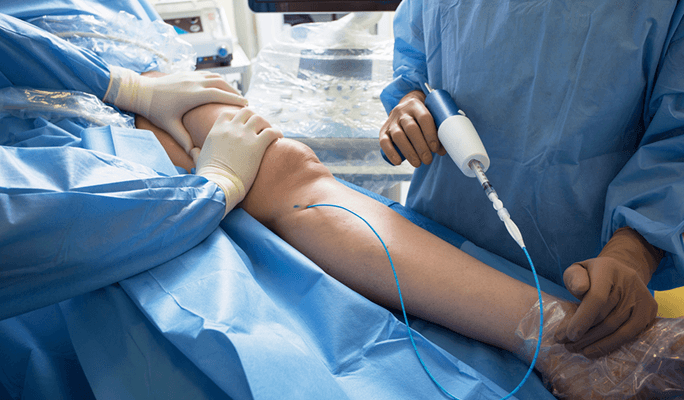
Varicose Vein Treatment
Varicose veins come up regularly in vascular outpatient clinics and are more frequently seen in adults past 50, though younger patients present with the condition as well. Years ago, removing the vein through cuts in the skin under general anesthetic was the standard response. That approach is now used sparingly. The majority of patients today are treated through a single access point, with the vein sealed from the inside using heat or a chemical agent, and they walk out of the clinic on the same day. The technique a specialist selects depends on the width and depth of the vein involved and the pattern of valve failure visible on an ultrasound scan. CureMeAbroad gives patients the means to search accredited hospitals and vascular specialists in several countries, compare varicose vein treatment abroad options, review varicose veins surgery cost across facilities, and check credentials before settling on a provider.
Overview
Varicose veins come up regularly in vascular outpatient clinics and are more frequently seen in adults past 50, though younger patients present with the condition as well. Years ago, removing the vein through cuts in the skin under general anesthetic was the standard response. That approach is now used sparingly. The majority of patients today are treated through a single access point, with the vein sealed from the inside using heat or a chemical agent, and they walk out of the clinic on the same day. The technique a specialist selects depends on the width and depth of the vein involved and the pattern of valve failure visible on an ultrasound scan. CureMeAbroad gives patients the means to search accredited hospitals and vascular specialists in several countries, compare varicose vein treatment abroad options, review varicose veins surgery cost across facilities, and check credentials before settling on a provider.
Procedure Time
Most treatment sessions are done within 1-2 hours. Seeing to several veins at once, or going the surgical route, takes more time.
Recovery Period
The majority of patients are back to light activity within 2-3 days. Bruising and swelling at the treatment site clear up within 1-2 weeks.
Expected Results
The aching and heavy feeling in the leg that patients tend to carry before treatment are generally among the first things to get better, at times within a few days of the procedure. The treated vein loses its visible appearance over 4-8 weeks as surrounding tissue absorbs it.
Ideal Candidates
Adults attending a clinic with persistent leg discomfort, ankle swelling, or skin changes caused by venous disease are generally assessed for treatment. A clinical examination alongside a duplex ultrasound establishes whether a procedure is appropriate and which technique suits the patient's anatomy.
Affordable Care | Transparent Costs | Expert Guidance
Get best price with CureMeAbroad
Things to Check for Varicose Vein Treatment Abroad
- Write out a list of all drugs, supplements, and vitamins currently in use, along with doses, and give it to the treating doctor before the procedure. Some of these preparations interfere with clotting and need to be stopped for a set period before treatment takes place.
- Give the clinical team a thorough account of past health conditions, with attention to any prior leg clots, previous vein procedures, or known circulatory problems. That history will have a direct bearing on which technique the specialist recommends.
- Let the treating physician know whether close relatives have had varicose veins or clotting conditions. An inherited pattern in venous valve failure can affect how the condition progresses and what the risks of treatment look like for that individual.
- Write out questions about the procedure and the recovery period and go through each one with the specialist before the treatment date. Patients who have a realistic sense of what recovery involves tend to handle it with less uncertainty.
- Attend every pre-procedure test the clinic requests, whether blood work or imaging. These confirm the patient is fit for treatment and surface anything that might affect how the procedure goes or how recovery unfolds.
Risks And Complications of Varicose Vein Treatment Abroad
- A skin infection appearing at or near the site of treatment is seen in a small number of patients and is addressed with a course of antibiotics.
- An adverse response to the anesthetic, whether local or general, isn’t common but is a documented risk with any procedure that involves an anesthetic agent.
- A blood clot forming in a deeper leg vein following treatment is rare but is serious. Any sign of it requires prompt medical review.
- Tingling or numbness along the treated leg is noted by a number of patients in the weeks after the procedure. Tiny nerve fibers that run close to the superficial veins can be briefly unsettled during treatment. The sensation clears up on its own in most patients.
- Some patients develop darker pigmentation or raised scar tissue at the treatment site. Those with a known tendency to form keloid scars face a greater chance of this result.
Do’s
- ✓Verify surgeon credentials (e.g. ISAPS, JPRAS)
- ✓Ask for before-after photos
- ✓Check language barriers
- ✓Review aftercare and follow-up options
- ✓Consider local laws on medical malpractice
Don'ts
- ✗Don't Choose a Clinic Based Only on Price
- ✗Don't Rely Solely on Social Media or Influencers
- ✗Don't Ignore Language Barriers
- ✗Don't Rush Into Surgery Without Research
- ✗Don't Assume You Can Fly Back Immediately
Under Vascular Surgery
Loading...
CureMeAbroadIs Absolutely Free
Just discovery so you can choose what's right for you!

World's No. 1 Medical Discovery Platform
Varicose Vein Treatment
This procedure involves specific medical techniques tailored to address particular health conditions. Your doctor will explain the detailed process based on your case.
Varicose Vein Treatment
Eligibility depends on your medical history, current condition, and treatment goals. A consultation and evaluation will determine if you are a suitable candidate.
Varicose Vein Treatment
Preparation may include lab tests, imaging, medication adjustments, fasting, or lifestyle recommendations. Your healthcare provider will give you personalized instructions.
What does this procedure involve?
Varicose Vein Treatment
This procedure involves specific medical techniques tailored to address particular health conditions. Your doctor will explain the detailed process based on your case.