PRP - Platelet Rich Plasma Cell Therapy
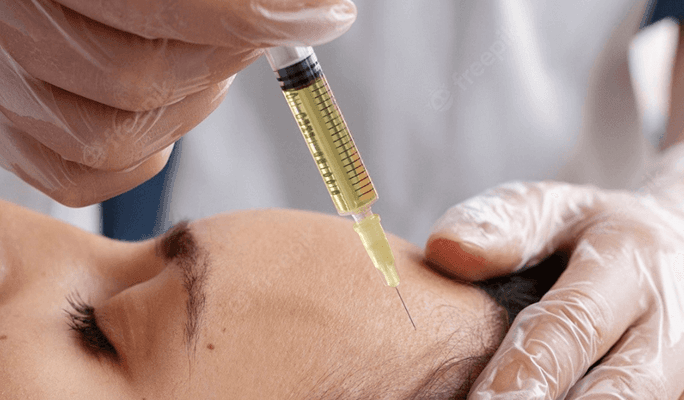
The process opens with a routine blood draw from the patient. That sample is loaded into a centrifuge and spun until the platelet-rich layer peels away from the rest. The concentrated portion is drawn off and guided by injection into the area being treated. Once in place, the growth factors it carries begin interacting with the tissue around them, setting off the cellular repair process. The same clinical steps apply whether a patient receives PRP therapy abroad or at a facility in their home country. Orthopedics, sports medicine, and dermatology each carry a body of documented clinical use of PRP, and active interest in the treatment continues across other specialties. For patients weighing up PRP – platelet rich plasma cell therapy abroad, CureMeAbroad allows them to check facility accreditation, look at procedure costs, and review clinical credentials across a range of destinations before they decide.
Overview
The process opens with a routine blood draw from the patient. That sample is loaded into a centrifuge and spun until the platelet-rich layer peels away from the rest. The concentrated portion is drawn off and guided by injection into the area being treated. Once in place, the growth factors it carries begin interacting with the tissue around them, setting off the cellular repair process. The same clinical steps apply whether a patient receives PRP therapy abroad or at a facility in their home country. Orthopedics, sports medicine, and dermatology each carry a body of documented clinical use of PRP, and active interest in the treatment continues across other specialties. For patients weighing up PRP – platelet rich plasma cell therapy abroad, CureMeAbroad allows them to check facility accreditation, look at procedure costs, and review clinical credentials across a range of destinations before they decide.
Procedure Time
The blood draw, the centrifuge run, and the injection are all wrapped up in a single appointment, which takes somewhere between 60 and 90 minutes.
Recovery Period
PRP therapy asks little of most patients in terms of recovery. The majority are back to their regular routine before the day is out
Expected Results
Pain tends to ease and inflammation settles after treatment, with the condition of the treated tissue continuing to improve in the weeks that follow.
Ideal Candidates
Patients living with chronic pain, stubborn joint inflammation, hair loss, or particular skin conditions are among those most frequently considered. Those pursuing PRP – platelet rich plasma cell therapy abroad should confirm their condition falls within the clinic's documented experience before booking.
Affordable Care | Transparent Costs | Expert Guidance
Get best price with CureMeAbroad
Things to Check for PRP - Platelet Rich Plasma Cell Therapy Abroad
- Look into whether the facility has earned a recognised international accreditation, JCI being one example, or holds a comparable certification from the body that regulates healthcare in the country being considered.
- The physician delivering the injections needs to carry active board certification and should be in a position to put documented evidence of prior PRP procedures in front of a prospective patient.
- Ask the clinic directly whether the centrifuge equipment it uses in the blood processing stage is FDA-approved or CE-marked for medical application.
- A written treatment plan should be requested from the provider before anything is agreed. It should set out the number of sessions being proposed, the platelet concentration being targeted, and the clinical thinking behind that approach.
- Written confirmation from the clinic is needed that a fully closed and sterile environment is maintained without interruption from the moment blood is drawn through to the point the injection is delivered.
Risks And Complications of PRP - Platelet Rich Plasma Cell Therapy Abroad
- Redness, swelling, and tenderness sitting around the injection site in the days after treatment are among the more common reports from patients and generally clear without any intervention.
- Sterile technique that slips at any point in the PRP therapy pushes the infection risk at the treated site higher.
- Bruising and light bleeding around the injection area turn up in some patients, more so among those who were on anticoagulant or blood-thinning medication when the procedure was carried out.
- What a patient gets from PRP in terms of improvement isn’t predictable across the board. It hinges on what condition is being treated and on where the patient's health sits more broadly.
- Nerve irritation or minor tissue damage at the injection site doesn’t happen often but has been documented, with imprecise needle placement the most common contributing factor.
Do’s
- ✓Verify surgeon credentials (e.g. ISAPS, JPRAS)
- ✓Ask for before-after photos
- ✓Check language barriers
- ✓Review aftercare and follow-up options
- ✓Consider local laws on medical malpractice
Don'ts
- ✗Don't Choose a Clinic Based Only on Price
- ✗Don't Rely Solely on Social Media or Influencers
- ✗Don't Ignore Language Barriers
- ✗Don't Rush Into Surgery Without Research
- ✗Don't Assume You Can Fly Back Immediately

PRP therapy for acne scars
Doctor: Asli Tatliparmak

PRP therapy for acne scars
Doctor: Asli Tatliparmak

PRP therapy
Doctor: Asli Tatliparmak

PRP hair loss treatment
Doctor: Bee Thamonwan

PRP therapy for acne scars
Doctor: Bee Thamonwan

PRP hair loss treatment
Doctor: Bee Thamonwan

PRP therapy for acne scars
Doctor: Bee Thamonwan

PRP hair loss treatment
Doctor: bilal Elbey
Under Stem Cell Therapy
Loading...
CureMeAbroadIs Absolutely Free
Just discovery so you can choose what's right for you!


World's No. 1 Medical Discovery Platform
PRP - Platelet Rich Plasma Cell Therapy
This procedure involves specific medical techniques tailored to address particular health conditions. Your doctor will explain the detailed process based on your case.
PRP - Platelet Rich Plasma Cell Therapy
Eligibility depends on your medical history, current condition, and treatment goals. A consultation and evaluation will determine if you are a suitable candidate.
PRP - Platelet Rich Plasma Cell Therapy
Preparation may include lab tests, imaging, medication adjustments, fasting, or lifestyle recommendations. Your healthcare provider will give you personalized instructions.
What does this procedure involve?
PRP - Platelet Rich Plasma Cell Therapy
This procedure involves specific medical techniques tailored to address particular health conditions. Your doctor will explain the detailed process based on your case.