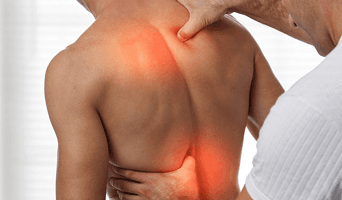
Spinal Decompression Abroad: Relieve Back Pain
Spinal decompression (decompression) is a type of surgical intervention intended to alleviate pressure placed on the spinal cord or nerves due to disorders including herniated discs, spinal stenosis, or degenerative disc disease. Compression of these structures can result in discomfort, paresthesias (numbness), and decreased ability to move. When considering Spinal Decompression abroad, many patients will have access to advanced, minimally invasive techniques which allow for short recovery periods and better surgical results than they would achieve with their local surgeons. In addition, many hospitals internationally are well-equipped with the latest diagnostic and surgical equipment and provide a high level of expertise from their orthopedic/spine surgeons. Another benefit of having Spinal Decompression done internationally is the cost savings. Patients may be able to obtain excellent quality care at a fraction of the price of their home countries' health care systems. Also, many patients find that their wait times are significantly less so that they can receive timely treatment and relief from their symptoms sooner. In most cases, patients will notice improvements in both their pain and functional status immediately post-operatively. The rehabilitation program will help to increase the strength of the spine and assist in achieving a full recovery over time. Packages available through medical tourism companies also provide comprehensive support including assistance with travel arrangements, accommodations, and follow-up care, thus making the entire process easier and less stressful. Spinal Decompression provides an effective way for patients to obtain relief from chronic back pain and allows them to take advantage of world-class care, cutting-edge facilities, and competitive pricing.
Overview
Spinal decompression (decompression) is a type of surgical intervention intended to alleviate pressure placed on the spinal cord or nerves due to disorders including herniated discs, spinal stenosis, or degenerative disc disease. Compression of these structures can result in discomfort, paresthesias (numbness), and decreased ability to move. When considering Spinal Decompression abroad, many patients will have access to advanced, minimally invasive techniques which allow for short recovery periods and better surgical results than they would achieve with their local surgeons. In addition, many hospitals internationally are well-equipped with the latest diagnostic and surgical equipment and provide a high level of expertise from their orthopedic/spine surgeons. Another benefit of having Spinal Decompression done internationally is the cost savings. Patients may be able to obtain excellent quality care at a fraction of the price of their home countries' health care systems. Also, many patients find that their wait times are significantly less so that they can receive timely treatment and relief from their symptoms sooner. In most cases, patients will notice improvements in both their pain and functional status immediately post-operatively. The rehabilitation program will help to increase the strength of the spine and assist in achieving a full recovery over time. Packages available through medical tourism companies also provide comprehensive support including assistance with travel arrangements, accommodations, and follow-up care, thus making the entire process easier and less stressful. Spinal Decompression provides an effective way for patients to obtain relief from chronic back pain and allows them to take advantage of world-class care, cutting-edge facilities, and competitive pricing.
Procedure Time
The procedure typically takes between 1 to 3 hours, depending on the number of spinal levels being treated and the specific technique used.
Recovery Timeline
Patients can often return to light office work in 1 to 2 weeks, while full recovery for more heavy activities typically takes 4 to 6 weeks.
Expected Results
Significant reduction in leg or arm pain and improved nerve function within 2 to 4 weeks post-procedure.
Ideal Candidates
Individuals suffering from spinal stenosis, herniated discs, or sciatica that causes persistent pain, numbness, or muscle weakness.
Affordable Care | Transparent Costs | Expert Guidance
Get best price with CureMeAbroad
Things to Check for Spinal Decompression Abroad
- Consult with your doctor about any health concerns or medication you're taking
- Verify the qualifications and experience of the medical facility and surgeon
- Research the costs and payment options for the procedure
- Understand the hospital's policies on anesthesia, pain management, and post-operative care
- Discuss any travel-related concerns with your doctor
Risks And Complications of Spinal Decompression Abroad
- Infection at the surgical site
- Nerve damage or numbness
- Bleeding or hematoma formation
- Reaction to anesthesia
- Spinal fluid leak or cerebrospinal fluid fistula
Do’s
- ✓Verify surgeon credentials (e.g. ISAPS, JPRAS)
- ✓Ask for before-after photos
- ✓Check language barriers
- ✓Review aftercare and follow-up options
- ✓Consider local laws on medical malpractice
Don'ts
- ✗Don't Choose a Clinic Based Only on Price
- ✗Don't Rely Solely on Social Media or Influencers
- ✗Don't Ignore Language Barriers
- ✗Don't Rush Into Surgery Without Research
- ✗Don't Assume You Can Fly Back Immediately
Under Spine Care/Surgery
Loading...
CureMeAbroadIs Absolutely Free
Just discovery so you can choose what's right for you!


World's No. 1 Medical Discovery Platform
Spinal Decompression
This procedure involves specific medical techniques tailored to address particular health conditions. Your doctor will explain the detailed process based on your case.
Spinal Decompression
Eligibility depends on your medical history, current condition, and treatment goals. A consultation and evaluation will determine if you are a suitable candidate.
Spinal Decompression
Preparation may include lab tests, imaging, medication adjustments, fasting, or lifestyle recommendations. Your healthcare provider will give you personalized instructions.
What does this procedure involve?
Spinal Decompression
This procedure involves specific medical techniques tailored to address particular health conditions. Your doctor will explain the detailed process based on your case.