Gastric Banding Surgery Abroad
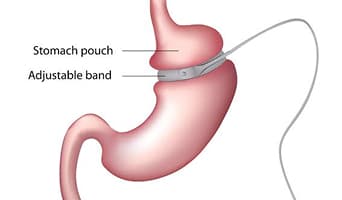
A weight loss surgery that can be adjusted over time is one reason why many people look into gastric banding. In this procedure an adjustable gastric band is placed around the upper part of the stomach. This may help with portion control and support weight loss over time. Gastric banding surgery is a weight loss procedure that places an adjustable gastric band around the upper part of the stomach. The band creates a small pouch which helps limit the amount of food you can eat during each meal and helps you feel full sooner. One thing about gastric banding is that the band can be adjusted after surgery. During follow up visits doctors can tighten or loosen the band by adding or removing fluid through a small access port under the skin. This helps adjust the treatment based on weight loss progress and eating comfort. The band can also be removed later which makes it one of the few reversible weight loss surgery options. Gastric banding is usually performed through laparoscopic surgery. For this procedure the surgeon makes 3 to 4 small incisions in the abdomen and places the band around the upper stomach with the help of a camera and surgical instruments. On CureMeAbroad people can find hospitals offering gastric band abroad treatment options and compare lap band surgery cost information across different countries before making a decision.

FREE HOTEL & FLIGHTS

100% OFF ON DENTAL CHECKUP

BEST PRICE GUARANTEED
Overview
A weight loss surgery that can be adjusted over time is one reason why many people look into gastric banding. In this procedure an adjustable gastric band is placed around the upper part of the stomach. This may help with portion control and support weight loss over time. Gastric banding surgery is a weight loss procedure that places an adjustable gastric band around the upper part of the stomach. The band creates a small pouch which helps limit the amount of food you can eat during each meal and helps you feel full sooner. One thing about gastric banding is that the band can be adjusted after surgery. During follow up visits doctors can tighten or loosen the band by adding or removing fluid through a small access port under the skin. This helps adjust the treatment based on weight loss progress and eating comfort. The band can also be removed later which makes it one of the few reversible weight loss surgery options. Gastric banding is usually performed through laparoscopic surgery. For this procedure the surgeon makes 3 to 4 small incisions in the abdomen and places the band around the upper stomach with the help of a camera and surgical instruments. On CureMeAbroad people can find hospitals offering gastric band abroad treatment options and compare lap band surgery cost information across different countries before making a decision.
Weight Loss Results
Many patients lose around 40 to 50 percent of excess weight within 2 years after gastric band surgery.
Surgery Time
To complete gastric band surgery it usually takes around 1 to 2 hours.
Hospital Stay
Most patients stay in the hospital for around 2 to 4 days after gastric band surgery.
Recovery Time
Many patients need around 2 to 4 weeks before returning to normal daily activities.
Ideal Candidates
People who have struggled with diet exercise or weight loss medicines and want a reversible surgery option may be ideal candidates for gastric band surgery.
Cost
In the U.S. the average lap band surgery cost can be around $9,500 to $27,000 depending on the hospital and treatment plan.
Treatment Abroad
The cost of gastric band abroad can be around 40 to 50 percent lower than treatment costs in the U.S.
Affordable Care | Transparent Costs | Expert Guidance
Get best price with CureMeAbroad
Things to Check for Gastric Banding Abroad
- Check the surgeon's experience in gastric band surgeries and ask about the recently performed surgery result.
- Make sure you understand the expected weight loss results and long term commitment needed after surgery.
- Find out how often band adjustments may be needed after surgery and whether follow up visits are included.
- Request a clear breakdown of lap band surgery cost that includes surgeon fees, hospital charges, anesthesia and follow up visits.
- Find out what support is available after treatment including follow up visits and dietary guidance.
- Check the hospital experience with bariatric surgery and emergency care services.
- Before choosing stomach band surgery abroad check how long you may need to stay near the hospital before travelling home.
Risks And Complications of Gastric Banding Abroad
- The gastric band may move from its original position and require additional treatment or surgery.
- In rare cases the band may gradually wear into the stomach wall and require removal.
- Some patients may experience issues with the adjustment port placed under the skin.
- Weight regain may happen when follow up adjustments and lifestyle changes are not maintained.
- Some patients may notice worsening acid reflux symptoms after gastric band surgery.
- Infection may develop around the surgical area or adjustment port in some patients.
- Reduced food intake may increase the risk of certain vitamin and mineral deficiencies.
- Some patients may require another procedure in the future because of band related complications.
Do’s
- ✓Verify surgeon credentials (e.g. ISAPS, JPRAS)
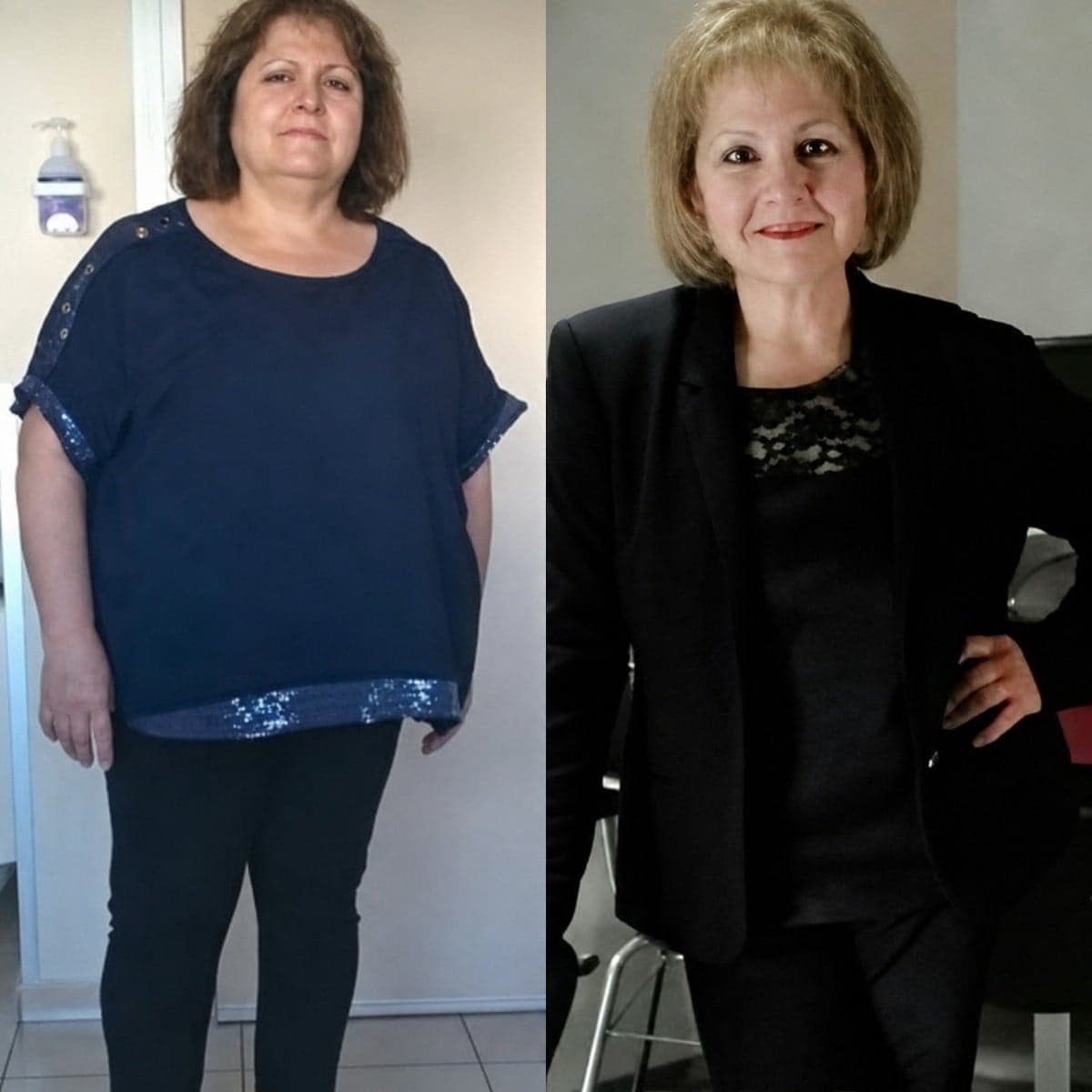
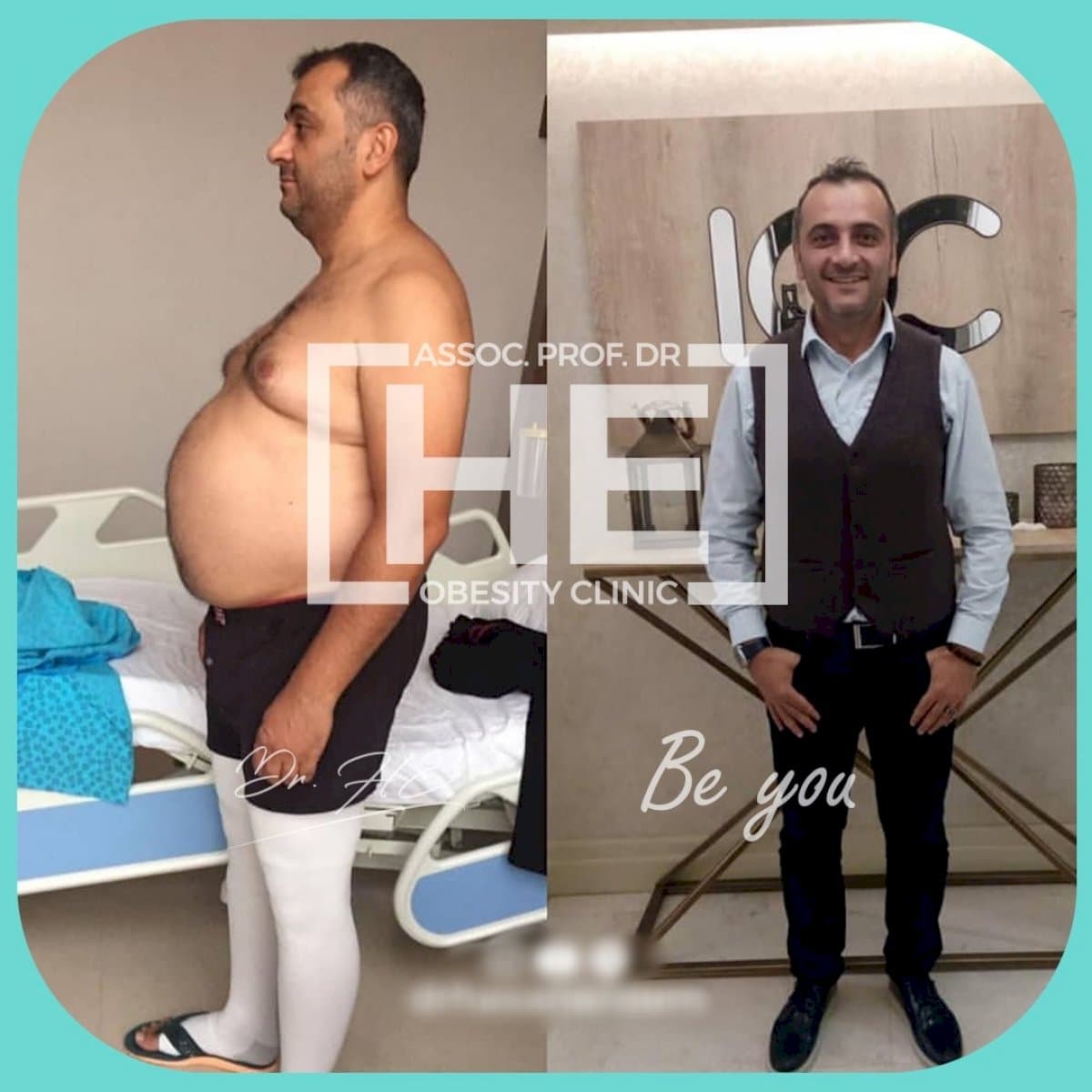
- ✓Ask for before-after photos
- ✓Check language barriers
- ✓Review aftercare and follow-up options
- ✓Consider local laws on medical malpractice
Don'ts
- ✗Don't Choose a Clinic Based Only on Price
- ✗Don't Rely Solely on Social Media or Influencers
- ✗Don't Ignore Language Barriers
- ✗Don't Rush Into Surgery Without Research
- ✗Don't Assume You Can Fly Back Immediately

gastric band
Doctor: Carlos Ballesta Lopez

gastric band
Doctor: Carlos Ballesta Lopez

gastric band
Doctor: Carlos Ballesta Lopez
gastric band
Doctor: Carlos Ballesta Lopez

gastric band
Doctor: Hasan Erdem

gastric band
Doctor: Hasan Erdem

gastric band
Doctor: Hasan Erdem
gastric band
Doctor: Hasan Erdem
Under Obesity/Bariatric Surgery
Loading...
CureMeAbroadIs Absolutely Free
Just discovery so you can choose what's right for you!


World's No. 1 Medical Discovery Platform
Gastric Banding
This procedure involves specific medical techniques tailored to address particular health conditions. Your doctor will explain the detailed process based on your case.
Gastric Banding
Eligibility depends on your medical history, current condition, and treatment goals. A consultation and evaluation will determine if you are a suitable candidate.
Gastric Banding
Preparation may include lab tests, imaging, medication adjustments, fasting, or lifestyle recommendations. Your healthcare provider will give you personalized instructions.
What does this procedure involve?
Gastric Banding
This procedure involves specific medical techniques tailored to address particular health conditions. Your doctor will explain the detailed process based on your case.