Biliopancreatic Diversion Surgery Abroad
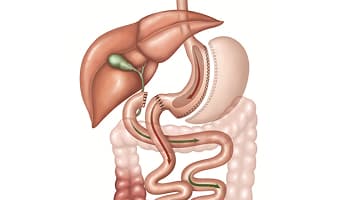
Biliopancreatic diversion is a surgical treatment for severe obesity. Patients looking into biliopancreatic diversion surgery abroad will find it works by making the stomach smaller and cutting short the section of small intestine the body uses for digestion. The result is that far less fat and fewer calories are absorbed. Of the bariatric procedures available, this one tends to produce the highest and most durable weight loss. The operation changes two things. The stomach is reduced to a small pouch. The small intestine is cut and reattached further along so that food bypasses most of it. This is what limits calorie and fat absorption. Patients with a BMI of 50 or above are the usual candidates. Someone with a lower BMI may still be assessed if conditions such as type 2 diabetes or high blood pressure haven’t improved through other means. For those dealing with severe weight-related health conditions, extreme obesity surgery cost is often a deciding factor when choosing where to have the procedure done. Many of them end up exploring biliopancreatic diversion surgery abroad as a more accessible route to treatment. Surgery is performed under general anesthesia, and most patients are discharged after 3-5 days. CureMeAbroad lists verified surgeons and accredited hospitals performing BPD in established medical travel destinations.
Overview
Biliopancreatic diversion is a surgical treatment for severe obesity. Patients looking into biliopancreatic diversion surgery abroad will find it works by making the stomach smaller and cutting short the section of small intestine the body uses for digestion. The result is that far less fat and fewer calories are absorbed. Of the bariatric procedures available, this one tends to produce the highest and most durable weight loss. The operation changes two things. The stomach is reduced to a small pouch. The small intestine is cut and reattached further along so that food bypasses most of it. This is what limits calorie and fat absorption. Patients with a BMI of 50 or above are the usual candidates. Someone with a lower BMI may still be assessed if conditions such as type 2 diabetes or high blood pressure haven’t improved through other means. For those dealing with severe weight-related health conditions, extreme obesity surgery cost is often a deciding factor when choosing where to have the procedure done. Many of them end up exploring biliopancreatic diversion surgery abroad as a more accessible route to treatment. Surgery is performed under general anesthesia, and most patients are discharged after 3-5 days. CureMeAbroad lists verified surgeons and accredited hospitals performing BPD in established medical travel destinations.
Procedure Time
The operation generally runs 2-4 hours and is performed under general anesthesia. It can take longer for patients who've had prior abdominal surgery or whose anatomy is more complex to work with.
Recovery Period
Hospital stays are usually 3-5 days before discharge. That first year afterward is the riskiest stretch for things like protein malnutrition and gallstones, mainly because weight is coming off fastest during that period.
Expected Results
By around the 2-year mark, excess weight loss typically lands somewhere between 70% and 80%. Whether that holds up long-term comes down to protein intake, sticking with supplements, and showing up for follow-up care. Type 2 diabetes also tends to improve considerably in many patients, with some reaching full remission.
Ideal Candidates
A BMI of 50 or higher is the usual benchmark for biliopancreatic diversion. Patients sitting below that can still be considered if issues like type 2 diabetes or high blood pressure haven't budged with other treatment approaches.
Affordable Care | Transparent Costs | Expert Guidance
Get best price with CureMeAbroad
Things to Check for Biliopancreatic Diversion Abroad
- Verify hospital accreditation through the issuing body's own website, not through what the hospital states. JCI maintains a searchable public list of all facilities it has accredited.
- Ask the surgeon their personal BPD case count for the past year. Department-wide bariatric totals don’t reflect individual surgical experience.
- Find out whether the hospital has a post-bariatric unit that manages metabolic and nutritional complications specifically, separate from general surgical recovery.
- Find out whether the hospital has a post-bariatric unit that manages metabolic and nutritional complications specifically, separate from general surgical recovery.
- Check that a dietitian with direct bariatric experience sits within the inpatient care team rather than being available only on request.
- Ask what post-discharge support exists for patients who return home after surgery. For those pursuing biliopancreatic diversion abroad, cross-border continuity of care needs to be sorted before travel, not after.
- Request complication and outcome figures for BPD cases at that facility in particular, not aggregate bariatric data.
- Research the patient rights and negligence framework in the destination country before committing to treatment.
Risks And Complications of Biliopancreatic Diversion Abroad
- Iron, calcium, vitamin B12, and fat-soluble vitamin deficiencies show up in most BPD patients. These don’t correct themselves and supplementation carries on for life.
- Protein malnutrition turns up in patients who miss dietary targets regularly. The first year after surgery is when this risk sits highest.
- Some patients get dumping syndrome. Rapid heartbeat, sweating, and loose stools after meals are the typical signs.
- Anastomotic leaks aren’t common but when they occur, the situation is serious. A second operation is usually what follows.
- Rerouting the bowel leaves patients more open to internal hernias and obstruction. This is a lifetime risk, not a short-term one.
- The months right after surgery are when weight drops fastest. Gallstones are more likely to form during this window.
- Calcium and vitamin D are poorly absorbed after BPD. Over many years this creates a real risk of metabolic bone disease.
- Complications after biliopancreatic diversion surgery abroad can go unaddressed longer than expected if no local bariatric specialist is within reach on returning home.
Do’s
- ✓Verify surgeon credentials (e.g. ISAPS, JPRAS)
- ✓Ask for before-after photos
- ✓Check language barriers
- ✓Review aftercare and follow-up options
- ✓Consider local laws on medical malpractice
Don'ts
- ✗Don't Choose a Clinic Based Only on Price
- ✗Don't Rely Solely on Social Media or Influencers
- ✗Don't Ignore Language Barriers
- ✗Don't Rush Into Surgery Without Research
- ✗Don't Assume You Can Fly Back Immediately
Under Obesity/Bariatric Surgery
Loading...
CureMeAbroadIs Absolutely Free
Just discovery so you can choose what's right for you!


World's No. 1 Medical Discovery Platform
Biliopancreatic Diversion
This procedure involves specific medical techniques tailored to address particular health conditions. Your doctor will explain the detailed process based on your case.
Biliopancreatic Diversion
Eligibility depends on your medical history, current condition, and treatment goals. A consultation and evaluation will determine if you are a suitable candidate.
Biliopancreatic Diversion
Preparation may include lab tests, imaging, medication adjustments, fasting, or lifestyle recommendations. Your healthcare provider will give you personalized instructions.
What does this procedure involve?
Biliopancreatic Diversion
This procedure involves specific medical techniques tailored to address particular health conditions. Your doctor will explain the detailed process based on your case.