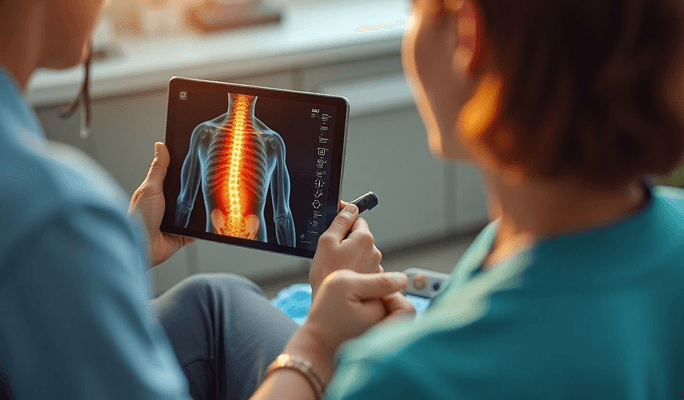
Radiofrequency Rhizotomy Treatment Abroad
Radiofrequency rhizotomy is a minimally invasive procedure used to relieve chronic pain by targeting specific nerve fibers and interrupting pain signals. It is commonly used for conditions such as trigeminal neuralgia and spinal pain. Seeking treatment abroad allows access to experienced specialists, modern technology, and comprehensive pain management programs. CureMeAbroad partners with internationally accredited hospitals offering precise diagnostics and safe procedures. Patients benefit from reduced recovery times, lower treatment costs, and personalized care plans. With advanced techniques and expert guidance, individuals can achieve long-lasting pain relief and significantly improve their quality of life.
Overview
Radiofrequency rhizotomy is a minimally invasive procedure used to relieve chronic pain by targeting specific nerve fibers and interrupting pain signals. It is commonly used for conditions such as trigeminal neuralgia and spinal pain. Seeking treatment abroad allows access to experienced specialists, modern technology, and comprehensive pain management programs. CureMeAbroad partners with internationally accredited hospitals offering precise diagnostics and safe procedures. Patients benefit from reduced recovery times, lower treatment costs, and personalized care plans. With advanced techniques and expert guidance, individuals can achieve long-lasting pain relief and significantly improve their quality of life.
Affordable Care | Transparent Costs | Expert Guidance
Get best price with CureMeAbroad
Things to Check for Radiofrequency Rhizotomy Abroad
- Inform your doctor about any medical conditions or medications you're taking
- Get a thorough physical examination and medical history evaluation
- Discuss any concerns or questions you have with your doctor
- Confirm the procedure's cost, insurance coverage, and payment terms
- Research the credentials and reputation of the hospital or clinic
Risks And Complications of Radiofrequency Rhizotomy Abroad
- Temporary numbness or tingling in the affected area
- Infection or abscess at the incision site
- Allergic reaction to anesthesia or medications
- Unusual bleeding during or after the procedure
- Potential for incomplete or ineffective treatment
Do’s
- ✓Verify surgeon credentials (e.g. ISAPS, JPRAS)
- ✓Ask for before-after photos
- ✓Check language barriers
- ✓Review aftercare and follow-up options
- ✓Consider local laws on medical malpractice
Don'ts
- ✗Don't Choose a Clinic Based Only on Price
- ✗Don't Rely Solely on Social Media or Influencers
- ✗Don't Ignore Language Barriers
- ✗Don't Rush Into Surgery Without Research
- ✗Don't Assume You Can Fly Back Immediately
Under Neurology
Loading...
CureMeAbroadIs Absolutely Free
Just discovery so you can choose what's right for you!


World's No. 1 Medical Discovery Platform
Radiofrequency Rhizotomy
This procedure involves specific medical techniques tailored to address particular health conditions. Your doctor will explain the detailed process based on your case.
Radiofrequency Rhizotomy
Eligibility depends on your medical history, current condition, and treatment goals. A consultation and evaluation will determine if you are a suitable candidate.
Radiofrequency Rhizotomy
Preparation may include lab tests, imaging, medication adjustments, fasting, or lifestyle recommendations. Your healthcare provider will give you personalized instructions.
What does this procedure involve?
Radiofrequency Rhizotomy
This procedure involves specific medical techniques tailored to address particular health conditions. Your doctor will explain the detailed process based on your case.