Open Heart Surgery Abroad
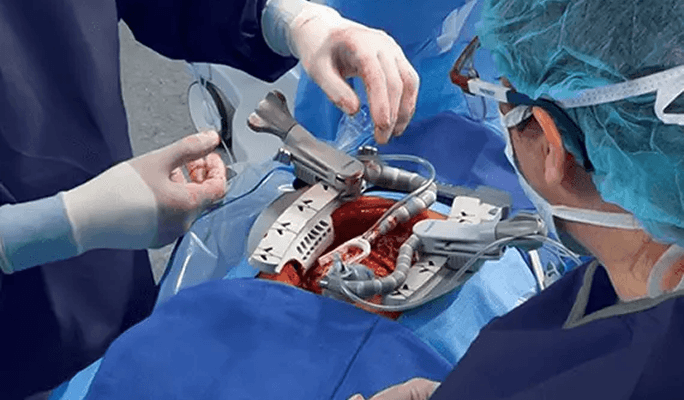
The chest has to be opened. That is what distinguishes this category of surgery from everything else in cardiac care. The sternum is cut down the middle. The ribs are held apart. The heart is visible and reachable. Before any repair begins, a heart-lung bypass machine is connected to the patient to keep blood circulating and oxygenated while the heart is stopped. What needs repairing is different for every patient. One patient has coronary arteries blocked to the point where the heart muscle isn’t getting adequate blood supply, and bypassing those blockages with a graft is the solution. Another has a valve that has calcified, torn, or started leaking badly enough that it needs to be repaired or replaced. A third has a section of the aorta that has stretched to a point where intervention cannot wait, and a fourth was born with a cardiac abnormality that held steady for years before becoming a surgical problem. For patients exploring cardiac surgery abroad, simpler procedures are done in roughly 3 hours. Complicated ones run longer, sometimes past 6. Recovery starts in intensive care, where the clinical team tracks heart rhythm, blood pressure, fluid balance, and organ function until the patient is stable. A general ward comes next and structured rehabilitation follows before discharge. CureMeAbroad lists accredited hospitals and verified cardiac surgeons in multiple countries where this procedure is performed on international patients

FREE HOTEL & FLIGHTS

100% OFF ON DENTAL CHECKUP

BEST PRICE GUARANTEED
Overview
The chest has to be opened. That is what distinguishes this category of surgery from everything else in cardiac care. The sternum is cut down the middle. The ribs are held apart. The heart is visible and reachable. Before any repair begins, a heart-lung bypass machine is connected to the patient to keep blood circulating and oxygenated while the heart is stopped. What needs repairing is different for every patient. One patient has coronary arteries blocked to the point where the heart muscle isn’t getting adequate blood supply, and bypassing those blockages with a graft is the solution. Another has a valve that has calcified, torn, or started leaking badly enough that it needs to be repaired or replaced. A third has a section of the aorta that has stretched to a point where intervention cannot wait, and a fourth was born with a cardiac abnormality that held steady for years before becoming a surgical problem. For patients exploring cardiac surgery abroad, simpler procedures are done in roughly 3 hours. Complicated ones run longer, sometimes past 6. Recovery starts in intensive care, where the clinical team tracks heart rhythm, blood pressure, fluid balance, and organ function until the patient is stable. A general ward comes next and structured rehabilitation follows before discharge. CureMeAbroad lists accredited hospitals and verified cardiac surgeons in multiple countries where this procedure is performed on international patients
Affordable Care | Transparent Costs | Expert Guidance
Get best price with CureMeAbroad
Things to Check for Open Heart Surgery Abroad
- The surgical team needs a written record before planning begins. That record should cover every medication currently being taken, every known allergy, every diagnosis the patient carries, and every surgical procedure previously undergone.
- A formal clearance letter from the patient's doctor at home should be secured before any flights or accommodation is arranged.
- Written confirmation from the patient's cardiologist that surgery is the right course of action for this specific case should be part of the documentation the patient carries.
- A proper conversation with the surgeon should happen before any consent form is touched. It should cover the risks, the alternatives considered, and what recovery looks like for this patient specifically. This is also the right time to ask about open heart surgery cost and what the quoted price does and doesn’t include.
- The insurance documents need more than a quick read. The relevant clauses are the ones that govern what happens when treatment is received outside the country where the policy was taken out.
Risks And Complications of Open Heart Surgery Abroad
- Infections settle at the chest wound in some patients and deeper inside the body in others. The treatment depends on the severity. Some patients need a course of antibiotics. Others need to go back into the hospital for further care
- The heart doesn’t always come out of surgery beating normally. Abnormal rhythms in the days after the operation are tracked on continuous monitors. Medication is given when the rhythm doesn’t return to normal by itself.
- Bleeding during or after surgery sometimes exceeds what the body can manage without help. A transfusion becomes necessary at that point to bring circulation back to a level the patient can sustain.
- The kidneys and liver bear the physiological cost of bypass and prolonged anesthesia. In a portion of patients, this shows up as a temporary reduction in organ function that the team monitors closely during recovery.
- A blood clot or air bubble entering the bloodstream during surgery can reach the brain. Depending on its size and where it lodges, the result can be a brief neurological episode or a full ischemic stroke.
Do’s
- ✓Verify surgeon credentials (e.g. ISAPS, JPRAS)
- ✓Ask for before-after photos
- ✓Check language barriers
- ✓Review aftercare and follow-up options
- ✓Consider local laws on medical malpractice
Don'ts
- ✗Don't Choose a Clinic Based Only on Price
- ✗Don't Rely Solely on Social Media or Influencers
- ✗Don't Ignore Language Barriers
- ✗Don't Rush Into Surgery Without Research
- ✗Don't Assume You Can Fly Back Immediately
Under Heart Care/Surgery
Loading...
CureMeAbroadIs Absolutely Free
Just discovery so you can choose what's right for you!


World's No. 1 Medical Discovery Platform
Open Heart Surgery
This procedure involves specific medical techniques tailored to address particular health conditions. Your doctor will explain the detailed process based on your case.
Open Heart Surgery
Eligibility depends on your medical history, current condition, and treatment goals. A consultation and evaluation will determine if you are a suitable candidate.
Open Heart Surgery
Preparation may include lab tests, imaging, medication adjustments, fasting, or lifestyle recommendations. Your healthcare provider will give you personalized instructions.
What does this procedure involve?
Open Heart Surgery
This procedure involves specific medical techniques tailored to address particular health conditions. Your doctor will explain the detailed process based on your case.