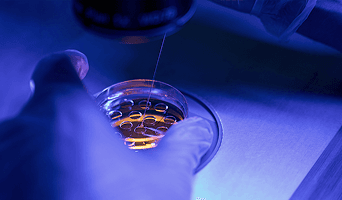
Preimplantation Genetic Diagnosis Abroad: Giving Your Embryo the Healthiest Start Possible
Preimplantation genetic diagnosis, or PGD, is an advanced genetic testing technique performed on embryos during an IVF cycle to screen for specific inherited genetic conditions, chromosomal abnormalities, or single gene disorders before implantation. It gives prospective parents the opportunity to select the healthiest embryos, significantly reducing the risk of passing on hereditary conditions and improving the chances of a successful pregnancy. Travelling abroad for PGD connects you with highly specialised fertility geneticists and state-of-the-art reproductive laboratories at considerably lower costs than at home. On CureMeAbroad, compare verified providers, explore top destinations, and review transparent pricing honestly. No commissions, no pressure, just clarity.
Overview
Preimplantation genetic diagnosis, or PGD, is an advanced genetic testing technique performed on embryos during an IVF cycle to screen for specific inherited genetic conditions, chromosomal abnormalities, or single gene disorders before implantation. It gives prospective parents the opportunity to select the healthiest embryos, significantly reducing the risk of passing on hereditary conditions and improving the chances of a successful pregnancy. Travelling abroad for PGD connects you with highly specialised fertility geneticists and state-of-the-art reproductive laboratories at considerably lower costs than at home. On CureMeAbroad, compare verified providers, explore top destinations, and review transparent pricing honestly. No commissions, no pressure, just clarity.
Affordable Care | Transparent Costs | Expert Guidance
Get best price with CureMeAbroad
Things to Check for Preimplantation Genetic Diagnosis (PGD) Abroad
- Discuss your medical history and any relevant allergies with the fertility clinic
- Understand your insurance coverage for PGD procedures and any out-of-pocket costs
- Research the clinic's success rates and reputation
- Ensure you understand the process of freezing embryos and storing them for future use
- Consult with your healthcare provider about potential emotional and psychological aspects of the procedure
Risks And Complications of Preimplantation Genetic Diagnosis (PGD) Abroad
- Risk of miscarriage or pregnancy complications due to genetic issues
- Potential for failed fertilization or low-quality embryo development
- Chances of multiple births (twins, triplets, etc.) if more than one embryo is transferred
- Small risk of bleeding or infection during the procedure or in the early stages of pregnancy
- Emotional stress and anxiety related to the process and potential outcomes
Do’s
- ✓Verify surgeon credentials (e.g. ISAPS, JPRAS)
- ✓Ask for before-after photos
- ✓Check language barriers
- ✓Review aftercare and follow-up options
- ✓Consider local laws on medical malpractice
Don'ts
- ✗Don't Choose a Clinic Based Only on Price
- ✗Don't Rely Solely on Social Media or Influencers
- ✗Don't Ignore Language Barriers
- ✗Don't Rush Into Surgery Without Research
- ✗Don't Assume You Can Fly Back Immediately
Under Fertility Treatment
Loading...
CureMeAbroadIs Absolutely Free
Just discovery so you can choose what's right for you!
World's No. 1 Medical Discovery Platform
Preimplantation Genetic Diagnosis (PGD)
This procedure involves specific medical techniques tailored to address particular health conditions. Your doctor will explain the detailed process based on your case.
Preimplantation Genetic Diagnosis (PGD)
Eligibility depends on your medical history, current condition, and treatment goals. A consultation and evaluation will determine if you are a suitable candidate.
Preimplantation Genetic Diagnosis (PGD)
Preparation may include lab tests, imaging, medication adjustments, fasting, or lifestyle recommendations. Your healthcare provider will give you personalized instructions.
What does this procedure involve?
Preimplantation Genetic Diagnosis (PGD)
This procedure involves specific medical techniques tailored to address particular health conditions. Your doctor will explain the detailed process based on your case.