Sedation Dentistry
Sedation dentistry works by giving a patient medication before or partway through a dental appointment so that the procedure can be carried out without fear, physical tension, or unmanageable discomfort standing in the way. Unlike general anesthesia, the patient doesn’t go under or lose consciousness. They remain aware throughout, can hear the dentist, and can respond if asked to do something, but they aren’t distressed and generally retain very little memory of the appointment once it is finished. The situations where it gets used are fairly specific: a patient with a deep and persistent fear of dental procedures, one whose tolerance for pain makes even standard treatment difficult to carry out, one with a gag reflex pronounced enough to physically interrupt the dentist's work, or one facing a procedure with a long running time. In each of these cases, sedation becomes the clinical solution that makes treatment viable. For patients considering sedation dentistry abroad, the dentist decides on the method and dosage after going through the patient's health history, forming a view on how anxious the patient is, and taking stock of what the procedure actually demands. CureMeAbroad connects patients with accredited dental clinics offering sedation dentistry across multiple countries.

FREE HOTEL & FLIGHTS

100% OFF ON DENTAL CHECKUP

BEST PRICE GUARANTEED
Overview
Sedation dentistry works by giving a patient medication before or partway through a dental appointment so that the procedure can be carried out without fear, physical tension, or unmanageable discomfort standing in the way. Unlike general anesthesia, the patient doesn’t go under or lose consciousness. They remain aware throughout, can hear the dentist, and can respond if asked to do something, but they aren’t distressed and generally retain very little memory of the appointment once it is finished. The situations where it gets used are fairly specific: a patient with a deep and persistent fear of dental procedures, one whose tolerance for pain makes even standard treatment difficult to carry out, one with a gag reflex pronounced enough to physically interrupt the dentist's work, or one facing a procedure with a long running time. In each of these cases, sedation becomes the clinical solution that makes treatment viable. For patients considering sedation dentistry abroad, the dentist decides on the method and dosage after going through the patient's health history, forming a view on how anxious the patient is, and taking stock of what the procedure actually demands. CureMeAbroad connects patients with accredited dental clinics offering sedation dentistry across multiple countries.
Affordable Care | Transparent Costs | Expert Guidance
Get best price with CureMeAbroad
Things to Check for Sedation Dentistry Abroad
- Accreditation is the starting point, not an afterthought. Before any booking is considered, find out whether the clinic is formally recognised by a credible dental or healthcare authority, be that national or international. A clinic that can’t answer this question clearly is one worth reconsidering.
- Whether the dentist is legally permitted to administer sedation depends on the country. Regulations differ considerably across jurisdictions. This needs to be confirmed directly, not inferred.
- During the procedure itself, someone needs to be dedicated to monitoring sedation levels. Ask who that person is, what training they have completed, and whether they remain present for the entire duration of the appointment or only part of it.
- Emergency equipment being on site isn’t optional in a clinic offering sedation. Ask whether it is there and whether staff have actually been trained to use it in a live emergency, not just in theory.
- Ask what the clinic does before it approves any patient for sedation. A proper pre-treatment screening process, one that includes a full medical history review, is a basic standard that should be expected.
Risks And Complications of Sedation Dentistry Abroad
- Patients who carry substantial excess body weight or have a diagnosed lung condition face a higher clinical risk of respiratory complications while sedation is active. This is well documented.
- Reactions to sedative drugs are recorded across different patient groups. In some cases the reaction is mild and self-limiting. In others it requires immediate intervention. The difference often comes down to whether adequate monitoring was in place.
- Sedation levels during a procedure aren’t static. They need to be tracked as the appointment progresses. Where that tracking doesn’t happen consistently, oversedation becomes a real and preventable risk.
- Nausea after the appointment is one of the most consistently reported post-procedure complaints across sedation dentistry patients. Those who received IV sedation tend to experience it more intensely than those who took oral medication.
- Cardiovascular effects during sedation have been recorded in clinical settings. These include drops in blood pressure and irregular heart rate, and they appear more frequently in patients who have pre-existing cardiac or circulatory conditions.
Do’s
- ✓Verify surgeon credentials (e.g. ISAPS, JPRAS)
- ✓Ask for before-after photos
- ✓Check language barriers
- ✓Review aftercare and follow-up options
- ✓Consider local laws on medical malpractice
Don'ts
- ✗Don't Choose a Clinic Based Only on Price
- ✗Don't Rely Solely on Social Media or Influencers
- ✗Don't Ignore Language Barriers
- ✗Don't Rush Into Surgery Without Research
- ✗Don't Assume You Can Fly Back Immediately
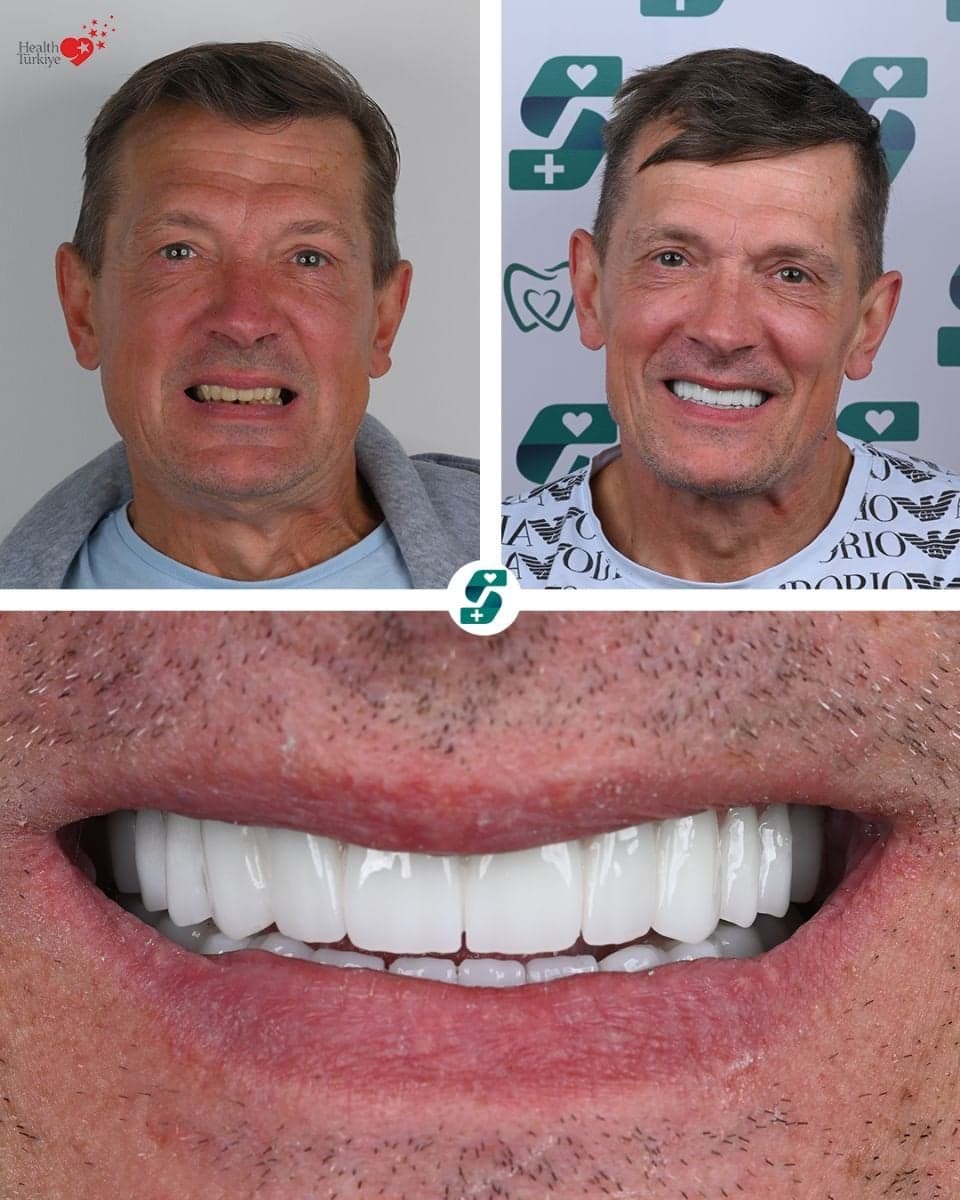
dental treatment with sedation
Doctor: Gurkan Armagan
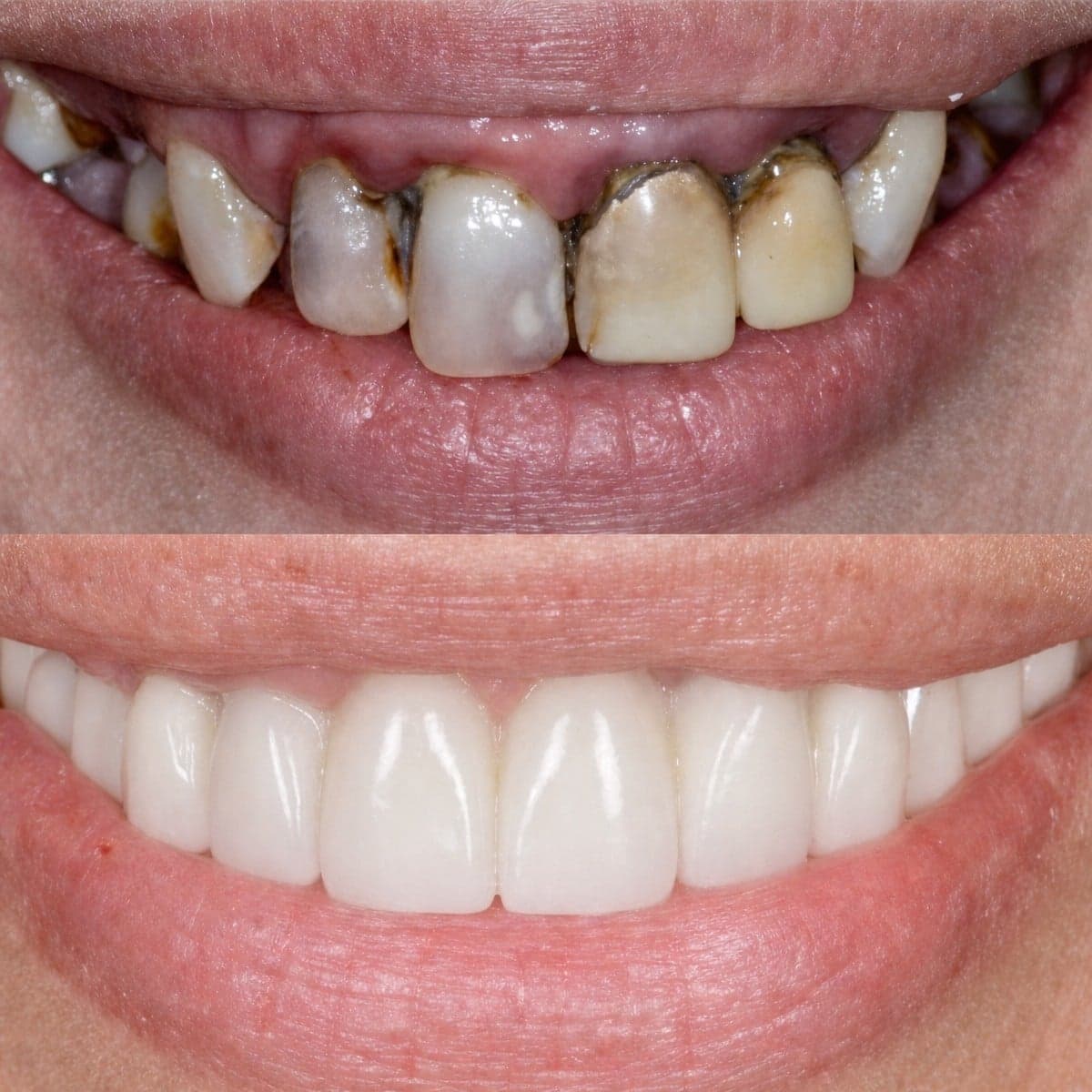
dental treatment with sedation
Doctor: Soma Veszprémi
Under Dental Treatment
Loading...
CureMeAbroadIs Absolutely Free
Just discovery so you can choose what's right for you!


World's No. 1 Medical Discovery Platform

Sedation Dentistry
This procedure involves specific medical techniques tailored to address particular health conditions. Your doctor will explain the detailed process based on your case.
Sedation Dentistry
Eligibility depends on your medical history, current condition, and treatment goals. A consultation and evaluation will determine if you are a suitable candidate.
Sedation Dentistry
Preparation may include lab tests, imaging, medication adjustments, fasting, or lifestyle recommendations. Your healthcare provider will give you personalized instructions.
What does this procedure involve?
Sedation Dentistry
This procedure involves specific medical techniques tailored to address particular health conditions. Your doctor will explain the detailed process based on your case.