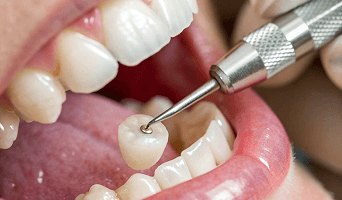
Dental Crown
A dental crown is used when a tooth is weak, broken, or has a large filling. It covers the tooth and protects it from further damage. Many people also call it a tooth cap. It is commonly done after root canal treatment or when a tooth is badly damaged. The crown helps you chew properly and also improves how your tooth looks. The process is very simple. First the dentist prepares the tooth and takes a scan or impression. Then a custom crown is made and fixed in place during the next visit. The procedure usually takes 2 visits and does not need hospital stay. Most people return to normal eating within a few days. Most people also look for dental crowns abroad because the cost is lower and treatment is more affordable so visit CureMeAbroad to connect with the best dental clinics abroad and compare treatment costs.

FREE HOTEL & FLIGHTS

100% OFF ON DENTAL CHECKUP

BEST PRICE GUARANTEED
Overview
A dental crown is used when a tooth is weak, broken, or has a large filling. It covers the tooth and protects it from further damage. Many people also call it a tooth cap. It is commonly done after root canal treatment or when a tooth is badly damaged. The crown helps you chew properly and also improves how your tooth looks. The process is very simple. First the dentist prepares the tooth and takes a scan or impression. Then a custom crown is made and fixed in place during the next visit. The procedure usually takes 2 visits and does not need hospital stay. Most people return to normal eating within a few days. Most people also look for dental crowns abroad because the cost is lower and treatment is more affordable so visit CureMeAbroad to connect with the best dental clinics abroad and compare treatment costs.
Success Rate
Around 95% or more crowns work well for many years
Durability
Most crowns last around 10–15 years with good care
Treatment Time
Usually done in 2 visits over a few days
Procedure Time
Each visit takes around 30–60 minutes
Cost in the US
Crown cost is usually $1,000–$2,500 per tooth
Affordable Care | Transparent Costs | Expert Guidance
Get best price with CureMeAbroad
Things to Check for Dental Crown Abroad
- Ask about porcelain or zirconia and what suits your tooth better.
- Choose a clinic with experienced dentists and proper lab support.
- Check full crown cost and what is included in the treatment.
- If you choose a tooth cap abroad, stay 2–3 days for both visits and keep records for follow-up.
- Check if your gums and teeth are healthy before you go for a crown.
Risks And Complications of Dental Crown Abroad
- You may feel some sensitivity after the crown is placed but it usually settles in a few days.
- Sometimes the crown may feel loose or come off and may need fixing again.
- Chipping can happen if you bite very hard things or grind your teeth.
- Decay can still happen under the crown if oral care is poor.
- Gums around the crown may feel irritated if the fit is not proper.
Do’s
- ✓Verify surgeon credentials (e.g. ISAPS, JPRAS)
- ✓Ask for before-after photos
- ✓Check language barriers
- ✓Review aftercare and follow-up options
- ✓Consider local laws on medical malpractice
Don'ts
- ✗Don't Choose a Clinic Based Only on Price
- ✗Don't Rely Solely on Social Media or Influencers
- ✗Don't Ignore Language Barriers
- ✗Don't Rush Into Surgery Without Research
- ✗Don't Assume You Can Fly Back Immediately

Dental Crown
Doctor: Irma Gavaldon
Under Dental Treatment
Loading...
CureMeAbroadIs Absolutely Free
Just discovery so you can choose what's right for you!


World's No. 1 Medical Discovery Platform
Dental Crown
This procedure involves specific medical techniques tailored to address particular health conditions. Your doctor will explain the detailed process based on your case.
Dental Crown
Eligibility depends on your medical history, current condition, and treatment goals. A consultation and evaluation will determine if you are a suitable candidate.
Dental Crown
Preparation may include lab tests, imaging, medication adjustments, fasting, or lifestyle recommendations. Your healthcare provider will give you personalized instructions.
What does this procedure involve?
Dental Crown
This procedure involves specific medical techniques tailored to address particular health conditions. Your doctor will explain the detailed process based on your case.