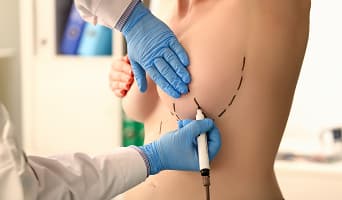
Reduction Mammoplasty
Heavy breasts leave a physical mark. Bra strap grooves cut into the shoulders, skin beneath the breasts becomes irritated, the upper back aches, and the neck stiffens. For many patients, these aren’t temporary complaints. They develop over years and can interfere with daily life. Reduction mammoplasty abroad is an option patients consider when symptoms become difficult to manage. The procedure removes excess breast tissue, fat, and skin to reduce breast size and weight. It is a well-established operation with a long record in clinical practice. The surgeon typically makes incisions around the areola and may extend them vertically or along the breast fold depending on the amount of tissue being removed. Through these openings, tissue, fat, and skin are taken out. The breast is then shaped and the nipple lifted to sit higher. General anesthesia is used and the operation takes 2-4 hours. Patients who come in for this breast reshaping surgery most commonly report upper back pain, neck stiffness, skin problems in the breast fold, and trouble keeping up with physical activity. These are the complaints that appear most often in clinical notes ahead of surgery. The operation is done by a plastic or reconstructive surgeon. Surgical standards and what counts as proper accreditation aren’t identical across borders, so patients looking at reduction mammoplasty abroad need to check credentials before committing to any facility. CureMeAbroad helps patients search and compare accredited hospitals and qualified surgeons offering this procedure across multiple countries.

FREE HOTEL & FLIGHTS

100% OFF ON DENTAL CHECKUP

BEST PRICE GUARANTEED
Overview
Heavy breasts leave a physical mark. Bra strap grooves cut into the shoulders, skin beneath the breasts becomes irritated, the upper back aches, and the neck stiffens. For many patients, these aren’t temporary complaints. They develop over years and can interfere with daily life. Reduction mammoplasty abroad is an option patients consider when symptoms become difficult to manage. The procedure removes excess breast tissue, fat, and skin to reduce breast size and weight. It is a well-established operation with a long record in clinical practice. The surgeon typically makes incisions around the areola and may extend them vertically or along the breast fold depending on the amount of tissue being removed. Through these openings, tissue, fat, and skin are taken out. The breast is then shaped and the nipple lifted to sit higher. General anesthesia is used and the operation takes 2-4 hours. Patients who come in for this breast reshaping surgery most commonly report upper back pain, neck stiffness, skin problems in the breast fold, and trouble keeping up with physical activity. These are the complaints that appear most often in clinical notes ahead of surgery. The operation is done by a plastic or reconstructive surgeon. Surgical standards and what counts as proper accreditation aren’t identical across borders, so patients looking at reduction mammoplasty abroad need to check credentials before committing to any facility. CureMeAbroad helps patients search and compare accredited hospitals and qualified surgeons offering this procedure across multiple countries.
Procedure Scope
Reduction mammoplasty takes out excess breast tissue, fat, and skin. Surgeons recommend it when breast weight is causing real, measurable problems: back pain, deep grooves from bra straps, and chronic skin irritation underneath. This isn't elective in the cosmetic sense. It's done to take physical strain off the body.
Recovery Timeline
The first week is the hardest part, with soreness, swelling, and a tight, stretched feeling across the chest. That eases steadily over the following weeks. Scars need months to fully settle, and final breast shape isn't really locked in until then either. Heavy activity stays off-limits for a while.
Expected Results
Breasts end up smaller, lighter, and positioned higher on the chest, and most patients notice less strain on their back and neck almost immediately. Scarring is permanent but fades considerably with time. As long as weight stays consistent, the new shape tends to hold.
Ideal Candidates
Best for those with fully developed breasts and ongoing discomfort that hasn't improved with non-surgical options, who also understand the scarring, recovery time, and lasting changes involved.
Affordable Care | Transparent Costs | Expert Guidance
Get best price with CureMeAbroad
Things to Check for Reduction Mammoplasty Abroad
- The surgeon must hold board certification in plastic or reconstructive surgery from the country where the operation takes place. A general medical license doesn’t cover this.
- JCI accreditation or a nationally recognized equivalent must be active and independently verifiable, not just stated on a hospital website.
- Ask for a written mammoplasty cost breakdown before agreeing to anything, with surgical fee, anesthesia, hospital stay, and follow-up care each listed separately.
- Ask whether the hospital has a dedicated international patient team and what languages its staff can support.
- Not every facility offers remote follow-up once a patient leaves the country. This must be confirmed before booking reduction mammoplasty abroad.
- The surgeon's results in breast reduction specifically are what need reviewing. Their wider surgical portfolio doesn’t substitute for this.
- Ask in writing what the hospital does when a complication comes in from a patient who has already returned home.
Risks And Complications of Reduction Mammoplasty Abroad
- Scars from reduction mammoplasty don’t go away. They fade to some degree but are a permanent part of the outcome.
- Sensation in the nipple and breast tissue shifts in many patients after surgery. For some, it never fully returns to what it was.
- Wound infection can set in and may need antibiotic treatment or a return to the operating room.
- The breasts don’t always come out symmetrical. A second procedure is occasionally needed to address this.
- Breast reshaping surgery touches milk ducts and glandular tissue. This may affect the ability to breastfeed after surgery.
- Blood clotting is a surgical risk associated with any operation performed under general anesthesia, including reduction mammoplasty.
- Long-haul travel too soon after surgery raises the risk of deep vein thrombosis. The surgeon must clear the patient to fly before any return flight is booked.
Do’s
- ✓Verify surgeon credentials (e.g. ISAPS, JPRAS)
- ✓Ask for before-after photos
- ✓Check language barriers
- ✓Review aftercare and follow-up options
- ✓Consider local laws on medical malpractice
Don'ts
- ✗Don't Choose a Clinic Based Only on Price
- ✗Don't Rely Solely on Social Media or Influencers
- ✗Don't Ignore Language Barriers
- ✗Don't Rush Into Surgery Without Research
- ✗Don't Assume You Can Fly Back Immediately
Under Cosmetic/Plastic Surgery
Loading...
CureMeAbroadIs Absolutely Free
Just discovery so you can choose what's right for you!


World's No. 1 Medical Discovery Platform
Reduction Mammoplasty
This procedure involves specific medical techniques tailored to address particular health conditions. Your doctor will explain the detailed process based on your case.
Reduction Mammoplasty
Eligibility depends on your medical history, current condition, and treatment goals. A consultation and evaluation will determine if you are a suitable candidate.
Reduction Mammoplasty
Preparation may include lab tests, imaging, medication adjustments, fasting, or lifestyle recommendations. Your healthcare provider will give you personalized instructions.
What does this procedure involve?
Reduction Mammoplasty
This procedure involves specific medical techniques tailored to address particular health conditions. Your doctor will explain the detailed process based on your case.