Liposuction Surgery Abroad: Safe Fat Removal and Body Contouring
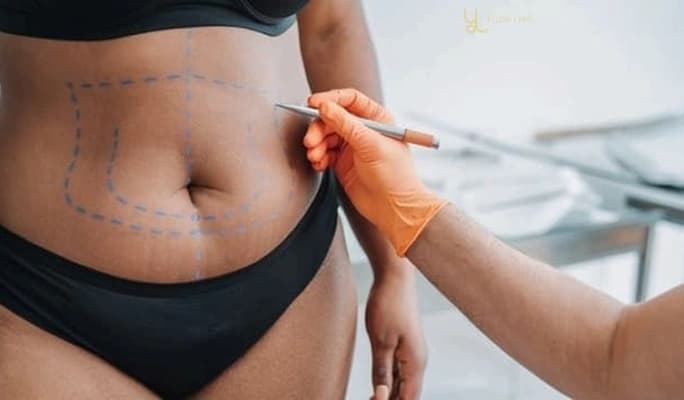
Anesthesia selection depends on what the procedure involves. Treating a single small area may call for nothing more than local anesthesia with sedation. When multiple sites are being addressed in one session, general anesthesia is necessary. Procedures typically run for 1-3 hours, occasionally longer depending on what is covered. Incisions are small and placed close to where the fat is being removed. Through them, the surgeon inserts a cannula beneath the skin. A cannula is a thin, hollow tube. The surgeon moves it through the tissue to break the fat apart. That disrupted fat is then drawn out through suction. Different patients get different techniques. In tumescent liposuction, medicated fluid is injected into the fat before any of it is removed. It loosens the tissue and keeps bleeding lower during surgery. Ultrasound-assisted liposuction breaks fat cells apart using sound waves instead. Laser-assisted liposuction uses heat. Tumescent liposuction cost is typically lower than laser options, which is a practical consideration for many patients. Technique selection sits with the surgeon and comes from clinical assessment of the patient's anatomy. Discharge happens the same day for most patients, while some stay one night. Both bruising and swelling show up. They are expected and are part of how the body responds to surgical intervention. Compression garments are applied after surgery and patients wear them for several weeks. They limit swelling and help skin conform to the new underlying shape

FREE HOTEL & FLIGHTS

100% OFF ON DENTAL CHECKUP

BEST PRICE GUARANTEED
Overview
Anesthesia selection depends on what the procedure involves. Treating a single small area may call for nothing more than local anesthesia with sedation. When multiple sites are being addressed in one session, general anesthesia is necessary. Procedures typically run for 1-3 hours, occasionally longer depending on what is covered. Incisions are small and placed close to where the fat is being removed. Through them, the surgeon inserts a cannula beneath the skin. A cannula is a thin, hollow tube. The surgeon moves it through the tissue to break the fat apart. That disrupted fat is then drawn out through suction. Different patients get different techniques. In tumescent liposuction, medicated fluid is injected into the fat before any of it is removed. It loosens the tissue and keeps bleeding lower during surgery. Ultrasound-assisted liposuction breaks fat cells apart using sound waves instead. Laser-assisted liposuction uses heat. Tumescent liposuction cost is typically lower than laser options, which is a practical consideration for many patients. Technique selection sits with the surgeon and comes from clinical assessment of the patient's anatomy. Discharge happens the same day for most patients, while some stay one night. Both bruising and swelling show up. They are expected and are part of how the body responds to surgical intervention. Compression garments are applied after surgery and patients wear them for several weeks. They limit swelling and help skin conform to the new underlying shape
Affordable Care | Transparent Costs | Expert Guidance
Get best price with CureMeAbroad
Body Contouring
Reshape and sculpt specific areas that don't respond to diet or exercise
Targeted Fat Removal
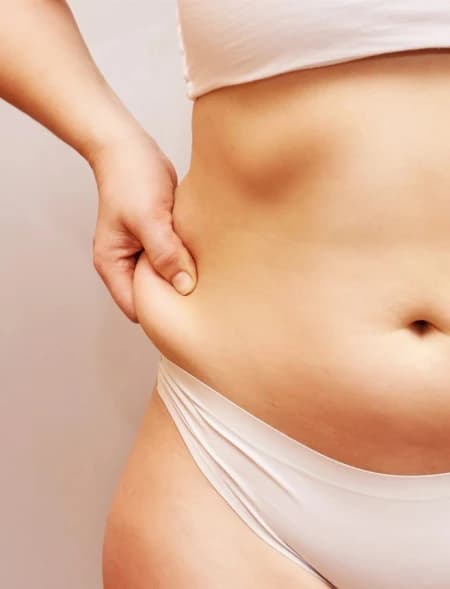
Remove localised fat from abdomen, thighs, arms, chin, or flanks
Confidence Boost
Improve body proportions and enhance self-image and overall quality of life
Things to Check for Liposuction Abroad
- Diabetes and high blood pressure are two examples of conditions that affect how the body handles surgery and anesthesia. The treating team needs to know about all of them before the procedure goes ahead. A medical history that leaves things out creates risk that didn’t need to exist.
- Nicotine narrows blood vessels, and narrower vessels mean less blood reaching the tissue that needs to heal after surgery. This is why stopping all nicotine products at least 2 weeks before the procedure date is a firm requirement. Cigarettes, patches, gum, none of them are exceptions to this rule.
- Aspirin and ibuprofen thin the blood. That increases how much bleeding occurs during surgery. The treating doctor sets out specifically when these stop and checks whether other medications the patient takes need to be adjusted as well
- After surgery, patients can’t get themselves home. They also can’t manage the first days of recovery independently. Someone reliable needs to be available to help. This has to be sorted out before the patient travels, not worked out on arrival.
- Some herbal supplements affect clotting. Others interact with the anesthetic drugs used during surgery. These are facts many patients are unaware of. Every product being taken, including things bought without a prescription, needs to go on the list the patient brings to the pre-operative consultation.
Risks And Complications of Liposuction Abroad
- Bleeding during or after surgery can cause blood to pool under the skin. That pooled blood is called a hematoma. Small ones sometimes clear on their own. Larger ones need the treating team to drain them.
- Liposuction involves cutting the skin. That creates an opening through which infection can enter. Infections following the procedure can be minor and localized, or they can become serious, presenting as cellulitis or an abscess. Medical treatment is required either way.
- Body fat removal surgery can lead to fluid collecting under the skin. This is called a seroma. It happens fairly often, and when the body doesn’t reabsorb that fluid on its own, a medical professional drains it.
- Changed sensation in the treated area after surgery is something many patients experience. Numbness and tingling are the most common. Nearby nerve tissue gets temporarily disrupted during the procedure and that is what causes it. Most patients see it resolve over time and for some it takes longer.
- Where the surgeon made incisions, scars form. Their appearance depends on the individual's skin and on which technique was used. Keloid scars can develop. Pigmentation changes in the skin around the healed incisions are also a possibility.
Do’s
- ✓Verify surgeon credentials (e.g. ISAPS, JPRAS)
- ✓Ask for before-after photos
- ✓Check language barriers
- ✓Review aftercare and follow-up options
- ✓Consider local laws on medical malpractice
Don'ts
- ✗Don't Choose a Clinic Based Only on Price
- ✗Don't Rely Solely on Social Media or Influencers
- ✗Don't Ignore Language Barriers
- ✗Don't Rush Into Surgery Without Research
- ✗Don't Assume You Can Fly Back Immediately
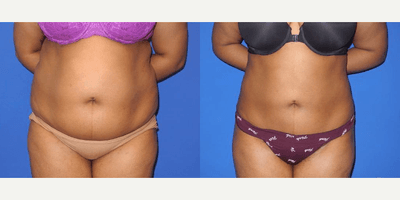
Woman treated with Liposuction
Before & After: Fat Transfer to the Booty Edition.Look at her waist! Not only is she more narrow at the waist but her abdomen is FLAT! With NO rippling! We safely placed 500cc of fat (from the abdomen) to EACH cheek.
Doctor: Shahram Salemy, MD, FACS
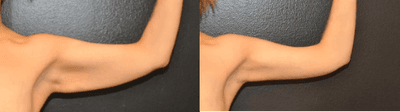
34 year old woman treated with Arm Lift, Liposuction
34 year old woman treated with Arm Lift, Liposuction
Doctor: Robert L. Steely, MD, FACS
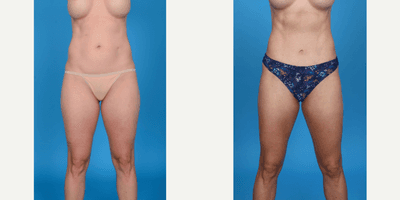
35-44 year old woman treated with Abdominal Etching, Belly Button Surgery, Diastasis Recti Repair, Drainless Tummy Tuck, Liposcu
Before and after bikini incision tummy tuck with VASER ultrasound lipo 360
Doctor: John L. Burns Jr., MD
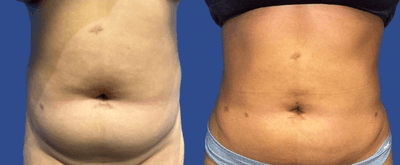
Woman treated with Liposuction
Beautiful liposuction transformation!Here we have liposuction, which is one of the most popular cosmetic procedures in the US. This procedure contours the body by removing unwanted fat and inches from the abdomen, hips, buttocks, thighs, arms and chin.
Doctor: Stephen T. Greenberg, MD, FACS
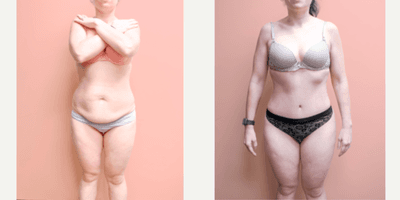
35-44 year old woman treated with Tummy Tuck, Liposuction
This patient underwent a tummy tuck to remove the excess skin of the abdomen and tighten the muscles which had been separated due to pregnancy.
Doctor: Finny George, MD
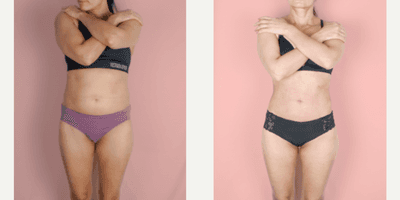
35-44 year old woman treated with Liposuction
This patient underwent a 360 liposuction to improve her contour and shape. She did not have excess skin which needed to be removed and therefore was able to achieve a good result without a very invasive procedure.
Doctor: Finny George, MD
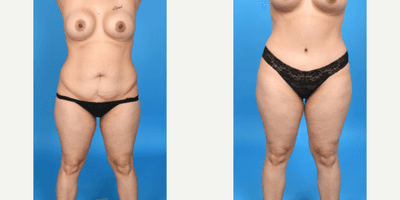
35-44 year old woman treated with Abdominal Etching, Diastasis Recti Repair, Drainless Tummy Tuck, Liposculpture, Liposuction, M
Before and after rapid recovery breast augmentation. This patient wanted more volume and a better shape. She had square breasts in an overly short nipple to breast fold distance. I used a sillicone gel SoftTouch Gummy Bear implant. I used a moderate profile implant. I lowered her breast fold to create space and round out the breasts. We did 3D breast implant imaging to choose the implant profile and volume. She chose a 345cc moderate profile implant which corrected both her size and shape.
Doctor: John L. Burns Jr., MD
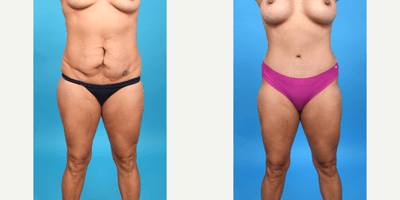
25-34 year old woman treated with Abdominal Etching, Diastasis Recti Repair, Drainless Tummy Tuck, Liposuction, Mini Tummy Tuck,
Before and after corset tummy tuck: This patient had a scarred abdomen from previous abdominal surgery. She had changes consistent with multiple pregnancies: rectangular waist, loose muscle, and lower abdominal skin excess and fat. I did a corset tummy tuck. The removal of lower abdominal skin and fat removed the unsightly scar on her abdomen. I used VASER ultrasound liposuction to sculpt her waist and give her an hourglass shape. I did a 3 vector corset abdominoplasty to flatten her abdomen and further cinch her waist.
Doctor: John L. Burns Jr., MD
Under Cosmetic/Plastic Surgery
Loading...
CureMeAbroadIs Absolutely Free
Just discovery so you can choose what's right for you!


World's No. 1 Medical Discovery Platform
Liposuction
This procedure involves specific medical techniques tailored to address particular health conditions. Your doctor will explain the detailed process based on your case.
Liposuction
Eligibility depends on your medical history, current condition, and treatment goals. A consultation and evaluation will determine if you are a suitable candidate.
Liposuction
Preparation may include lab tests, imaging, medication adjustments, fasting, or lifestyle recommendations. Your healthcare provider will give you personalized instructions.
What does this procedure involve?
Liposuction
This procedure involves specific medical techniques tailored to address particular health conditions. Your doctor will explain the detailed process based on your case.