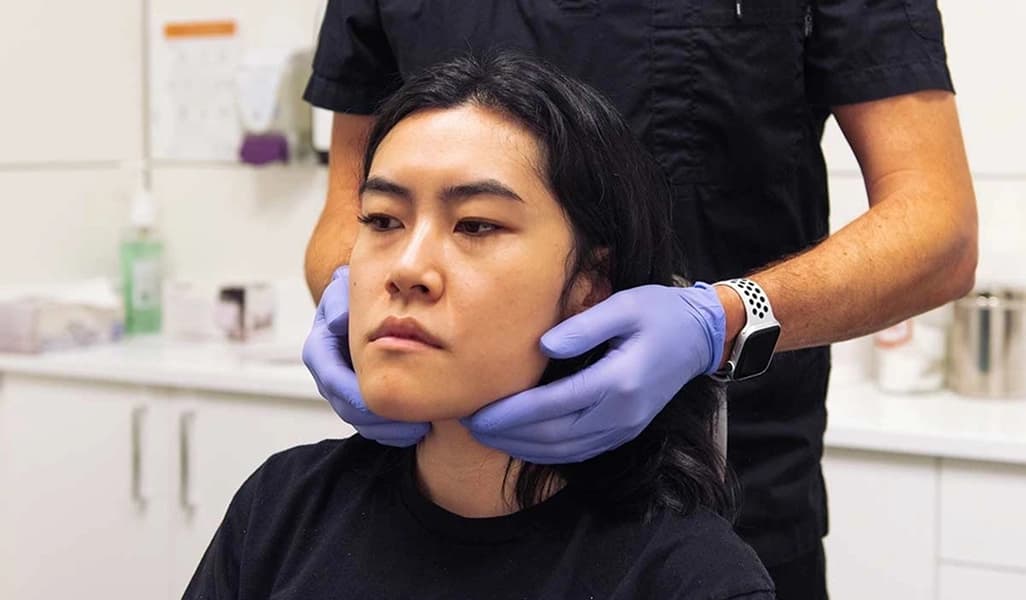
Jaw Surgery (Orthognathic Surgery)
Teeth can be shifted with orthodontic appliances. The bones that hold them can’t. When jawbone position is producing bite dysfunction, chronic pain, or restricted breathing, treating the teeth doesn’t treat the problem. Orthognathic surgery changes the position of the bones themselves. An oral and maxillofacial surgeon performs the operation. An orthodontist handles tooth alignment separately, doing preparatory work in the months before surgery and continuing through the recovery phase. For patients considering jaw surgery abroad, the surgical approach, which includes which jaw is moved and by how much, is built from clinical examination and imaging results for each individual patient. The plan differs from one case to the next. The path to surgery comes after other options have been exhausted. Bite dysfunction that hasn’t cleared, jaw pain that conservative treatment hasn’t resolved, and structural jaw problems that haven’t improved with other management are what clinically justify the referral. Patients researching corrective jaw surgery will find that CureMeAbroad lists verified surgeons and accredited hospitals performing this procedure internationally, with facility details and costs available to view.

FREE HOTEL & FLIGHTS

100% OFF ON DENTAL CHECKUP

BEST PRICE GUARANTEED
Overview
Teeth can be shifted with orthodontic appliances. The bones that hold them can’t. When jawbone position is producing bite dysfunction, chronic pain, or restricted breathing, treating the teeth doesn’t treat the problem. Orthognathic surgery changes the position of the bones themselves. An oral and maxillofacial surgeon performs the operation. An orthodontist handles tooth alignment separately, doing preparatory work in the months before surgery and continuing through the recovery phase. For patients considering jaw surgery abroad, the surgical approach, which includes which jaw is moved and by how much, is built from clinical examination and imaging results for each individual patient. The plan differs from one case to the next. The path to surgery comes after other options have been exhausted. Bite dysfunction that hasn’t cleared, jaw pain that conservative treatment hasn’t resolved, and structural jaw problems that haven’t improved with other management are what clinically justify the referral. Patients researching corrective jaw surgery will find that CureMeAbroad lists verified surgeons and accredited hospitals performing this procedure internationally, with facility details and costs available to view.
Affordable Care | Transparent Costs | Expert Guidance
Get best price with CureMeAbroad
Things to Check for Jaw Surgery (Orthognathic Surgery) Abroad
- The surgeon must hold qualifications specifically in oral and maxillofacial surgery. General dentistry and cosmetic surgery backgrounds don’t cover what this procedure requires.
- A hospital accredited by an external body like JCI has been assessed by independent reviewers, not just by itself. This check matters when researching jaw surgery abroad.
- Ask how many orthognathic procedures that specific team does each year. General hospital surgical figures aren’t the same thing.
- Patients still midway through pre-surgical orthodontic work need to know whether it can continue at the destination or must be completed before traveling.
- A package quote is just a number. Ask for a written breakdown of surgeon fees, anesthesia, hospital stay, and follow-up costs separately. Orthognathic surgery cost varies widely, and knowing exactly what is included matters
Risks And Complications of Jaw Surgery (Orthognathic Surgery) Abroad
- Nerves that carry sensation to the lower lip, chin, and cheek pass through the jawbone in close proximity to the surgical incisions. Numbness in these areas is frequently reported after surgery. Some patients recover sensation, while others don’t.
- Infection at the jaw surgical site after this type of operation is a documented complication. It arises more commonly when wound care and hygiene instructions aren’t followed carefully during recovery.
- Surgically repositioned bone can shift back during healing. The shift is called "relapse." How far the bone moves back varies between patients. Some require additional clinical management as a result.
- Post-operative bleeding that continues beyond expected levels may require a return to the hospital. Some situations need active intervention rather than observation.
- Swelling after jaw surgery takes weeks to reduce and longer still to fully resolve. This is something patients traveling for overbite correction abroad often underestimate.
Do’s
- ✓Verify surgeon credentials (e.g. ISAPS, JPRAS)
- ✓Ask for before-after photos
- ✓Check language barriers
- ✓Review aftercare and follow-up options
- ✓Consider local laws on medical malpractice
Don'ts
- ✗Don't Choose a Clinic Based Only on Price
- ✗Don't Rely Solely on Social Media or Influencers
- ✗Don't Ignore Language Barriers
- ✗Don't Rush Into Surgery Without Research
- ✗Don't Assume You Can Fly Back Immediately
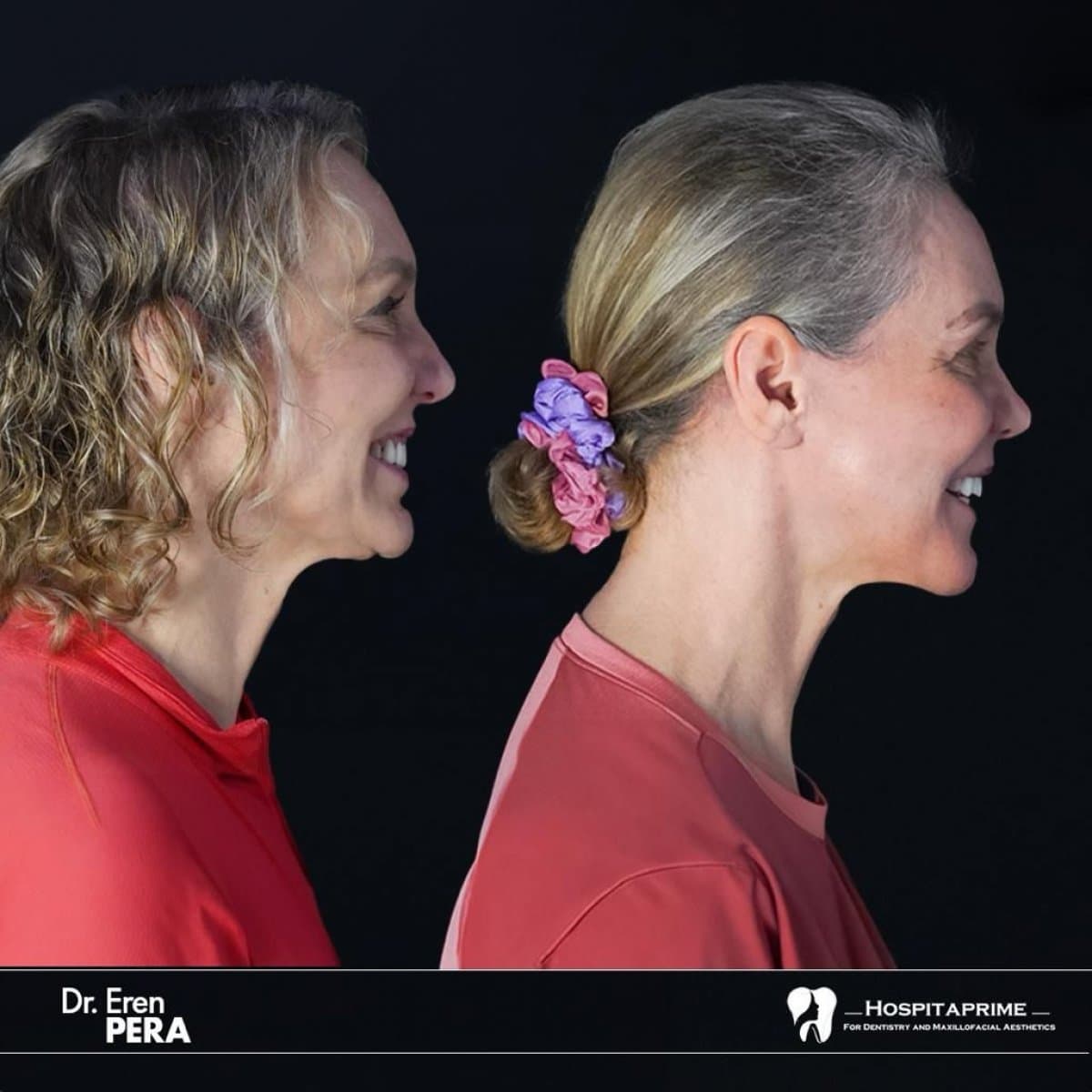
mandibular osteotomy
Doctor: Eren Pera

mandibular osteotomy
Doctor: Eren Pera
Under Cosmetic/Plastic Surgery
Loading...
CureMeAbroadIs Absolutely Free
Just discovery so you can choose what's right for you!


World's No. 1 Medical Discovery Platform
Jaw Surgery (Orthognathic Surgery)
This procedure involves specific medical techniques tailored to address particular health conditions. Your doctor will explain the detailed process based on your case.
Jaw Surgery (Orthognathic Surgery)
Eligibility depends on your medical history, current condition, and treatment goals. A consultation and evaluation will determine if you are a suitable candidate.
Jaw Surgery (Orthognathic Surgery)
Preparation may include lab tests, imaging, medication adjustments, fasting, or lifestyle recommendations. Your healthcare provider will give you personalized instructions.
What does this procedure involve?
Jaw Surgery (Orthognathic Surgery)
This procedure involves specific medical techniques tailored to address particular health conditions. Your doctor will explain the detailed process based on your case.