
Fat Grafting / Fat Transfer
When volume is lost in the face or body fat grafting may become a suitable treatment option. The procedure uses your own body fat to restore natural-looking volume in the treated area. Many people choose fat grafting as it uses their own body fat without artificial fillers or implants. Fat grafting also called Fat Transfer or lipofilling restores volume by transferring your own body fat to the treated area. During the procedure fat is usually taken from the abdomen, thighs or hips before it is placed where additional volume is needed. Before surgery your overall health, donor fat and treatment goals are carefully assessed. Then the surgeon prepares a treatment plan according to the area being treated and the amount of fat required. In some cases facial rejuvenation, breast enhancement or body contouring can be performed using the same technique. During the procedure the collected fat is carefully cleaned before it is injected into the selected area through small injections. The procedure usually takes around 1 to 4 hours depending on the number of treatment areas. Most people return home on the same day after surgery. Some of the transferred fat is naturally absorbed by the body while the remaining fat becomes a long-lasting part of the treated area. Keeping your weight stable after treatment may help maintain the final results. On CureMeAbroad people can compare fat grafting abroad options, find hospitals and review fat transfer surgery cost information according to their treatment requirements.
Overview
When volume is lost in the face or body fat grafting may become a suitable treatment option. The procedure uses your own body fat to restore natural-looking volume in the treated area. Many people choose fat grafting as it uses their own body fat without artificial fillers or implants. Fat grafting also called Fat Transfer or lipofilling restores volume by transferring your own body fat to the treated area. During the procedure fat is usually taken from the abdomen, thighs or hips before it is placed where additional volume is needed. Before surgery your overall health, donor fat and treatment goals are carefully assessed. Then the surgeon prepares a treatment plan according to the area being treated and the amount of fat required. In some cases facial rejuvenation, breast enhancement or body contouring can be performed using the same technique. During the procedure the collected fat is carefully cleaned before it is injected into the selected area through small injections. The procedure usually takes around 1 to 4 hours depending on the number of treatment areas. Most people return home on the same day after surgery. Some of the transferred fat is naturally absorbed by the body while the remaining fat becomes a long-lasting part of the treated area. Keeping your weight stable after treatment may help maintain the final results. On CureMeAbroad people can compare fat grafting abroad options, find hospitals and review fat transfer surgery cost information according to their treatment requirements.
Procedure Time
Fat grafting usually takes around 1 to 4 hours depending on the number of treatment areas.
Hospital Stay
Most people return home on the same day after the procedure.
Early Recovery
Swelling and bruising usually improve within 1 to 2 weeks after treatment.
Final Results
The transferred fat gradually settles and the final outcome usually becomes clearer within 3 to 6 months.
Long-Term Results
Some transferred fat is naturally absorbed while the remaining fat can provide long-lasting results.
Best Candidates
Healthy adults with enough donor fat, stable weight and realistic expectations are generally suitable candidates.
US Average Cost
The average fat transfer surgery cost in the US usually ranges from $3,000 to $10,000 depending on the treatment area, the amount of fat transferred and whether liposuction or multiple treatment areas are included.
Cost Abroad
Fat grafting abroad may cost around 30% to 60% less than the US depending on the country, clinic and treatment plan.
Affordable Care | Transparent Costs | Expert Guidance
Get best price with CureMeAbroad
Things to Check for Fat Grafting / Fat Transfer Abroad
- People who have enough donor fat along with good overall health are generally suitable for this treatment. Your surgeon should confirm whether fat grafting is the right option for you.
- Before treatment, discuss which body area will provide the donor fat along with where the transferred fat will be placed for natural-looking results.
- Before treatment understand how the fat will be collected, processed and transferred along with whether one or multiple areas will be treated.
- Ask how long the procedure will take and how much recovery time you may need before returning to your normal routine.
- Request a detailed fat transfer surgery cost estimate and confirm whether the quote includes liposuction, anesthesia, follow-up visits and other treatment charges.
- If you are considering fat grafting abroad, ask what is included in the treatment package along with travel guidance and follow-up care after surgery.
- Choose a surgeon who performs fat grafting procedures regularly and ask to see results from patients with similar treatment goals.
- Looking at previous patient results can help you understand the expected improvement and whether the outcome matches your expectations.
Risks And Complications of Fat Grafting / Fat Transfer Abroad
- Some of the transferred fat may not survive after surgery which can reduce the final volume and may require another treatment.
- Small lumps or firm areas can develop if the transferred fat settles unevenly in the treated area.
- Infection may occur around the donor or treated area with redness, swelling and delayed healing if not treated early.
- Swelling and bruising are common after surgery and usually improve during the first few weeks of recovery.
- Mild differences in shape or volume may occur if the transferred fat is absorbed unevenly by the body
- The area where fat is removed may remain sore or bruised for a short period after the procedure.
- In some cases the treated area may not achieve the expected volume and an additional fat transfer session may be recommended.
- Although uncommon bleeding or fluid collection may develop after surgery and could require additional treatment.
Do’s
- ✓Verify surgeon credentials (e.g. ISAPS, JPRAS)
- ✓Ask for before-after photos
- ✓Check language barriers
- ✓Review aftercare and follow-up options
- ✓Consider local laws on medical malpractice
Don'ts
- ✗Don't Choose a Clinic Based Only on Price
- ✗Don't Rely Solely on Social Media or Influencers
- ✗Don't Ignore Language Barriers
- ✗Don't Rush Into Surgery Without Research
- ✗Don't Assume You Can Fly Back Immediately

Facial Fat Transfer
Doctor: Jag Chana, MD, FRCS(Plast)
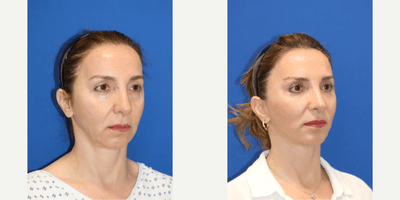
Facial Fat Transfer
Doctor: Amir M. Karam, MD

Facial Fat Transfer
Doctor: Charles K. Lee, MD, FACS

Facial Fat Transfer
Doctor: Mark G. Albert, MD, FACS

Facial Fat Transfer
Doctor: Ritu Chopra, MD

breast augmentation with fat transfer
Doctor: Dr. Im Young Min

jaw shaping
Doctor: Dr. Im Young Min

facial fat transfer
Doctor: Dr. Im Young Min
Under Cosmetic/Plastic Surgery
Loading...
CureMeAbroadIs Absolutely Free
Just discovery so you can choose what's right for you!


World's No. 1 Medical Discovery Platform
Fat Grafting / Fat Transfer
This procedure involves specific medical techniques tailored to address particular health conditions. Your doctor will explain the detailed process based on your case.
Fat Grafting / Fat Transfer
Eligibility depends on your medical history, current condition, and treatment goals. A consultation and evaluation will determine if you are a suitable candidate.
Fat Grafting / Fat Transfer
Preparation may include lab tests, imaging, medication adjustments, fasting, or lifestyle recommendations. Your healthcare provider will give you personalized instructions.
What does this procedure involve?
Fat Grafting / Fat Transfer
This procedure involves specific medical techniques tailored to address particular health conditions. Your doctor will explain the detailed process based on your case.