
Eyelid Surgery Abroad: Blepharoplasty for a Refreshed, Youthful Look
Aging does recognizable things to the eyelid area. The skin of the upper lid folds over and sits on top of the lash line. Fat that was behind the eye wall finds its way through and shows up as puffiness. The muscular support the eyelid relies on to hold its position weakens. The result of all that is heavy lids on top, bags under the lower lids, and in some patients a visual field that has narrowed noticeably. Blepharoplasty is the surgical answer to each of those findings. The upper lid part of the procedure takes away the skin that has come down over the lid margin. The lower lid part removes the fat and the redundant skin, creating the bags. Which of these two areas is included in the operation comes down to what the surgeon sees when they assess the patient's anatomy. A combination of high fees and extended waiting times at home leads a meaningful share of patients toward blepharoplasty abroad. Medical travel destinations with an established record in this area offer earlier access to the procedure, lower pricing, and surgical results that hold their own against what Western systems deliver. CureMeAbroad puts clinic profiles, independently verified reviews, and surgeon credentials within reach of patients before any decisions get made.
Overview
Aging does recognizable things to the eyelid area. The skin of the upper lid folds over and sits on top of the lash line. Fat that was behind the eye wall finds its way through and shows up as puffiness. The muscular support the eyelid relies on to hold its position weakens. The result of all that is heavy lids on top, bags under the lower lids, and in some patients a visual field that has narrowed noticeably. Blepharoplasty is the surgical answer to each of those findings. The upper lid part of the procedure takes away the skin that has come down over the lid margin. The lower lid part removes the fat and the redundant skin, creating the bags. Which of these two areas is included in the operation comes down to what the surgeon sees when they assess the patient's anatomy. A combination of high fees and extended waiting times at home leads a meaningful share of patients toward blepharoplasty abroad. Medical travel destinations with an established record in this area offer earlier access to the procedure, lower pricing, and surgical results that hold their own against what Western systems deliver. CureMeAbroad puts clinic profiles, independently verified reviews, and surgeon credentials within reach of patients before any decisions get made.

Procedure Time
The upper lids alone take 45-60 minutes. Bringing the lower lids into the same session adds to that and puts the total somewhere between one and a half and two hours. Local anesthesia with sedation is how the procedure runs for most patient

Recovery Timeline
Swelling after surgery hits its peak on days 3 and 4. From that point it works its way down without needing anything done to it. Most patients hit the point where being out in public feels comfortable again between day 10 and day 14. The marks from the incisions take 2-3 months to fade out.

Expected Results
The eyelids sit where they are supposed to after surgery. The area carries less weight. The eyes look open and less tired. When the procedure has been done well, the change reads as natural rather than surgical.

Ideal Candidates
Adults with upper lid skin sitting on the lash line, under-eye bags that haven’t shifted on their own, or eyelid tissue that has been eating into the sight line are who this procedure is for. Being in good general health and having no active disease in the eyes are requirements that need to be met before surgery gets scheduled.
Affordable Care | Transparent Costs | Expert Guidance
Get best price with CureMeAbroad
Procedure Time
Things to Check for Eyelid Surgery Abroad
- Past reactions to anesthetic compounds, prescribed medications, or preparations put on the skin in surgical settings have to be passed to the clinical team before the procedure date gets confirmed. That background directly informs how the anesthetic is built and what gets applied to the skin when the patient is being prepared for surgery.
- A pre-operative eye examination is a routine clinical step before this procedure moves forward. It brings up conditions like dry eye disease, raised pressure inside the eye, and retinal pathology that need to be factored into how surgery is planned before any of the other steps begin.
- The clinical team working on the procedure needs the patient's complete medical history before planning gets underway. Previous work done on or near the eye, conditions the patient is living with and managing, and health issues elsewhere in the body each play a role in how the surgery is run and how aftercare is organized for that particular patient.
- The pre-operative instructions that come from the surgical team are grounded in clinical necessity. They identify which medications need to stop, set out the fasting requirement, and flag what can’t go near the eyes before the procedure. Not following them introduces risks that had no reason to be there.
- Patients managing diabetes need blood glucose confirmed as sitting in a stable and acceptable range before a surgical date is set. Entering surgery with blood sugar out of normal control raises the odds of infection and gets in the way of the tissue repair the body needs to carry out post-operatively.
Risks And Complications of Eyelid Surgery Abroad
- Infection at the incision site is a risk that applies whenever a surgical procedure cuts through skin. Every patient having this operation receives prescribed antibiotic cover and a wound care protocol as a standard part of what they take away after surgery.
- A visible difference between the two eyelids can appear after surgery. That difference comes more often from how each side heals independently than from anything that took place during the operation. Cases of mild post-operative asymmetry frequently improve by themselves as the swelling from surgery resolves over the following weeks.
- Some patients report dry eye and a reduction in how much natural tear fluid the eye produces after blepharoplasty. For most of those patients the symptoms settle without any treatment being needed. A smaller number find they need lubricating drops regularly for a period that stretches past the normal recovery timeframe.
- Bruising, redness, and swelling in the eyelid area show up in the days right after surgery. These are what the body produces naturally in response to a surgical wound and they don’t point to anything going wrong. Most patients see them clear within 2 weeks.
- There are situations where a revision procedure becomes the right clinical recommendation because the first operation didn’t achieve what was intended. Incomplete tissue removal, asymmetry that doesn’t settle with time, and unusual healing patterns are among the reasons a second operation may be proposed.
Do’s
- ✓Verify surgeon credentials (e.g. ISAPS, JPRAS)
- ✓Ask for before-after photos
- ✓Check language barriers
- ✓Review aftercare and follow-up options
- ✓Consider local laws on medical malpractice
Don'ts
- ✗Don't Choose a Clinic Based Only on Price
- ✗Don't Rely Solely on Social Media or Influencers
- ✗Don't Ignore Language Barriers
- ✗Don't Rush Into Surgery Without Research
- ✗Don't Assume You Can Fly Back Immediately

Eyelid Surgery — Transformative Results

Eyelid Surgery — Transformative Results

Eyelid Surgery — Transformative Results

Eyelid Surgery — Transformative Results

Eyelid Surgery — Transformative Results

Eyelid Surgery — Transformative Results

Eyelid Surgery
Doctor: Guy Massry, MD
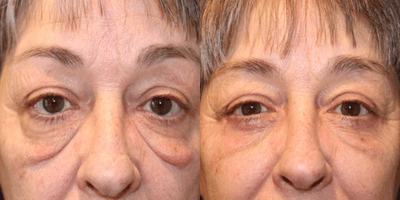
Eyelid Surgery
Doctor: Algie LaBrasca, DO
Under Cosmetic/Plastic Surgery
Loading...
CureMeAbroadIs Absolutely Free
Just discovery so you can choose what's right for you!


World's No. 1 Medical Discovery Platform
Eyelid Surgery
This procedure involves specific medical techniques tailored to address particular health conditions. Your doctor will explain the detailed process based on your case.
Eyelid Surgery
Eligibility depends on your medical history, current condition, and treatment goals. A consultation and evaluation will determine if you are a suitable candidate.
Eyelid Surgery
Preparation may include lab tests, imaging, medication adjustments, fasting, or lifestyle recommendations. Your healthcare provider will give you personalized instructions.
What does this procedure involve?
Eyelid Surgery
This procedure involves specific medical techniques tailored to address particular health conditions. Your doctor will explain the detailed process based on your case.