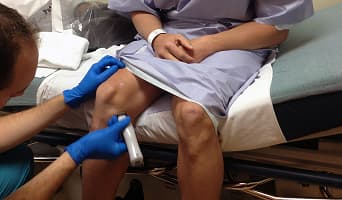
Calf Implants
Calf implant surgery is carried out to correct lower legs that are underdeveloped, thin, or uneven in shape. Solid silicone inserts are placed within the calf muscle to add volume where natural development hasn’t occurred. Most patients considering this procedure have spent time trying to build the muscle through exercise, but genetic makeup, a previous injury, or a medical condition has prevented adequate growth. The result is produced by the implant, not by changes to body fat or fitness level. Many patients now travel to have calf implants abroad, where surgeons with specific experience in this procedure work within accredited facilities at costs that differ from those in their home country. The calf implant surgery generally lasts 1-2 hours and takes place under general or spinal anesthesia. The surgeon makes a short cut behind the knee or along the calf to reach the muscle compartment and position the implant inside it. This is the approach followed in most leg implants surgery abroad. Measurements of the leg are recorded before the operation and implant size is selected to fit the patient's frame and stated goals. Swelling and some restriction of movement are expected in the first 1-2 weeks. By the 4th week, most patients can walk without support. Once recovery is complete, the leg shape stays the same regardless of changes to weight or activity, as the implant isn’t living tissue and doesn’t adapt the way muscle does. The calf augmentation cost and calf muscle implant cost are shaped by the country where surgery takes place, the facility, and the surgeon. CureMeAbroad lists verified hospitals and surgeons offering calf implants abroad, making it easier to compare credentials and costs before choosing a provider.
Overview
Calf implant surgery is carried out to correct lower legs that are underdeveloped, thin, or uneven in shape. Solid silicone inserts are placed within the calf muscle to add volume where natural development hasn’t occurred. Most patients considering this procedure have spent time trying to build the muscle through exercise, but genetic makeup, a previous injury, or a medical condition has prevented adequate growth. The result is produced by the implant, not by changes to body fat or fitness level. Many patients now travel to have calf implants abroad, where surgeons with specific experience in this procedure work within accredited facilities at costs that differ from those in their home country. The calf implant surgery generally lasts 1-2 hours and takes place under general or spinal anesthesia. The surgeon makes a short cut behind the knee or along the calf to reach the muscle compartment and position the implant inside it. This is the approach followed in most leg implants surgery abroad. Measurements of the leg are recorded before the operation and implant size is selected to fit the patient's frame and stated goals. Swelling and some restriction of movement are expected in the first 1-2 weeks. By the 4th week, most patients can walk without support. Once recovery is complete, the leg shape stays the same regardless of changes to weight or activity, as the implant isn’t living tissue and doesn’t adapt the way muscle does. The calf augmentation cost and calf muscle implant cost are shaped by the country where surgery takes place, the facility, and the surgeon. CureMeAbroad lists verified hospitals and surgeons offering calf implants abroad, making it easier to compare credentials and costs before choosing a provider.
Procedure Scope
Calf implants are an option for people who feel their lower legs look underdeveloped or uneven regardless of how much they train. Silicone implants are placed within the calf muscle to add structure and shape that diet and exercise simply can't deliver on their own.
Recovery Timeline
Some tightness and swelling in the first couple of weeks is completely normal and expected. Most people find they can walk without much discomfort around the 3-4 week mark, with the legs continuing to settle into their final shape over the weeks that follow.
Expected Results
Once healed, the calves appear fuller and more proportionate, and the results hold up well over time. Since the implant itself doesn't change, things like weight fluctuation don't really have any impact on how the legs look afterward.
Ideal Candidates
This procedure tends to suit adults who have naturally slim or asymmetrical calves and haven't been able to get the shape they want through working out. Good overall health and a grounded understanding of what the surgery involves, including the recovery side of things, are both important going in.
Affordable Care | Transparent Costs | Expert Guidance
Get best price with CureMeAbroad
Things to Check for Calf Implants Abroad
- The surgeon must hold board certification in plastic surgery and have direct, documented experience with calf implants rather than cosmetic procedures in general.
- Facility accreditation from a body such as JCI or a recognized national authority is expected when choosing a provider for calf implant surgery overseas.
- The implant brand, its material composition, and its approval under FDA or CE frameworks should be confirmed in writing prior to scheduling the procedure.
- Request a full itemised quote for the calf augmentation cost, covering the surgical fee, anesthesia, hospital stay, post-operative visits, and revision surgery if needed.
- Confirm the minimum required stay before flying with the facility prior to booking travel, especially when leg implants surgery abroad is being arranged around other plans.
- It should be confirmed whether compression garments and post-operative care items are covered within the quoted price or invoiced separately.
- Before surgery proceeds, a clear protocol for addressing complications once the patient has returned home should be agreed upon with the clinical team.
- Photographs of outcomes from previous calf implants abroad patients at that facility should be reviewed rather than depending on general ratings or testimonials.
Risks And Complications of Calf Implants Abroad
- The implant may shift out of the position in which it was placed within the muscle compartment.
- Infection at the incision site is typically treated with antibiotics. Where the infection doesn’t respond or becomes serious, removal of the implant may be required.
- Differences in swelling or tissue healing between the two legs can result in an uneven appearance that persists beyond the initial recovery period.
- Capsular contracture develops when the body forms fibrous tissue around the implant that tightens progressively and distorts the shape of the calf.
- Reduced sensation or nerve sensitivity near the incision is common during the first weeks after surgery and typically resolves without intervention.
- resolves without intervention. Over time, wear or structural damage to the implant may require replacement surgery, which adds to the long-term calf muscle implant cost.
- A blood clot risk is associated with general anesthesia and is further raised by long-haul air travel taken shortly after having calf implants abroad.
- Early return home before adequate healing limits access to the treating team and complicates follow-up care for calf implants abroad patients.
Do’s
- ✓Verify surgeon credentials (e.g. ISAPS, JPRAS)
- ✓Ask for before-after photos
- ✓Check language barriers
- ✓Review aftercare and follow-up options
- ✓Consider local laws on medical malpractice
Don'ts
- ✗Don't Choose a Clinic Based Only on Price
- ✗Don't Rely Solely on Social Media or Influencers
- ✗Don't Ignore Language Barriers
- ✗Don't Rush Into Surgery Without Research
- ✗Don't Assume You Can Fly Back Immediately

calf implants
Doctor: Ercan Karacaoglu

calf implants
Doctor: Ercan Karacaoglu

calf implants
Doctor: Kunter Erten

calf implants
Doctor: Kunter Erten

calf implants
Doctor: Kunter Erten

calf implants
Doctor: Kunter Erten

calf implants
Doctor: Kunter Erten

calf implants
Doctor: Salvador Garcia
Under Cosmetic/Plastic Surgery
Loading...
CureMeAbroadIs Absolutely Free
Just discovery so you can choose what's right for you!


World's No. 1 Medical Discovery Platform
Calf Implants
This procedure involves specific medical techniques tailored to address particular health conditions. Your doctor will explain the detailed process based on your case.
Calf Implants
Eligibility depends on your medical history, current condition, and treatment goals. A consultation and evaluation will determine if you are a suitable candidate.
Calf Implants
Preparation may include lab tests, imaging, medication adjustments, fasting, or lifestyle recommendations. Your healthcare provider will give you personalized instructions.
What does this procedure involve?
Calf Implants
This procedure involves specific medical techniques tailored to address particular health conditions. Your doctor will explain the detailed process based on your case.