Targeted Cancer Therapy
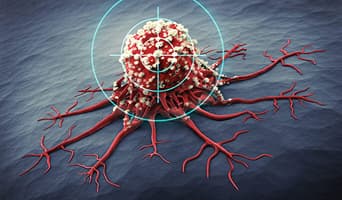
Cancer cells rely on specific molecular signals to divide and spread. Targeted cancer therapy works by blocking those signals at the source. It doesn’t act on all dividing cells the way chemotherapy does, which means healthy tissue is largely spared. For patients exploring treatment internationally, cost is often considered alongside clinical suitability and access to specific therapies. The treatment is now a standard part of oncology care in hospitals across the world. No two tumors are molecularly identical. Targeted cancer therapy takes that into account. It locates the specific genes, proteins, or cellular pathways a tumor depends on, then acts on those directly rather than treating the body as a whole. Tumor testing comes before anything else. A sample is analyzed to identify which molecular targets are driving the cancer. The drug selection follows from those results. This is a fundamental difference from chemotherapy, which works on rapidly dividing cells without regard for their molecular characteristics. Breast, lung, colorectal, and blood cancers are among those where this treatment is regularly applied. In some cases it is the sole treatment. In others, the oncologist adds it to a plan that includes chemotherapy, radiation, or immunotherapy, based on cancer type, stage, and the patient's condition at the time. Drugs are taken orally or given through intravenous infusion. A medical oncologist oversees the process from the first appointment onward. Patients who want to look at hospital options in other countries can use CureMeAbroad to search and compare accredited facilities.
Overview
Cancer cells rely on specific molecular signals to divide and spread. Targeted cancer therapy works by blocking those signals at the source. It doesn’t act on all dividing cells the way chemotherapy does, which means healthy tissue is largely spared. For patients exploring treatment internationally, cost is often considered alongside clinical suitability and access to specific therapies. The treatment is now a standard part of oncology care in hospitals across the world. No two tumors are molecularly identical. Targeted cancer therapy takes that into account. It locates the specific genes, proteins, or cellular pathways a tumor depends on, then acts on those directly rather than treating the body as a whole. Tumor testing comes before anything else. A sample is analyzed to identify which molecular targets are driving the cancer. The drug selection follows from those results. This is a fundamental difference from chemotherapy, which works on rapidly dividing cells without regard for their molecular characteristics. Breast, lung, colorectal, and blood cancers are among those where this treatment is regularly applied. In some cases it is the sole treatment. In others, the oncologist adds it to a plan that includes chemotherapy, radiation, or immunotherapy, based on cancer type, stage, and the patient's condition at the time. Drugs are taken orally or given through intravenous infusion. A medical oncologist oversees the process from the first appointment onward. Patients who want to look at hospital options in other countries can use CureMeAbroad to search and compare accredited facilities.
Treatment Approach
Targeted therapy only comes into play once testing shows the tumor actually has the right molecular marker. That's the whole reason biomarker testing happens before treatment starts; the results are what determine the drug choice.
Travel Considerations
Not every hospital stocks the same targeted drugs or runs the same genetic testing. Before traveling, it's worth checking that both the medication and the molecular testing needed are actually available at that specific center.
Recovery Timeline
This kind of treatment doesn't wrap up quickly like surgery or chemo might; it can stretch on for months, sometimes longer. Blood tests and follow-up visits stay in the picture the entire time.
Expected Results
Response varies as some tumors stay controlled for years. Others adapt and stop responding to the drug eventually. That's why scans and blood work continue; they help doctors decide whether to stay the course or change plans.
Affordable Care | Transparent Costs | Expert Guidance
Get best price with CureMeAbroad
Things to Check for Targeted Cancer Therapy Abroad
- Ask whether the hospital treats oncology patients with targeted therapy drugs on a regular basis, not as an exception.
- Find out if biomarker and molecular profiling tests are performed at the facility itself before any treatment is initiated.
- Check the qualifications of the treating physician and whether their background includes medical or precision oncology.
- Patients considering targeted therapy for cancer abroad should find out exactly which targeted therapy drugs are stocked at the hospital, including newer agents.
- Ask if individual cases go before a multidisciplinary tumor board before the treatment plan is confirmed.
- Verify that pathology and genetic testing are handled in-house or at a certified external laboratory, as these results form the basis of any molecular targeted therapy plan.
- Ask the hospital to walk through their process for detecting and responding to adverse drug reactions.
- Before departure, get written confirmation of how follow-up care will be managed with a physician at home.
Risks And Complications of Targeted Cancer Therapy Abroad
- Skin rashes, dryness, and changes to the nails are reported by patients on a number of targeted therapy drugs.
- Fatigue affects most patients to some degree and its impact on daily function varies considerably.
- Some drugs cause liver enzyme levels to rise, which is why blood monitoring continues throughout the treatment period.
- A rise in blood pressure has been observed in patients taking drugs that work by suppressing blood vessel development.
- Loose stools and broader digestive complaints are associated with drugs that act on growth factor receptors.
- Over time, a tumor can stop responding to the drug it is being treated with, which calls for a reassessment of the treatment plan.
- Where a drug affects vascular function, the body's ability to heal wounds can be reduced.
- Less commonly, patients have experienced blood clotting problems, changes in cardiac function, and inflammation of the lungs linked to specific drugs.
- Patients undergoing targeted cancer therapy abroad should arrange follow-up care with a local physician before returning home.
Do’s
- ✓Verify surgeon credentials (e.g. ISAPS, JPRAS)
- ✓Ask for before-after photos
- ✓Check language barriers
- ✓Review aftercare and follow-up options
- ✓Consider local laws on medical malpractice
Don'ts
- ✗Don't Choose a Clinic Based Only on Price
- ✗Don't Rely Solely on Social Media or Influencers
- ✗Don't Ignore Language Barriers
- ✗Don't Rush Into Surgery Without Research
- ✗Don't Assume You Can Fly Back Immediately
Under Cancer Treatment
Loading...
CureMeAbroadIs Absolutely Free
Just discovery so you can choose what's right for you!


World's No. 1 Medical Discovery Platform
Targeted Cancer Therapy
This procedure involves specific medical techniques tailored to address particular health conditions. Your doctor will explain the detailed process based on your case.
Targeted Cancer Therapy
Eligibility depends on your medical history, current condition, and treatment goals. A consultation and evaluation will determine if you are a suitable candidate.
Targeted Cancer Therapy
Preparation may include lab tests, imaging, medication adjustments, fasting, or lifestyle recommendations. Your healthcare provider will give you personalized instructions.
What does this procedure involve?
Targeted Cancer Therapy
This procedure involves specific medical techniques tailored to address particular health conditions. Your doctor will explain the detailed process based on your case.