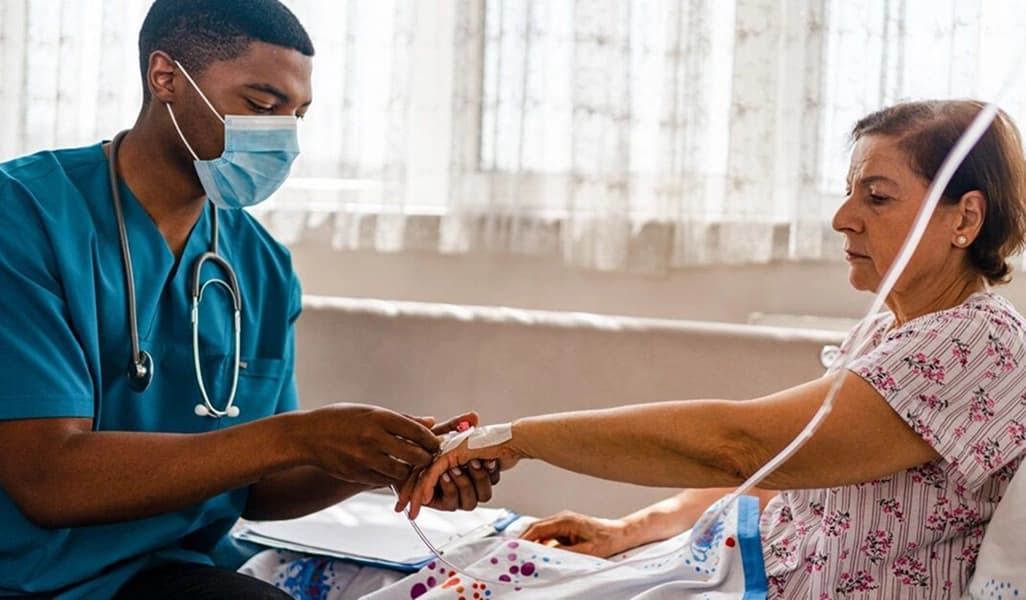
Immunotherapy Abroad
Cancer cells don’t grow unchecked because the immune system is weak. They grow because they carry proteins on their surface that tell immune cells to back off. The immune system listens and steps aside. Checkpoint inhibitor therapy gets in the way of that signal so immune cells never receive the instruction to stand down and can go after the cancer as they should. This treatment covers lung cancer, skin cancer, bladder cancer, kidney cancer, and several blood cancers. It tends to come into play when other treatments have been tried and fallen short, stopped working altogether, or were never the right match for the patient in the first place. For patients considering immunotherapy abroad, landing on the right oncology center matters as much as the treatment itself. Verified oncology centers and specialists can be searched through CureMeAbroad by anyone looking at hospital options outside their home country.
Overview
Cancer cells don’t grow unchecked because the immune system is weak. They grow because they carry proteins on their surface that tell immune cells to back off. The immune system listens and steps aside. Checkpoint inhibitor therapy gets in the way of that signal so immune cells never receive the instruction to stand down and can go after the cancer as they should. This treatment covers lung cancer, skin cancer, bladder cancer, kidney cancer, and several blood cancers. It tends to come into play when other treatments have been tried and fallen short, stopped working altogether, or were never the right match for the patient in the first place. For patients considering immunotherapy abroad, landing on the right oncology center matters as much as the treatment itself. Verified oncology centers and specialists can be searched through CureMeAbroad by anyone looking at hospital options outside their home country.
Procedure Time
Each infusion session runs between 30 and 90 minutes. The first one takes longer because the team keeps the patient under observation to catch any early reaction to the drug before continuing.
Typical Recovery Time
No rest is required after a session and normal day-to-day activity can continue. Fatigue and low-grade fever are the most commonly reported immune-related symptoms and can turn up anywhere from 2 weeks into treatment through to several months in.
What To Expect
This treatment works on a slow timeline. Scans rarely show a measurable drop in tumor size before 3-6 months of treatment have gone by. Patients should go in with that expectation clearly set from the start.
Ideal Candidate
People pursuing immunotherapy for melanoma, non-small cell lung cancer, and kidney cancer make up much of the treated population. Actual suitability comes down to whether the tumor carries a detectable marker such as PD-L1 or shows a high mutational burden when tested.
Affordable Care | Transparent Costs | Expert Guidance
Get best price with CureMeAbroad
Things to Check for Immunotherapy Abroad
- When narrowing down hospitals, start with ones that carry Joint Commission International (JCI) accreditation. This isn’t a marketing label. It means the facility has been independently assessed and found to meet clinical and safety standards that cross international borders.
- Before signing off on a treatment plan, get the exact name of the drug being proposed and look it up outside of what the hospital tells you. For patients considering PD-1 immunotherapy abroad, this step is especially important. Published clinical trial results should exist for the drug. No published data means no basis for trust.
- Ask the hospital whether biomarker testing happens before treatment is started. This test is how the clinical team confirms the drug is actually suited to the cancer being treated. A hospital that starts treatment without it is skipping a step that matters.
- Before leaving home, talk to a local oncologist and put a shared care arrangement in writing. Once back in the home country, that written plan is what keeps the monitoring of treatment on track.
Risks And Complications of Immunotherapy Abroad
- Once treatment activates the immune system, it doesn’t always stay targeted on cancer. It can turn on healthy tissue. The lungs, liver, and colon are the organs that tend to take the most damage when this happens.
- A portion of patients come out of treatment with endocrine system damage that the body isn’t able to repair. Managing the resulting hormonal imbalance requires medication that in many cases must be continued for life.
- A steep drop in blood pressure during infusion has been recorded as a severe reaction in some patients. When this happens, it is a medical emergency that needs an immediate response from the clinical team on site.
- Rash and skin peeling are both documented side effects. On rare occasions the reaction to the skin reaches a level that is clinically serious and requires urgent care.
- Side effects from this treatment aren’t always going to show up while the patient is still at the hospital. Some develop weeks or months after the patient has gone home. This is precisely why follow-up care needs to be arranged before departure.
Do’s
- ✓Verify surgeon credentials (e.g. ISAPS, JPRAS)
- ✓Ask for before-after photos
- ✓Check language barriers
- ✓Review aftercare and follow-up options
- ✓Consider local laws on medical malpractice
Don'ts
- ✗Don't Choose a Clinic Based Only on Price
- ✗Don't Rely Solely on Social Media or Influencers
- ✗Don't Ignore Language Barriers
- ✗Don't Rush Into Surgery Without Research
- ✗Don't Assume You Can Fly Back Immediately
Under Cancer Treatment
Loading...
CureMeAbroadIs Absolutely Free
Just discovery so you can choose what's right for you!


World's No. 1 Medical Discovery Platform
Immunotherapy
This procedure involves specific medical techniques tailored to address particular health conditions. Your doctor will explain the detailed process based on your case.
Immunotherapy
Eligibility depends on your medical history, current condition, and treatment goals. A consultation and evaluation will determine if you are a suitable candidate.
Immunotherapy
Preparation may include lab tests, imaging, medication adjustments, fasting, or lifestyle recommendations. Your healthcare provider will give you personalized instructions.
What does this procedure involve?
Immunotherapy
This procedure involves specific medical techniques tailored to address particular health conditions. Your doctor will explain the detailed process based on your case.