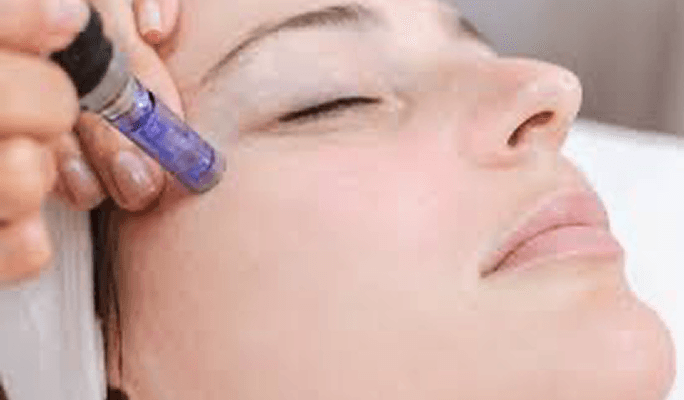
Microneedling
The clinical basis of microneedling is wound healing physiology. When the needle array contacts the skin, it produces thousands of micro-injuries across the treatment zone. These aren’t random and depth is calibrated. The injuries are controlled and reproducible. The body can’t distinguish an intentional puncture from an incidental one, so the same repair cascade activates regardless. Fibroblasts migrate to the site. Collagen and elastin synthesis increases. Over weeks, the tissue remodels. This remodelling process is what clinicians refer to as "collagen induction therapy." It underlies all the visible results associated with the procedure. Acne scarring becomes shallower as new dermal matrix fills the depressed tissue. Pore dimensions decrease as surrounding tissue tightens. Pigmentation irregularities even out as keratinocyte turnover accelerates. Rhytides reduce in depth and surface texture normalizes. Dermaroller treatment abroad applied to the scalp works through the same mechanism. Micro-injuries to the scalp stimulate growth factors and increase blood supply to dormant follicles. Patients who have completed scalp treatment courses report measurable improvement in hair density, though outcomes vary. Before the session, topical anesthetic cream is applied to the area. It sits for 20-30 minutes before the device is used. The session itself takes between 30 and 60 minutes depending on surface area. Erythema and tenderness follow and are normal. They resolve within 48 hours in most patients. Daily activities aren’t interrupted for most people.

FREE HOTEL & FLIGHTS

100% OFF ON DENTAL CHECKUP

BEST PRICE GUARANTEED
Overview
The clinical basis of microneedling is wound healing physiology. When the needle array contacts the skin, it produces thousands of micro-injuries across the treatment zone. These aren’t random and depth is calibrated. The injuries are controlled and reproducible. The body can’t distinguish an intentional puncture from an incidental one, so the same repair cascade activates regardless. Fibroblasts migrate to the site. Collagen and elastin synthesis increases. Over weeks, the tissue remodels. This remodelling process is what clinicians refer to as "collagen induction therapy." It underlies all the visible results associated with the procedure. Acne scarring becomes shallower as new dermal matrix fills the depressed tissue. Pore dimensions decrease as surrounding tissue tightens. Pigmentation irregularities even out as keratinocyte turnover accelerates. Rhytides reduce in depth and surface texture normalizes. Dermaroller treatment abroad applied to the scalp works through the same mechanism. Micro-injuries to the scalp stimulate growth factors and increase blood supply to dormant follicles. Patients who have completed scalp treatment courses report measurable improvement in hair density, though outcomes vary. Before the session, topical anesthetic cream is applied to the area. It sits for 20-30 minutes before the device is used. The session itself takes between 30 and 60 minutes depending on surface area. Erythema and tenderness follow and are normal. They resolve within 48 hours in most patients. Daily activities aren’t interrupted for most people.
Procedure Time
30-60 minutes per session. Larger or multiple areas extend the session length
Recovery Period
Erythema resolves within hours for most patients. Some experience it for up to 48 hours. Return to routine activity is generally possible the same day
Expected Results
Changes from collagen induction therapy accumulate over successive sessions. Improvement to scarring and texture is typically first observable around the third session. Single-session results are modest.
Ideal Candidates
Patients presenting with acne scarring, enlarged pores, uneven texture, or facial lines are usually appropriate candidates. Patients considering microneedling for scars abroad with concurrent skin concerns such as hyperpigmentation or surface roughness are also within the treatment scope. Active inflammatory conditions disqualify patients until resolved.
Affordable Care | Transparent Costs | Expert Guidance
Get best price with CureMeAbroad
Things to Check for Microneedling Abroad
- The consultation before treatment must include a full review of the patient's medical history. Every medication in current use should be listed and disclosed. Some medications affect healing, increase bleeding risk, or are outright contraindications. Establishing this before travel is straightforward and establishing it after arriving isn’t.
- A physical skin assessment must be conducted before each session. Not before the first session only but before each one. Skin condition can change between visits and affects both needle depth selection and whether treatment should proceed at all. Any clinic not doing this routinely isn’t operating to an acceptable standard.
- Three pieces of information should be written down before leaving for the trip. The clinic's full address and the appointment time and the treating practitioner's name. None of these should be sorted out upon arrival.
- Pre-treatment instructions regarding skincare products vary between clinics. Which agents to discontinue, and how many days prior, should be confirmed directly with the clinic in writing. Don’t assume that a standard skincare routine is compatible with the procedure.
- Before any money changes hands, a written cost schedule covering every charge must be provided. Skin needling cost and microneedling cost both vary considerably between facilities. A figure that appears competitive may exclude standard components of the treatment episode. Comparing complete quotes across clinics, not headline numbers, is how an accurate comparison is made. Separately, travel insurance terms for overseas medical treatment should be checked before departure, not after a complication.
Risks And Complications of Microneedling Abroad
- Infection is the complication of greatest clinical concern. Its occurrence is tied primarily to equipment sterilization. Clinics that sterilize correctly, document their protocols, and hold relevant accreditation carry substantially lower infection risk. This applies to standard microneedling and to dermaroller treatment abroad without distinction.
- Minor bleeding from needle sites is expected during treatment. Small bruises may develop afterward. Both are transient and require no specific management.
- Post-procedure pruritus and erythema aren’t complications. They are physiological responses to the micro-injury and the inflammatory phase of healing that the treatment depends on. Patients who interpret these as signs of a problem and seek intervention are acting on a misunderstanding of the procedure.
- Permanent scarring and post-inflammatory hyperpigmentation are documented adverse results. Both appear in the literature almost exclusively in the context of inadequate technique or undertrained practitioners. The risk associated with a qualified, experienced clinician operating sterilized equipment correctly is substantially lower.
- Topical anesthetic agents cause adverse reactions in some patients. Reactions can range from mild contact irritation to more severe systemic responses in rare cases. A complete allergy history, including all known drug sensitivities, should be provided before any product is applied.
Do’s
- ✓Verify surgeon credentials (e.g. ISAPS, JPRAS)
- ✓Ask for before-after photos
- ✓Check language barriers
- ✓Review aftercare and follow-up options
- ✓Consider local laws on medical malpractice
Don'ts
- ✗Don't Choose a Clinic Based Only on Price
- ✗Don't Rely Solely on Social Media or Influencers
- ✗Don't Ignore Language Barriers
- ✗Don't Rush Into Surgery Without Research
- ✗Don't Assume You Can Fly Back Immediately
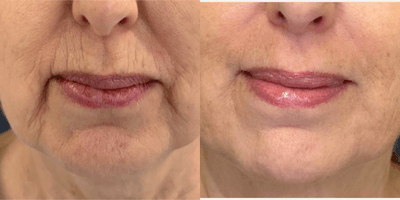
55-64 year old woman treated with Microneedling RF, Microneedling
This 59-year-old patient wanted to address volume loss and the lines around her mouth. She underwent 3 sessions of Genius RF micro needling on the perioral region. The treatments were completed one month apart for three months with a strict skincare regimen of Isdin and Alastin products. The patient is very happy with her results!
Doctor: Glenn Lyle, MD
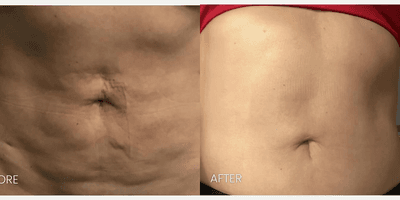
45-54 year old woman treated with Secret Pro Radiofrequency Microneedling and CO2
Before and After: Secret Pro Radiofrequency Microneedling and CO2Our 50-year-old female patient wanted to tighten her skin after Liposuction to match her amazing figure! After 2 sessions of radiofrequency microneedling to stimulate collagen production and help the skin to contract, as well as 2 sessions of CO2 laser to resurface the skin she has achieved her goals! Time for a bikini this summer!
Doctor: Svetlana M. Danovich, MD, PhD, FACS
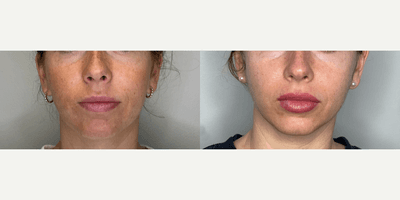
25-34 year old woman treated with Microneedling, Chemical Peel
patient was treated with microneedling and vi peel
Doctor: Falguni Patel, MD, FACOG
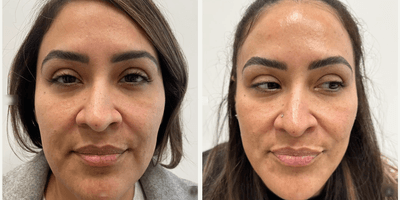
Woman treated with Microneedling, VI Peel, SkinPen
Woman treated with Microneedling, VI Peel, SkinPen
Doctor: Matthew J. Nykiel, MD
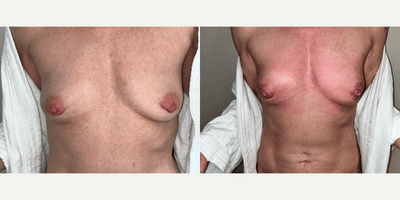
Woman treated with Microneedling, PRP Injections, for Breast Enhancement
This patient desired fuller breasts so we used PRP injections to enhance her cleavage with microneedling to remove spots and marks around the chest. Swelling and redness will go down in about 1 week post-op.
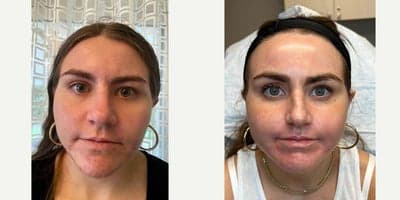
PERIORAL ACNE SCAR JOURNEY
This patient came to us after having a hormonal acne outbreak, which we helped to calm before laser treatment with skincare and peels then treated her scars that were left behind in a series of treatments. She underwent the perfect combination for her acne scars: Pixel, Halo, and the mighty CO2. Together with diligent post-treatment skin care, she was able to achieve these fantastic results. She is so much happier in her life and is receiving compliments from her friends and family almost constantly. She put in a lot of time and work in order to see this amazing improvement and she can't wait to ring in the New Year with fresh skin.
Doctor: Jason Emer, MD
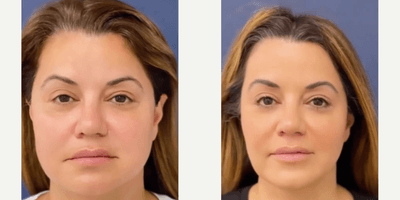
Woman treated with Microneedling, Buccal Fat Removal
New year, a refined you.Facial contouringJawline definitionDeep RF micro-needlingCustom BotoxA curated selection of lasersBuccal fat removal, in-office under local anesthesia
Doctor: Arash Moradzadeh, MD
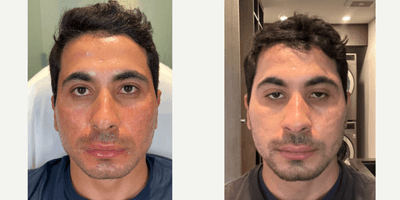
STACKED ACNE SCAR COMBO
Our patient has been struggling with some deeper acne scars. He saw improvement after his first treatment with us and is now back for a second round to get further improvement. We used the ultimate combination of filler, bellafill, Halo and CO2 lasers, micro-needling, and a strict after care regime to get his skin looking smooth and free of those acne scars at last. He was completely blown away with his results and loves how clear his skin now is.What makes HALO our patient-favorite treatment? Improve quality of the skin with minimal downtime. Improved skin tightening. Acne scarring reduction. Long term collagen production. Can be used all over the face and body including the neck, chest, arms, elbows and knees.No treatment is complete without EMER SKIN. Using our products post-treatment will enhance results to the absolute maximum. Click Link in Bio Click Emer Skin
Doctor: Jason Emer, MD
Under Anti Aging
Loading...
CureMeAbroadIs Absolutely Free
Just discovery so you can choose what's right for you!


World's No. 1 Medical Discovery Platform
Microneedling
This procedure involves specific medical techniques tailored to address particular health conditions. Your doctor will explain the detailed process based on your case.
Microneedling
Eligibility depends on your medical history, current condition, and treatment goals. A consultation and evaluation will determine if you are a suitable candidate.
Microneedling
Preparation may include lab tests, imaging, medication adjustments, fasting, or lifestyle recommendations. Your healthcare provider will give you personalized instructions.
What does this procedure involve?
Microneedling
This procedure involves specific medical techniques tailored to address particular health conditions. Your doctor will explain the detailed process based on your case.