





As we age our neck often shows the signs of aging. We may use creams and serums on our faces to prevent lines but our neck is exposed to the elements, gravity, sun damage and loss of collagen. Many people develop "turkey neck," neck bands, jowls and a poorly defined jawline, which can cause distress. These changes can make us feel older than we feel leading to a loss of confidence.
The neck lift has changed a lot over the years. Previously it meant pulling the skin tight often resulting in an artificial look. Today the best method for rejuvenation is the deep plane neck lift. This advanced surgical approach addresses the underlying structures that cause aging offering long-lasting results.
This guide will explore what a deep plane neck lift is, how it differs from methods and why it is the preferred choice for patients seeking rejuvenation.
The Anatomy of the Aging Neck
To understand why the deep plane technique is superior we must first understand why the neck ages. It is not a problem of loose skin. The aging process in the face and neck is complex involving skin elasticity, muscle dynamics, fat distribution and bone resorption.
- The Platysma Muscle: This is the muscle in the neck. When we are young the platysma muscles on both sides sit close together creating an angle where the neck meets the chin. As we age these muscles weaken, separate and become lax leading to vertical bands.
- The SMAS Layer: The Superficial Musculo-Aponeurotic System (SMAS) is a sheet of tissue and muscle that envelops the face and neck. In the neck this layer is connected to the platysma. Aging causes the SMAS to sag pulling the jowls downward and blunting the jawline.
- Submental Fat: Fat accumulation beneath the chin can be genetic or age-related.
- Skin Laxity: Loose skin is often the visible sign but it is actually the result of deeper structures sagging.
Traditional neck lifts often focused on the skin tightening it like a drumhead. However if the underlying muscular foundation (the SMAS and platysma) is not addressed the skin will simply stretch again.
What Is a Deep Plane Neck Lift?
The deep plane neck lift is a surgical technique that involves elevating and repositioning the SMAS and platysma muscle layer as a single unit, rather than tightening the skin separately. By operating in this " plane " surgeons can release the ligaments that hold the tissues in their aged position.
The deep plane neck lift restores volume to the mid-face. Defines the jawline and neck without creating tension on the skin closure.
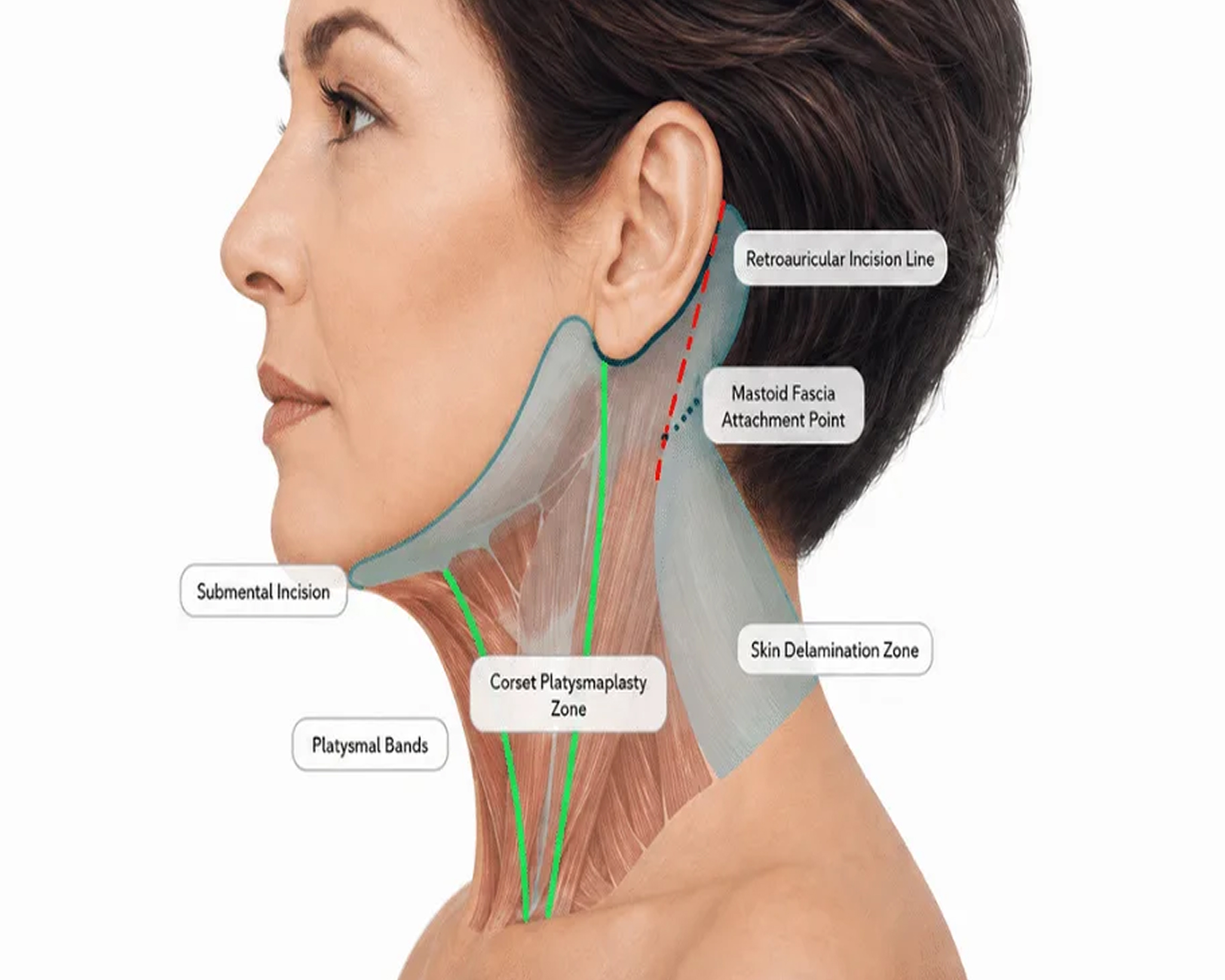
The Difference: Traditional vs. Deep Plane
To appreciate the innovation of the plane method it is helpful to contrast it with traditional techniques.
Traditional (Skin-Only or Limited SMAS) Neck Lift:
- The surgeon makes an incision around the ear and under the chin.
- They separate the skin from the underlying tissues tighten the platysma muscle and remove excess fat.
- They trim the excess skin and pull it tight to close the incision.
The Drawback: This creates a "flap" of skin that is separated from its blood supply and tension is placed on the skin closure leading to widened scars and a "pulled" look.
Deep Plane Neck Lift:
- The surgeon does not separate the skin from the SMAS immediately.
- They dissect under the SMAS layer release the retaining ligaments and lift the entire SMAS-platysma complex along with the attached fat and skin as a composite flap.
The Advantage: The tension is placed on the muscular layer deep within not on the skin allowing the skin to drape naturally over the new contours.
The Procedure: Step-by-Step
The deep plane neck lift is a procedure that requires a surgeon with extensive anatomical knowledge and surgical skill.
1. Anesthesia and Preparation:
The surgery is typically performed under anesthesia or deep intravenous sedation.
2. Incisions:
The surgeon creates incisions in concealed areas usually starting inside the hairline at the temples continuing around the ear and ending behind the ear in the hairline.
3. The Deep Dissection:
Through these incisions the surgeon identifies the SMAS layer. Enters the plane beneath the SMAS.
4. Platysma Management (The Corset):
Through the incision the surgeon addresses the vertical bands and often involves plicating the platysma muscles in the midline to create a strong "corset" that supports the neck structures.
5. Vertical. Suspension:
Once the tissues are fully released the surgeon lifts the composite flap vertically and secures it with permanent sutures.
6. Redraping and Skin Closure:
With the deep structures secured the surgeon redrapes the skin over the foundation and closes the incisions with fine sutures.
Why Choose the Deep Plane Neck Lift?
The shift toward the deep plane neck lift is driven by the outcomes it offers.
- Unrivaled Natural Results: The deep plane neck lift avoids the "look.
- Correction of the Jowls: The deep plane release allows the surgeon to specifically target the jowls.
- Longevity: A deep plane neck lift is considered a long-term solution with results lasting 10 to 15 years or more.
- Improved Neck Contour: This technique is exceptionally effective at eliminating the "turkey wattle."
- Reduced Scarring Risk: Since the skin is not under tension the incisions heal with finer lines.
Candidacy: Who Is a Good Candidate?
Ideal candidates are usually between 40 and 70 years old with laxity, in the lower face and neck prominent platysmal bands, poorly defined jawlines and jowling. It is crucial to consult with a board-certified plastic surgeon or facial plastic surgeon who specializes in deep plane techniques.
The Recovery Process
Recovery from a deep plane neck lift is often surprisingly similar to or sometimes slightly easier than lifts because there is less tension on the skin. This results in pain and tightness after surgery.
| Time Period | Recovery |
|---|---|
| First Week | Patients wear a chin strap to reduce swelling and support their new neck shape. They can expect bruising and swelling which usually peaks around day 3 or 4. Pain is usually managed with medication. |
| Weeks 2-3 | Most patients feel comfortable going back to work and social activities. Some swelling may still be present. They wear a compression garment often. |
| Weeks 4-6 | Patients should avoid exercise to prevent bleeding. Numbness in the neck and ear area is normal. Sensation usually returns over months. |
The final results of a deep plane neck lift take time. While the improvement is visible away the final result is typically apparent around 3 to 6 months after surgery. This is when the swelling goes down and the tissues soften.
Risks and Considerations
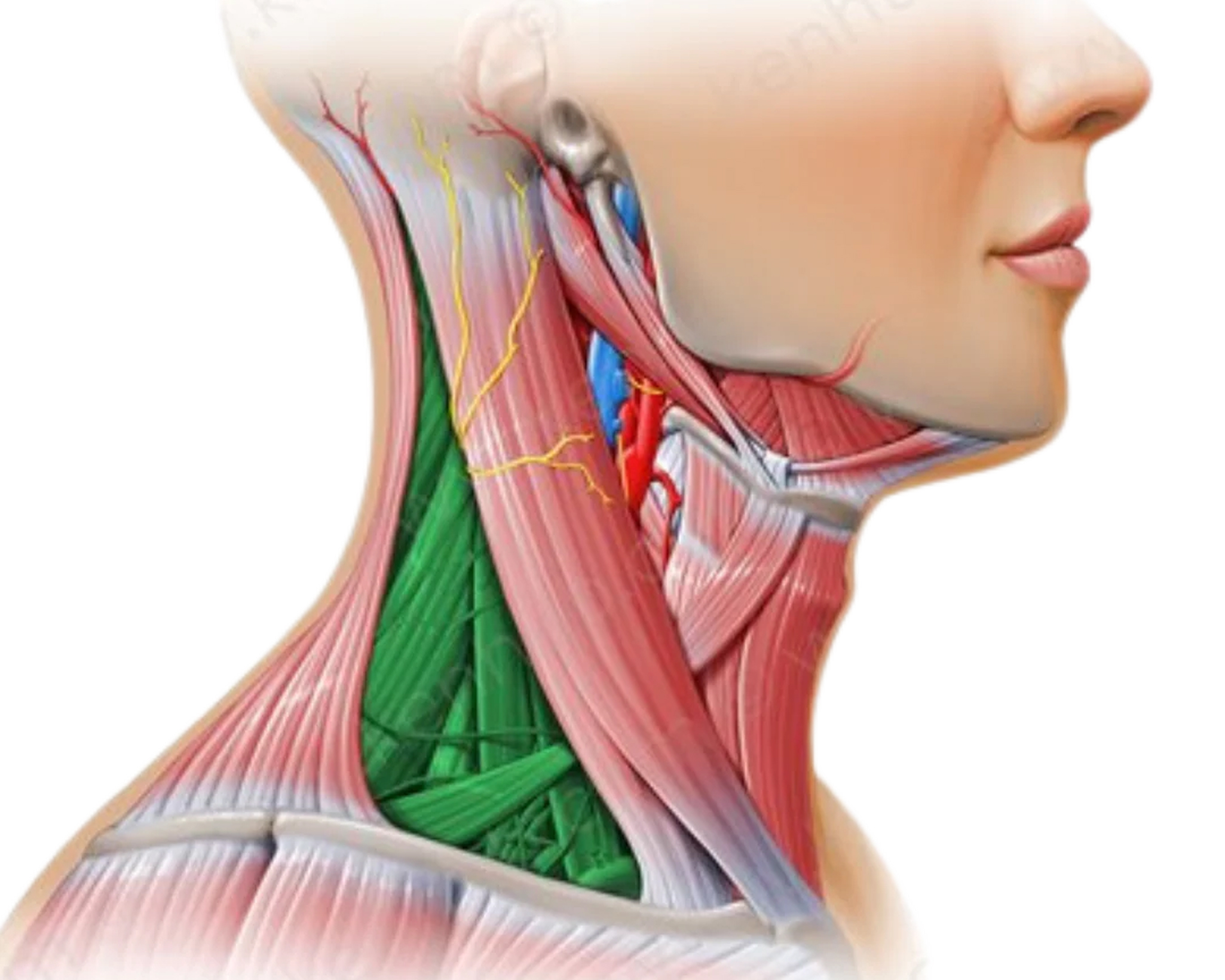
A deep plane neck lift like any surgery has risks. These include infection, bleeding and reactions to anesthesia. There is also a risk of nerve injury, which can cause weakness in the lower lip. Choosing a surgeon can reduce this risk.
Conclusion
The deep plane neck lift is a surgical procedure for neck rejuvenation. It goes beyond methods by targeting the structure under the skin. By lifting and securing the foundations of the neck and jawline this technique offers patients a youthful profile.
For those concerned about aging in the face and neck the deep plane approach provides a solution that looks natural and feels great. It restores confidence without signs of surgery.
Frequently Asked Questions:
1.Is a deep plane neck lift painful?
Most patients report that the discomfort is mild and manageable. They describe a sensation of tightness or soreness not pain. Pain medication helps control this for the few days.
2. How long does the deep plane neck lift last?
A deep plane neck lift generally lasts longer than a skin-only lift. It can last 10 to 15 years or more. This is because it addresses the cause of sagging.
3. Will I have scars?
Scarring is minimal with this procedure. Incisions are placed in the hairline ear creases and behind the ear. The scars heal well. Fade over time.
4. What is the difference between a " lift" and a deep plane neck lift?
A "mini lift" is less invasive and best for patients with mild sagging. The deep plane neck lift is more comprehensive. It addresses laxity, jowls and banding.
5. Are the results permanent?
No surgery can stop aging. However a deep plane neck lift turns back the clock significantly. Patients continue to age naturally. Look younger than they would have without the surgery. Many find their results last, over a decade.
References
Jacono, A. A., & Ransom, E. R. (2020). The Deep Plane Facelift: A Review of Current Concepts, Technique, and Outcomes. Aesthetic Surgery Journal, 40(10), 1099-1108.
Barton, F. E., Hunt, J., & Burns, A. J. (2019). Deep Plane Face Lift: Comprehensive Review and A New Classification System. Plastic and Reconstructive Surgery, 143(4), 891e-901e.
Stuzin, J. M. (2015). Restoring Facial Shape in Face Lifting: The Role of Skeletal Support in Facial Analysis. Plastic and Reconstructive Surgery, 135(6), 1595-1606.
American Society of Plastic Surgeons. (2023). Neck Lift: What you should know. ASPS Public Education Materials.
Martén, E. (2018). High SMAS Face Lift: A Standardized Technique. Facial Plastic Surgery Clinics of North America, 26(2), 205-213.