

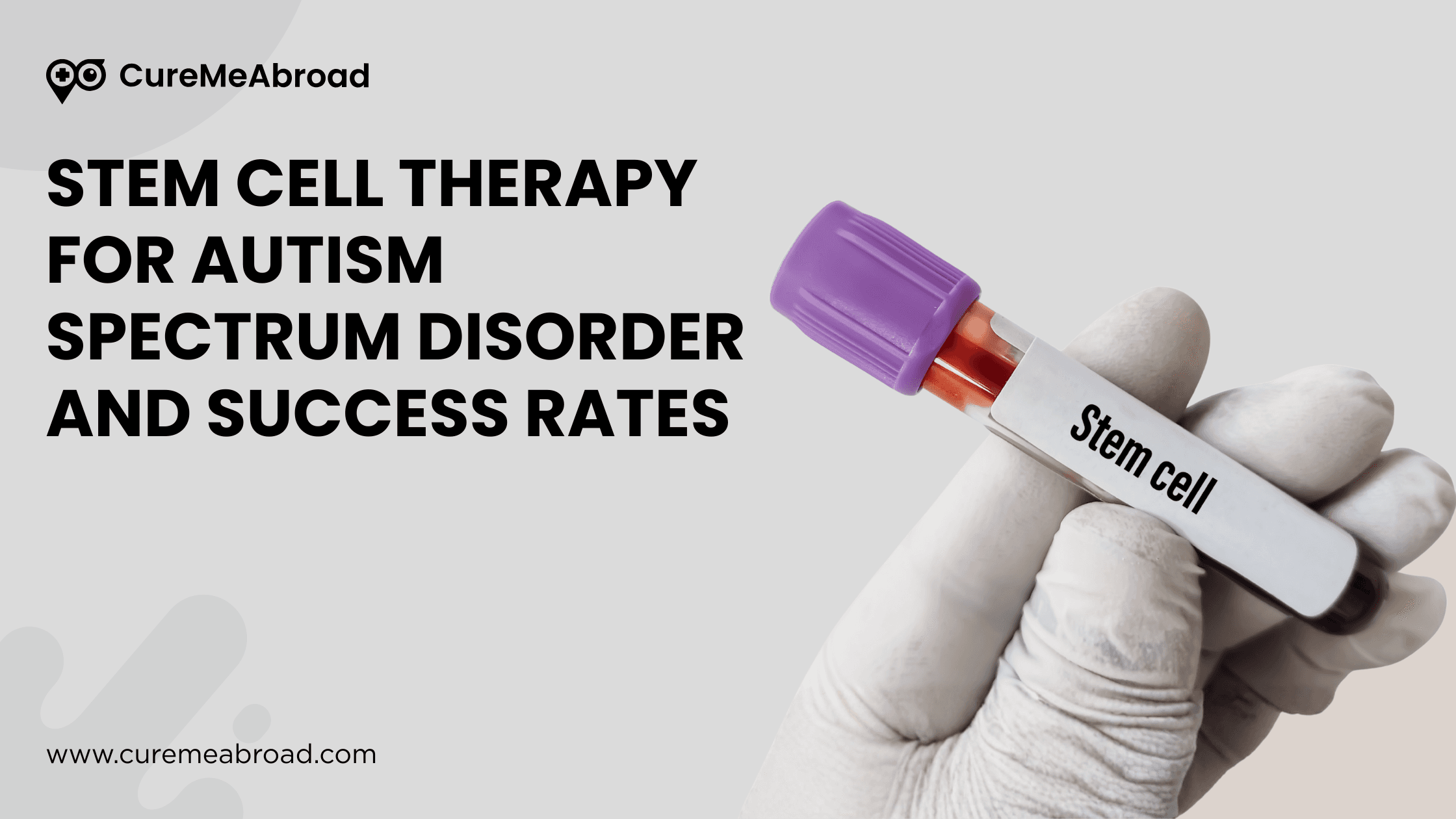
Autism Spectrum Disorder (ASD) is a complex neuro developmental condition that impacts communication, social interaction and behavior. In recent decades, research has provided insights on various biological mechanisms involved in ASD, leading to increased interest in innovative therapies, one of the most unique ones being Stem Cell Therapy. In this blog you ‘ll learn about the current state of stem cell treatments for autism, exploring their potential benefits and risks , ongoing research and factors families should consider when looking for various treatment options .
UNDERSTANDING AUTISM SPECTRUM DISORDER
ASD includes a range of developmental conditions that differ significantly in severity and presentation. Children with ASD may encounter difficulties with language development, social interactions, and emotional regulation and may exhibit repetitive or restrictive behaviors .The global prevalence of ASD has been rising, with recent estimates indicating that around 1-2%of children are affected worldwide. In the United States alone approximately 1in 36 children are diagnosed with ASD.
ASD occurs more frequently in boys than girls , at a ratio of about 4:1. The rise in diagnosis attributed not only to increased awareness but also due to refined diagnostic criteria and a broader recognition of the autism spectrum
BIOLOGICAL BASIS OF AUTISM
The precise cause of ASD remains unclear. Research suggests that both genetic and environmental factors contribute to its development .Key biological characteristics associated with ASD include :
- Neuroinflammation and immune deregulation. Studies have found elevated levels of pro inflammatory cytokines in cerebrospinal fluid of individuals with autism , indicating that chronic inflammation would impact neural development and connectivity
- Oxidative stress and mitochondrial dysfunction: cellular energy deficits and oxidative damage may play a role in neurological and behavioral symptoms
- Altered brain connectivity and neurotransmitter imbalances: abnormalities in synaptic signaling and neural networks are often observed.
- Gut microbiome alterations : emerging evidence points to intestinal immune dysfunction potentially affecting brain development and behavior
- Genetic predispositions: more than 1,000 candidate genes have been linked to autism and family studies show higher concordance among siblings and twins.
CURRENT TREATMENT APPROACHES FOR ASD
The traditional management of autism relies on behavioral and supportive therapies designed to enhance functional skills, communication, and adaptive behaviors. Common strategies include:
- Behavioral therapies: Applied Behavior Analysis (ABA) emphasizes reinforcing positive behaviors while reducing negative ones.
- Speech and language therapy: Aims to improve both verbal and non-verbal communication.
- Occupational therapy: Focuses on enhancing daily living skills, sensory processing, and motor coordination.
- Social skills training: Promotes interaction and communication in social environments.
Pharmacological treatments may address specific symptoms such as hyperactivity, aggression, or anxiety; however, they do not tackle the underlying neurological issues and can lead to side effects like sedation, weight gain, or metabolic changes.
Due to these limitations, regenerative medicine, especially stem cell therapy, is gaining interest as a potential treatment that targets the biological processes linked with ASD.
WHAT IS STEM CELL THERAPY?
Stem cell therapy is a form of regenerative medicine that utilizes stem cells to repair, replace, or support damaged or dysfunctional tissues. Stem cells possess a unique ability to differentiate into various cell types and have immunomodulatory properties. In the context of autism, stem cell therapy is being investigated for its potential to:
- Reduce neuroinflammation
- Improve neural connectivity
- Support neuroprotection and repair
- Regulate the immune system
How Stem Cell Therapy Works for Autism
Stem cells are believed to bolster neurological function in individuals with ASD through several mechanisms:
- Immune modulation: Many people with autism show heightened immune activity and neuroinflammation. Stem cells, particularly mesenchymal stem cells (MSCs), can help modulate immune responses and decrease brain inflammation.
- Neuroprotection and repair: Stem cells release growth factors and other signaling molecules that foster neuronal survival, enhance synaptic connectivity, and support brain plasticity.
- Neurogenesis: Stem cells may stimulate the creation of new neural cells and improve communication among neurons.
- Gut-brain interaction: MSCs might help restore balance to the gut microbiome, which can indirectly affect brain function and behavior.
Stem cell therapy for Autism Spectrum Disorder is usually delivered through intravenous infusion or intrathecal injection (directly into the cerebrospinal fluid). Some protocols also investigate alternative delivery methods like nebulization or the use of exosomes extracellular vesicles secreted by stem cells that carry regenerative signals.
Current FDA Approval Status
In the United States, the Food and Drug Administration (FDA) has approved stem cell products derived from cord blood solely for treating blood disorders. Stem cell therapy for autism is still considered experimental and has not received FDA approval. At present, it can only be accessed through registered clinical trials.
While initial research shows promise, further studies are necessary to determine the safety, efficacy, and long-term benefits of stem cell therapy for autism spectrum disorder (ASD).
SAFETY AND EFFICACY OF STEM CELL THERAPY
Safety
Several studies have evaluated the short-term safety of stem cell therapy in children with autism. The findings indicate:
- Severe side effects are uncommon.
- Mild adverse reactions, such as allergic responses, occur in roughly 13% of patients.
- Mesenchymal stem cells (MSCs) are generally regarded as “immune evasive,” meaning they do not strongly provoke immune rejection.
However, long-term safety data is still limited, so families should carefully consider potential risks before pursuing treatment.
Efficacy
Research on the effectiveness of stem cell therapy for ASD has yielded encouraging results:
- Reports suggest improvements in socialization, communication, and sensory processing following treatment.
- Clinical assessments like the Childhood Autism Rating Scale (CARS) and Vineland Adaptive Behavior Scale (VABS) have shown measurable progress in some cases.
- The response may vary based on the child's initial cognitive function and the specific type of stem cells used.
It's important to note that most studies involve small sample sizes and sometimes lack control groups, highlighting the necessity for more extensive, controlled research.
TYPES OF STEM CELLS FOR AUTISM
Stem cells exist in various forms, each with distinct characteristics that may offer benefits for individuals with ASD. Recognizing these differences can assist families in making informed choices about therapy.
1. Mesenchymal Stem Cells (MSCs)
MSCs are multipotent stromal cells sourced from bone marrow, fat tissue, or umbilical cord tissue. They are recognized for their immune-modulating and anti-inflammatory abilities. MSCs are considered "immune evasive," which means they are less likely to provoke an immune response, even when derived from unrelated donors. These qualities make MSCs particularly effective in addressing neuroinflammation, a common issue in individuals with autism.
2. Umbilical Cord Stem Cells
Umbilical cord stem cells can be obtained from either the blood in the cord (cord blood mononuclear cells, CB-MNC) or the tissue (cord tissue MSCs, UC-MSC). CB-MNCs naturally contain stem cells that aid in neural repair and immune system regulation. UC-MSCs are cultivated in a laboratory to increase their concentration and boost their regenerative and immune-modulating properties.
3. Fetal Stem Cells
Fetal stem cells are derived from fetal tissue and have the ability to differentiate into various cell types. While they show significant regenerative potential, ethical and regulatory concerns limit their broader use. Research is ongoing to explore how fetal stem cells may support neural development in autism.
4. Hematopoietic Stem Cells (HSCs)
HSCs are blood-forming stem cells harvested from bone marrow, peripheral blood, or cord blood. They have well-established applications in treating blood disorders but remain experimental when it comes to autism treatment. HSCs may impact ASD by aiding immune regulation and reducing inflammation.
5. Neural Stem Cells (NSCs)
Neural stem cells are progenitor cells capable of becoming neurons, astrocytes, or oligodendrocytes. NSCs are under investigation for their potential to repair damaged neural networks and improve brain connectivity in individuals with autism. Research is still at an early stage, with these cells primarily utilized in clinical trials.
RESEARCH STUDIES AND CLINICAL TRIALS
Numerous clinical trials have investigated the use of stem cell therapy for autism spectrum disorder (ASD):
- Safety studies indicate minimal serious adverse effects, with some participants experiencing mild allergic reactions.
- Effectiveness studies demonstrate improvements in social skills, communication, and cognitive function, especially among children with higher baseline cognitive abilities.
- Combined therapies utilizing CB-MNC and UC-MSC have been linked to better outcomes in some research, suggesting a possible synergistic effect.
Worldwide, the number of stem cell trials for autism is lower than for other neurodevelopmental disorders like cerebral palsy. Ongoing trials are focused on refining dosing, administration methods, and patient selection to enhance results.
References:
https://pubmed.ncbi.nlm.nih.gov/32444220/
https://pubmed.ncbi.nlm.nih.gov/33271192/
POTENTIAL BENEFITS OF STEM CELL THERAPY FOR AUTISM
- Improvement in social interaction and communication skills
- Reduction in repetitive behaviors and sensory sensitivities
- Enhanced emotional regulation and adaptive behaviors
- Support for motor coordination and cognitive development
- Possible improvements in sleep, digestion, and overall well-being
While these benefits are encouraging, it is important to recognize that individual responses can vary, and stem cell therapy does not cure autism.
RISKS AND CONSIDERATIONS OF STEM CELL THERAPY FOR AUTISM
- Allergic reactions or mild infusion-related side effects
- Variability in cell preparation and laboratory processing
- Lack of standardized treatment protocols across clinics
- Unknown long-term effects of stem cell therapy in children with Autism spectrum disorder
- High costs, particularly for international patients seeking treatment abroad
Families contemplating stem cell therapy should consult with experienced medical professionals and ensure that treatment is pursued through reputable clinical trials or approved research programs.
Future Directions in Stem Cell Therapy
To enhance stem cell therapy for autism, researchers are concentrating on:
- Further preclinical research: Gaining insights into mechanisms, therapeutic targets, and biomarkers.
- Standardized treatment protocols: Creating best practices for dosing, delivery, and follow-up care.
- Large-scale clinical trials: Assessing safety and efficacy in a variety of populations.
- Combination therapies: Exploring the synergistic effects of different types of stem cells alongside supportive therapies.
The aim is to transition from experimental methods to evidence-based, accessible treatments for children with ASD.
OTHER TREATMENT OPTIONS FOR AUTISM
While stem cell therapy is still being studied, established therapies remain crucial in managing ASD:
- Behavioral interventions: Applied Behavior Analysis (ABA) and social skills training.
- Speech and occupational therapies: Aiding communication, motor skills, and daily living activities.
- Educational support: Customized learning programs and special education services.
- Pharmacological management: Medications targeting specific symptoms such as hyperactivity, anxiety, or aggression.
- Family and caregiver support: Counseling, training, and respite care.
A multidisciplinary approach that blends traditional therapies with new treatments offers the most comprehensive support for children with autism.
PATIENT GUIDANCE AND CONSIDERATIONS
Families considering stem cell therapy for autism should keep the following in mind:
- Clinical trial participation: Look for treatment through registered clinical trials to ensure proper oversight and adherence to ethical standards.
- Medical consultation: Discuss individual circumstances along with potential benefits and risks with qualified healthcare professionals.
- Treatment transparency: Be informed about the type of stem cells used, dosing specifics, administration methods, and laboratory processes.
- Long-term follow-up: Ensure access to post-treatment assessments to track progress and any side effects.
- Ethical considerations: Avoid clinics that offer unapproved treatments outside regulated clinical trials.
Being well-informed empowers families to make decisions that prioritize safety, effectiveness, and overall well-being.
FINAL THOUGHTS
Stem cell therapy presents a promising avenue in treating autism spectrum disorder. By targeting neuroinflammation, enhancing neural connectivity, and modulating the immune system, stem cells hold the potential to improve social interactions, cognitive abilities, and behavioral outcomes. Nevertheless, stem cell therapy for ASD is still experimental; further research is necessary to confirm long-term safety, establish standardized protocols, and ensure consistent efficacy.
Families contemplating this approach should consult qualified medical professionals, prioritize involvement in clinical trials, and continue established behavioral and supportive therapies. As research advances, stem cell therapy may become an integral part of comprehensive autism care bringing new hope to children and families around the globe.